
 Pantry Pests
 Pill Bugs
 Ants
Ants Spiders
 Bees
Bees Crickets
 Miller Moths
 Millipedes
 Wasps
Wasps Hornets
 Mice
Mice Voles
Voles Rats
Rats Bats
Bats Birds
Birds Gophers
 Mosquitos*
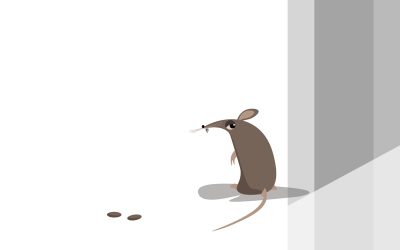 How to Identify Rodent Droppings
 Keep Pests Out of Your Kitchen
 Keep Ants Away
PEST LIBRARY
About Crickets
The chirping you cannot locate, coming from somewhere behind the wall after dark. Here is what crickets actually are, why they move indoors when the season turns, and how to tell the black one everyone notices from its quieter cousin.
FIELD NOTES
Crickets by the Numbers
A few facts that make the noise in your walls a little less mysterious, and a lot less worrying.
14 sec
The Cricket Thermometer
Count a cricket chirps for 14 seconds and add 40. That is roughly the temperature in Fahrenheit. It actually works.
Males
Who Is Singing
Only male crickets chirp, rubbing their wings together to call for a mate. The females are silent.
0
Bites or Stings
Crickets cannot bite or sting. The spike on a female is an egg-layer, not a stinger.
Nocturnal
Active After Dark
Crickets feed and sing at night and hide by day, which is why you hear them long before you see them.
TELL THEM APART

House Cricket or Field Cricket?
The two crickets you are most likely to meet in a Castle Rock home behave a little differently, and the shiny black one people search for has a name.
TAN
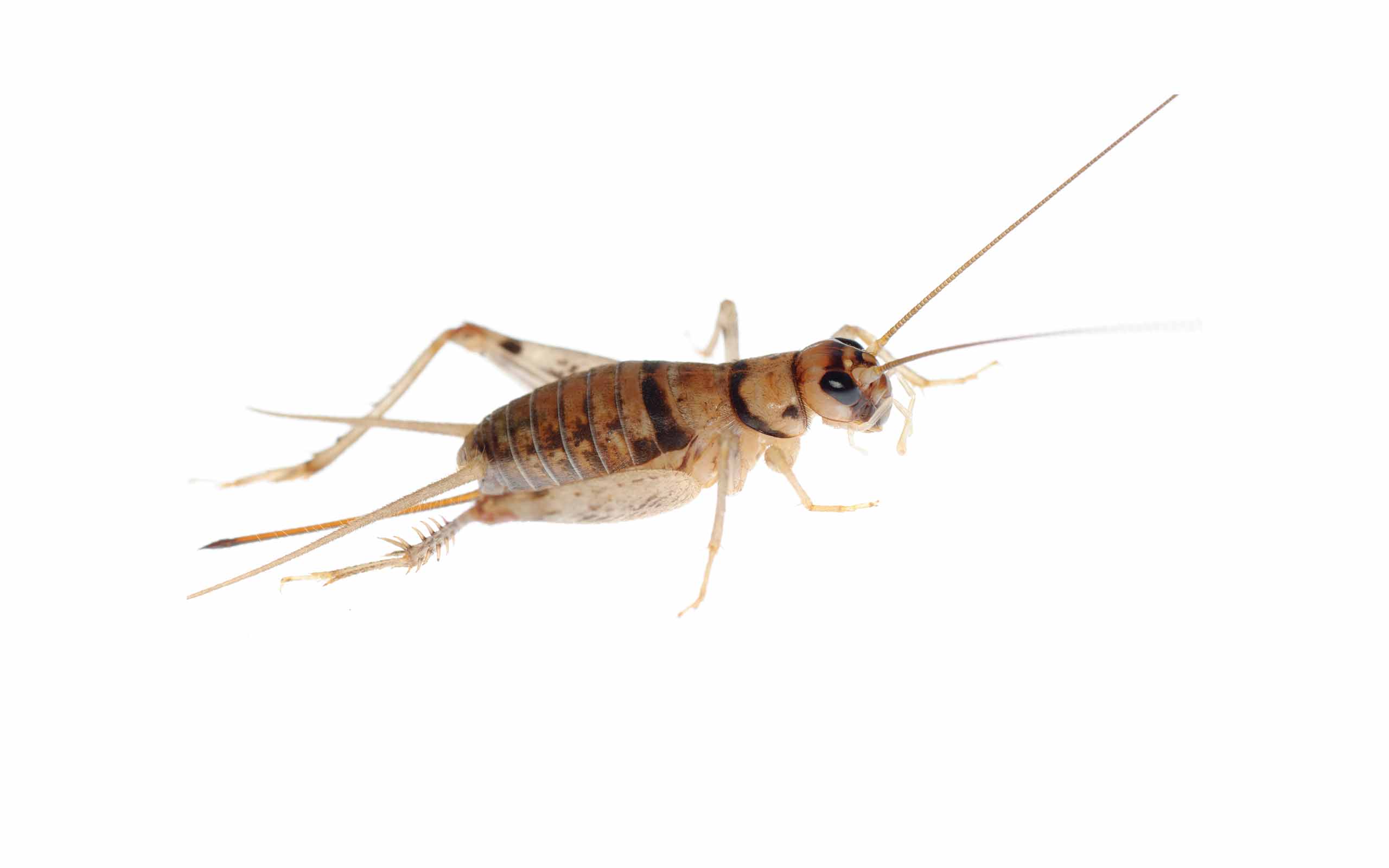
House Cricket
The indoor lingerer
Tan to light brown Loves warmth Will breed indoors
A light yellowish-brown cricket that takes to the indoors readily and, in a warm spot, will settle in and even breed. House crickets are the ones most likely to overwinter behind an appliance or in a heated basement and chirp straight through the cold months.
BLACK
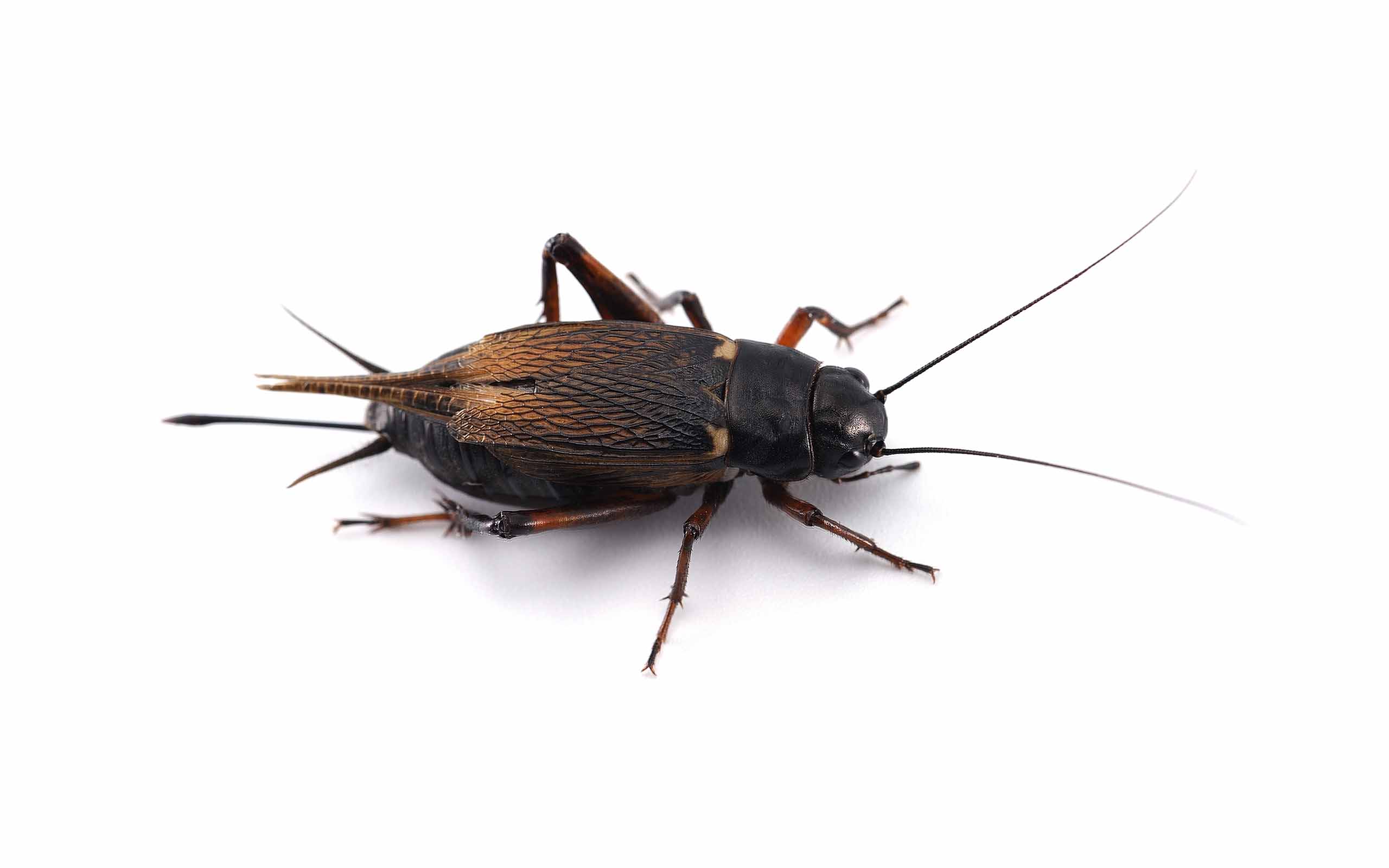
Field Cricket
The black cricket
Shiny black Comes from outside Late-summer surges
The shiny black cricket people across Colorado notice in late summer. Field crickets live outdoors and pour toward houses when the weather turns, sometimes in large numbers, but they do not really breed indoors the way house crickets do. Loud, harmless, and mostly looking for warmth.
WHY THEY APPEAR
Why Crickets Move Indoors
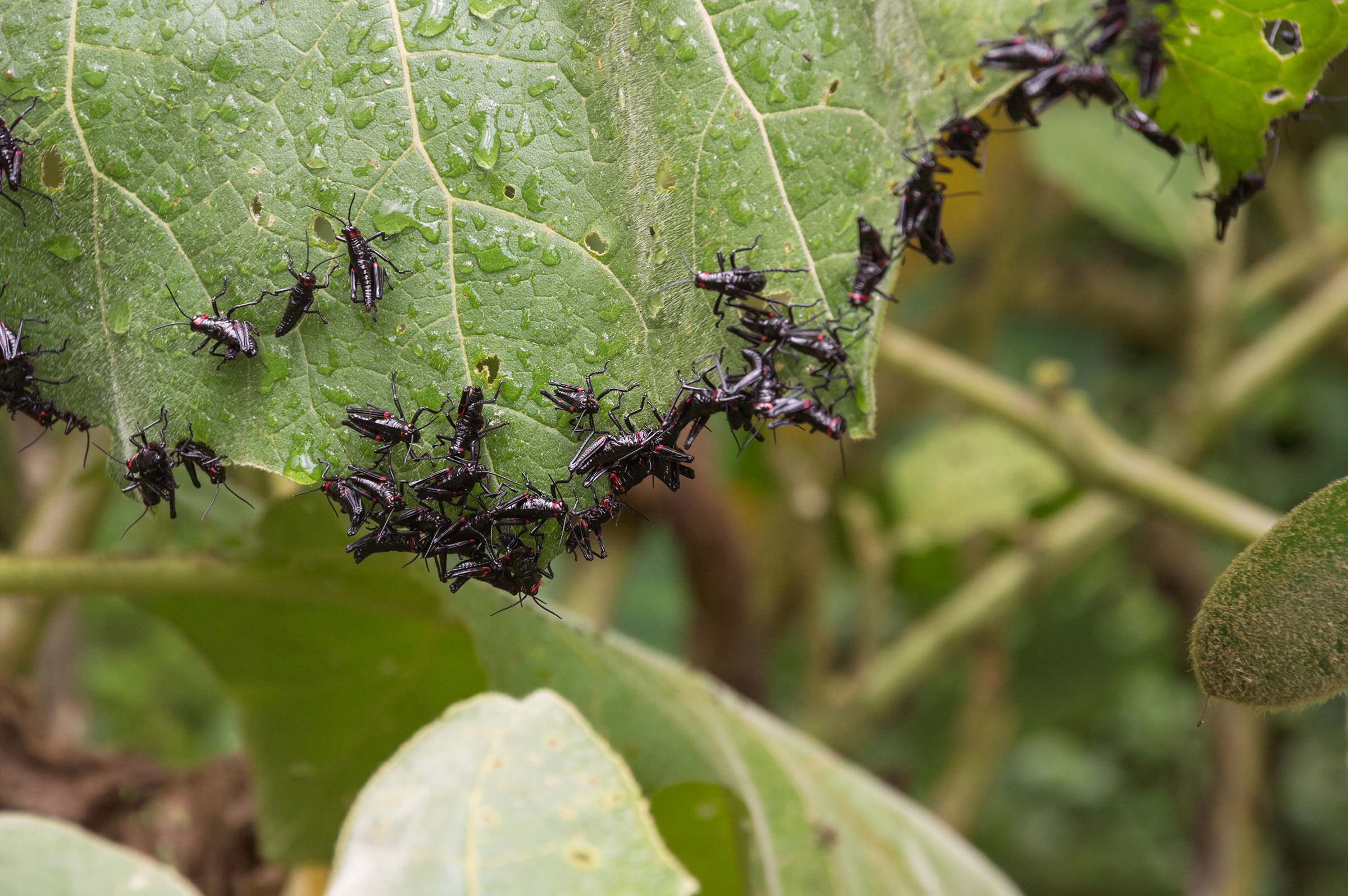
Crickets spend the warm months outdoors, but they are not built for a Colorado winter. As the nights cool toward the end of summer, they start hunting for somewhere warm and sheltered, and a heated house is the obvious target.
Most of them get in by accident, slipping through a gap while looking for warmth, then unable to find the way back out. A handful of things around a home make that far more likely. These are the big ones.
Bright Exterior Lights
White lights at the doors and garage draw crickets in after dark. They gather at the light, then find the nearest gap.
Moisture and Mulch
Damp ground, heavy mulch, and dense plantings against the foundation give crickets a cool, moist place to collect right by the house.
Firewood and Clutter
Stacked firewood, stones, and yard clutter against the walls give crickets daytime shelter steps from the door.
Gaps and Cracks
Openings under doors, around vents, and along the foundation are the actual way in. Lights and cover bring them close; the gaps let them through.
PEST THREAT LEVEL
1/10
LOW
Loud, Harmless, and Hard to Ignore
Crickets sit near the bottom of the pest-threat scale. They do not bite, do not sting, and carry no disease. The female ovipositor looks like a stinger but only lays eggs in soil. They will not harm you, your pets, or, in any real way, your house.
Left alone indoors for a while, a cricket may chew on fabric, paper, or cardboard, but that is the extent of it and it is rare. The actual problem is the one everyone already knows: the chirping, night after night, from somewhere you cannot find. That is a sleep and sanity problem, not a safety one.
No Bite or Sting
Harmless to people and pets
No Disease
Not a vector for illness
Minor Fabric Nibbling
Rare, only if left undisturbed
Mostly Just Noise
The chirping is the real issue
FREQUENTLY ASKED
Common Cricket Questions
The questions that come up every time the chirping starts. Straight answers.
Why can I hear it but never find it?
Only males chirp, and they fall silent the instant you get close, so the sound seems to vanish wherever you look. It also bounces off hard surfaces and feels like it comes from everywhere. The cricket is usually wedged in a gap near warmth or moisture, behind an appliance or in a basement corner.
Why do crickets chirp at all?
It is a mating call. Males rub a scraper on one wing across a row of teeth on the other, a bit like a tiny bow on a string, to attract females and warn off other males. Cooler temperatures slow the chirping, which is why it eases off as the night gets cold.
What is the black cricket I keep seeing?
That is almost certainly a field cricket, the shiny black cricket common across Colorado. Field crickets live outdoors and surge toward houses in late summer when the weather turns. Loud and harmless, and unlike house crickets they do not really settle in and breed indoors.
Are crickets dangerous?
No. They do not bite or sting and they carry no disease. The needle-like spike on a female is an egg-laying ovipositor, not a stinger. The worst they do indoors is an occasional nibble on fabric or paper.
How do I keep crickets out?
Cut what draws them and close what lets them in: switch exterior lights to yellow bulbs, fix moisture and drainage, pull firewood and clutter away from the walls, and seal gaps under doors and around vents and the foundation. Fewer attractants plus sealed openings is what keeps them outside.
Tired of the Nightly Chirping?
Knowing why crickets are coming in, and where, is the difference between chasing a sound around the house every night and getting your quiet back. The work is sealing the openings, cutting the attractants, and treating where they hide.
We have served Castle Rock, Parker, and Douglas County for over 13 years. We find the entry points, treat where they harbor, and keep them out.
Call 720-583-4126 or contact us online to get started.
More Pest Protection.
More Peace of Mind.