
 Pantry Pests
 Pill Bugs
 Ants
Ants Spiders
 Bees
Bees Crickets
 Miller Moths
 Millipedes
 Wasps
Wasps Hornets
 Mice
Mice Voles
Voles Rats
Rats Bats
Bats Birds
Birds Gophers
 Mosquitos*
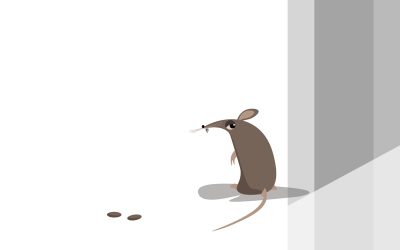 How to Identify Rodent Droppings
 Keep Pests Out of Your Kitchen
 Keep Ants Away
Professional Wasp Removal in Castle Rock, Colorado
Wasps are a diverse class of insects, with more than 30,000 species documented worldwide. The wasps people fear most are the social species living in large communities—and rightfully so. Wasps have stingers containing potent venom, and unlike bees, they can sting multiple times.
If you've noticed a wasp nest near your property, take action immediately. OMNIS Pest Control provides fast, safe wasp nest removal throughout Castle Rock, Parker, Monument, and the Front Range.
Contact OMNIS for wasp removal at first sight of the colony.
PEst Threat Level: 7/10
Wasps are significantly more dangerous than bees. They're aggressive, can sting multiple times, and will defend their nests vigorously. Paper wasps are moderately aggressive; yellow jackets and hornets are highly aggressive. All wasp stings carry venom that can trigger severe allergic reactions.
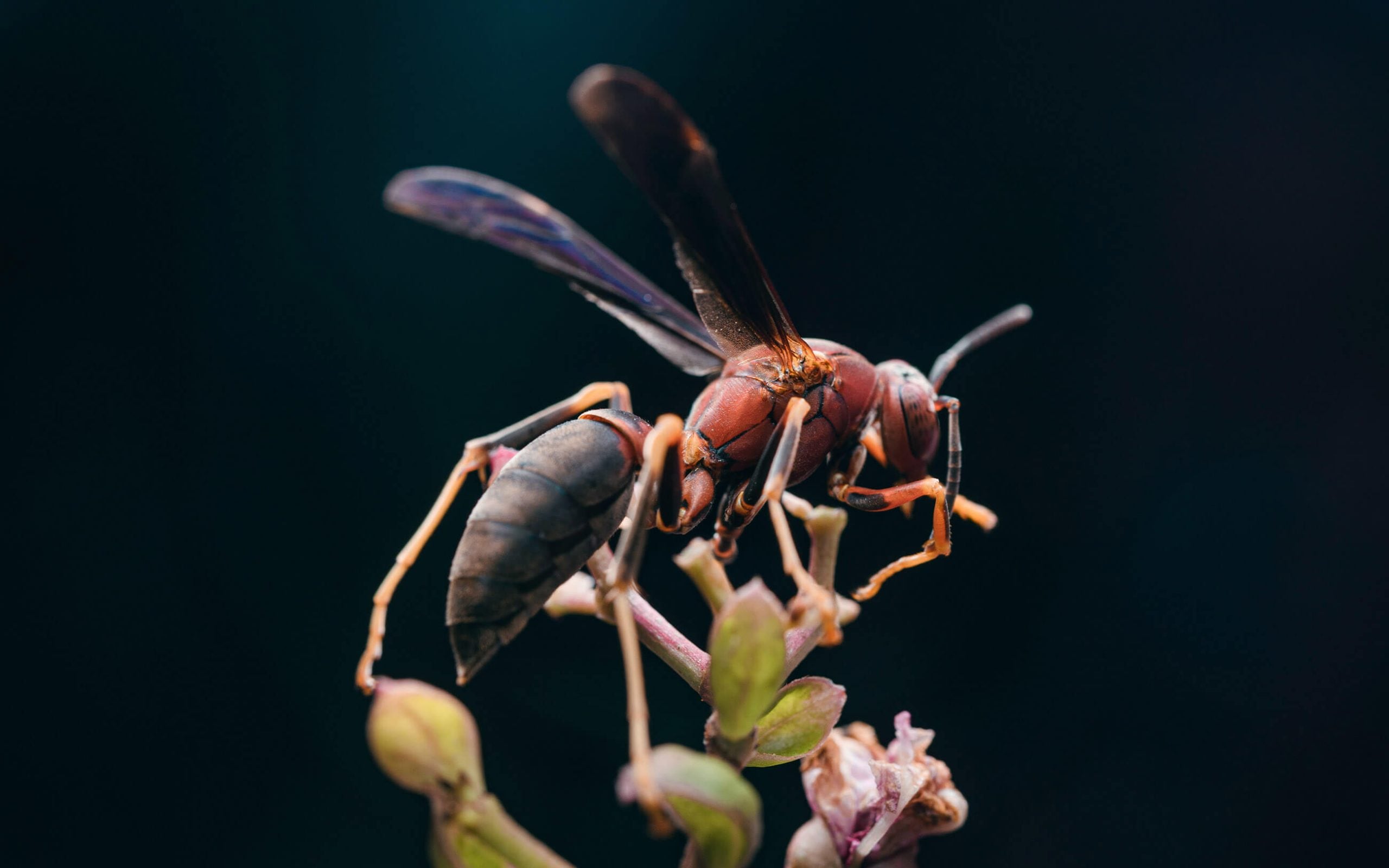
Why Wasps Are Dangerous
Multiple Stings
Unlike bees, wasps don't lose their stinger. A single wasp can sting you repeatedly, and an angry nest means dozens of attackers.
Aggressive Defense
Wasps are highly territorial. Hornets aggressively defend their nests—be very careful not to get stung if you encounter them. Yellow jackets are far more aggressive than hornets, so you definitely don't want to disturb their nests without protection.
Painful Venom
Wasp stings are not only painful but can result in swelling, redness, and itching. For those with severe allergies, a sting can trigger life-threatening reactions such as anaphylaxis, requiring immediate medical attention.
Hidden Nests
Wasps build nests in eaves, attics, wall voids, shrubs, and underground. You may not know a nest exists until you disturb it.
Rapid Reproduction
Wasp colonies grow quickly if left unchecked. A single nest can expand to house dozens—even thousands—of wasps, making it harder to control the infestation over time.
Wasps We Remove in Colorado
While they look similar to bees and ants, wasps are not the same insects. Most wasp species are solitary, while others prefer to live in large groups. These are the most common wasps you may need removal for:
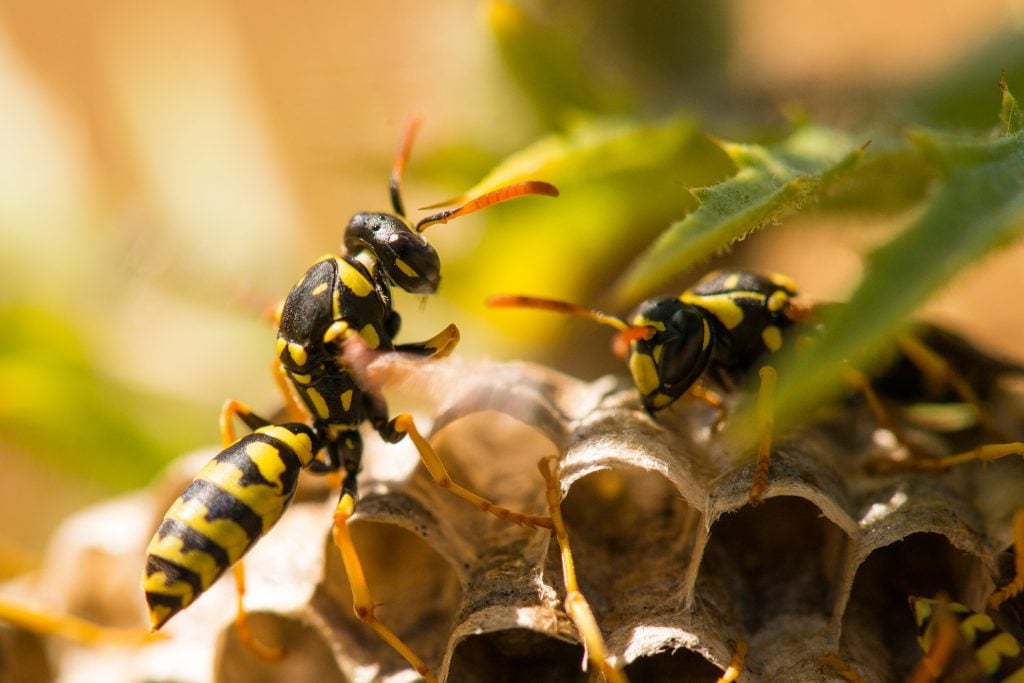
Paper Wasps
Paper wasps are social insects you can frequently find close to buildings. They have long abdomens and narrow waists paired with long legs. The coloring varies based on species—many have yellow abdominal bands, while some are reddish-brown or black.
Paper wasps are not very aggressive compared to yellow jackets. Their venom isn't as dangerous to humans, but a sting can still cause pain and irritation. They prefer to hunt in fields and meadows and typically build their nests under the eaves of buildings and beneath other overhanging structures.
Our approach: We treat nests during low-activity periods, eliminate all wasps, and remove the entire nest structure. We then apply preventive treatments to discourage rebuilding.
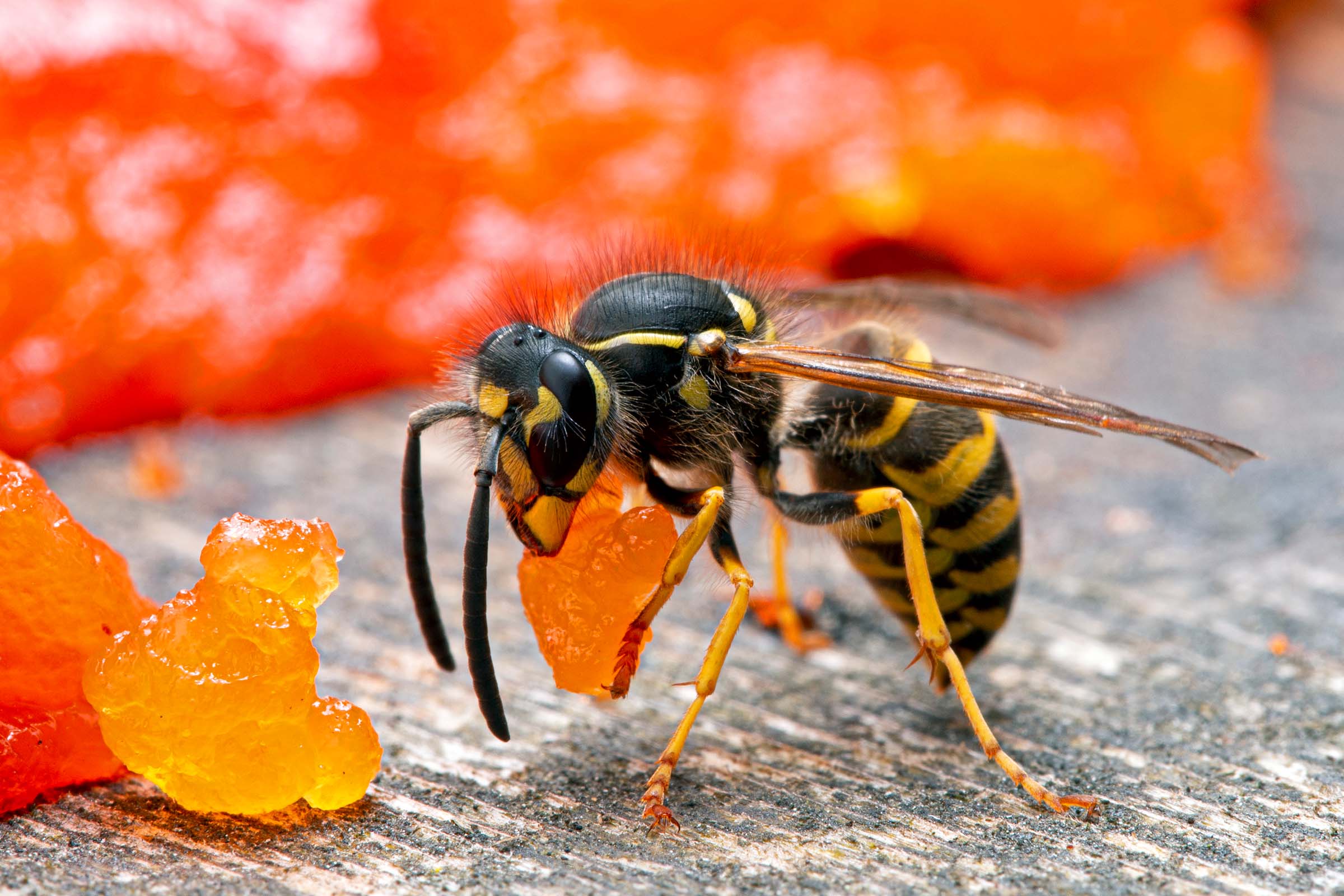
Yellow Jackets
Yellow jackets are very similar to hornets and are also social wasps. They can be identified by their black and yellow abdominal banding. Yellow jackets are far more aggressive than hornets, so you definitely don't want to disturb their nests without protection.
Their nests are often found in underground cavities or inside trees and buildings. Yellow jackets eat other insects when young, but adults prefer a diet of meat, nectar, fruit, and other sugary substances. They can be found throughout the U.S. but are common in Colorado.
Our approach: Yellow jacket removal requires extreme caution. We use specialized techniques to eliminate underground and wall-void colonies completely. Learn more about our yellow jacket control services →
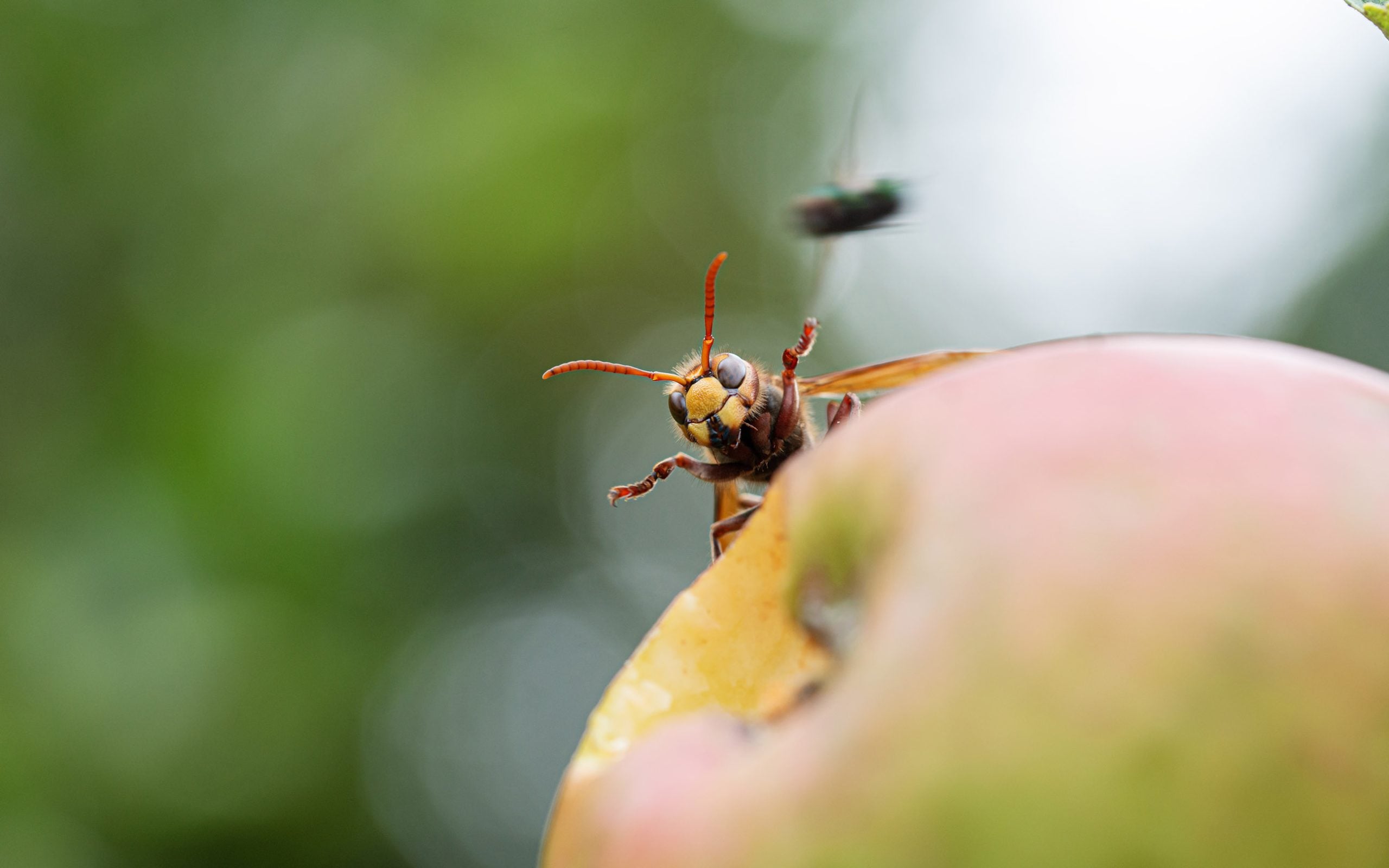
Hornets
Hornets are large social wasps that can reach lengths of an inch or more. Asian giant hornets can grow to be 1.6 inches long, with queens growing even larger. If you see a black and white wasp, it is likely a baldfaced hornet. However, hornets can also have brown, yellow, and orange markings.
Hornets aggressively defend their nests, so be very careful if you encounter them. Adult hornets live on a diet of fruit and nectar, though they may sometimes eat plants and other animals. They commonly build their nests in trees and under roofs.
Our approach: Hornet nests often require specialized equipment due to their elevated locations. We eliminate the entire colony and remove the nest structure. Learn more about our hornet control services →
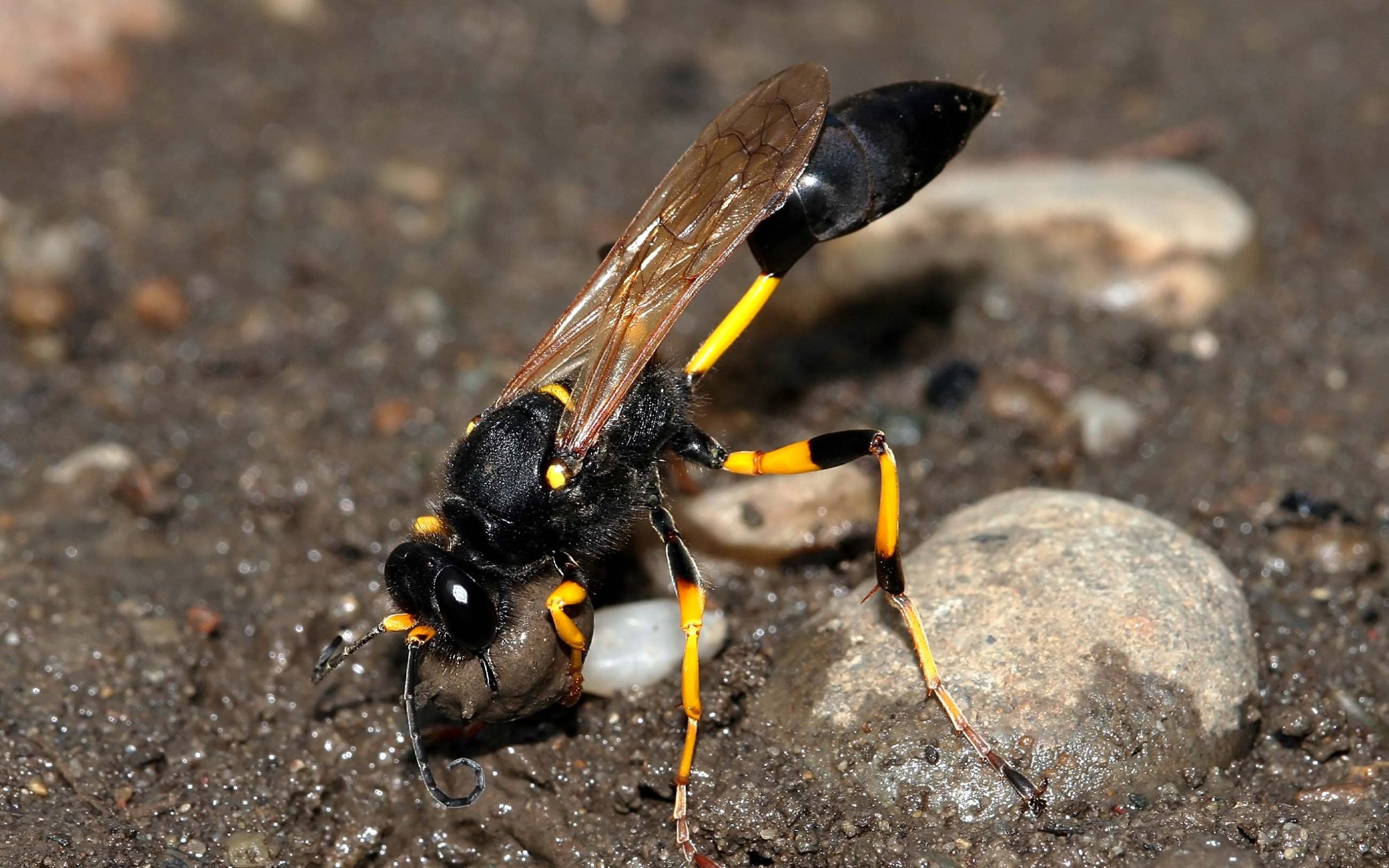
Mud Daubers
Mud daubers are found throughout North America. Unlike other wasps, mud daubers are solitary and prefer to live alone or in small groups. They build their nests using mud rather than paper. Their color varies greatly—they can have blue markings, black and yellow markings, white markings, and more.
When in the larval stage, their diet mainly consists of spiders. Adult mud daubers paralyze spiders using their venom and bring them back to the nest to feed their young. The blue mud dauber differs from other breeds, as they prefer to parasitize other species' nests rather than build their own.
Our approach: We safely remove all mud nests, ensuring no larvae or debris remain. We seal potential nesting sites and apply treatments to prevent return. In Colorado's dry climate, mud dauber nests can be particularly stubborn on stucco surfaces.
The OMNIS Wasp Control Process
If you have noticed a wasp nest near your property, it is imperative that you take action to remove it immediately. When left alone, the wasps may sting you or other residents of your home.
Step 1: Inspection
We locate all nests on your property, identify the wasp species, and assess the threat level. We check common nesting areas—eaves, soffits, trees, shrubs, and underground.
Step 2: Treatment
Using professional-grade products and protective equipment, we eliminate the colony safely and completely.
We use advanced tools and techniques to remove every wasp.
Step 3: Nest Removal
We remove the nest entirely—not just the wasps.
Leaving nests behind attracts new wasps and other pests looking to move into the vacant structure.
Step 4: Prevention
We identify common nesting areas around your home and apply deterrents to keep your space wasp-free.
We'll help prevent them from coming back.
DIY Wasp Removal: What NOT To Do
While there are DIY wasp solutions, handling a wasp infestation yourself can be dangerous. Some people take it upon themselves to eliminate wasps, sometimes making the problem worse or endangering themselves.
Don't Use Fire
You may consider using fire to eradicate a wasp nest. Please don't try. This can be incredibly dangerous, as wasp nests are highly flammable. When you light the nest, the fire could easily spread to the surrounding area—and surviving wasps will be extremely aggressive.
Don't Use Water
Attempting to flood a wasp nest will only anger the wasps within. Angry wasps can quickly become aggressive, leading to the unpleasant experience of being stung by one or many wasps. Water won't kill them—it will provoke a swarm attack.
Don't Seal Nest Entrances
Trapped wasps will find another way out—often into your living space. You'll end up with angry wasps inside your home.
Don't Rely on Store-Bought Sprays
Over-the-counter sprays may kill some wasps, but they rarely eliminate the entire colony. Survivors will rebuild or retaliate. Without proper tools and protective gear, it's easy to make the situation worse.
Rather than wonder how to control wasps around your home, work with OMNIS to do the job correctly.
Preventing Future Wasp Problems
With OMNIS, we don't just remove wasps—we help prevent them from coming back. Understanding why wasps are attracted to your property helps eliminate attractants. Learn more tips in our guide on how to keep bees and wasps away.
Reduce Food Sources
- Keep outdoor garbage cans tightly sealed
- Clean up fallen fruit from trees
- Cover food and drinks at outdoor gatherings
- Rinse recycling containers before storing
Eliminate Nesting Sites
- Seal cracks and gaps in siding and soffits
- Cover vents with fine mesh screens
- Fill abandoned rodent burrows
- Trim overgrown shrubs near structures
Ongoing Protection
- Schedule regular pest control inspections
- Catch nests early—before colonies grow large
- Preventive treatments in spring deter nest-building
- Quarterly service keeps your property protected
Identifying Wasp Nests
One of the most crucial steps in addressing a wasp problem is identifying their nests. Different wasp species build distinctly different nests, and knowing what you're dealing with helps determine the best removal approach. For more on nest types, see different types of bees and wasps nests.
If you've noticed a nest forming, don't attempt to remove it without proper preparation—this could result in a swarm of defensive wasps.
Paper Wasp Nests
Paper wasps are expert architects, creating open, umbrella-shaped nests crafted from chewed wood fibers mixed with their saliva. This process results in a papery material that gives them their name.
Shape: Distinctive open, umbrella-like shape—unlike the fully enclosed, football-shaped nests built by hornets
Structure: Exposed grid of hexagonal cells where wasps lay eggs and raise larvae
Location: Typically found hanging from horizontal surfaces—roof overhangs, eaves, porch ceilings, tree branches, railings, fences, and inside sheds
Size: Relatively small, usually under 200 cells

Yellow Jacket & Hornet Nests
Yellow jackets and hornets build enclosed paper nests with an outer envelope, making them harder to spot until they've grown large.
Yellow jacket nests: Often found in underground cavities (abandoned rodent burrows), inside trees and wall voids, or in attics. Can grow to contain thousands of wasps by late summer.
Hornet nests: Large, football or teardrop-shaped paper nests with a single entrance hole at the bottom. Usually elevated—in trees, shrubs, or attached to building exteriors. Can reach basketball size.
Danger: These enclosed nests are particularly hazardous because you may not see the wasps until you've already disturbed the colony.
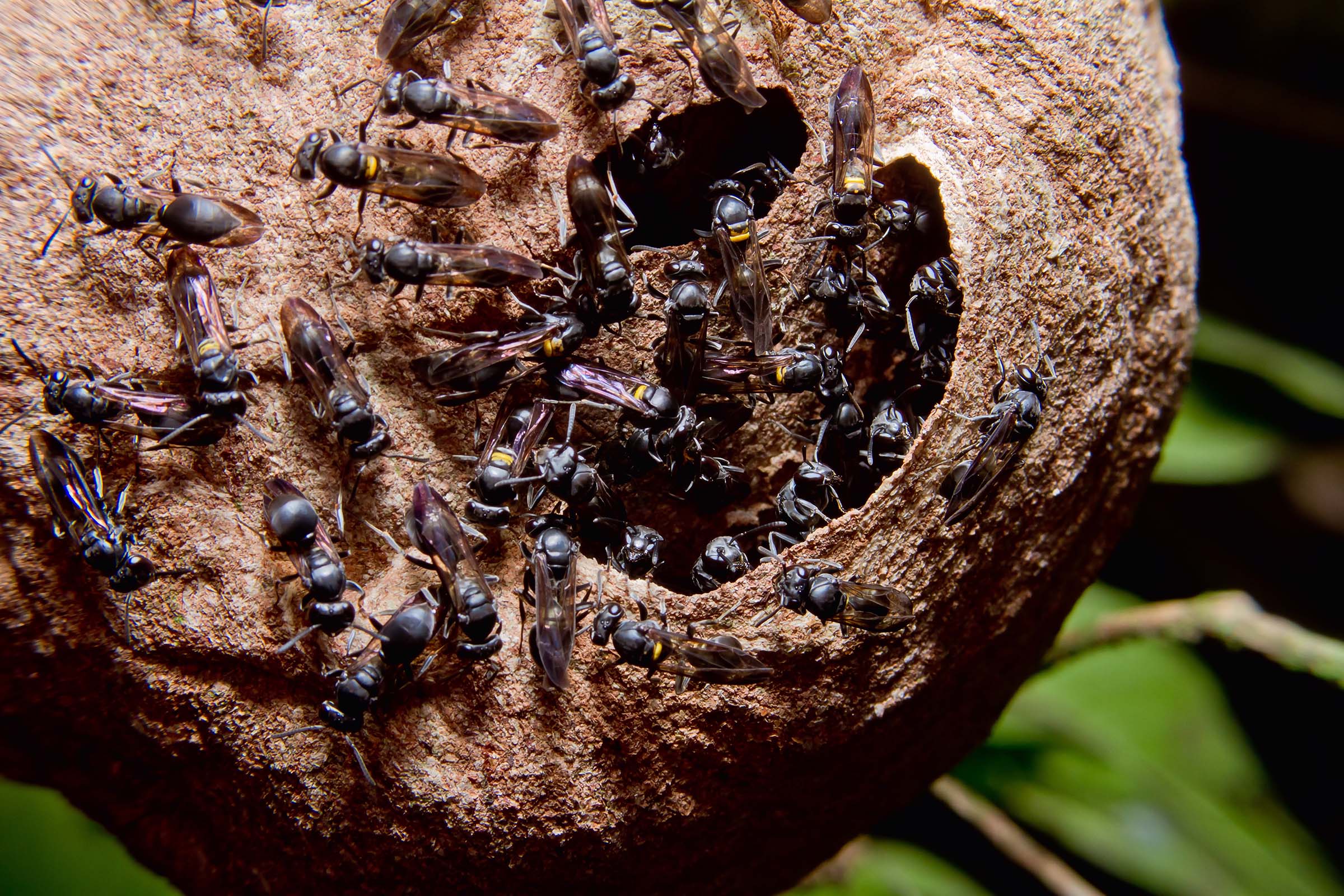
Mud Dauber Nests
Unlike social wasps, mud daubers are solitary and build their nests using mud rather than paper. Look for clusters of cylindrical mud tubes attached to walls, under eaves, in garages, or other sheltered spaces. Each tube contains eggs and paralyzed spiders (food for larvae).
Omnis Dissecting A Wasp Nest
Rid Your Home of Wasps
To get a wasp population under control, we recommend contacting OMNIS as soon as possible. Our team, your local Castle Rock exterminators, will take precautions to ensure professional wasp removal on your property. We prioritize safety and will take preventive measures to keep the wasps from returning in the future.
We Serve
Castle Rock, Parker, Monument, Highlands Ranch, Lone Tree, Douglas County, El Paso County
To get started with a free quote, call us at 720-583-4126.
More Pest Protection.
More Peace of Mind.
Other Bee & Wasp-Related Blogs

Bees Role in Our Ecosystem

Black Wasps in Colorado

Why Are Bees And Wasps Attracted To My House?
