
 Pantry Pests
 Pill Bugs
 Ants
Ants Spiders
 Bees
Bees Crickets
 Miller Moths
 Millipedes
 Wasps
Wasps Hornets
 Mice
Mice Voles
Voles Rats
Rats Bats
Bats Birds
Birds Gophers
 Mosquitos*
 How to Identify Rodent Droppings
 Keep Pests Out of Your Kitchen
 Keep Ants Away
Professional Hornet Control in Castle Rock, Colorado
Have you ever wondered why many high schools choose the hornet as a mascot while virtually no other insects have this distinction? Hornets look intimidating, have hard-to-squash bodies, and deliver severe damage with their stingers. While having your team named the Hornets can make you feel strong and invincible, having actual hornets on your property creates real danger for you and your family.
If you've spotted a football-shaped nest hanging from a tree or discovered hornets entering a gap in your siding, don't attempt removal yourself. OMNIS Pest Control provides safe, effective hornet nest removal throughout Castle Rock, Parker, Monument, and the Front Range.
Contact OMNIS for professional hornet control before someone gets stung.
Pest Threat Level: 7/10
Hornets pose a severe threat to your family. If a hornet stings you, you might have a red, painful welt at the very least. Beyond that, if you have an allergy to stinging insects, it can cause a severe allergic reaction that might threaten your life. Even worse, taking down a hornets' nest can cause the hornets to swarm around you and attack you.
Hornets do not sting unless you provoke them. However, you can get them riled up unintentionally, and your young children may have to learn the hard way not to disturb them. So, if you have hornets living on or close to your home, your best course of action is to remove the nest in the safest way possible.
About Hornets
Hornets fall under the category of wasps, but they are unique in many ways. European hornets account for almost all the hornets in the U.S. The following look at hornets and their lives will help you understand what it means to have hornets living in your outdoor spaces.

Social Insects
Hornets are social insects that live in colonies, and their nests can house hundreds to thousands of hornets. Therefore, it is crucial to address a hornet infestation immediately before the colony grows even larger.

The Colony
The hornet nest-building process starts with the queen who lays eggs and establishes the nest structure framework. The workers then take over the building tasks and defense of the nest throughout the season.

Nest Building
Hornets use paper-like materials to construct their nests, often formed by partially chewing wood and mixing it with saliva. This combination creates sturdy, football-shaped nests that withstand heavy rainfall and strong winds.

Unhealthy Habitat
Nests can grow significantly in size over time and become a breeding ground for disease-carrying organisms, such as bacteria and viruses. Swift removal is highly recommended for the safety of everyone in the area.
Hornet Habitat
The largest populations of hornets live in tropical Asia. However, hornets have made their way to Africa, Europe, and North America, including Colorado. They often make their nests in bushes or trees, but they also frequently build their nests on the side of buildings, under decks, in attics, and within wall voids.
Hornets build their nests by chewing up wood to make a paper-like, football-shaped nest. The nest has an opening at the bottom so that the hornets can come and go freely. If you looked inside an active hornets' nest, you might find hundreds of these insects—and they will aggressively attack if you disturb them.
Hornet Life Cycle
The lifecycle of a hornet colony goes through several phases. First, a fertilized queen hornet begins the solo task of building her hive in the spring. After the queen partially completes the nest, she lays eggs in each of its cells. Then, five to eight days later, the eggs hatch, and the queen feeds and cares for them through five stages of growth and metamorphosis.
At first, asexual females make up most of the hive. These workers take over all the tasks the queen did when she was alone—including foraging, maintaining the nest, and caring for the young. The queen still lays eggs but does little else once the workers take over. Male hornets are few, and they really only have one job: mating during a mating flight. After they mate with the queen, they typically die almost immediately.
As omnivores, hornets eat both plant and animal matter, often munching on their relatives, the yellowjackets. They live for several months, but they do not survive the winter. Only the queen lives through the winter to begin anew in the spring.
Why Hornets Are Dangerous
Powerful Stings
Hornets are significantly larger than other wasps, delivering more venom per sting. European hornet stings are among the most painful of any North American insect—and they can sting repeatedly without dying.
Aggressive Nest Defense
While hornets are relatively calm when foraging, they become extremely aggressive when their nest is threatened. Baldfaced hornets in particular will attack in swarms, pursuing perceived threats for considerable distances.
Nocturnal Activity
European hornets are the only wasps in North America that fly at night. They're attracted to lights and may enter homes through open windows, creating dangerous encounters after dark when you least expect them.
Large Colony Size
Hornet colonies can contain 400-700 workers by late summer. A fully developed baldfaced hornet nest may house over 400 aggressive defenders, all willing to sting repeatedly to protect their colony.
Allergic Reactions
For people with venom allergies, a single hornet sting can trigger anaphylaxis—a life-threatening emergency requiring immediate medical attention. Multiple stings increase this risk significantly.

Hornet Identification
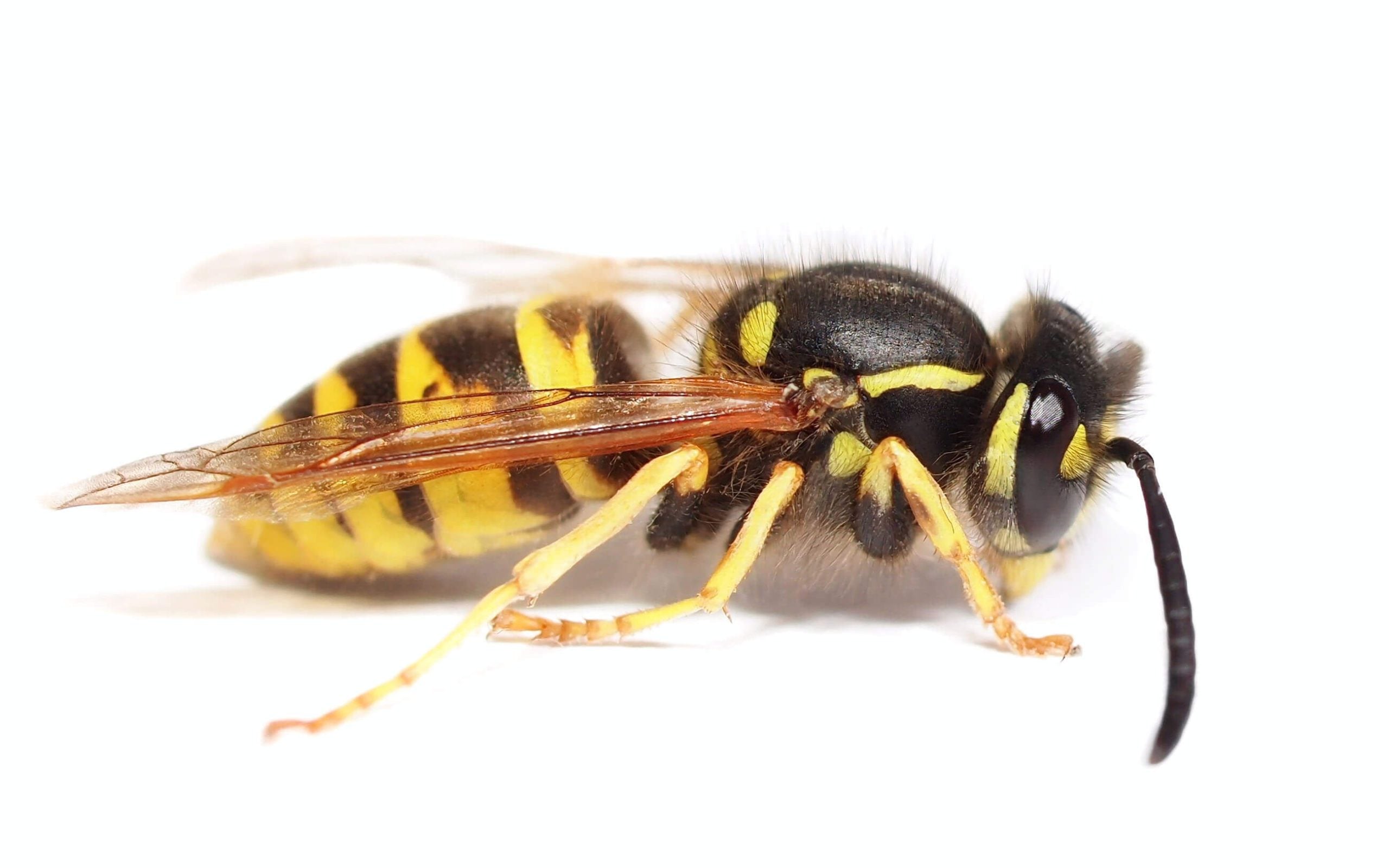
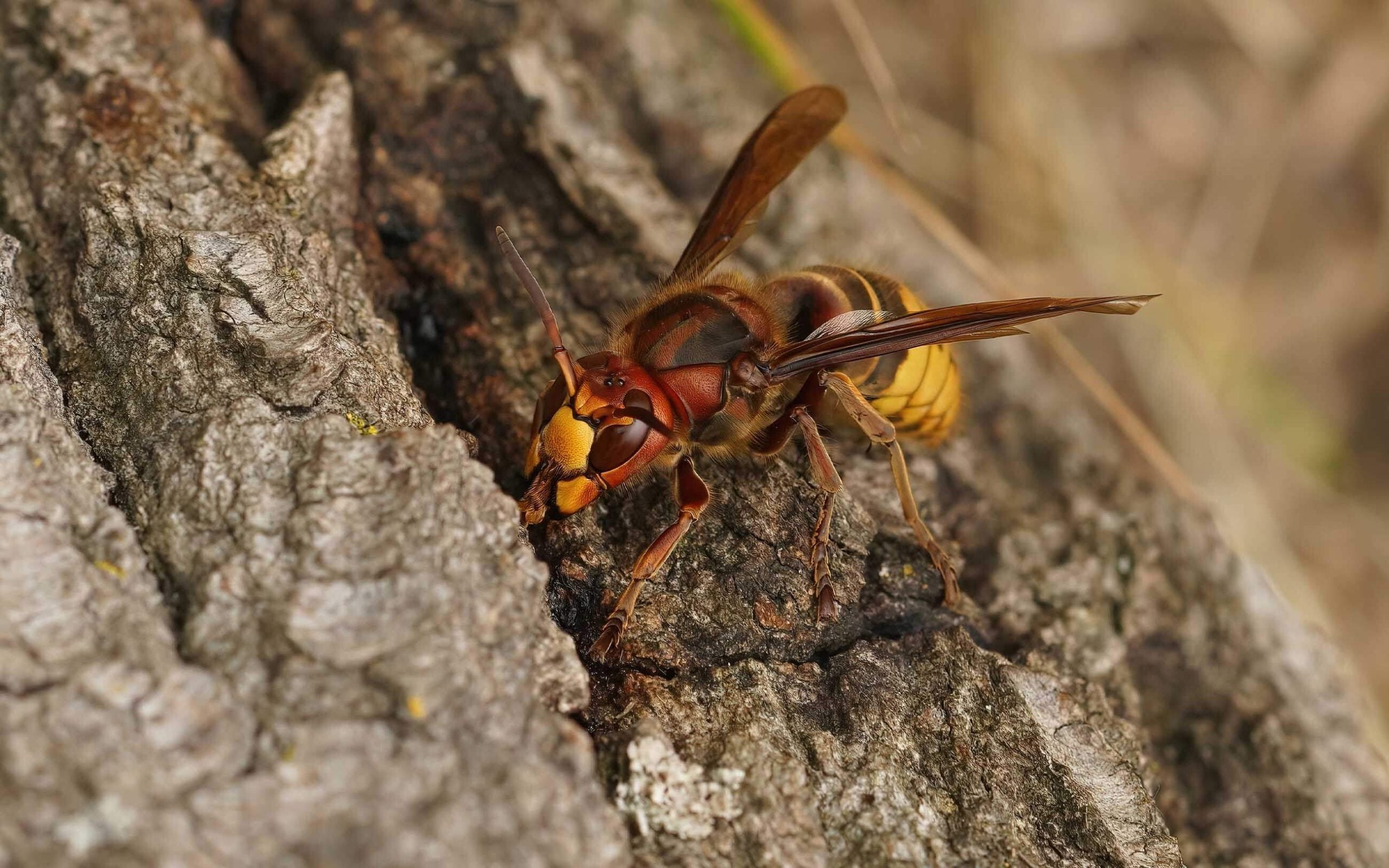
You can easily identify wasps by their tiny waists. Hornets have larger bodies than other types of wasps. In fact, they have a size that is about 1.25 inches long. Yet you can distinguish them even more easily by looking at their coloring.
Hornets have heads that look yellow from the front and red when you look down on them from above. Their body is yellow and black striped. Furthermore, you can notice their reddish-brown or black legs and thorax.
European hornets are brown with yellow abdominal stripes and pale faces. Baldfaced hornets are primarily black with white markings on their face and body—despite being called "hornets," they're technically a type of yellowjacket.
Where Hornets Build Nests
Understanding where hornets establish colonies helps you identify potential infestations early.
Aerial Nests
Baldfaced hornets build their distinctive grey, football-shaped nests in trees, shrubs, under eaves, and on exterior walls. These exposed nests can grow larger than a basketball by late summer.
Wall Voids
European hornets often nest inside wall voids, attics, and hollow trees. These concealed nests are harder to locate but equally dangerous. Look for hornets entering gaps in siding or soffits.
Ground Level
Some hornets nest in abandoned rodent burrows, beneath decks and porches, or in dense ground cover. These low nests are especially hazardous for children and pets playing in the yard.

Signs of Hornet Activity
Early detection of hornets can prevent a small problem from becoming a dangerous infestation. Watch for these warning signs around your property:
- Visible nest — Football-shaped grey paper nests in trees, under eaves, or attached to buildings
- Increased hornet sightings — Multiple hornets flying around a specific area repeatedly
- Chewing sounds — Audible scratching or chewing noises from walls, indicating a hidden nest
- Entry points — Hornets flying in and out of gaps in siding, soffits, or around windows
- Wood damage — Stripped bark on trees or weathered wood where hornets gather nest material
- Night activity — Hornets attracted to porch lights after dark (unique to European hornets)


Should You Call a Professional?
People cite many reasons for wanting to remove hornets on their own. For some, the goal of independently caring for household problems makes sense. For others, cost or convenience matters most. However, removing hornets brings dangers that can wipe out all these supposed benefits of self-help hornet removal.
If you do not successfully rid your home of hornets, you must keep trying—often spending more money on products, equipment, or hospital bills. Plus, if you cannot find a way to remove the hornets safely, you still might have to ask for help from a doctor or a pest control company.
A professional hornet removal company can take care of your hornet problem while keeping you and your family safe during and after the treatment. We put our knowledge of hornets, pest control techniques, and cutting-edge equipment to work to end your hornet nightmare as soon as possible. Then, you can enjoy greater peace and safety all around your home.
Safe Hornet Removal Process
Our professional technicians follow a proven process to eliminate hornets safely and completely.
1. Inspection
We locate all nests and entry points, identify the hornet species, and assess the level of infestation to determine the safest removal approach.
2. Treatment
Using professional-grade products and protective equipment, we treat the nest directly—typically at dusk or dawn when hornets are least active.
3. Removal
After the colony is eliminated, we safely remove the nest structure to prevent attracting other pests and eliminate any residual hazards.
4. Prevention
We seal entry points, recommend habitat modifications, and can schedule follow-up treatments to prevent future infestations.
When to Call a Professional
While a single foraging hornet may not require professional intervention, certain situations demand expert help:
- Nest larger than a tennis ball — Established colonies are too dangerous for DIY removal
- Nest location — High nests, wall voids, or hard-to-reach areas require professional equipment
- Allergies in the household — Any risk of allergic reaction makes professional removal essential
- Multiple nests — More than one nest suggests a serious infestation needing comprehensive treatment
- Previous failed attempts — Disturbed hornets become more aggressive, making subsequent removal more dangerous
- Children or pets — High-traffic areas increase sting risk and require immediate professional action
Why Choose OMNIS
OMNIS Pest Control brings over 13 years of experience eliminating hornets and other stinging insects throughout the Front Range. Our approach combines:
- Local expertise — We understand Colorado's specific hornet species and seasonal patterns
- Safety-first protocols — Professional protective equipment and proven treatment methods
- Eco-friendly options — Targeted treatments that minimize environmental impact
- Complete service — From inspection through nest removal and prevention
- Guaranteed results — We stand behind our work with follow-up service if needed
Don't risk multiple stings, allergic reactions, or an incomplete removal. Trust the professionals who handle hornet infestations every day.
Get Hornets Off Your Property
Hornet nests grow throughout the summer, becoming more dangerous as colony populations peak. A small nest spotted in June can house hundreds of aggressive hornets by September. Don't wait until someone gets stung—contact OMNIS Pest Control for safe, professional hornet removal.
We Serve
We serve Castle Rock, Parker, Monument, Highlands Ranch, Lone Tree, Douglas County, and El Paso County.
To schedule a free quote, call us at 720-583-4126.
More Pest Protection.
More Peace of Mind.
Other Bee & Wasp-Related Blogs

Bees Role in Our Ecosystem

Black Wasps in Colorado

Why Are Bees And Wasps Attracted To My House?
