
 Pantry Pests
 Pill Bugs
 Ants
Ants Spiders
 Bees
Bees Crickets
 Miller Moths
 Millipedes
 Wasps
Wasps Hornets
 Mice
Mice Voles
Voles Rats
Rats Bats
Bats Birds
Birds Gophers
 Mosquitos*
 How to Identify Rodent Droppings
 Keep Pests Out of Your Kitchen
 Keep Ants Away
Professional Bee Control
You're done searching for "bee control services near me."
We need bees—they pollinate our gardens and keep Colorado green. But when bees build hives in your walls, swarm near your entrance, or establish colonies too close to your family, it's time to call the experts.
OMNIS Pest Control provides safe, professional bee removal throughout Castle Rock, Parker, Monument, and the Front Range. We protect your family while preserving these essential pollinators whenever possible.
pest Threat Level: 4/10
Bees are less aggressive than wasps—but don't let that fool you. The real danger is allergic reactions. Many people don't know they're allergic until they're stung, and a single sting can be life-threatening.
When Bees Become Dangerous
Severe allergic reactions: Many people have deadly allergies to bee stings and don't know it. Even if you've been stung before without problems, allergies can develop at any time.
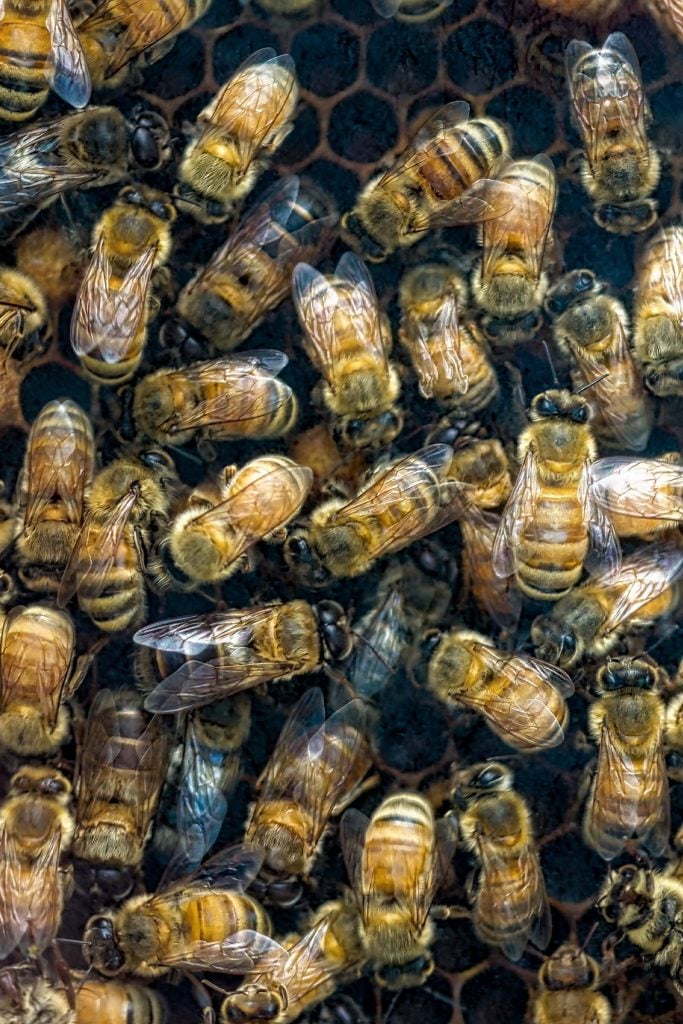
Massive colonies: A single honey bee hive contains 10,000 to 80,000 bees. When that many bees feel threatened, the defensive response can overwhelm anyone—allergic or not.
Property damage: Hives inside walls ferment over time, attracting other pests and damaging building materials as honey seeps through.
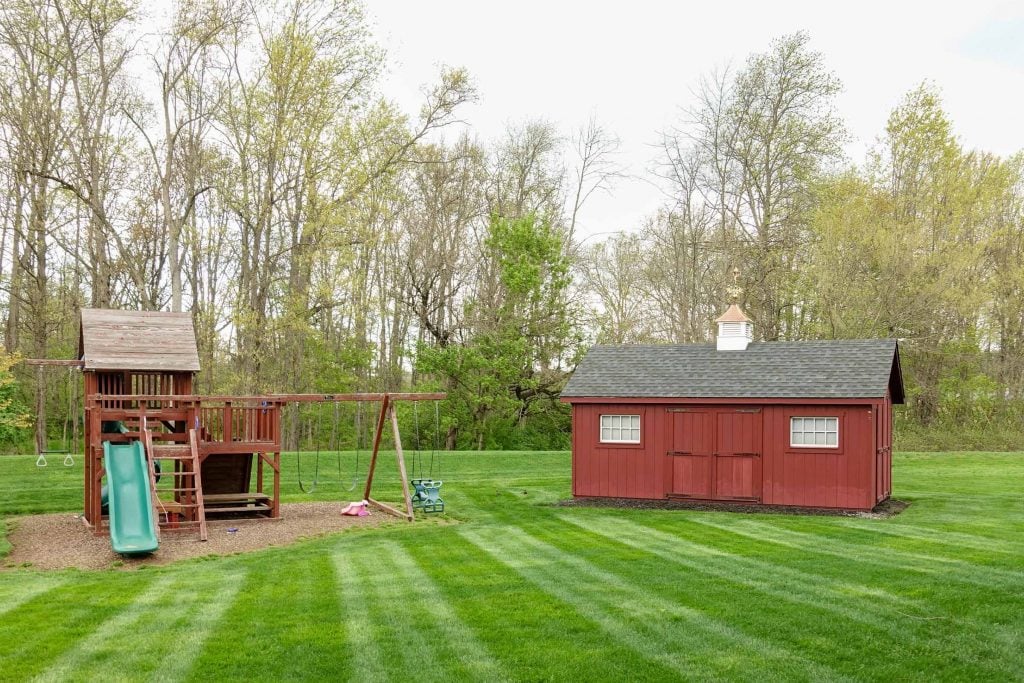
Inconvenient locations: Bees build hives near doorways, play areas, and high-traffic zones. You shouldn't have to avoid your own backyard.
Bees We Handle in Colorado
Colorado is home to honey bees, bumblebees, carpenter bees, mason bees, leafcutter bees, and sweat bees. Each requires a different removal approach—from humane relocation to structural treatment.
Not sure what type of bee you're dealing with? Learn how to identify Colorado bee species →
Why DIY Bee Removal Fails
There are many at-home methods of bee removal that people swear by. Largely unsuccessful, these methods make the problem worse—leaving you surrounded by angry bees with stingers ready.
You don't have the equipment: Professional bee removal requires protective suits, specialized tools, and sometimes lift equipment for high nests.
Killing bees isn't enough: If you kill the bees but leave the hive, you'll attract ants, moths, rodents, and new bee colonies. Fermenting honey damages walls and creates lasting odors.
Legal concerns: Many bee species are protected. Killing honey bees is discouraged—and in some cases restricted by law.
The colony fights back: Disturbing a hive triggers a defensive swarm. Hundreds of bees attacking at once is dangerous for anyone, potentially fatal for those with allergies.
Learn more about effective strategies for beehive removal.
The OMNIS Bee Control Process
When you call OMNIS Pest Control, here's what happens:
Step 1: Inspection
We locate the hive, identify the bee species, assess colony size, and check for structural damage.
Step 2: Treatment Plan
Based on species and location, we recommend relocation, treatment, or removal—always the safest legal option.
Step 3: Removal
Our technicians safely remove or relocate the colony using professional equipment and protective gear.
Step 4: Prevention
We remove all hive material and seal entry points so new colonies can't establish themselves.
Species-Specific Solutions
Different bees require different approaches. We tailor our treatment to your specific situation.
Honey Bee Relocation
Killing honey bees is widely discouraged—they're essential pollinators. When possible, we work with local beekeepers to relocate entire colonies, including the queen, to apiaries where they'll continue to thrive.
We remove all honeycomb to prevent attracting new colonies or other pests. If relocation isn't possible due to safety concerns or colony health, we'll discuss alternatives.
Bumblebee & Ground Bee Removal
Bumblebees are docile and beneficial—removal often isn't necessary unless the nest is in a high-traffic area or someone has allergies.
When removal is needed, we carefully excavate ground nests and relocate when possible. Colonies naturally die off at season's end, so we may recommend waiting if the nest isn't an immediate threat.
Carpenter Bee Treatment
Carpenter bees tunnel into wood, causing structural damage over time. We treat active galleries, eliminate adult bees, and seal entry points.
Follow-up treatment may be needed once eggs hatch. We also apply preventive treatments to vulnerable wood surfaces to break the cycle of reinfestation.
Humane Removal When Possible
OMNIS prioritizes humane bee relocation whenever safe and practical. Bees are essential to our ecosystem—we don't want to eliminate them unnecessarily.
Our beekeeper partners safely relocate colonies to apiaries where they continue pollinating Colorado's gardens and crops.
When relocation isn't possible—due to Africanized bees, inaccessible locations, or immediate safety threats—we use targeted treatments that minimize environmental impact.
Preventing Future Bee Problems
Once we've resolved your current bee issue, prevention keeps new colonies from returning. Understanding why bees are attracted to your house helps eliminate attractants.

Carpenter Bee Prevention
- Paint or stain exposed wood surfaces
- Fill existing carpenter bee holes
- Apply preventive treatments to fascia, eaves, and deck railings
- Replace severely damaged wood

Honey Bee Prevention
- Seal gaps and cracks in siding, soffits, and foundations
- Cover vents and chimneys with fine mesh
- Remove hollow trees or limbs near structures
- Fill abandoned rodent burrows

Ongoing Protection
- Schedule regular pest control inspections
- Catch bee activity early—before colonies grow large
- Address structural vulnerabilities before bees find them
- Quarterly treatments keep your property protected
Castle Rock's Trusted Bee Control Experts
Stinging insects are not a DIY job once a colony is established, and our local Castle Rock exterminators handle removal safely. OMNIS Pest Control has handled hundreds of bee infestations across the Front Range. Our technicians are trained, equipped, and ready to solve your bee problem safely.
We Serve
- Castle Rock
- Parker
- Monument
- Highlands Ranch
- Lone Tree
- Douglas County
- El Paso County
Call us at 720-583-4126
More Pest Protection.
More Peace of Mind.
Other Bee & Wasp-Related Blogs

Bees Role in Our Ecosystem

Black Wasps in Colorado

Why Are Bees And Wasps Attracted To My House?
