
 Pantry Pests
 Pill Bugs
 Ants
Ants Spiders
 Bees
Bees Crickets
 Miller Moths
 Millipedes
 Wasps
Wasps Hornets
 Mice
Mice Voles
Voles Rats
Rats Bats
Bats Birds
Birds Gophers
 Mosquitos*
 How to Identify Rodent Droppings
 Keep Pests Out of Your Kitchen
 Keep Ants Away
Identifying Rodent Droppings
Rodents are some of the most common pests in Colorado homes and commercial properties, and they often leave behind traces of their presence in the form of droppings. Identifying these droppings correctly can help you determine both the type of rodent and the appropriate pest control measures. For Colorado property owners, understanding the characteristics of common rodent droppings—from mice to rats to squirrels—is key to effectively managing pest activity before it escalates into a larger problem.
Why Proper Identification of Rodent Droppings Matters
Rodent infestations can pose health risks, structural damage, and financial strain. Left unchecked, they can contaminate food, spread diseases through urine and feces, and gnaw through insulation, wiring, and walls.
Identifying the species responsible is the first step in mitigating the problem. Knowing whether you’re dealing with mice, rats, or squirrels can save you time and money by allowing pest control efforts to target the root of the issue.

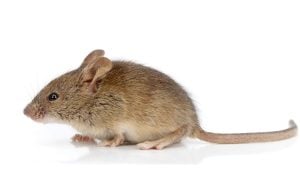
Mouse Droppings
Appearance
Mouse droppings are:
- Small, typically around 1/8 to 1/4 inch long
- Pellet-shaped with pointed ends, resembling small grains of rice
- Dark brown to black, depending on how fresh they are
Mice are prolific breeders, and their droppings are often plentiful, especially in areas they frequent. Fresh droppings tend to be soft and shiny, while older ones dry out and become brittle over time. Their presence is a strong indicator of recent or ongoing rodent activity.
Where to Look for Mouse Droppings
Mice prefer tight, dark, enclosed spaces where they feel safe. They often stay close to food and water sources. Common places to find droppings include:
- Kitchen cabinets, especially near food storage areas like pantries
- Behind appliances such as stoves, refrigerators, and dishwashers
- Under sinks and along plumbing pipes, where they might find water
- Basement corners, storage boxes, or piles of clutter
- Garages or attics, especially if there are nesting materials like cardboard or fabric nearby
In addition to droppings, you may also notice greasy smudge marks along narrow pathways or entry points where mice frequently travel, as well as gnawed packaging or structural damage.
Potential Health Risks
Mouse droppings pose serious health risks, as they can carry harmful pathogens like hantavirus, salmonella, and leptospirosis. These diseases can spread when droppings are disturbed, releasing particles into the air, or when food becomes contaminated. It’s essential to handle mouse droppings carefully and clean affected areas thoroughly to avoid exposure. Always wear gloves and a mask when cleaning rodent waste, and disinfect the area afterward to ensure safety.
Rat Droppings
Appearance
Rat droppings are:
- Larger than mouse droppings, measuring about 1/2 to 3/4 inch long
- Capsule-shaped with blunt or slightly tapered ends, resembling small pellets
- Typically dark brown or black, although this can vary depending on the rat's diet
Rats produce fewer droppings per visit compared to mice, but they tend to leave larger piles over time in areas they frequent. The size, color, and quantity of droppings can also help identify whether you’re dealing with rats or other rodents. Fresh droppings are softer and shinier, while older droppings become dry and crumbly.
Where to Look for Rat Droppings
Rat droppings are often found in places where rats seek food, shelter, or nesting materials. Common locations include:
- Garages, especially near stored items like cardboard boxes or gardening tools
- Attics and crawl spaces, often close to insulation or stored belongings
- Outdoor areas, such as woodpiles, compost heaps, or near garbage bins and pet food bowls
- Basement floors, along outer walls, or behind large appliances like refrigerators or water heaters
Rats are creatures of habit, often traveling along the same paths between their nests and food sources. These pathways, also known as "rat runs," are where you’re most likely to find droppings. Pay special attention to corners, dark spaces, and areas with signs of gnawing or grease marks from their bodies.
Potential Health Risks
Rat feces pose significant health risks to humans and pets. They can spread dangerous diseases, including:
Leptospirosis: A bacterial infection that can cause severe flu-like symptoms and, in some cases, kidney or liver damage
Hantavirus: A potentially fatal respiratory illness caused by inhaling dust contaminated with rat droppings or urine
Rat-Bite Fever: A bacterial infection that can result from contact with rat droppings, urine, or saliva
In addition to health concerns, rats' chewing habits can cause property damage. They are known to gnaw through insulation, wood, and even electrical wiring, which can lead to fires or costly repairs. Addressing a rat infestation promptly is essential to protect your home and health.
By knowing what to look for and understanding the risks, you can take proactive steps to identify and eliminate rat activity in your home or surroundings.
Squirrel Droppings
Appearance
Squirrel droppings are:
- Similar in shape to rat droppings but slightly smaller in size, making them easy to confuse at first glance
- Have rounder, more uniform shapes compared to the pointed ends of rat droppings
- Typically brown to light brown but may dry to a lighter, almost chalky appearance over time
Squirrels’ droppings are frequently mistaken for those of rats, but their droppings are often found in less obvious, harder-to-reach places. Unlike rats, squirrels tend to leave their droppings in areas they actively use for nesting or feeding.
Where to Look for Squirrel Droppings
Squirrels prefer to nest and spend time in higher spaces or secluded areas. If you suspect squirrel activity, investigate these spots:
- Attics: Check near insulation, as squirrels often use this material for nesting
- Tree branches: Look for droppings under branches overhanging your property or near areas where squirrels might climb
- Chimneys and vents: These are common entry points for squirrels seeking warmth or shelter
- Roofing areas: Droppings may accumulate near damages, holes, or openings that squirrels use to gain access
These areas often provide the quiet, elevated environments that squirrels prefer, making them prime spots for droppings or signs of nesting.
Potential Health Risks
Squirrel feces can carry harmful bacteria and diseases such as salmonella and leptospirosis, which can pose serious health risks to humans and pets. Prolonged exposure to squirrel droppings or contaminated surfaces may increase the likelihood of infection. Additionally, their nesting habits, such as gnawing on wires, insulation, and wooden structures, can lead to significant structural damage over time, raising both health and safety concerns.
If you notice squirrel droppings or signs of activity, it’s important to address the issue promptly to avoid potential health risks and property damage.
How to Spot Signs of Rodent Activity
Droppings are only one sign of a rodent problem. Be on the lookout for:
Gnaw Marks: Look for signs of chewing on wires, furniture, or food packaging. Rodents gnaw to sharpen their teeth and access food or shelter, making these marks a clear sign of their presence.
Nests: Rodents build nests using shredded materials like cardboard, insulation, paper, or fabric. These are usually hidden in dark areas like behind walls, under furniture, or in storage spaces.
Tracks: Look for small footprints or tail marks in dusty areas like basements, attics, or along walls. A flashlight or sprinkling flour can help reveal these signs.
Noises: Listen for scratching, squeaking, or scurrying in walls, ceilings, attics, or floors, especially at night when rodents are most active.
Odors: A strong musky or ammonia-like smell caused by rodent urine may indicate their presence.
7 TIPS for DIY Rodent Prevention and Removal
1. Seal Entry Points
Inspect your home for possible entry points, such as holes, cracks, or gaps in walls, doors, windows, and even around plumbing. Use caulk, steel wool, or wire mesh to seal these areas. This prevents pests like rodents or insects from sneaking in and making themselves at home.
2. Declutter
Pests love cluttered spaces that provide plenty of hiding spots. Clear out basements, attics, and storage areas of unnecessary items, especially cardboard boxes, which pests can chew through or use as nesting material. Organize and store items in sealed plastic bins for extra protection.
3. Clean Up
Safely clean and sanitize areas where pests have been spotted. Wear gloves and a mask while handling droppings, nests, or contaminated surfaces to avoid exposure to harmful bacteria. Dispose of waste in tightly sealed bags and use disinfectants to thoroughly clean the area, eliminating any lingering odors that may attract more pests.
4. Storing Food Properly
Store all food in tightly sealed containers to prevent pests from accessing it. This includes dry goods in pantries, pet food, and even fruits left out on counters. Proper storage reduces the chance of attracting insects and rodents.
5. Maintain Landscaping
Regularly trim tree branches, bushes, and other vegetation close to your home. Overgrown greenery provides easy access and shelter for pests, allowing them to find ways into your house. Keeping your yard tidy is a simple but effective way to deter unwanted visitors.
6. Inspecting Regularly
Conduct thorough and frequent inspections of attics, crawl spaces, basements, and exterior walls for any signs of pest activity. Look for cracks, holes, or droppings, and seal any gaps promptly to block entry points. Early detection can prevent larger infestations.
7. Trash Management
Dispose of garbage in secure, pest-proof bins with tightly fitting lids. Make sure trash is removed regularly to keep it from becoming a food source for pests. Clean bins frequently to eliminate odors that may attract insects or rodents.
Protect Your Property Today
Identifying rodent droppings is an important step toward safeguarding your home or business from pests. By understanding the difference between mice, rats, and squirrels, you can act swiftly to eliminate infestations and maintain a rodent-free environment.
Don’t battle rodents alone. Contact OMNIS Pest Control for expert assistance in preventing, addressing, and managing rodent infestations. With tailored solutions and professional-grade techniques, we’ll ensure your property remains pest-free.
Call OMNIS Pest Control Today!
Whether you’re in Castle Rock, Parker, or Colorado Springs, our local team is ready to help. Book a pest inspection now and reclaim your peace of mind.