
 Pantry Pests
 Pill Bugs
 Ants
Ants Spiders
 Bees
Bees Crickets
 Miller Moths
 Millipedes
 Wasps
Wasps Hornets
 Mice
Mice Voles
Voles Rats
Rats Bats
Bats Birds
Birds Gophers
 Mosquitos*
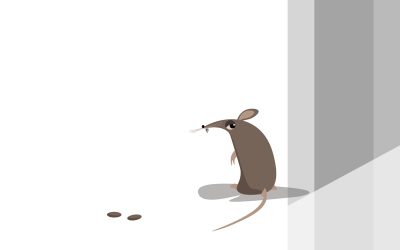 How to Identify Rodent Droppings
 Keep Pests Out of Your Kitchen
 Keep Ants Away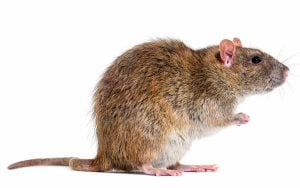
Rat Control
The 3:00 AM Wake-Up Call It usually starts with a sound. You’re lying in bed, the house is quiet, and then you hear it—a heavy scratching, scuttling noise directly above your head or inside the wall behind your nightstand. It’s louder than you expect, a sound that triggers a primal kind of anxiety.
Rats strike terror in the hearts of homeowners, and for good reason. It’s not just the fear of the animal itself; it’s the feeling of violation. Your home is your sanctuary, and suddenly, something dirty, destructive, and surprisingly intelligent has breached the perimeter.
If you are hearing these noises, or if you’ve walked into your garage to find a bag of birdseed shredded, or spotted the tell-tale greasy rub marks along your baseboards, you don’t have time to "wait and see." Rats are not houseguests that leave on their own. They are colonizers. And in Colorado—from the rural properties in Larkspur to the suburban neighborhoods of Highlands Ranch—they are a growing threat to property and health.
At OMNIS Pest Control, we don't just set a few traps and hope for the best. We are problem solvers. We investigate the why and the how of the infestation to ensure that when we get them out, they stay out.

The OMNIS Difference: 13+ Years of "Outsmarting" Rats
Rats are surprisingly intelligent—far smarter than the average mouse. In my 13+ years in this industry, I have seen rats outsmart cats, steal bait from snap traps without triggering them, and chew through concrete to get to a food source. You cannot fight biology with a "one-size-fits-all" approach.

When our technicians arrive at your home, they aren't just looking for a rat; they are looking for the story the rat has left behind.
We Know Colorado Rats
National chains often treat every rodent the same. But here in Castle Rock and Colorado Springs, we deal with specific local behaviors that require specialized tactics:

The Pack Rat (Wood Rat)
These hoarders are unique to our area. They will steal your car keys, shiny jewelry, or foil wrappers to decorate their nests. If you hear loud thumping in the attic, it’s often a Pack Rat dragging a heavy object across the drywall.

The Roof Rat
These acrobats enter through your roofline, using overhanging tree branches and power lines as a highway. They rarely touch the ground, meaning floor traps are useless against them.

The Sewer Rat (Norway Rat)
These brutes burrow under foundations and can even swim up through broken sewer lines. They are aggressive, large, and destructive.
Our Rat Control Process
Step 1: The "CSI-Style" Inspection
Most homeowners (and lazy exterminators) just look for droppings. That’s a mistake. Droppings tell you where a rat was, not where it entered.
When OMNIS inspects your home, we are looking for the subtle clues that others miss:
- Sebum Trails: Rats have incredibly oily fur. As they run along baseboards, pipes, or rafters, they leave behind dark, greasy smudge marks (sebum). We use these marks to map their "commuter highways."
- Urine Pillars: In long-standing infestations (especially in attics), urine combined with dirt and body hair can create small pillars or mounds. It’s gross, but it tells us exactly where they congregate and nest.
- The "Quarter" Test: A rat is an anatomical marvel; it can collapse its ribcage to squeeze through a hole the size of a quarter (about 1/2 inch). We inspect the areas you rarely look at: the corner of the garage door where the weatherstripping has rotted, the gap where the AC line enters the siding, and the roof returns where the soffit meets the shingles.
Expert Insight: "I once found a rat infestation in a pristine custom home where the owners swore everything was sealed. We found that the rats were climbing a trellis, walking along the gutter, and entering through a gap in the chimney flashing that was invisible from the ground. We found it because we got on the roof and looked."
Step 2: The Removal Strategy (Why DIY Fails)
We often get calls from clients who say, "I bought rat traps at the hardware store, but the rats ignore them."
This is due to a biological trait specific to rats called Neophobia—the fear of new things. Rats are naturally suspicious. If you throw a bright yellow glue trap in the middle of their runway, they will actively avoid it for days or weeks. Unlike curious mice, rats will starve themselves before approaching something they don't trust.
The Problem with Poisons
We also see homeowners turning to store-bought rodenticides (poison blocks) out of desperation. This is dangerous for two reasons:
- The "Wall Void" Nightmare: Store-bought poisons don't kill instantly. The rat feels sick, retreats to its safe nest (usually inside your wall or under your bathtub), and dies there. The smell of a decaying rat in a wall void is indescribable, and it can last for weeks.
- Safety Risks: Loose pellets or blocks can be dragged by rats into areas where dogs or toddlers can find them.
The OMNIS Method
We use a combination of mechanical trapping and secured baiting strategies that work with the rat's psychology, not against it.
- Pre-Baiting: We often introduce food without setting the trap first. This gains the rat's trust. Once they are comfortable feeding, we activate the device.
- Runway Targeting: We place traps in the shadows and along walls where rats feel safe traveling.
- Monitoring: We monitor activity weekly to adjust our strategy until the population is 100% eradicated.
Step 3: Exclusion (The Permanent Fix)
Catching the rat is only 50% of the job. If you don't seal the hole they came in through, a new family of rats will move in next week. Pheromones left by the old rats act like a "Vacancy" neon sign for new ones.
Our exclusion work is construction-grade. We don't just stuff some steel wool in a hole and call it a day.
- We use Copper Mesh: Unlike steel wool, copper doesn't rust and degrade over time.
- We use Hardware Cloth: For vents and crawlspace openings, we install heavy-gauge wire mesh that strong rat teeth cannot chew through.
- We Seal the "Invisible" Gaps: We seal the gaps around utility penetrations (gas, water, electric) and reinforce weak points in your siding.

Pet-Safe Rat Control: Our Top Priority
We know that for many of our clients, their dogs and cats are their children. The number one question we get is: "Is this safe for my pets?"
The answer is YES, but only because we follow strict protocols that DIYers often skip.
Tamper-Resistant Technology
We use commercial-grade, tamper-resistant bait stations. These are heavy-duty, locking boxes that require a key to open. A dog cannot chew through them, and a child cannot pry them open. The bait inside is secured on metal rods so rats cannot shake it loose and drag it out into the yard.
Strategic Placement
We think in three dimensions. We place control devices in areas that are biologically attractive to rats but physically inaccessible to pets:
- Deep inside crawlspaces behind locked access doors.
- In the rafters of attics.
- Behind heavy appliances or in wall voids.
Client Story: "I was terrified to call an exterminator because my Golden Retriever eats everything. The technician, Tyson, took twenty minutes just walking me through the yard, showing me exactly where he was placing the stations and explaining the locking mechanism. He didn't make me feel silly for asking; he made me feel safe." — Verified OMNIS Customer
The Hidden Danger: Your Crawlspace & Attic
If there is one area that keeps me up at night as a pest control expert, it's the crawlspace.
Your home behaves like a chimney; hot air rises and escapes through the attic, drawing new air up from the bottom—your crawlspace. Up to 40% of the air you breathe on the first floor of your home comes from the crawlspace.
If you have rats nesting in your crawlspace, you aren't just dealing with noise; you are breathing in:
- Particulates from dried rat feces (which can carry Hantavirus).
- Ammonia from urine-soaked soil.
- Fiberglass particles from shredded insulation.
We have seen crawlspaces where the vapor barrier is covered in droppings and the insulation hangs like wet rags because it is saturated with urine. OMNIS doesn't just kill the rats; we can help assess the damage and recommend a plan to sanitize and restore these critical areas so your family is breathing clean air again.

Preventing Future Rat Infestations: A Homeowner's Guide
While OMNIS handles the heavy lifting, preventing rats is a partnership. Rats need three things to survive: Food, Water, and Shelter. If you remove these, your home becomes a lot less attractive.

1. Landscaping & The "Xeriscaping" Trap
In Colorado, many of us use rock landscaping (xeriscaping). While it saves water, it provides excellent harborage for rats if not managed.
The Tip: Keep vegetation trimmed back at least 2 feet from the foundation. Don't let juniper bushes grow dense against your siding; they act as a "ladder" for Roof Rats to access your eaves.

2. The Bird Feeder Dilemma
We love watching birds, but bird feeders are essentially "All-You-Can-Eat Buffets" for rats. Rats are agile climbers and will scale shepherd's hooks to get to the seed.
The Tip: If you have an active infestation, stop feeding the birds immediately. Once the rats are gone, use high-quality feeders that catch spilled seed, and sweep up fallen husks daily.

3. Water Management
Rats can survive a long time without food, but they need water daily.
The Tip: Check your outdoor spigots for slow leaks. Ensure your downspouts divert water at least 5 feet away from the foundation. A damp crawlspace is a rat paradise.
WHY Choose OMNIS Pest Control
We are a family-owned business, not a franchise. We live in these neighborhoods—in Castle Rock, in Parker, in Monument. When you call us, you aren't getting a call center in another state; you're getting a neighbor who knows that it’s "Pack Rat Season" in the foothills or "Roof Rat Season" in the suburbs.
Don’t let rats destroy your home or threaten your health.
Rats reproduce rapidly. A small problem today is a colony tomorrow. Call OMNIS Pest Control for a comprehensive inspection and get your peace of mind back.

More Pest Protection.
More Peace of Mind.