
 Pantry Pests
 Pill Bugs
 Ants
Ants Spiders
 Bees
Bees Crickets
 Miller Moths
 Millipedes
 Wasps
Wasps Hornets
 Mice
Mice Voles
Voles Rats
Rats Bats
Bats Birds
Birds Gophers
 Mosquitos*
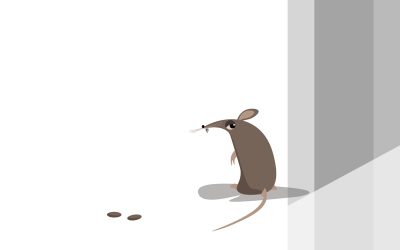 How to Identify Rodent Droppings
 Keep Pests Out of Your Kitchen
 Keep Ants Away
PEST LIBRARY
About Mosquitoes
Biology, behavior, and the species you actually need to worry about along the Colorado Front Range.
FIELD NOTES
Mosquitoes by the Numbers
If you have lived through a Colorado summer, you have met some of these stats in person.
Distinct mosquito species documented across Colorado, with around six accounting for nearly all bites.
Full life cycle in summer heat. One puddle becomes a biting swarm within a week.
Aedes vexans can travel up to 10 miles from where it hatched in search of a blood meal.
A single blood meal can support 100 to 300 viable eggs. One female, thousands of descendants.

ANATOMY
The Biology of Mosquitoes
Every mosquito body part is built for one thing: finding a blood meal. The proboscis is six precision tools bundled into a single needle. The wings beat 300 to 600 times per second. The antennae can pick up your exhaled CO² from 50 feet away.
The Head
Proboscis with six stylets, compound eyes for shadow detection, and feathered antennae that lock onto CO² and scent.
The Thorax
Houses the flight muscles. Wings beat 300 to 600 times per second, producing that signature whine.
The Abdomen
Where blood is digested and eggs develop. A blood meal can swell the abdomen to several times normal size.
Sensory Range
CO² at 50 feet, heat at close range, lactic acid and skin chemistry at point-blank distance.
THE FEATURE
The Mosquito Life Cycle
Four stages from egg to biting adult. Understand the cycle and you understand why controlling the larvae matters more than swatting the adults.
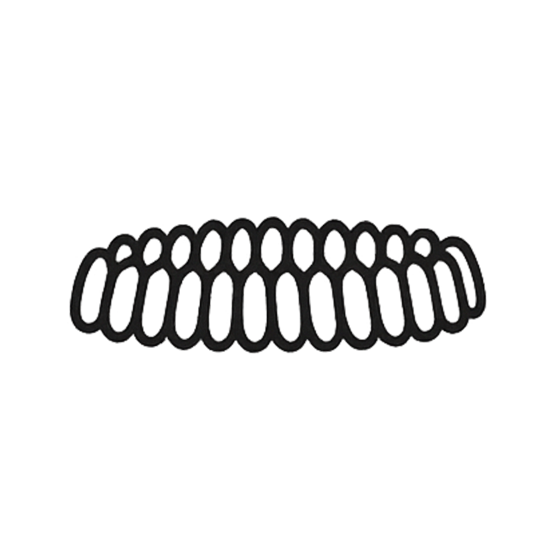
Egg
Laid on water or damp soil. Aedes eggs can stay dormant for months and hatch the moment rain arrives.
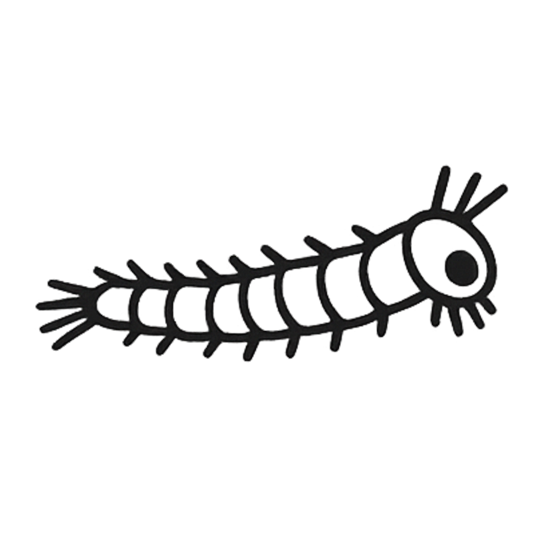
Larva
"Wigglers" feed on algae and surface organic matter. Most vulnerable stage. Biological larvicides kill them here.

Pupa
"Tumblers" do not feed. The adult body forms inside. Mobile and responsive to disturbance.
Adult
Mates within 48 hours of emergence. Females take blood meals and can lay 3–5 batches of eggs over their lifespan.
PROPERTY DRIVERS
What Attracts Mosquitoes
Mosquitoes do not pick a property at random. These are the four factors that turn a normal yard into a mosquito magnet.

Carbon Dioxide
Detected from 50 feet away. You exhale a beacon every breath. No practical way to mask the signal.

Standing Water
A bottle cap is enough to breed in. Clogged gutters, birdbaths, tarps, saucers. 3+ days holding water = hatchery.

Body Heat
Once close, mosquitoes lock onto warm objects against cooler backgrounds. You glow in their world.

Dense Vegetation
Mosquitoes don't live in the open air. They rest in shaded vegetation between feeds. Overgrown landscape = harborage.
FIELD GUIDE
Colorado Mosquito Species That Matter
Of the 40+ species in Colorado, four account for nearly every bite you'll experience along the Front Range. Here's who to know.

Western Encephalitis Mosquito
The most epidemiologically important mosquito in Colorado. Primary West Nile and Western Equine Encephalitis vector. Pale brown with white-banded legs. Peak activity mid-June through August.
Northern House Mosquito
The mosquito most likely biting you indoors. Adapted to urban Denver metro neighborhoods. Breeds in stagnant water: storm drains, dirty pools, blocked gutters. Rests indoors during the day.
Inland Floodwater Mosquito
Responsible for most summer nuisance biting on the Front Range. Eggs lay dormant for months, hatch in mass after rainstorms. Can travel 10 miles from breeding sites. Aggressive daytime biter.
Tiger & Yellow Fever Mosquitoes
Known vectors for Zika, dengue, and chikungunya in tropical regions. Range expanding northward into Colorado. Container-breeding species. Aggressive daytime biters. Watch as climate shifts.

Mosquitoes Carry West Nile in Colorado Every Summer
Mosquitoes earn a high threat rating not because their bites are dangerous in isolation, but because of their unmatched role as disease vectors. The Tri-County Health Department reports confirmed West Nile cases along the Front Range almost every summer, and most years Douglas County is on the list.
For households with young children, elderly family members, or anyone immunocompromised, mosquito control crosses from nuisance management into preventive health care.
FREQUENTLY ASKED
Why Mosquito Problems Keep Coming Back
Homeowners who treat their property and still see mosquito pressure are not imagining it. These are the five reasons it happens.
1. Breeding sites were missed
The single most common reason. Adults were treated but the larvae continue to emerge from sources that were not identified. Common overlooked sites: corrugated drain pipes at low points, tarps with folds, neglected rain barrels, neighboring properties, and forgotten kid toys behind sheds.
2. Off-property pressure is real
Some mosquitoes (especially Aedes vexans) can travel up to 10 miles from where they hatched. If you live near a wetland, irrigation ditch, retention pond, or any large persistent water source, significant mosquito pressure can enter your property from outside despite excellent on-property control.
3. Vegetation provides cover
Even with breeding sites eliminated, mosquitoes that fly in from elsewhere need somewhere to rest. Overgrown landscaping, ivy-covered walls, dense ground cover, and the undersides of decks all serve as resting habitat. Trimming back vegetation makes barrier treatments significantly more effective.
4. Seasonal hatch cycles surprise you
Mosquito populations are not constant. A heavy rainstorm can trigger a sudden hatch of Aedes vexans eggs dormant for weeks. Late summer heat accelerates Culex breeding. A treatment that worked in June may need supplementing in late July. This is why scheduled service beats one-off treatments.
5. Treatment timing was off
Barrier treatments are most effective when applied just before peak activity, with reapplication every 3-4 weeks. A treatment applied after a population is already established has to work harder than one applied preemptively. Heavy rain within 24 hours of application also reduces residual effectiveness.
GET STARTED
At OMNIS, we go above and beyond to keep your home or business pest-free.
We are your neighbors. We know the pests you are dealing with because we have dealt with them too. We stay up to date on current ever-evolving pest control techniques and products.
Targeted Mosquito Inspections
Our crew has treated mosquito problems on every kind of property the Castle Rock area has to offer. Get a free assessment, written entry-point list, and a treatment plan that fits your property.
Expert Mosquito Control in Castle Rock
Understanding Colorado's mosquitoes helps you know which species drive your bites, which carry disease, and which conditions on your property are working against you. When mosquito pressure has made your backyard unusable or you live near water that won't stop producing them, OMNIS Pest Control is here to help.
We've served Castle Rock, Parker, and Douglas County for over 13 years, solving mosquito problems on hundreds of properties. Our technicians locate breeding sites, treat resting vegetation, install In2Care stations where the conditions warrant, and build a seasonal plan that keeps the pressure down through October.
Call 720-583-4126 or contact us online to schedule your mosquito inspection.
More Pest Protection.
More Peace of Mind.