
 Pantry Pests
 Pill Bugs
 Ants
Ants Spiders
 Bees
Bees Crickets
 Miller Moths
 Millipedes
 Wasps
Wasps Hornets
 Mice
Mice Voles
Voles Rats
Rats Bats
Bats Birds
Birds Gophers
 Mosquitos*
 How to Identify Rodent Droppings
 Keep Pests Out of Your Kitchen
 Keep Ants Away
7 Plants That Keep Pests Away
Plants not only add beauty to our homes and gardens but also serve a practical purpose by keeping pests at bay. With these 7 plants that keep pests away, you can naturally repel insects and enjoy an effective, eco-friendly alternative to chemical pesticides.
1. Lavender Keeps Pests at Bay
Lavender is more than just a calming scent—it’s your natural ally in keeping pests at bay. Its soothing fragrance not only helps you unwind, but also deters moths, fleas, flies, and mosquitoes. Whether in your garden or an indoor pot, lavender is a beautiful and practical addition.
Keep Moths at bay
Lavender is a great natural solution to protect your clothes and linens from moths. Place dried lavender sachets in your closets or drawers to keep these fabric-destroying pests away.
keep Fleas at bay
If you have pets, lavender can help keep fleas off them and out of your home. Use lavender essential oil diluted in water as a natural spray around your home or in your pet’s bedding (be sure to consult your vet before using on pets directly).
keep Mosquitoes at bay
Lavender’s delightful aroma is something mosquitoes can’t stand. Plant it near outdoor seating areas or use lavender-infused candles to repel these pesky insects while adding a relaxing fragrance to your space.

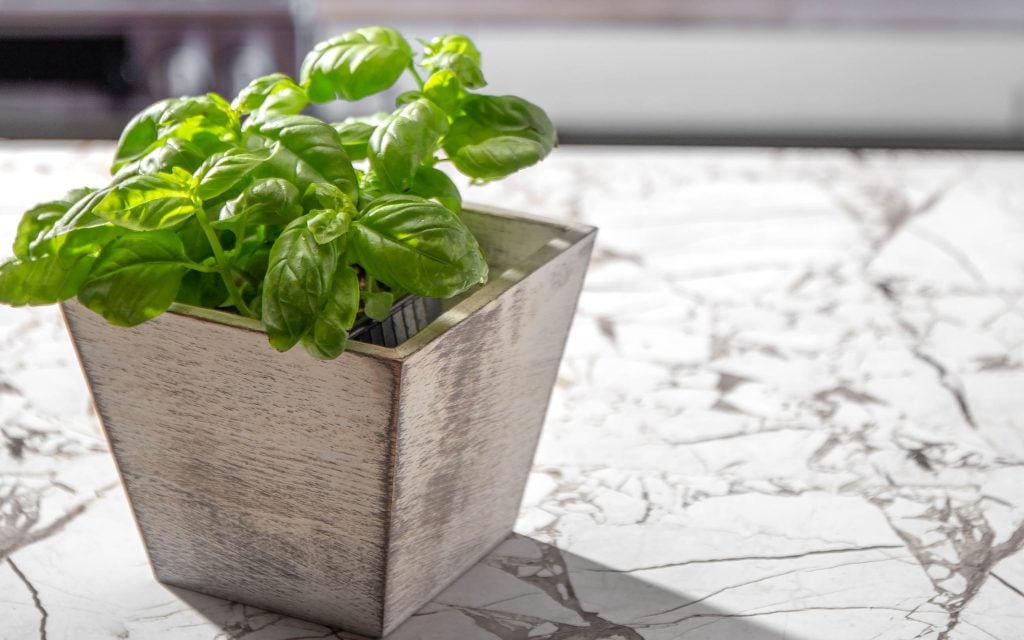
2. Basil repels pests
Basil isn’t just for flavoring your favorite dishes—it’s also a powerful herb that repels pests like flies, mosquitoes, and aphids. Its natural compounds, like eugenol, make it a great insect deterrent. Plant it in a sunny spot with well-drained soil, and you’ll have a fragrant, practical ally for your kitchen and garden. Whether protecting your plants or enjoying a pest-free evening, basil has you covered.
repel Flies
Basil’s strong, aromatic scent acts as a natural deterrent for flies, confusing their sense of smell and keeping them away from your home. Planting basil near windows, doors, or in your kitchen can help create a fly-free zone, making it a simple and effective solution for a common household nuisance.
reply Mosquitoes
Basil contains eugenol, a compound known for its mosquito-repelling properties. By planting basil in pots around outdoor seating areas or rubbing the leaves directly on your skin, you can reduce mosquito activity and enjoy your time outside without constant buzzing or bites.
repel Aphids
These tiny sap-sucking insects can wreak havoc on your garden plants, but basil can help protect them. The natural chemicals in basil act as a repellent for aphids, making it an excellent companion plant for vegetables and flowers. Plant basil nearby to safeguard your greenery while also enjoying its culinary benefits.
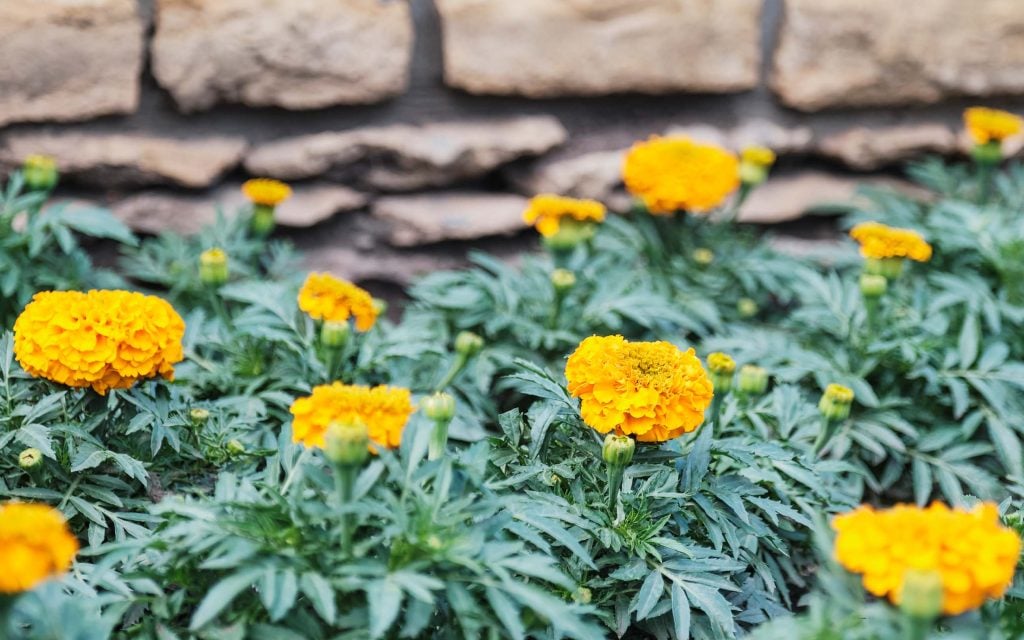
3. Marigold help fight bugs
Marigolds bring vibrant charm and a burst of color to your garden, all while providing natural protection for your plants. These hardy, cheerful flowers do more than just brighten up your outdoor space—they act as a natural pest repellent. Their distinctive scent helps keep mosquitoes, aphids, and whiteflies at bay, making them an ideal choice for gardeners looking for a decorative yet functional addition to their garden.
fight off Mosquitoes
The strong, earthy fragrance of marigolds is known to deter mosquitoes, helping to create a more enjoyable outdoor space. Plant them near seating areas or entryways for added protection.
fight off Aphids
Marigolds are especially effective in repelling aphids, tiny insects that can wreak havoc on your plants. By planting marigolds near vegetables or flowers prone to aphid infestations, you can help safeguard your crops naturally.
fight off Whiteflies
These pesky, sap-sucking insects can be a gardener’s nightmare, but marigolds work as a strong deterrent. Surrounding vulnerable plants with marigolds can reduce whitefly populations and keep your garden healthy.
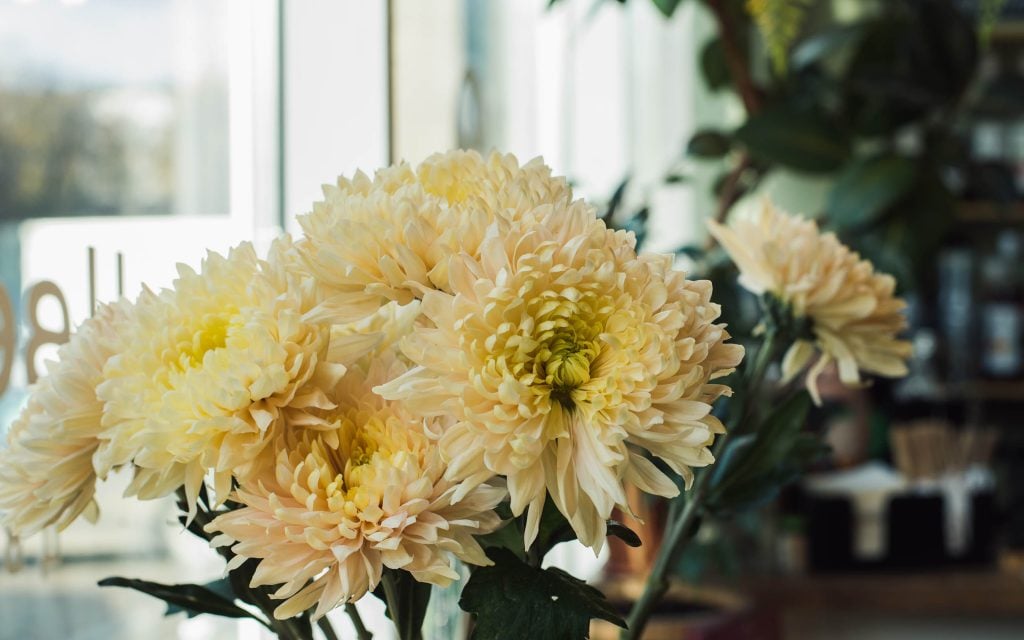
4. Chrysanthemums repulse cockroaches, ants, and beetles
Chrysanthemums are not just beautiful flowers; they’re also powerful natural pest repellents. These blooms contain pyrethrum, a natural compound that has been used for centuries to keep unwanted insects at bay. Whether you’re dealing with cockroaches, ants, or beetles, chrysanthemums offer a safe and effective way to protect your space from pests while adding vibrant color to your home or garden.
repulse Cockroaches
Cockroaches are notorious for being hard to eliminate, but chrysanthemums help deter them naturally with their pyrethrum content.
repulse Ants
Ants can quickly invade your space, but chrysanthemums act as a natural barrier to keep them away without harsh chemicals.
repulse Beetles
Beetles can damage plants and homes, but the presence of chrysanthemums helps prevent them from becoming a problem.
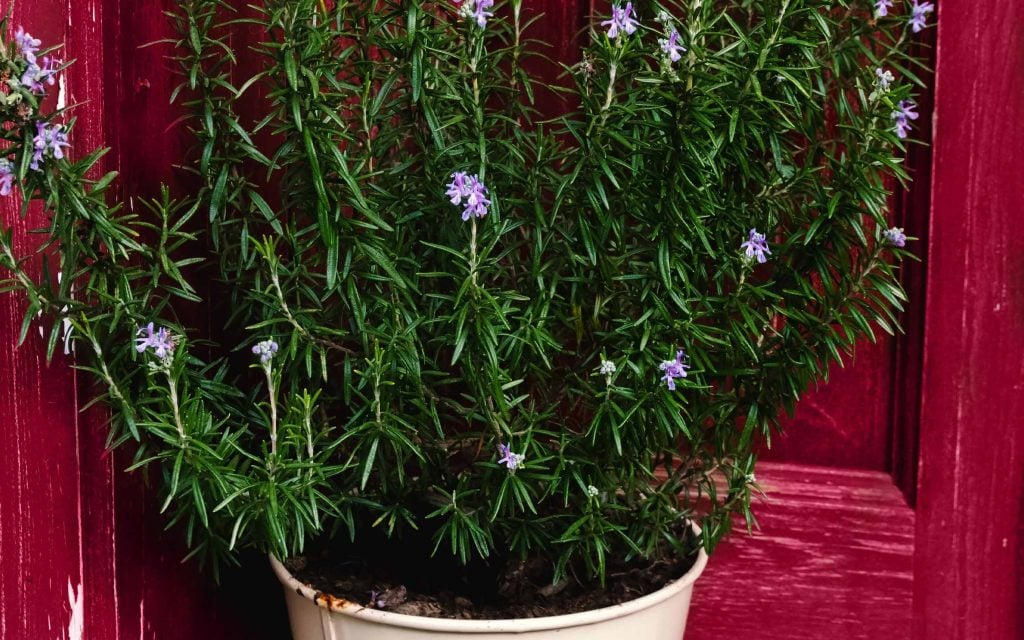
5. Rosemary beats flying pests
Rosemary is the herb that does it all. Its pine-like scent adds a refreshing aroma to your space and naturally repels pests like mosquitoes, flies, and moths.
Perfect for your garden or patio, it helps you enjoy the outdoors pest-free. Rosemary’s fresh sprigs are also a versatile ingredient, enhancing dishes from roasted vegetables to savory meats. A practical, multi-purpose plant that’s delightful to have around!
beat Mosquitoes
Keep mosquitoes at bay with rosemary’s natural oils, which act as a powerful deterrent. Perfect for summer evenings spent outdoors.
beat Flies
Tired of flies buzzing around? Rosemary can help keep them away, giving you a more pleasant and peaceful environment.
beat Moths
Protect your clothes and pantry from moths by placing dried rosemary in sachets. A fragrant and eco-friendly solution!
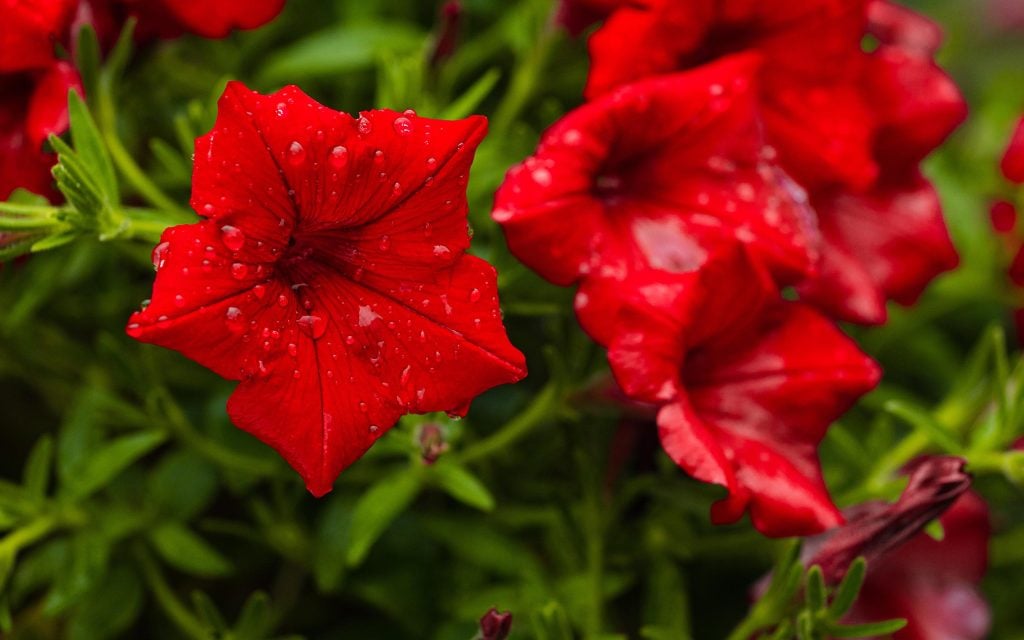
6. Petunias ward off bugs
Petunias add vibrant color to your garden while protecting your plants. They release compounds that repel pests like aphids, squash bugs, and tomato hornworms. Planting them near vegetables creates a natural pest shield.
Petunias also attract helpful insects like ladybugs and lacewings, which prey on pests and promote a healthy garden. They’re the perfect companion for tomatoes, peppers, and other staples, combining beauty and practicality to boost your garden’s health.
ward off Aphids
Aphids are tiny insects that feed on plant sap, weakening your plants. Petunias help keep them at bay naturally.
ward off Squash Bugs
Squash bugs are a common menace to squash, pumpkins, and cucumbers. Petunias can act as a deterrent to these destructive pests.
ward off Tomato Hornworms
Tomato hornworms, known for devouring tomato plants, are another pest that petunias help repel, protecting your crops efficiently.
7. Sunflowers frustrate
Sunflowers do more than just brighten up your outdoor space—they actively protect and support your garden. Their strong scent acts as a natural deterrent, keeping pests like aphids, caterpillars, and even grasshoppers at bay. These cheerful blooms also serve a practical purpose with their tall stalks providing shade for sun-sensitive plants, helping to maintain a balanced garden ecosystem. In addition to their pest-repelling qualities, sunflowers attract pollinators like bees and butterflies, further benefiting your plants. Functional and beautiful, it’s no wonder they’re a garden favorite.
anger Aphids
Sunflowers can repel aphids, which are known to damage plant leaves by feeding on their sap.
make Caterpillars mad
The scent of sunflowers can help keep caterpillars from munching on your garden plants.
enfuriate Grasshoppers
Grasshoppers, another garden pest, are discouraged from hanging around thanks to sunflowers’ natural defense properties.

Naturally Repel Pests and Beautify Your Space
These seven plants provide a natural, eco-friendly way to keep pests at bay. Adding these vibrant, pest-repelling plants to your indoor or outdoor spaces not only elevates their aesthetic appeal but also helps maintain a bug-free environment—without the annoyance of dried leaves. Start growing them today and see the difference for yourself!