
 Pantry Pests
 Pill Bugs
 Ants
Ants Spiders
 Bees
Bees Crickets
 Miller Moths
 Millipedes
 Wasps
Wasps Hornets
 Mice
Mice Voles
Voles Rats
Rats Bats
Bats Birds
Birds Gophers
 Mosquitos*
 How to Identify Rodent Droppings
 Keep Pests Out of Your Kitchen
 Keep Ants Away
Navigating Mouse Nests Inside and Out
Discovering mouse nests inside or out in the yard can be an unsettling experience. Navigating mouse nests inside and out can be challenging, as mice are resourceful creatures, often finding their way into cozy spots that offer warmth and protection.
Understanding how to identify, manage, and prevent mouse nests is crucial to maintaining a safe and comfortable environment. In this guide, we'll explore effective strategies for dealing with mouse nests both inside and outside your home, helping you keep these unwelcome guests at bay.
Understanding Why Mice Nest Indoors vs. Outdoors
Mice are small, adaptable creatures that can thrive just about anywhere. But why do they choose to nest indoors versus outdoors? Indoors, they find warmth, food, and safety from predators. Outdoors, they have room to roam and access to nature's offerings. Understanding these preferences is the first step in effectively managing infestations.
Indoors, mice are often driven by survival instincts to find safe and warm environments, making homes an ideal spot. Factors such as easy access to food and shelter play a significant role. Outdoors, the availability of natural resources allows them to build nests with less competition.
To effectively manage mice, it's crucial to recognize the signs of their presence in both settings. Being aware of their behavior helps you take preventive measures and protect your property from the damage they can cause.

Identifying Outdoor Mouse Nests
Outdoors, mice often nest in burrows, under debris, or within dense vegetation. Look for small holes in the ground or piles of leaves that seem undisturbed. These can be tell-tale signs of a mouse nest.
Mice are drawn to outdoor environments that provide natural cover and food sources. Keeping your garden tidy and removing clutter can discourage them from settling. Also, be mindful of bird feeders, compost bins, and pet food left outside.
Preventing outdoor nests can be challenging, but regular maintenance and monitoring can help. Consider using deterrents or natural predators, such as cats, to keep the mouse population in check.
Detecting Mouse Nests Indoors
To spot a mouse nest indoors, look for common signs such as droppings, gnaw marks, and nesting materials like shredded paper. You might also hear scratching noises at night, especially in walls or ceilings.
Mice prefer secluded, dark areas like attics, basements, or behind large appliances. Regular inspections of these areas can help you detect nests early. It's also important to note that mice reproduce quickly, so timely intervention is essential.
Addressing indoor nests involves sealing entry points and making the environment less hospitable for mice. Using traps and consulting pest control professionals can also be effective strategies for eradication.
The Health Risks Associated with Mouse Infestations
Mice are more than just a nuisance; they pose serious health risks. They can carry diseases such as Hantavirus and Salmonella, which can be transmitted to humans through direct contact or contaminated surfaces.
Their droppings and urine can trigger allergies and asthma, especially in children. Chewing on wires can lead to electrical fires, posing a safety hazard. It's crucial to address infestations promptly to prevent these risks.
Maintaining cleanliness, proper food storage and regular inspections can reduce the likelihood of a mouse infestation. Professional pest control services can provide effective solutions for managing health risks.
The Importance of Regular Inspections for Early Detection
Regular inspections are key to early detection and prevention of mouse infestations. Check both indoor and outdoor areas for signs of mice and nests frequently.
Look for droppings, gnaw marks, and other indicators of mouse activity. Pay special attention to areas with food sources, as these are likely hotspots for mice.
By identifying infestations early, you can take prompt action to prevent further damage and health risks. Regular inspections are an essential part of maintaining a mouse-free environment.
Effective Methods for Managing Indoor Mouse Nests
Managing indoor mouse nests requires a combination of prevention and elimination strategies. Start by sealing entry points, such as cracks and holes, to prevent mice from entering your home.
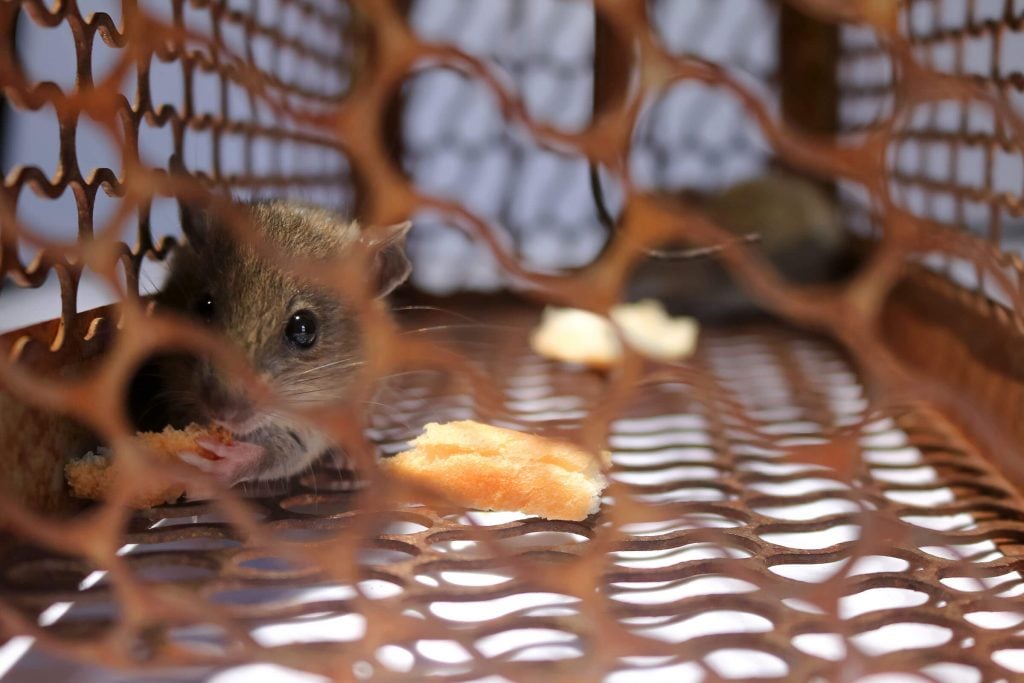
Use traps strategically in areas where mice are active. Snap traps and live traps are effective options. Remember to handle traps safely and check them regularly.
For severe infestations, consider hiring a professional pest control service. They can provide targeted solutions and ensure the thorough eradication of mice from your property.
Outdoor Management Techniques for Mouse Control
Preventing mouse nests outdoors involves maintaining a tidy yard and reducing potential nesting sites. Regularly mow your lawn and trim bushes to eliminate hiding spots.
Store firewood and other materials away from the ground to prevent mice from nesting underneath. Consider installing fences or barriers around your garden to deter entry.
Using natural repellents, such as peppermint oil, can also help keep mice away. Combining these methods with regular inspections can significantly reduce the risk of outdoor infestations.

Professional Pest Control Services for Severe Infestations
For severe infestations, professional pest control services offer effective solutions. They have the expertise to identify the extent of the problem and implement targeted treatments.
Pest control professionals use a variety of methods, including traps, baits, and exclusion techniques, to eliminate mice from your property. They also provide guidance on preventative measures to avoid future infestations.
Choosing a reputable pest control service ensures the safe and efficient removal of mice, giving you peace of mind and a healthier living environment.

Long-Term Prevention Strategies for a Mouse-Free Environment
To maintain a mouse-free environment, it's important to implement long-term prevention strategies. Continue regular inspections and maintain a clean living space to deter mice from returning.
Use sealants and barriers to close off potential entry points. Store food in airtight containers and keep garbage bins secure to eliminate food sources.
Educate yourself and your family on the signs of mouse activity and the importance of early intervention. By staying vigilant, you can enjoy a home free of unwanted pests.
Contact OMNIS Pest Control for Effective Mouse Management
If you suspect a mouse infestation in your home or outdoor space, don't hesitate to contact OMNIS Pest Control. Our team of experts offers comprehensive pest control services, including targeted solutions for mouse nests.
We can help you identify entry points and provide effective strategies for prevention and elimination. Don't let mice take over your property - trust OMNIS Pest Control for reliable, long-term results. Contact us today to schedule an inspection and protect your home from unwanted pests.