
 Pantry Pests
 Pill Bugs
 Ants
Ants Spiders
 Bees
Bees Crickets
 Miller Moths
 Millipedes
 Wasps
Wasps Hornets
 Mice
Mice Voles
Voles Rats
Rats Bats
Bats Birds
Birds Gophers
 Mosquitos*
 How to Identify Rodent Droppings
 Keep Pests Out of Your Kitchen
 Keep Ants Away
About Mice in Colorado
Know Your Enemy
Colorado is home to several species of mice, including the house mouse, deer mouse, and grasshopper mouse. Understanding the different types of mice, their biology, behavior, and the threats they pose is essential for effective pest management.
I'm Bryce, owner of OMNIS Pest Control, and after 13+ years of protecting Colorado homes from mouse infestations in Castle Rock, Parker, and throughout the Front Range, I've seen firsthand how these tiny invaders can cause significant damage and pose serious health risks to families.
Each species has unique characteristics, behaviors, and threat levels. Whether you're dealing with the common house mouse, the hantavirus-carrying deer mouse, or the predatory grasshopper mouse, knowing what you're up against is the first step toward effective control and prevention.

Types of Mice Found in Colorado
Understanding the different species of mice in Colorado helps you identify what you're dealing with and choose the most effective control methods. Each species has distinct physical characteristics, behaviors, and threat levels that require specific approaches to management and prevention.

House Mouse
The house mouse (Mus musculus) is the most common mouse species in Colorado homes. These small rodents are typically gray or light brown with large ears and a long tail. High reproductive rate makes them particularly challenging to control.

Deer Mouse
Deer mice are slightly larger than house mice and are characterized by their white underbellies and feet. They are known carriers of hantavirus, which can pose serious health risks to humans.

Grasshopper Mouse
The grasshopper mouse is unique among Colorado mice due to its predatory nature. It feeds on insects and other small animals, and can be identified by its robust body and short tail.

House Mouse (Mus musculus)
Pest Threat Level: 9/10
Why This Threat Level: House mice are one of the most common and problematic pests found in homes. Their high reproductive rate, ability to enter through tiny openings, and potential to spread diseases make them a serious threat to Colorado properties.



Identification & Appearance
House mice are small rodents, usually gray or brown in color, with large ears relative to their head size. Unlike deer mice, house mice have solid-colored bodies without the distinctive white underbelly. Adult house mice typically measure 2.5 to 3.5 inches in body length, with tails adding another 2.5 to 4 inches. Their small size allows them to squeeze through openings as small as a dime, making them much different from rats and other larger rodents.
Biology & Behavior
House mice are nocturnal creatures that prefer to stay hidden during the day, seeking shelter in dark, quiet places. They are most active at night when they forage for food and explore their surroundings, utilizing their keen sense of smell and hearing to navigate and avoid predators.
Habitat Preferences
House mice live up to their name by preferring indoor environments. They seek shelter in walls, attics, basements, garages, and other protected areas within structures. They're particularly attracted to areas near food sources and will establish nests in hidden, undisturbed locations using shredded paper, fabric, and insulation.
Reproduction & Lifecycle
The reproductive rate of house mice is one reason they become such significant pests. A single female can produce 5-10 litters per year, with 5-6 pups per litter. Young mice reach sexual maturity in just 6 weeks, meaning populations can explode rapidly if left unchecked. They have an average lifespan of 1-2 years in the wild.

Deer Mouse (Peromyscus maniculatus)
Pest Threat Level: 8/10
Why This Threat Level: Deer mice pose significant health risks as known carriers of hantavirus. While less common indoors than house mice, their potential to transmit serious diseases makes them a substantial threat, especially in rural Colorado areas.


Identification & Appearance
Deer mice are small, round, and slender, with bodies ranging from 7 cm to 10 cm in length. Their heads are large, and they have black, beady eyes. Their ears are also large, with minimal fur coverage. The most distinctive feature is their bi-colored appearance: light brownish-red fur on top with a sharp contrast to their white underbelly and feet. The tail is one of the more distinct features, with long, bi-colored tails ranging from 5 cm to 13 cm in length.
Biology & Behavior
More than 53 species of small rodents fall into the category of "deer mouse." The name comes from their coloring - the brownish-red fur with white underbelly strongly resembles a deer's coat. Deer mice are remarkably capable creatures. They can climb and swim long distances, and can jump up to 18 inches into the air, making them adept at navigating various terrains.
Habitat Preferences
Unlike house mice, deer mice generally prefer outdoor environments. They're far more likely to be found in tree holes, hollow logs, and under piles of branches than inside homes. They commonly inhabit wooded and grassy areas, like large fields or forests. These field mice prefer outdoor environments but will enter homes when temperatures drop. However, mouse infestations in homes are still very possible, especially during cold Colorado months when they seek warmth and shelter.
Reproduction & Lifecycle
Deer mice reach sexual maturity at 5-6 weeks of age. Females can produce 2-4 litters per year with 3-5 pups per litter. They have a similar lifespan to house mice, typically living 1-2 years in the wild. However, their outdoor lifestyle and exposure to predators often results in shorter actual lifespans.
Deer Mice vs. House Mice
Deer mice can be easily confused with house mice because both species have relatively similar sizes. However, even to an untrained eye, the color difference is noticeable. Deer mice have brownish-red fur and white bellies, while house mice are solid brown or gray. Another common difference is food storage behavior - deer mice will hoard stolen crumbs, while house mice are less likely to do this. It's also important not to confuse mice with voles, which are a different species entirely.

Grasshopper Mouse (Onychomys leucogaster)
Pest Threat Level: 6/10
Why This Threat Level: Grasshopper mice are ferocious with quite the appetite. They can be helpful to farmers by consuming large volumes of insects and rodents that destroy crops. However, with a grasshopper mouse infestation or low crop availability, these critters can become more burdensome than helpful, eating the very crops they usually defend once their prey becomes scarce.
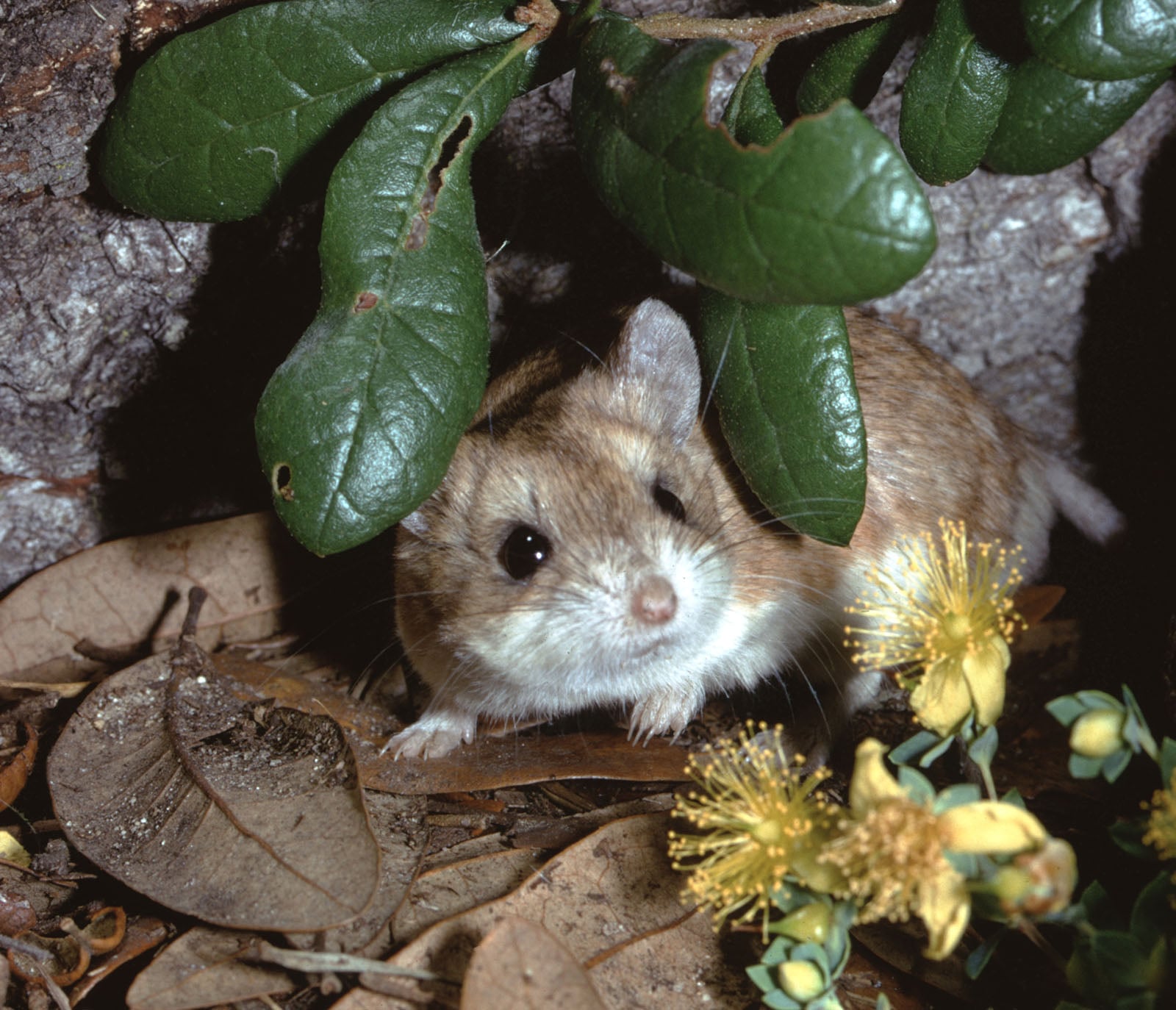

Identification & Appearance
Grasshopper mice are stout-bodied critters that weigh just under two ounces and have a body length of just over five inches. They have a short tail and a dense yet silky coat. Unlike other mice, their robust bodies and short tails make them easily distinguishable from the longer, more slender house and deer mice. They typically have gray-brown fur with a lighter underside.
Biology & Behavior
The grasshopper mouse is unique among Colorado mouse species due to its predatory nature. These little critters feast on seeds and insects, especially grasshoppers, crickets, beetles, and scorpions. They also seek out, kill, and eat other tiny rodents, including kangaroo rats, voles, and white-footed mice. With immunity to the sting of an Arizona bark scorpion, grasshopper mice have high pain tolerance and are formidable predators. They're also known for their distinctive howl that sounds like a quieter version of a coyote howl.
Habitat Preferences
Grasshopper mice are often found with prairie dogs, kangaroo rats, and pocket mice in Colorado's shortgrass prairies and desert scrub environments. They're more common in arid regions of Colorado and typically avoid dense human populations. They prefer open, dry habitats and are rarely found inside homes unless seeking shelter during extreme weather.
Reproduction & Lifecycle
Though these mice reach sexual maturity at about three months of age, they have relatively short lifespans, living only a few weeks to a few months. Their population density is low, making them strongly territorial, highly aggressive, and greedy. This short lifecycle, combined with their territorial nature and aggressive behavior, keeps their population densities naturally low compared to house and deer mice.
The Dangers of Mouse Infestations
Mouse infestations pose multiple threats to Colorado homes and businesses. Understanding the ways mice are dangerous is crucial for protecting your property and family. Understanding these dangers helps you recognize why prompt, professional control is essential for protecting your property and family.
Property Damage
Mice can chew through wires, insulation, and even structural elements, leading to costly repairs. Their constant gnawing is driven by the need to keep their continuously growing front teeth at a manageable length. I've seen cases in Castle Rock where mice chewed through electrical wiring in attics, creating fire hazards that required thousands of dollars in repairs. They'll also damage food packaging, contaminate stored items, and destroy insulation that costs homeowners both in replacement and increased energy bills.
Health Risks
Mice are known carriers of various diseases that pose serious health risks to your family. House mice can transmit Salmonella through their droppings, while deer mice are notorious carriers of hantavirus - a potentially fatal respiratory disease. Even without direct contact, mouse droppings, urine, and nesting materials can trigger allergic reactions and asthma symptoms, especially in children. The risks increase dramatically when droppings accumulate in ventilation systems, spreading contaminated air throughout your home.
Food Contamination
Mice leave behind small black droppings, each about ¼ inch long, near food sources or along their travel paths. These droppings contaminate surfaces and food storage areas, creating unsanitary conditions. Mice are also known to urinate while they travel, leaving a trail of contamination wherever they go. Once food packaging is compromised, the entire product must be discarded, leading to waste and additional costs.
Rapid Population Growth
Mice have a high reproductive rate and can quickly establish large populations if left unchecked. A single female house mouse can produce 5-10 litters per year, with 5-6 pups per litter. This means a small problem can become a major infestation in just a few months. In my experience treating homes in Parker and Highlands Ranch, I've seen initial populations of just a few mice explode to dozens within a single season when left unaddressed.

Signs of a Mouse Infestation
Early detection is crucial for effective mouse control. The sooner you identify an infestation, the easier and less costly it will be to eliminate. Wondering if you have mice in your house? Here are the key signs our OMNIS technicians look for when inspecting Colorado homes:

Mouse Droppings
Small black droppings, each about ¼ inch long, near food sources or along travel paths. These are typically found in kitchen cabinets, pantry shelves, under sinks, and along baseboards.

Gnaw and Grease Marks
Look for fresh gnaw marks on food packaging, wires, or furniture, as mice constantly chew to manage their teeth. You might also spot dark, greasy smudges along walls and baseboards, which are left by their oily fur as they travel along their regular routes.

Unusual Noises
Scratching, scurrying, or squeaking sounds coming from walls, ceilings, or under floors, especially at night when mice are most active.

Nests & Nesting Materials
Mice build nests using shredded paper, fabric, insulation, and other soft materials. These nests are typically found in hidden, undisturbed areas such as attics, basements, behind appliances, or inside wall voids. If you discover a mouse nest with loose insulation, shredded materials, or small piles of soft debris in secluded areas, you likely have an active infestation.

Tracks & Runways
Mice are creatures of habit and will use the same paths repeatedly, creating visible runways along walls and in dusty areas. You might notice small footprints or tail marks in dusty locations like attics or basements.
Mouse Biology
Understanding mouse biology helps explain why these pests are so successful and why professional control is often necessary to fully eliminate an infestation.
Lifespan
In the wild, house mice typically live 1-2 years. However, in the protected environment of a home with steady food sources and no predators, they can live even longer. Deer mice have similar lifespans, while grasshopper mice tend to have shorter lives, lasting only a few weeks to a few months due to their more aggressive and territorial nature.
Physical Capabilities
Mice are remarkably agile creatures. They can squeeze through openings as small as a dime, jump up to 18 inches vertically, climb virtually any rough surface, and swim for extended periods. Deer mice are particularly athletic, capable of climbing trees and swimming long distances. These abilities make exclusion challenging and require professional expertise to effectively seal entry points.
Reproduction Rates
Mice have one of the fastest reproductive rates among mammals. House mice reach sexual maturity at just 6 weeks of age. A single female can produce 5-10 litters per year, with each litter containing 5-6 pups on average. This means that under ideal conditions, two mice can produce hundreds of offspring in a single year. This exponential growth is why small mouse problems can quickly become major infestations.
Dietary Habits
House mice are omnivores but prefer grains and seeds. They eat 15-20 times per day in small amounts, which is why you'll often find evidence of their presence near multiple food sources. Deer mice have similar diets but are more likely to hoard food in their nests. Grasshopper mice are unique carnivores, feeding primarily on insects and other small animals, though they'll consume seeds when prey is scarce.
Nocturnal Behavior
All mouse species in Colorado are primarily nocturnal, meaning they're most active at night. This is why you're more likely to hear scratching sounds after dark. They have poor vision but excellent senses of smell, touch, and hearing that help them navigate in darkness. During the day, they typically remain hidden in their nests, which is why you might have a significant infestation without ever seeing a mouse during daylight hours.
Quick Mouse Stats & Facts
Here are some important statistics and facts about mice in Colorado that demonstrate why professional control is so important.
Entry Points
Mice can squeeze through openings as small as 6mm (¼ inch) - about the size of a dime
Territory
House mice typically have a range of 10-30 feet from their nest
Disease Risk
Mice can carry and transmit over 35 different diseases to humans
Droppings
A single mouse produces 40-100 droppings per day
Population Growth
A single breeding pair of mice can produce over 200 offspring in just four months under ideal conditions
Food Consumption
A mouse eats 15-20 times per day, consuming 3-4 grams of food daily
Damage Costs
Mouse infestations cause millions of dollars in property damage annually in the United States
Fire Risk
Approximately 25% of unexplained house and building fires are believed to be caused by rodents chewing through electrical wiring
Hantavirus
Colorado has seen cases of hantavirus pulmonary syndrome (HPS) from deer mice, with a 38% fatality rate nationally
Vertical Climbing
Mice can jump up to 18 inches high and climb vertical walls with ease
Swimming
Mice are excellent swimmers and can tread water for up to 3 days
Sensory Abilities
Mice can detect ultrasonic sounds up to 90 kHz (humans can only hear up to 20 kHz)
Professional Mouse Control in Colorado
After 13+ years protecting Colorado homes from mouse infestations, I've learned that effective control requires understanding each species' unique biology and behavior. At OMNIS Pest Control, our team uses this knowledge to create customized treatment plans that eliminate current infestations and prevent future problems. Learn more about how professional exterminators get rid of mice effectively.
Whether you're dealing with house mice in Castle Rock, deer mice in Parker, or any other rodent issue, we have the expertise and tools to solve your problem quickly and effectively. Our technicians Tom, Jerry, and Scott have helped hundreds of Colorado families reclaim their homes from these persistent pests.
Don't let a small mouse problem become a major infestation. Know when to call an exterminator to prevent extensive damage and health risks. Contact OMNIS Pest Control today for a thorough inspection and customized treatment plan.
