
 Pantry Pests
 Pill Bugs
 Ants
Ants Spiders
 Bees
Bees Crickets
 Miller Moths
 Millipedes
 Wasps
Wasps Hornets
 Mice
Mice Voles
Voles Rats
Rats Bats
Bats Birds
Birds Gophers
 Mosquitos*
 How to Identify Rodent Droppings
 Keep Pests Out of Your Kitchen
 Keep Ants Away
PEST SERVICES
Professional Mouse Control
By the time you see one mouse dart across your floor, there are likely dozens more hiding in your walls.
After more than 13 years in pest control, I have seen how fast a single sighting becomes a full infestation that costs homeowners thousands in damage. Mice do not just startle you when they cross the floor. They chew up your property and get into your food, and the health risks they carry are the part most people underestimate.
At OMNIS Pest Control, we know mice are among the toughest pests Colorado homeowners face. These are smart, motivated invaders, which is exactly why scientists use them to study behavior. To get rid of them you have to outsmart them, and that is where our experience becomes your advantage.
13+ yrs
Serving the Front Range since 2013
Pet-Safe
Exclusion-first, low-toxicity methods
Local
Castle Rock owned and operated
Eco-Friendly
Integrated pest management
The real cost
Why Mice Are More Than a Nuisance
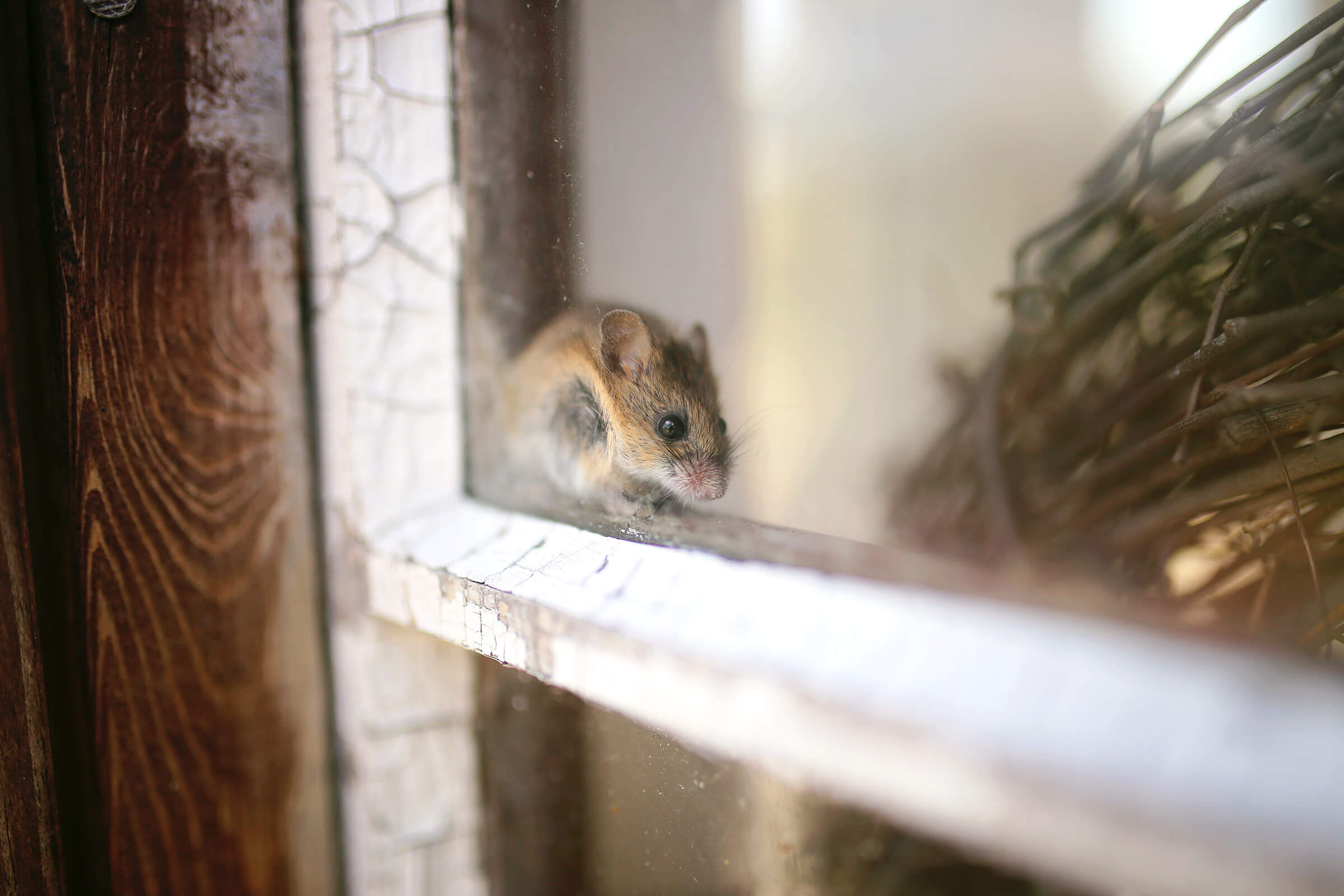
If you think mice are cute, consider what they actually bring into your home. Across Castle Rock, Parker, Highlands Ranch, and the surrounding areas, I have documented just how much damage these small rodents cause.
Mice create havoc wherever they go. They chew through drywall, insulation, papers, books, and even electrical wires to build their nests. That gnawing on wiring is not just annoying, it is a serious fire hazard. We have answered calls where mice had chewed through attic wiring and the homeowner had no idea they were one spark from disaster.
Beyond property damage, mice carry dozens of diseases through their droppings, urine, and direct contact. They ruin your food and leave living spaces unsanitary. One Castle Rock customer recently told us that having mice made them embarrassed to invite guests over.
Know what to look for
Recognizing the Signs of a Mouse Infestation
The first step in any pest problem is recognizing you have one. Mice are nocturnal, so they do most of their dirty work while you are asleep, foraging and nesting under cover of darkness. Here is what to watch for.


Droppings and Odor
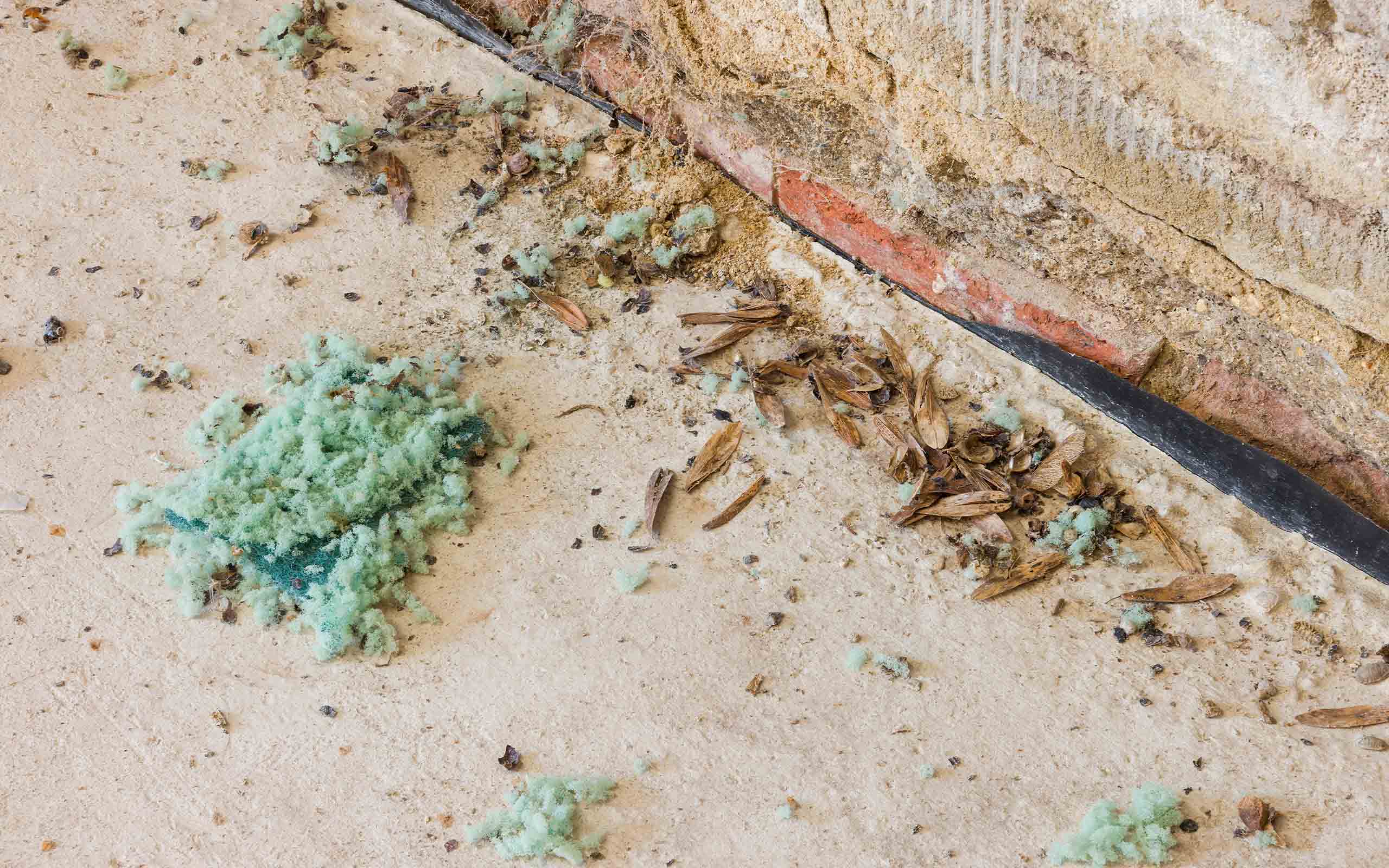
Small droppings under a quarter inch with pointed ends, usually near food or along walls, plus a strong ammonia smell from urine marking. Our guide on identifying rodent droppings helps you tell mice from rats.

Gnaw Marks
Their front teeth never stop growing, so mice gnaw constantly. Check doors, baseboards, cabinets, and pantry packaging. Fresh marks look light, older ones darken.

Sounds in the Walls
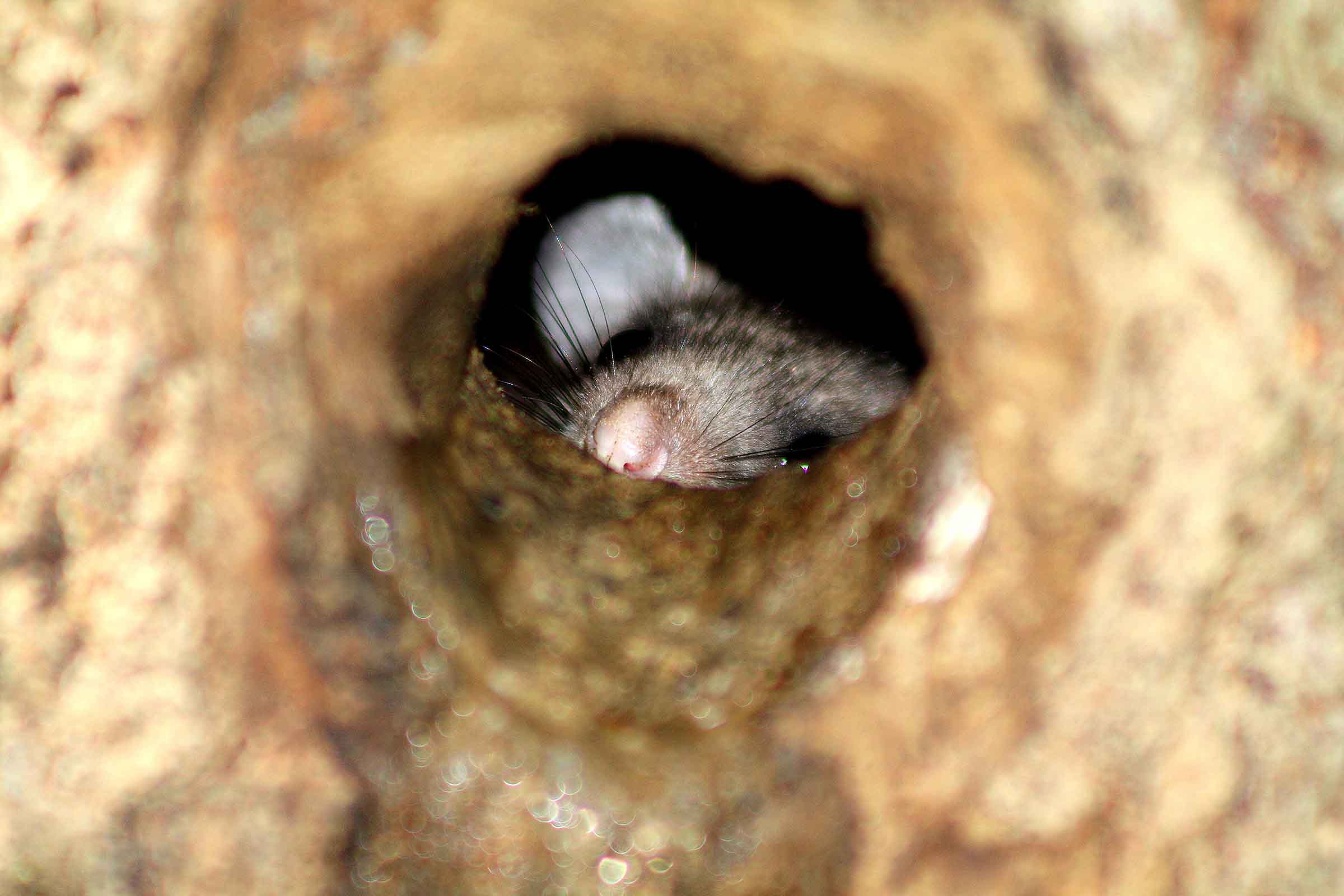
Scratching, scurrying, or squeaking inside walls, ceilings, or floors at night means mice are moving and nesting. If you hear it, act fast. It is usually bigger than it sounds.


Nests and Trails
Nests of shredded paper, fabric, and insulation mean an established population. You may also spot greasy trails along walls, since mice have poor eyesight and hug the baseboards to navigate.
Too fast to catch, too smart to ignore.
A few traps will not outpace a breeding colony. Professional exclusion is what actually ends it.
Know your invader
Understanding the Mice You Are Dealing With
Colorado is home to several mouse species, and knowing which one invaded helps us build the right plan. The three we see most are house mice, deer mice, and grasshopper mice.

House Mice
The most common invaders in our service area. Small, gray or brown, with large ears and a high breeding rate. One female can produce up to 200 offspring a year, and they slip through surprisingly small gaps.
Deer Mice
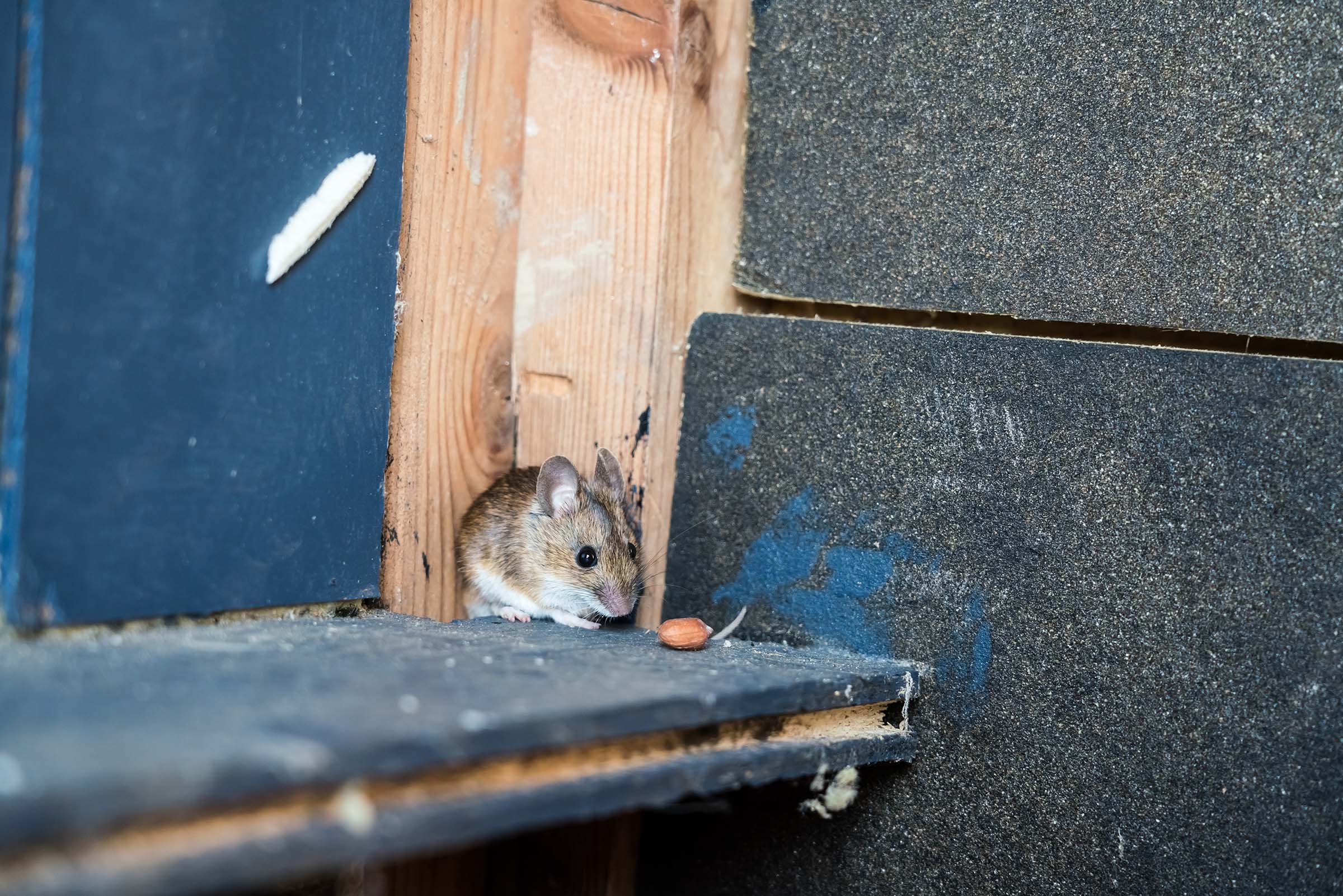
Brownish-red fur with white underbellies. The real worry is hantavirus, which they carry and spread through droppings and urine. More common in rural areas, they move indoors as Colorado cools down.

Grasshopper Mice
Predatory and surprisingly aggressive, they eat insects, small animals, and even other mice. Stout-bodied with short tails, they favor arid ground and emit a faint howl when provoked.
More Colorado rodents we treat
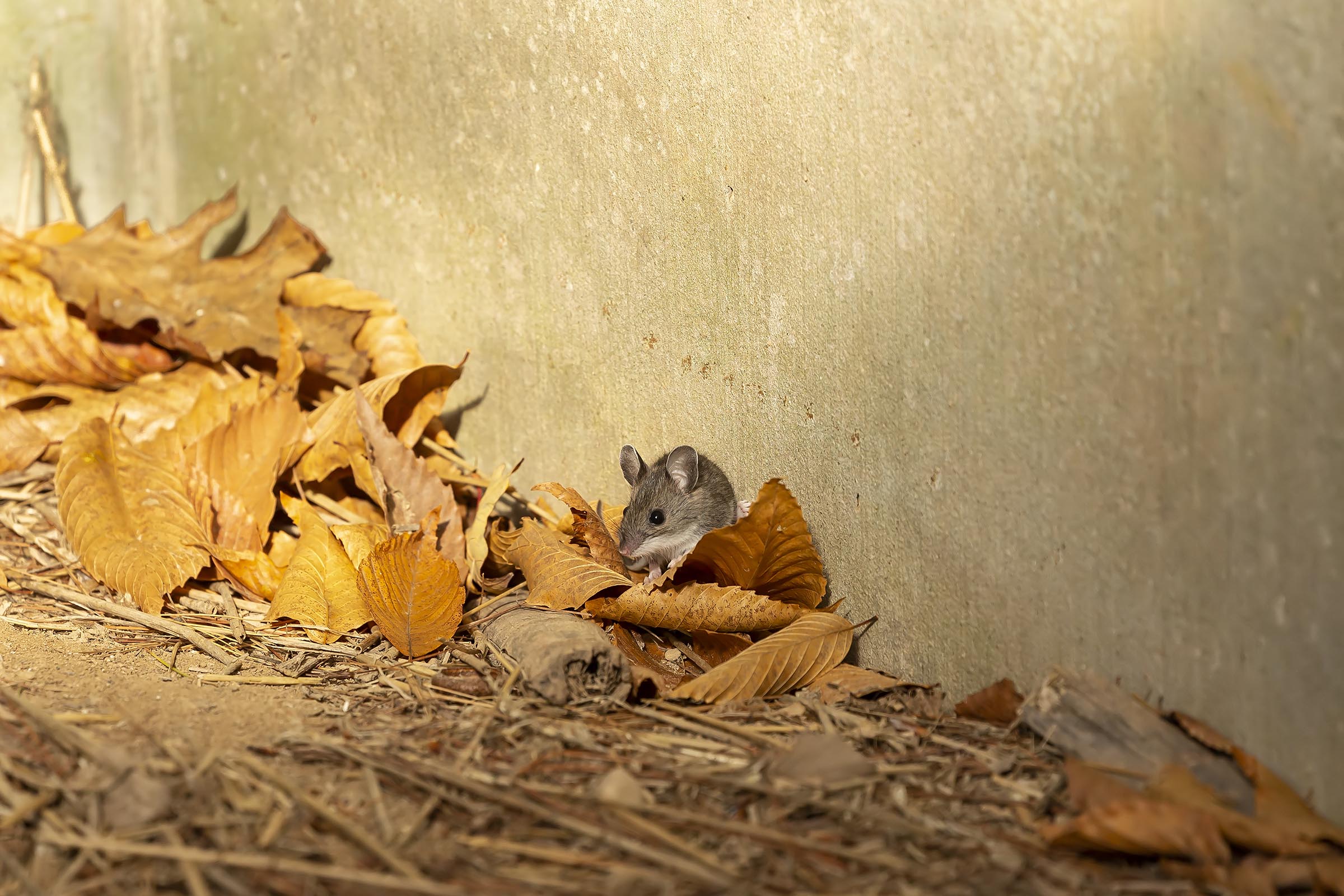
Deer mouse in leaf litter

Wood mouse seeking shelter

Vole signs vs. mouse signs
Want to go deeper? Visit our About Mice guide, or sort out voles vs. mice and the difference between rats and mice.
Safe for the whole household
Pet-Safe Mouse Control
One of the most common concerns we hear is keeping pets safe during treatment. As one property-management customer put it: "I have used OMNIS for years at our rental properties, and at my own home for the last three years, which has been extremely effective."
The concern is valid. The wrong approach can be as risky as the mice. Traditional rodenticides threaten pets through direct ingestion and through secondary poisoning, when a pet catches and eats a poisoned mouse. Even poison-free glue boards can trap a curious pet and injure it. At OMNIS, pet-safe control is built into how we work:
- Non-toxic baits and traps, placed out of reach. We target active mouse zones while keeping devices where pets cannot get to them.
- Exclusion before chemicals. Sealing entry points and removing food often takes rodenticides off the table entirely.
- Plain-language safety instructions. We walk you through how to keep animals safe during and after treatment.

Warning signs of rodenticide exposure: if you suspect your pet was exposed, contact animal poison control and your vet right away. Watch for stomach upset, increased thirst and urination, bloody nose, weakness, depression, trouble walking, or abnormal eye movement. This is exactly why we lead with non-toxic methods and exclusion.
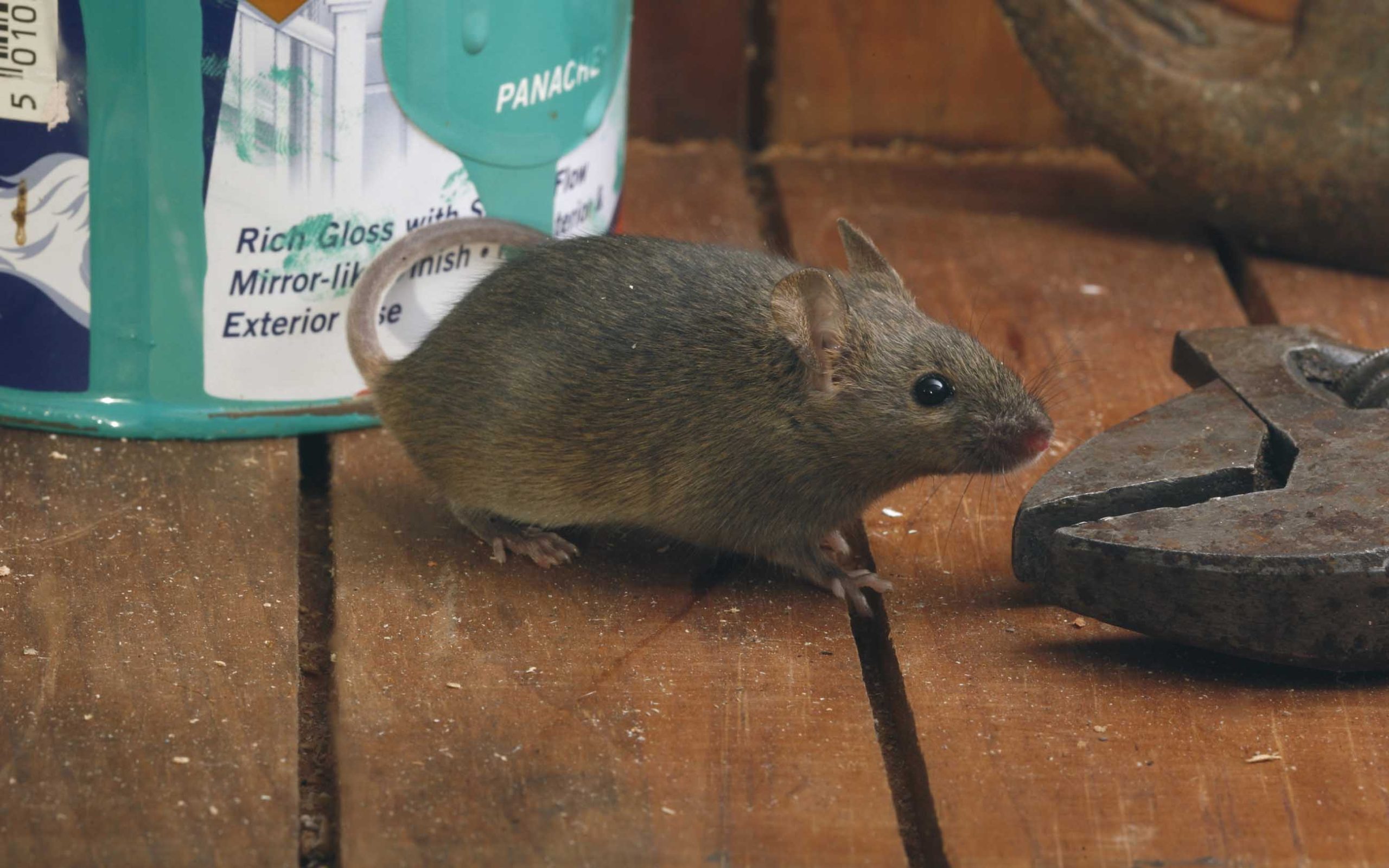
Why store-bought fails
Why DIY Mouse Control Often Fails
Many Castle Rock homeowners try to handle mice themselves first. I respect the effort, but I have seen too many DIY attempts make things worse. Here is why mice are so hard to clear without help:
- They breed faster than you can trap them. A female can get pregnant at four to seven weeks old and produce four to twelve babies every three weeks. You may be catching mice and still falling behind.
- Where you put the trap matters more than the trap. Most people pick the wrong spot or the wrong bait. Cheese is not very effective, and a few traps scattered around will not dent an established population. Mice prefer something sticky and fragrant like peanut butter.
- Mice learn and adapt. They map your home fast and remember routes to food, escape paths, and hiding spots. Once they connect a trap with danger, they stop going near it.
- The real problem is usually the entry points. Killing individual mice without sealing the gaps and cutting off food is like bailing a leaky boat. More mice just replace the ones you remove.
Wondering how to catch a mouse without traps, or looking into natural mouse repellents?
"We have been using OMNIS for years. Our technicians are always friendly, professional, and informative, and they take the time to explain everything clearly."
- Castle Rock Customer
How we do it
Our Comprehensive Mouse Control Process
When you call OMNIS, you get more than basic trapping. You get a complete solution built on years of experience with Colorado's specific pest challenges.
01
Detailed Inspection
We go through the property inside and out to find where mice are getting in and where they are nesting. We also pin down the species and judge how far it has spread, since the plan changes with what we find.
02
Strategic Trapping
For mice already inside, we use snap traps, newer single-kill plastic traps, and discreet rodent control boxes where they fit, always prioritizing humane, low-toxicity methods.
03
Full Exclusion
Mice squeeze through gaps the size of a dime, so this is where thoroughness pays off. We seal foundation cracks, fit door sweeps, repair screens, and close up gaps around pipes and vents.
04
Ongoing Monitoring
After treatment we do not disappear. We set monitoring stations and run follow-up checks to catch new activity early, before a small issue turns into another infestation.

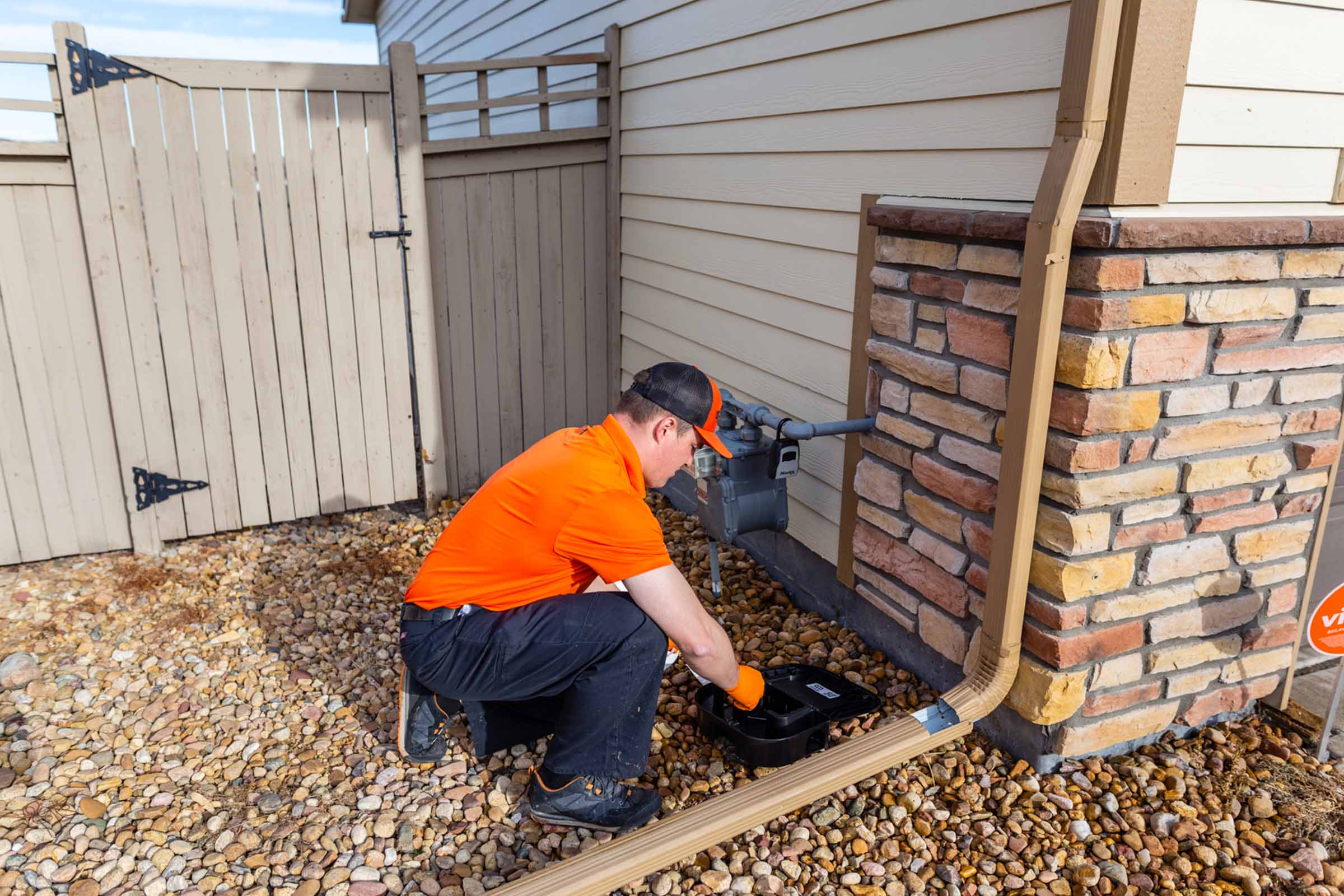

Curious about professional methods? Learn how exterminators get rid of mice or how to catch a mouse without traps.

Keep them out for good
Preventing Future Mouse Infestations
Once we have cleared your mouse problem, prevention is what keeps them outside where they belong. These habits protect your home long term:
- Seal gaps around doors, windows, pipes, vents, stoves, sinks, and dishwashers, using steel wool and caulk for small openings and sheet metal for larger ones.
- Mind the doors. Leave the garage or back door open and you invite in any mouse looking to get out of the cold. See our tips on managing mice in the garage.
- Lock up food, including pet food, in airtight metal or thick plastic. Clean up crumbs right away and skip the overnight dishes.
- Trim the exterior. Cut bushes and branches back from the house so thick growth stops giving mice cover and a path to entry points.
- Repair early. A gap you ignore now is how mice get in a month from now. Dealing with mice in walls? Here is how to get them out.
Do Natural Repellents Work?
Homeowners often ask about scents, oils, and ultrasonic devices. Some, like peppermint oil, may deter mice briefly, but they do not hold up. Mice adapt to scents quickly, and ultrasonic units show mixed results at best. If you want the specifics, see our guides on does vinegar repel mice, scents that deter mice, or ultrasonic repellents. For lasting results, exclusion and trapping remain the gold standard.
Greener by default
Eco-Friendly Solutions That Work
We are committed to pest control that is both effective and environmentally responsible, because preserving Colorado's natural beauty matters to us too. Where we can, we use biodegradable, low-impact products and integrated pest management that leans on prevention to cut chemical use. Our habits go further, with fuel-efficient vehicles, waste reduction, and recycling. We are not just your pest control company, we are your neighbors.

Do not wait it out
When to Call an Exterminator for Mice
Not every sighting needs a pro, but many do. Call an exterminator for mice when:
- You see multiple mice, or droppings in more than one room
- You hear constant scratching in walls or ceilings
- DIY traps are not reducing the population
- You find a nest or burrow holes
- You smell strong ammonia odors
- You have pets or young children at home
- You suspect deer mice and the hantavirus risk that comes with them
- Mice keep coming back after your attempts
- You want professional, reliable results
The sooner you act, the easier and less expensive the fix.

Stop guessing. Call.
Talk to a Castle Rock technician and get a plan built for your home, not a guess from a box trap.
720-583-4126
A decade of doing it right
Why Castle Rock Trusts OMNIS Pest Control
The pest control industry earned a bad reputation from outfits that cut corners and made empty promises. At OMNIS, we have spent over a decade proving there is a better way, building our name one satisfied customer at a time.
Castle Rock is not just where we run a business, it is home. We are an invested part of this community, and that shows up in how we treat your house. We do the inspection we would want done on our own home, explain what we find in plain terms, and stand behind the work until the problem is actually gone.

Where we work
Serving Castle Rock and Beyond
OMNIS Pest Control proudly serves homeowners and businesses across the Front Range:
Castle Rock • Parker • Highlands Ranch • Monument • Colorado Springs • Castle Pines • Larkspur • Lone Tree • and surrounding areas
No matter where you are in our service area, we bring the same dedication to excellence, pet-safe practices, and proven results. Your pest-free peace of mind is our priority, one neighbor at a time.
Take Action Now
Two mice can quickly become dozens, and dozens can become an infestation that puts your health and your home at risk. Do not let it get that far.
If you have noticed droppings, gnaw marks, sounds in your walls, or signs of a nest, call OMNIS Pest Control. We will identify the type of mouse, build a complete elimination plan, seal entry points, and schedule follow-ups so the problem stays solved. Let us take the hardest part off your shoulders so you can get back to enjoying your Castle Rock home, mouse-free.
Call 720-583-4126 or contact us online to get started.
More Pest Protection.
More Peace of Mind.