
 Pantry Pests
 Pill Bugs
 Ants
 Spiders
 Bees
 Crickets
 Miller Moths
 Millipedes
 Wasps
 Hornets
 Mice
 Voles
 Rats
 Bats
 Birds
 Gophers
 Mosquitos*
 How to Identify Rodent Droppings
 Keep Pests Out of Your Kitchen
 Keep Ants Away
Rodent Control in Castle Rock and the Front Range
OMNIS Pest Control gets mice and rats out of homes and businesses in Castle Rock, across Douglas County and along the Front Range, with guaranteed removal. Call 720-583-4126 for a free quote, and we call back within one business day.
Rodent Control From a Castle Rock Company
OMNIS Pest Control provides rodent control for homes and businesses in Castle Rock, across Douglas County and along the Front Range. We find out which rodent you have and how it is getting in, seal what can be sealed, trap what is already inside and come back to make sure it worked.
Hearing scratching in the walls? Call OMNIS at 720-583-4126. We call back within one business day, and every quote is free.
OMNIS has been based in Castle Rock since 2013, and owner Bryce Wardell has worked in pest control since 2007.

Which Rodent You Are Dealing With
Most callers say "rodents" because they have only seen what the animal left behind. Knowing which one it is decides the plan, because a mouse in the pantry and a gopher under the lawn are different jobs.
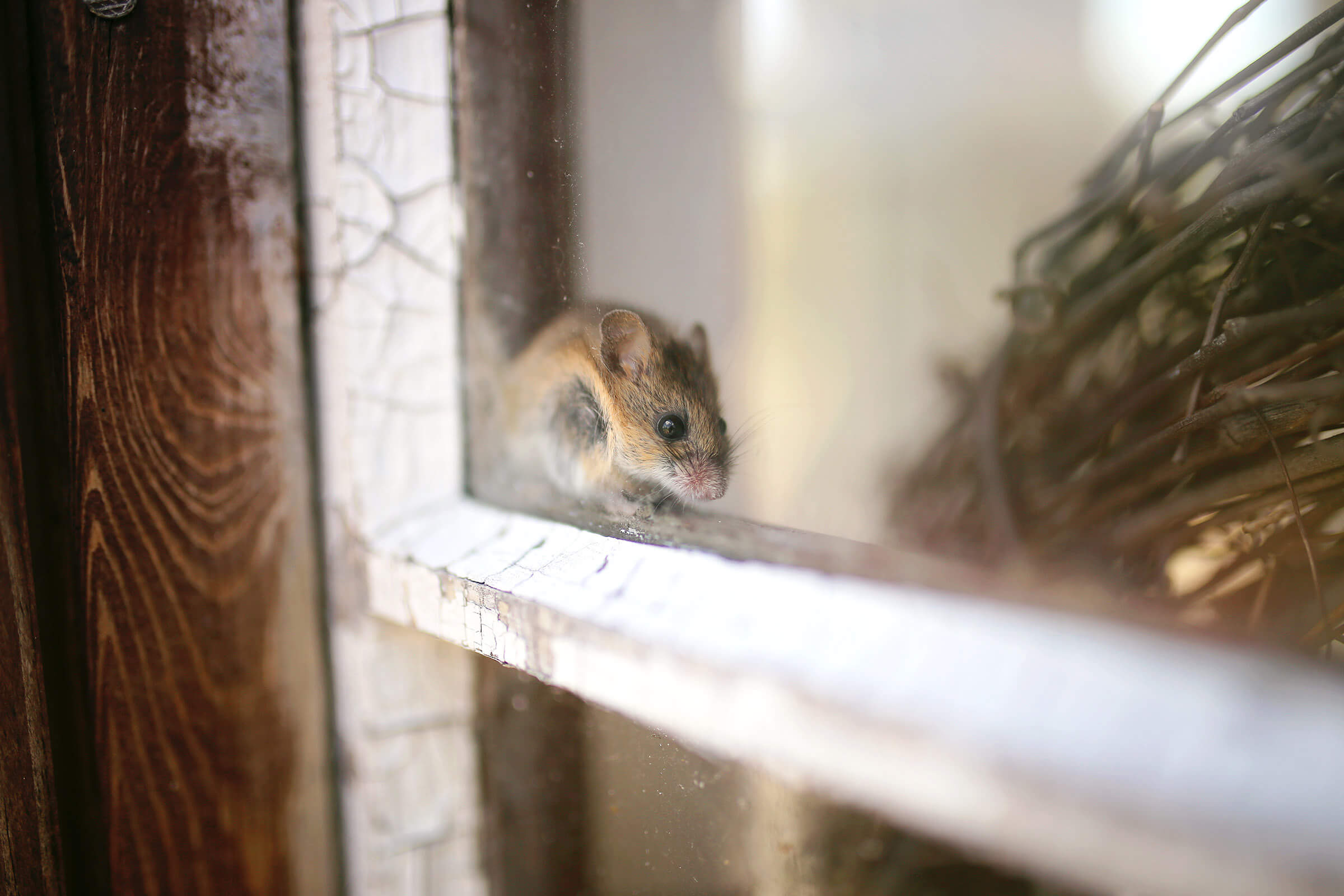
House Mice
The rodent behind most indoor calls. Small and gray-brown, with big ears and a long, nearly hairless tail. Once in, it lives inside: cabinets, wall cavities, the garage, the attic. The giveaway is small droppings along walls and in drawers, and light scratching after dark. Our mouse control service covers how we handle them.
Deer Mice and Field Mice
On lots that back onto open space or sit near the foothills, the mouse in the garage is often a deer mouse: brown on top, bright white underneath, with a tail that is dark above and white below. Most people call it a field mouse. The CDC names the deer mouse as the carrier of the most common hantavirus in the United States, so its droppings get cleaned up carefully, never swept. Read how to get rid of field mice and the types of mice in Colorado.
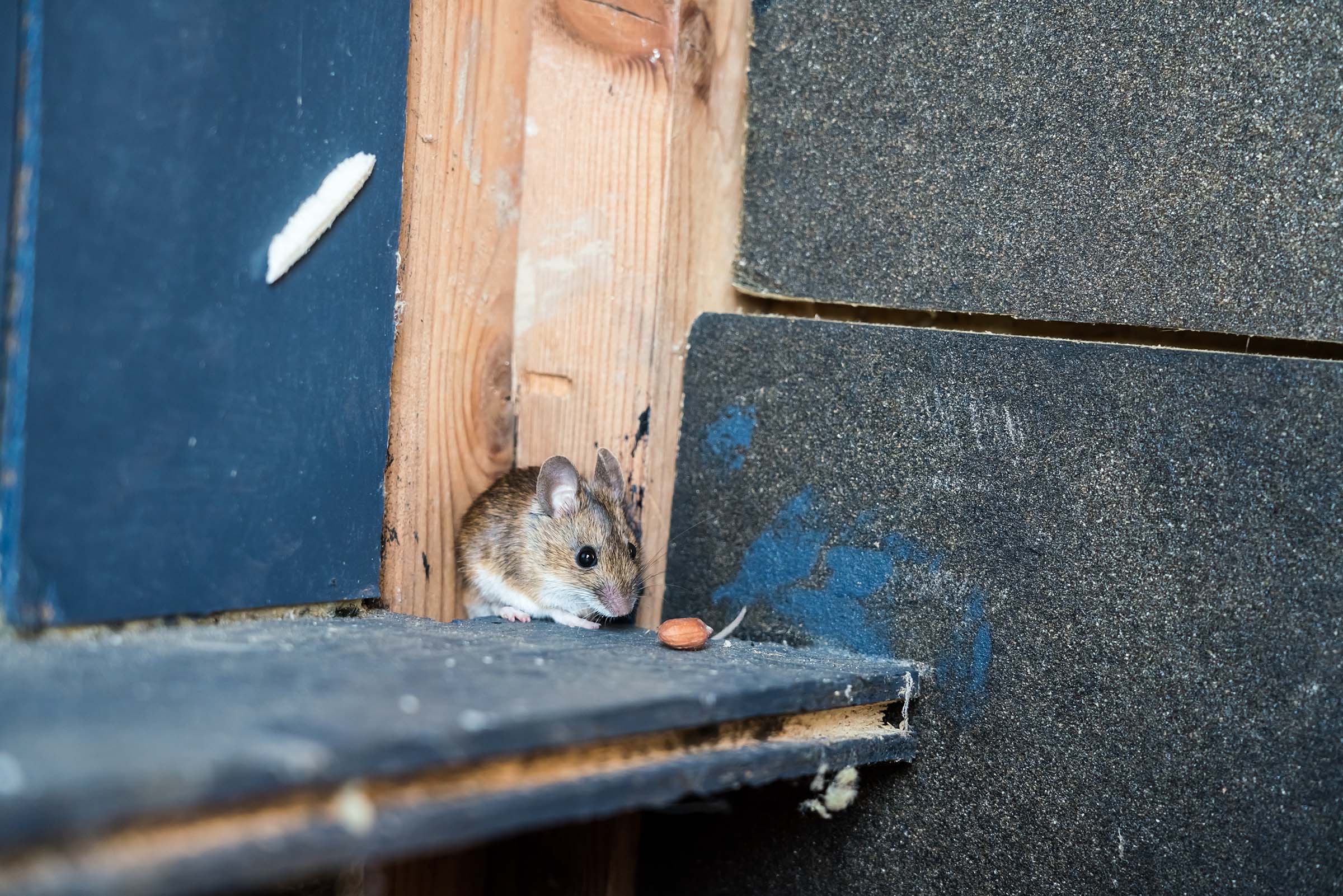

Norway Rats
Bigger, heavier and blunter than any mouse, with droppings several times the size. Norway rats burrow, so look for holes along the foundation, under sheds and beside compost or woodpiles. They stay close to food and water: trash, bird seed, pet food and drainage. See our rat control service and about rats.
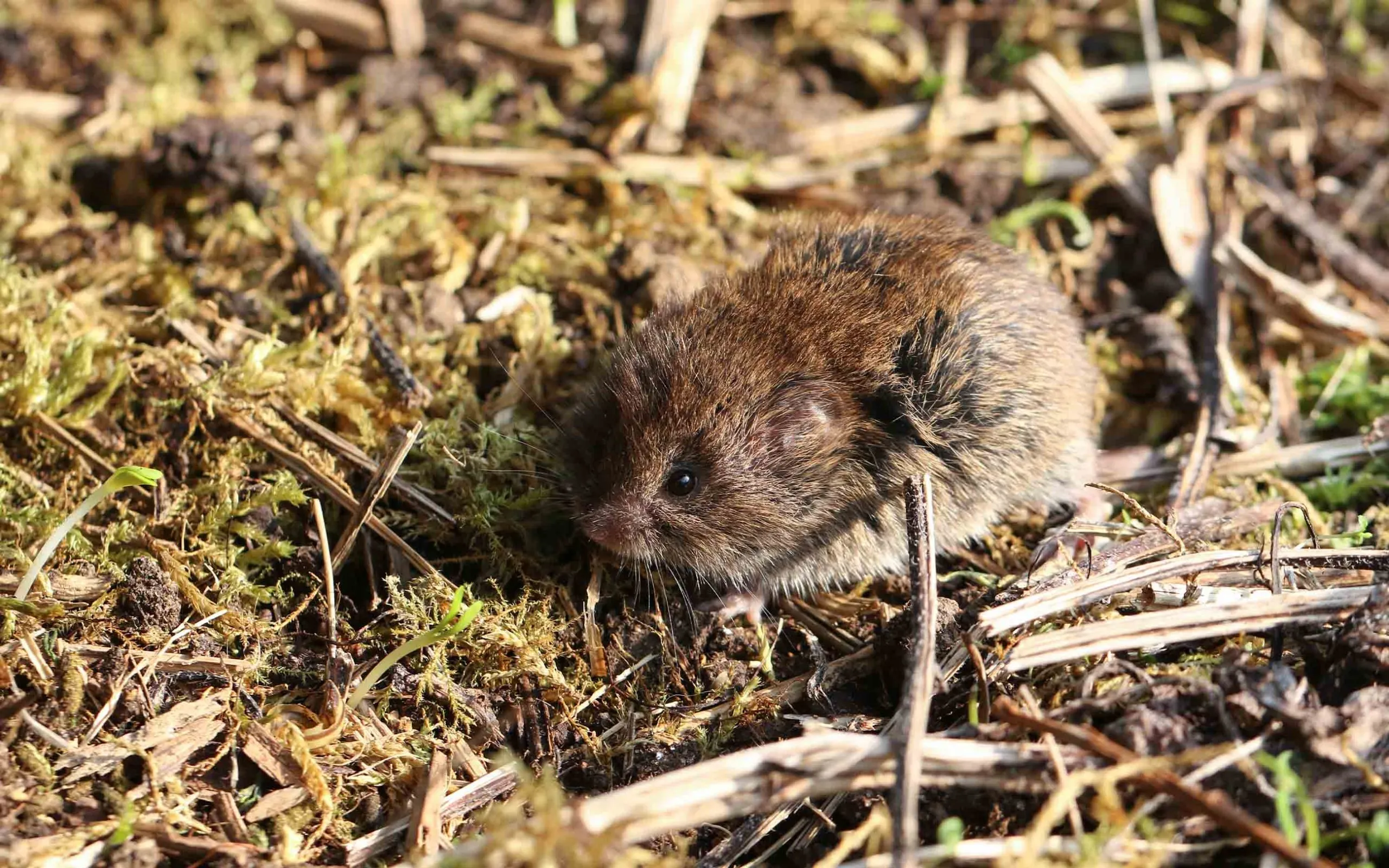
Voles
Voles stay outside. They are stocky, with short tails and small ears, and they live in lawns and garden beds. The sign is runways: narrow trails chewed through the grass, often showing up as the snow melts, along with small open holes with no dirt mound. Our vole control service handles the yard.

Pocket Gophers
Gophers live underground, and you will rarely see one. You will see the mounds: fans of loose soil pushed up from below, with the hole plugged. They feed on roots from underneath. See gopher control and about gophers.
Signs of Rodents in a Colorado Home
You will find the evidence before you find the animal:
- Droppings. Mouse droppings are small with pointed ends. Rat droppings are much larger and blunter. Our guide on how to identify rodent droppings shows the difference.
- Gnaw marks on cabinet corners, baseboards, food packaging and wiring.
- Rub marks. Gray, greasy smudges along baseboards and foundation edges where rodents run the same route every night.
- Night noise in walls and ceilings. Light, fast scratching is usually mice. Heavier movement points to rats or something bigger.
- Nesting material. Shredded paper, insulation, fabric or dryer lint balled up in a quiet corner.
- A musky, ammonia smell in a closed pantry, a cabinet under the sink or a crawl space.
- Outside: burrows along the foundation, runways in the lawn or fresh mounds of soil.
Droppings in the attic usually mean it has been going on a while. See mice in the attic.
How OMNIS Handles a Rodent Problem
Traps catch the rodents already inside. They do nothing about the next ones. That is why we start with how they are getting in.
Finding How They Get In
We walk the house inside and out, top to bottom. A house mouse fits through a gap about a quarter inch wide, roughly the width of a pencil, so we look at every seam: garage door seals and the corners where they meet the jamb, foundation gaps, utility lines, dryer and bath vents, the rim joist and the roofline. Droppings and rub marks tell us which routes are active.
Sealing Entry Points
Openings get closed with material a rodent cannot chew through: hardware cloth, copper mesh, sheet metal and mortar. Foam and caulk on their own do not hold. We show you every opening we find and what it takes to close it.
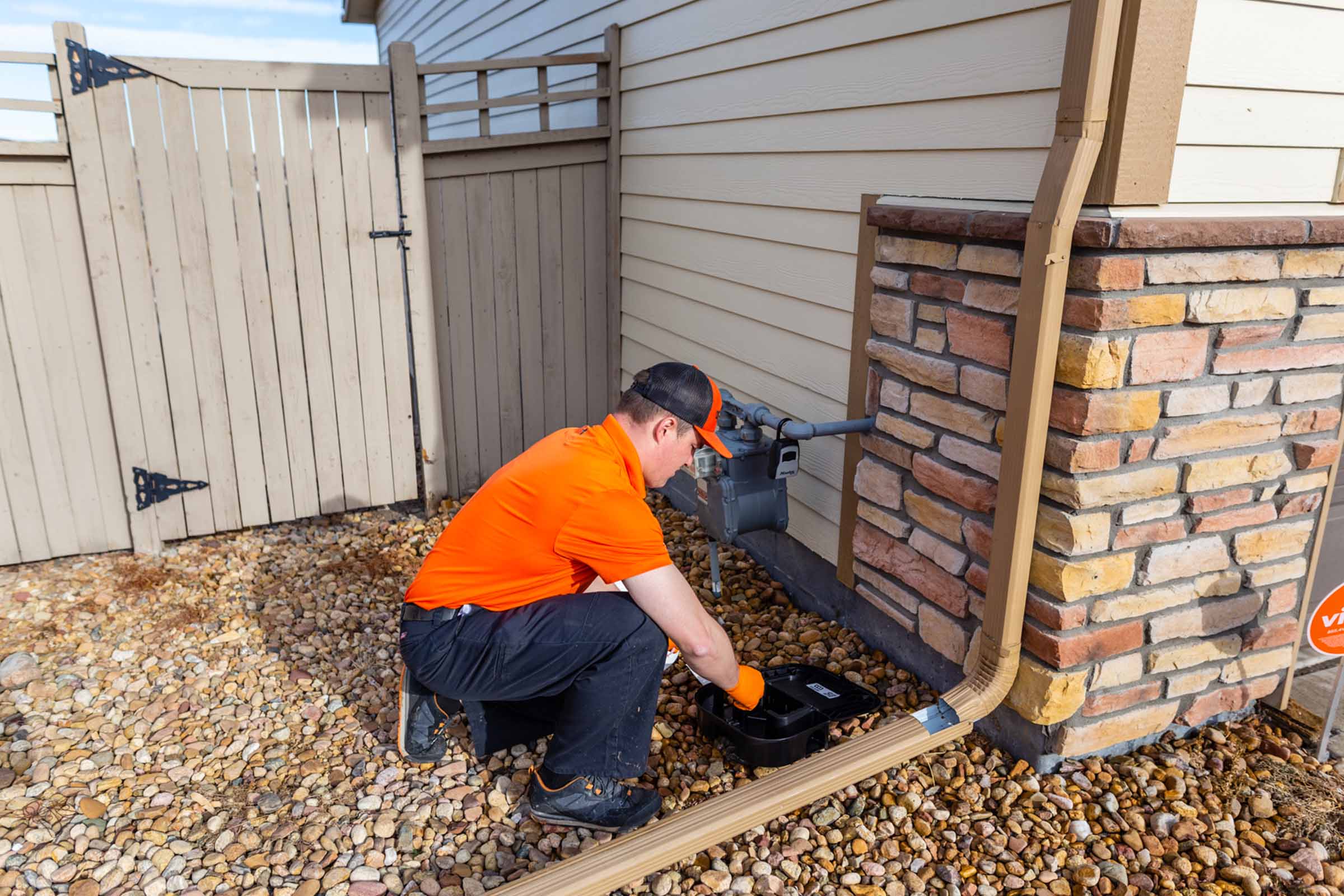
Trapping and Monitoring
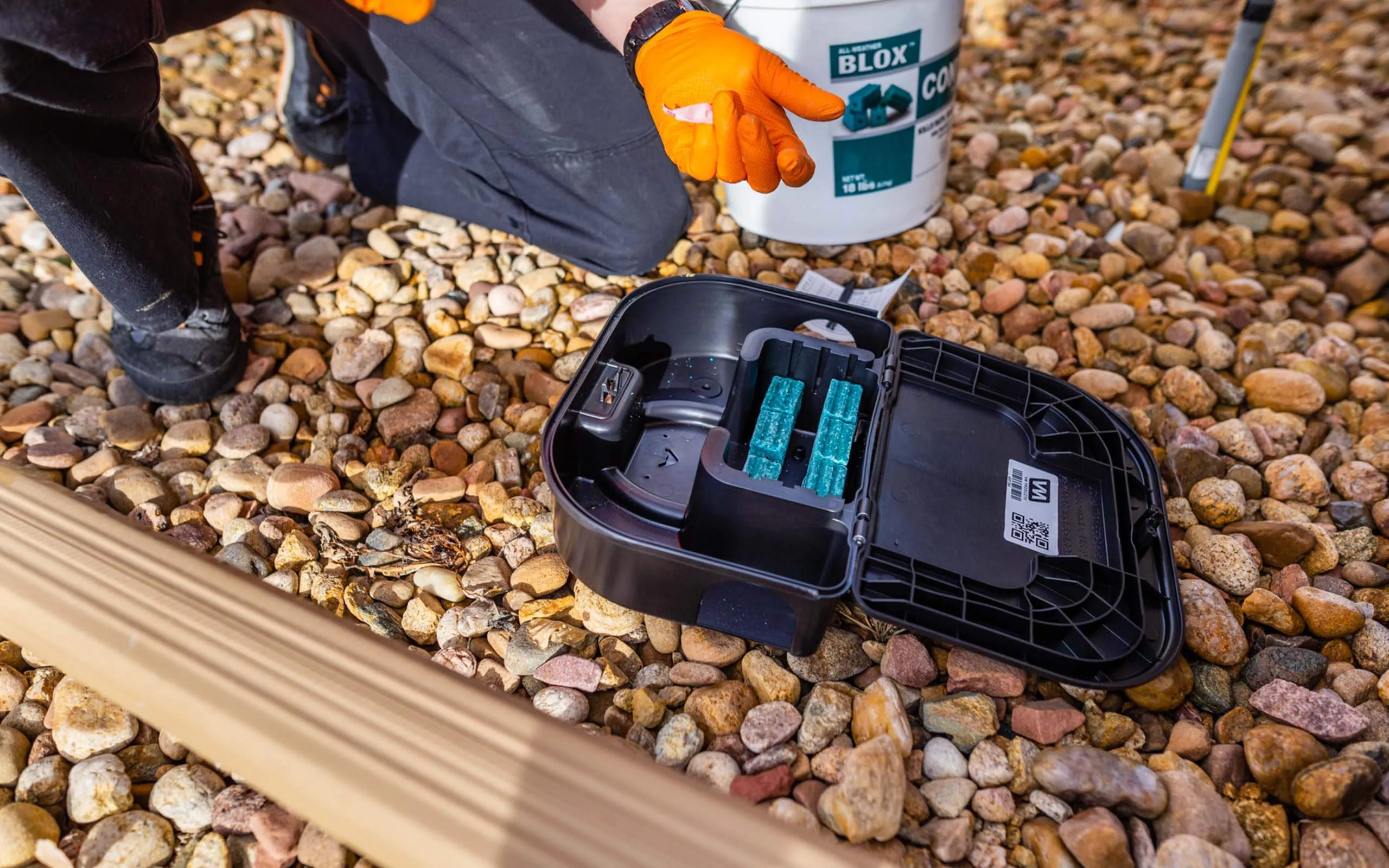
Traps go on the active runs, not scattered at random, and monitoring stations show whether anything is still moving. Any product we use is applied according to its label and placed where pets and children cannot reach it.
Follow Up Visits
We come back, check the traps and stations, and make sure the sealed points are holding. If there is still activity, something was missed, and we go find it. That is what guaranteed removal means to us.
Nobody can stop a mouse from walking up to your house. What we can do is make it hard to get in and catch it early if one does.
Why Rodent Calls Peak in Fall and Winter Along the Front Range
Mice do not hibernate. When the first hard freezes arrive, the seeds and insects they live on outside run out, and a heated house becomes the best shelter for miles. Castle Rock, Larkspur and Monument sit up on the Palmer Divide, where the cold tends to come earlier than it does down in Denver.
That is why rodent calls climb through October and November and stay up all winter. It also sets a deadline. Sealing the outside of the house early keeps them out. Sealing it in January shuts the ones already inside in with you. Our guide on how to keep mice out of your house goes room by room, and winter pest control covers the rest of the cold season.
What Rodent Control Costs
Rodent control is priced after we have seen the property, because the same scratching in a wall can be a short visit or several days of sealing. What drives the price:
- Which rodent it is, and whether it is inside, outside or both.
- How many entry points there are, and how hard they are to reach.
- The size of the home and the number of stories.
- How much sealing the structure needs.
- Whether droppings and nesting have reached the attic or the crawl space.
- Whether you want a one-time service or ongoing protection.
Some rodent problems are a one-time job. Others come back every fall and fit better alongside a regular plan. Our residential plans come in three levels: Essentials, with quarterly visits; Enhanced, with visits every other month, which is the one we recommend for most homes; and Maximum, with monthly visits for larger homes or more than one pest problem. Each includes a free callback between visits.
Not sure which one? Call us. We will tell you the smallest plan that solves your problem. Quotes are free.
Rodent Control Across Douglas County and Monument
- Castle Rock: home base. See pest control in Castle Rock, Castle Rock mouse control and Castle Rock rat control.
- Parker: see pest control in Parker, Parker mouse control and Parker rat control.
- Castle Pines: see pest control in Castle Pines.
- Larkspur: see pest control in Larkspur.
- Lone Tree: see pest control in Lone Tree.
- Highlands Ranch: see pest control in Highlands Ranch.
- Monument: see pest control in Monument and Monument mouse control.
Business Rodent Control
Restaurants, offices and warehouses need rodent control that fits how the building runs. Our commercial rodent control page covers how we set that up.
Rodent Control Questions
What Is the Difference Between Rodent Control and Mouse Control?
Mouse control is one kind of rodent control. Rodent control covers mice, rats, voles and gophers, and the first step is working out which one you have. If you already know it is mice, our mouse control page goes into more detail.
How Do Mice and Rats Get Into a House in Colorado?
Through gaps smaller than most people expect. A mouse needs about a quarter inch. The usual openings are worn garage door seals, gaps around utility lines, dryer and bath vents, the rim joist and cracks along the foundation. Strong sun and big temperature swings wear seals out faster here. Rats need a larger opening, but they gnaw and burrow to make one.
Do You Just Set Traps, or Do You Seal the Entry Points Too?
Both. Trapping takes care of the rodents already inside. Sealing keeps the next ones out.
How Long Does It Take to Get Rid of Rodents?
It depends on how far the problem has spread and how much sealing the house needs. For a typical home caught early, expect the first visit and at least one follow up over the next few weeks. Attic or crawl space involvement takes longer.
Are Deer Mice Dangerous to Have in the House?
They can be. The CDC names the deer mouse as the carrier of the most common hantavirus in the United States, spread mainly through contact with urine, droppings and saliva. Do not sweep or vacuum droppings or nesting material. Open the space up to air it out, wear gloves and follow the CDC cleanup guide. For a heavy mess in an attic, shed or crawl space, call us.
Will Rodents Come Back After Treatment?
They can, if an opening is missed or a new one appears. That is why we come back to check the seals and the stations. If rodents come back in a space we treated, call us. Satisfaction is guaranteed.
How Fast Can OMNIS Come Out?
We call back within one business day and set the first visit as soon as our route allows.
Free Rodent Control Quotes
Guaranteed removal, satisfaction guaranteed. Call 720-583-4126 or get a free quote, and we will call you back within one business day.
What Our Customers Say
OMNIS holds a 4.8 star rating from 120 Google reviews. Read them, and leave your own, on our Google reviews page.