
 Pantry Pests
 Pill Bugs
 Ants
 Spiders
 Bees
 Crickets
 Miller Moths
 Millipedes
 Wasps
 Hornets
 Mice
 Voles
 Rats
 Bats
 Birds
 Gophers
 Mosquitos*
 How to Identify Rodent Droppings
 Keep Pests Out of Your Kitchen
 Keep Ants Away
Winter Pest Control for Front Range Homes
The scratching in the wall started the week the nights turned cold, and it has not stopped. If you are hoping it will settle down once winter really sets in, it will not. Mice do not hibernate, and a warm house is exactly where they mean to spend the winter.
OMNIS Pest Control is based in Castle Rock and treats homes across Douglas County and the Front Range. In winter the work moves from the yard to the house itself: the gaps pests use to get in, and the pests already living inside. Call 720-583-4126 or ask for a free quote, and we will call you back within one business day.
Why Pest Control Still Matters in Winter
Most outdoor insects slow down or die off when the cold arrives. The pests behind winter calls are the ones that do not, and their whole strategy is to get indoors before the deep cold and stay there until spring.
Front Range winters make that easy for them. A cold snap drops the temperature hard, a run of sunny, mild days follows, and then the next storm comes through. Every swing works on garage door seals, weatherstripping and caulk, and every mild afternoon brings something out of a wall void. Homes that back onto open space, which describes a lot of Castle Rock, Parker, Larkspur and Castle Pines, tend to see it first, because the mice there come straight off the field.
Stopping service in November feels like saving money. It is also the season when one open gap lets in a population that is still there in March.
Winter Pests in Colorado Homes
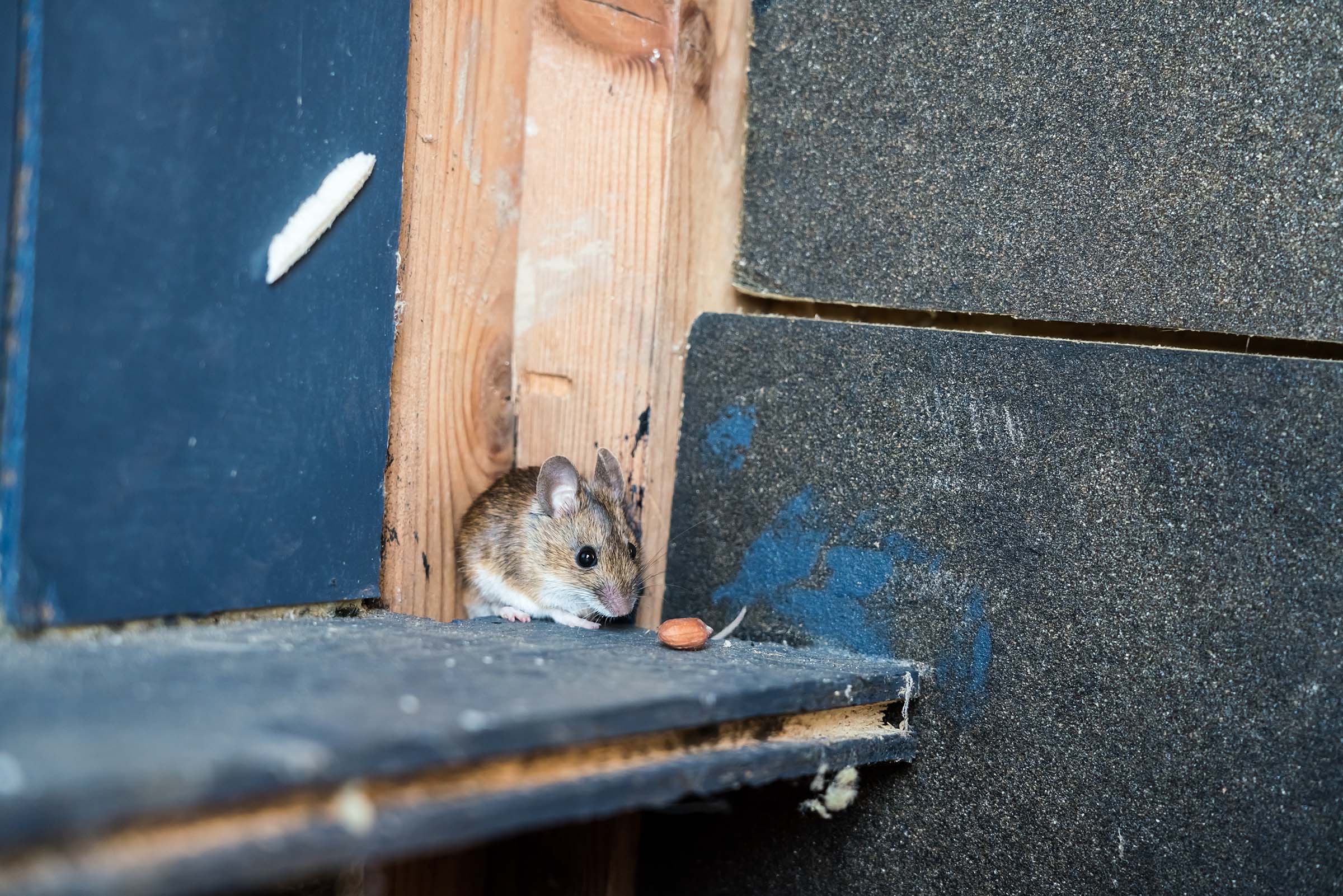
House Mice and Deer Mice
Mice are the main winter problem along the Front Range. House mice live comfortably indoors year round, and once they have warmth, food and nesting material they can keep breeding through the winter. Deer mice come in from open space and foothill properties, and they matter more than their size suggests: in Colorado, deer mice are the main carrier of hantavirus.
If you are finding droppings, do not sweep or vacuum them dry. Air out the space, soak the droppings and nesting material with a disinfectant, and remove them wearing gloves. Our guide on how to get rid of field mice covers telling deer mice from house mice, and our rodent control page explains how we handle both. For house mice that are already settled in, see our mouse control service.
Rats
Rats are a different problem from mice, with different entry points, different traps and more damage. If the droppings you are finding are clearly larger than a grain of rice, read our rat control page before you buy traps.
Spiders Indoors
Most spiders you see indoors in winter were already living there. They followed the insects in during fall and settled into basements, garages, closets and window wells. The black widow is the venomous spider to know in Colorado, and it favors undisturbed spots like garages, woodpiles and window wells. Brown recluse spiders are rare here, and most suspected ones turn out to be another species.
Spider control is part of a regular plan, and our guide to Colorado spiders helps you identify what you found.


Boxelder Bugs and Other Overwintering Insects
A handful of boxelder bugs crawling across a south facing window on a sunny February afternoon is a common Front Range sight. They are overwintering insects. In fall they gather on warm, sunny walls, then work into wall voids, attics and gaps around window frames to wait out the cold. Indoor heat or a mild day wakes them up, and they wander into the living space looking for the way back out.
Cluster flies, stink bugs and lady beetles follow a similar pattern. None of them breed inside your house over the winter, so the ones you see in January got in during the fall. Boxelder bugs do not damage the structure, but crushed ones can stain curtains and upholstery.
Vacuum them up rather than swatting them. Then seal the gaps around windows, siding, soffits and utility lines before next fall, because these insects tend to return to the same buildings year after year. If you are seeing large numbers and are not sure what they are, call and describe what you are finding, and we will tell you plainly what makes sense for your house.
Do Mice Hibernate in Winter?
No, mice do not hibernate. House mice and deer mice stay active all winter. Instead of slowing down, they move toward warmth, food and nesting material, and in a Colorado neighborhood the best source of all three is usually a heated house. That is why mouse activity indoors picks up as the weather turns cold.
For a homeowner, that has a practical meaning. The noise in the wall will not stop when the deep cold arrives, because the mice making it are not going to sleep. They are building nests out of insulation, paper and fabric, and they are feeding on whatever they can reach: pet food, birdseed, pantry goods, grass seed in the garage.
Mice in winter also have no reason to leave. Outside, food is scarce and the nights are cold. Inside, they have everything they need, and a house mouse population can keep growing until spring. Waiting it out usually means dealing with more mice later, not fewer.
Field mice and deer mice outdoors stay active too, moving under the snow and through brush along fence lines and open space. On cold nights the ones near your foundation are the next ones looking for a way in. If you are hearing them overhead, our page on mice in the attic explains what is likely going on up there.
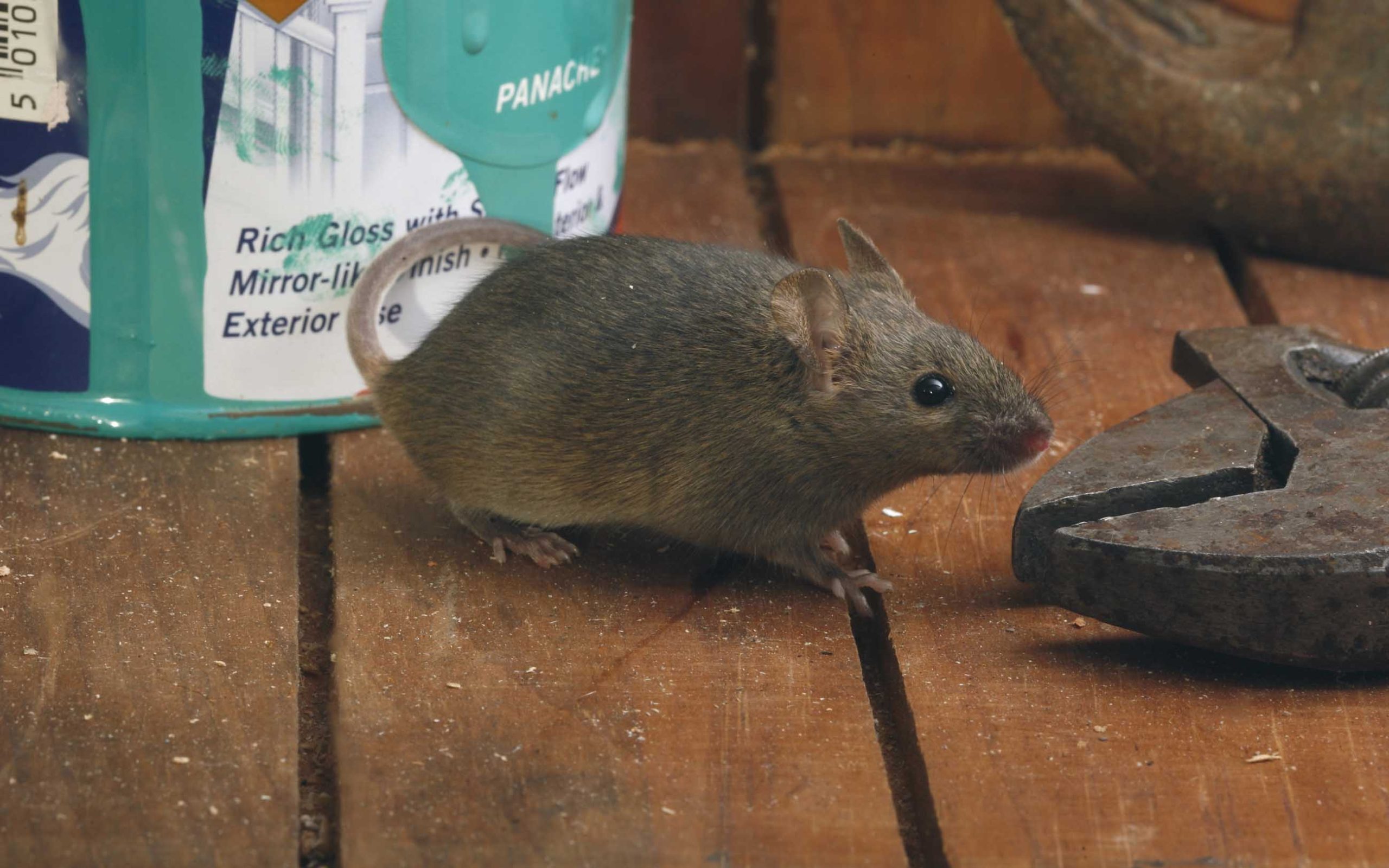
Signs You Have Winter Pests
- Droppings the size of a grain of rice along baseboards, under sinks or in drawers
- Scratching or light running sounds in walls or ceilings, especially at night
- Shredded paper, insulation or fabric gathered in a hidden corner
- Gnawed food packaging in the pantry or garage
- A musky smell in a closed cabinet or closet
- Small insects clustered on sunny windows, or turning up in the same room on warm days
- Webs and spiders collecting in basements, window wells and garage corners
Mice are the sign to act on quickly, since one mouse in the kitchen usually means more out of sight. Our page on what a mouse nest looks like can help you confirm it.
Keeping Pests Out When Temperatures Drop
Most winter pests come in through gaps that already exist. Closing them is the most lasting thing you can do.
- Check the bottom seal on the garage door. Close it on a sunny day and look for daylight from inside.
- Seal gaps where pipes, gas lines, cable and air conditioning lines pass through the wall. Copper mesh holds up better than steel wool, which rusts.
- Screen crawl space and attic vents with 1/4 inch hardware cloth rather than closing them off.
- Check the sweep on every exterior door.
- Stack firewood away from the house, and keep pet food and birdseed in metal containers.
- Clear cardboard and clutter out of the garage and basement, where mice nest first.
For the full room by room method, read how to keep mice out of your house. If mice are already inside, sealing alone will not remove them, and that is where our service comes in.
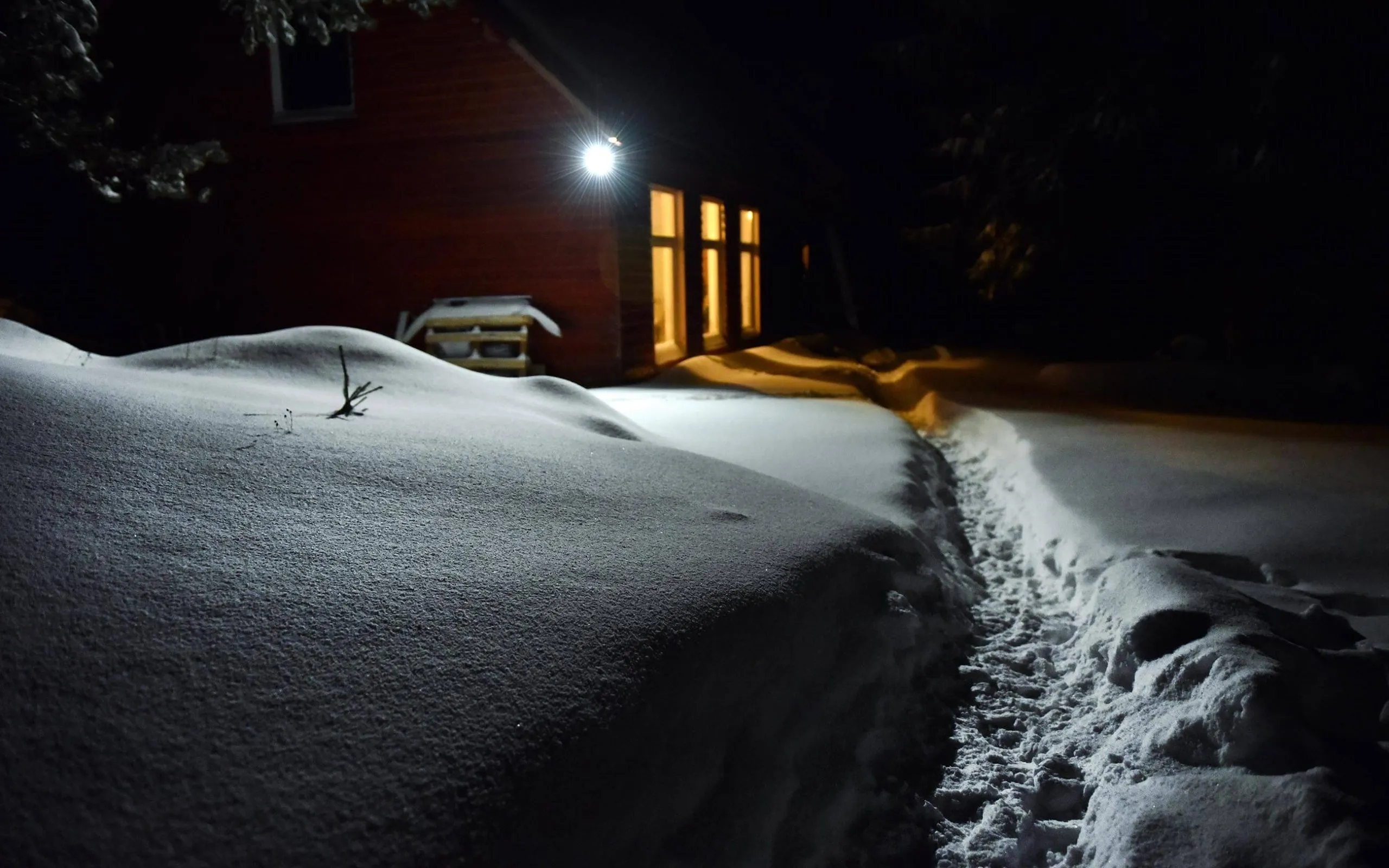
How Winter Fits a Year Round Plan
Pest control works best as a plan that runs all year, not a single visit when something goes wrong. Each season has its own job. Springtime pest control handles insects coming out of the ground and wasps starting nests. Fall pest control gets ahead of mice and overwintering insects before the freeze. Winter keeps the house sealed and catches anything that got in anyway.
In winter, our work focuses on the house itself: finding and sealing entry points, baiting and trapping where rodents are active, and monitoring so we can see whether activity is dropping. Exterior treatments are timed to the weather and to what each product label allows.
Our residential plans come in three levels:
- Essentials: quarterly service, four scheduled visits a year, covering most common household pests.
- Enhanced: bimonthly service, a visit every other month, and the plan we recommend for most homes. The tighter interval keeps pests from getting a foothold between visits.
- Maximum: monthly service, built for larger homes and for complex or multiple pest problems.
Every plan includes call backs between scheduled visits. What drives the price is the size of the home, which pests are involved, how established they are and how often we visit, so we price each home on its own and give you a free quote for the plan that fits. Not sure which one? Call us. We will tell you the smallest plan that solves your problem. See our quarterly pest control plans for more.
Running a business? See commercial winter pest control.
Winter Pest Control Questions
Do Mice Hibernate in Winter?
No. Mice stay active all winter and move toward warmth, food and nesting material, which is why they show up in homes as the weather turns cold.
Is Winter Pest Control Worth It in Colorado?
For most Front Range homes, yes. The cold months are when mice push indoors, and sunny winter days bring overwintering insects out of the walls. Winter service keeps entry points sealed and catches rodent activity early, while it is still small.
What Pests Are Active in Winter on the Front Range?
Mainly house mice and deer mice, along with rats in some areas, spiders already living indoors, and overwintering insects such as boxelder bugs and cluster flies that wake up on warm days.
Why Do Boxelder Bugs Show Up on Sunny Winter Days?
They spend the winter in wall voids, attics and gaps around windows. A sunny day warms those walls, the bugs become active, and some wander into the living space instead of back outside. Vacuum them rather than crushing them, which can stain.
Can You Treat for Pests When It Is Cold or Snowing?
Yes. Most winter work happens inside and at entry points, which does not depend on the weather. Exterior treatments are timed to the conditions and to what each product label allows.
What Does a Winter Service Visit Include?
It covers checking and sealing entry points, baiting and trapping where rodents are active, and monitoring whether activity is dropping. Your technician tells you what was found and what was done.
Winter Service Before the Cold Sets In
Start a plan before the cold sets in. Call 720-583-4126 or ask for a free quote. We call back within one business day, and satisfaction is guaranteed.
What Our Customers Say
OMNIS holds a 4.8 star rating from 120 Google reviews. Read them, and leave your own, on our Google reviews page.