
 Pantry Pests
 Pill Bugs
 Ants
Ants Spiders
 Bees
Bees Crickets
 Miller Moths
 Millipedes
 Wasps
Wasps Hornets
 Mice
Mice Voles
Voles Rats
Rats Bats
Bats Birds
Birds Gophers
 Mosquitos*
 How to Identify Rodent Droppings
 Keep Pests Out of Your Kitchen
 Keep Ants Away
Pro Tips
Mice in the Attic: Signs, Damage, and How to Get Them Out
Something is moving above your bedroom ceiling after dark. That is how most attic mouse problems announce themselves, and by the time you hear it the mice have usually been up there for weeks.
An attic is also the worst place in the house to work. Insulation hides the evidence, the footing is bad, and the wiring runs where you have to crawl. Here is how to confirm it is mice, what they wreck, and the order the work has to happen in.
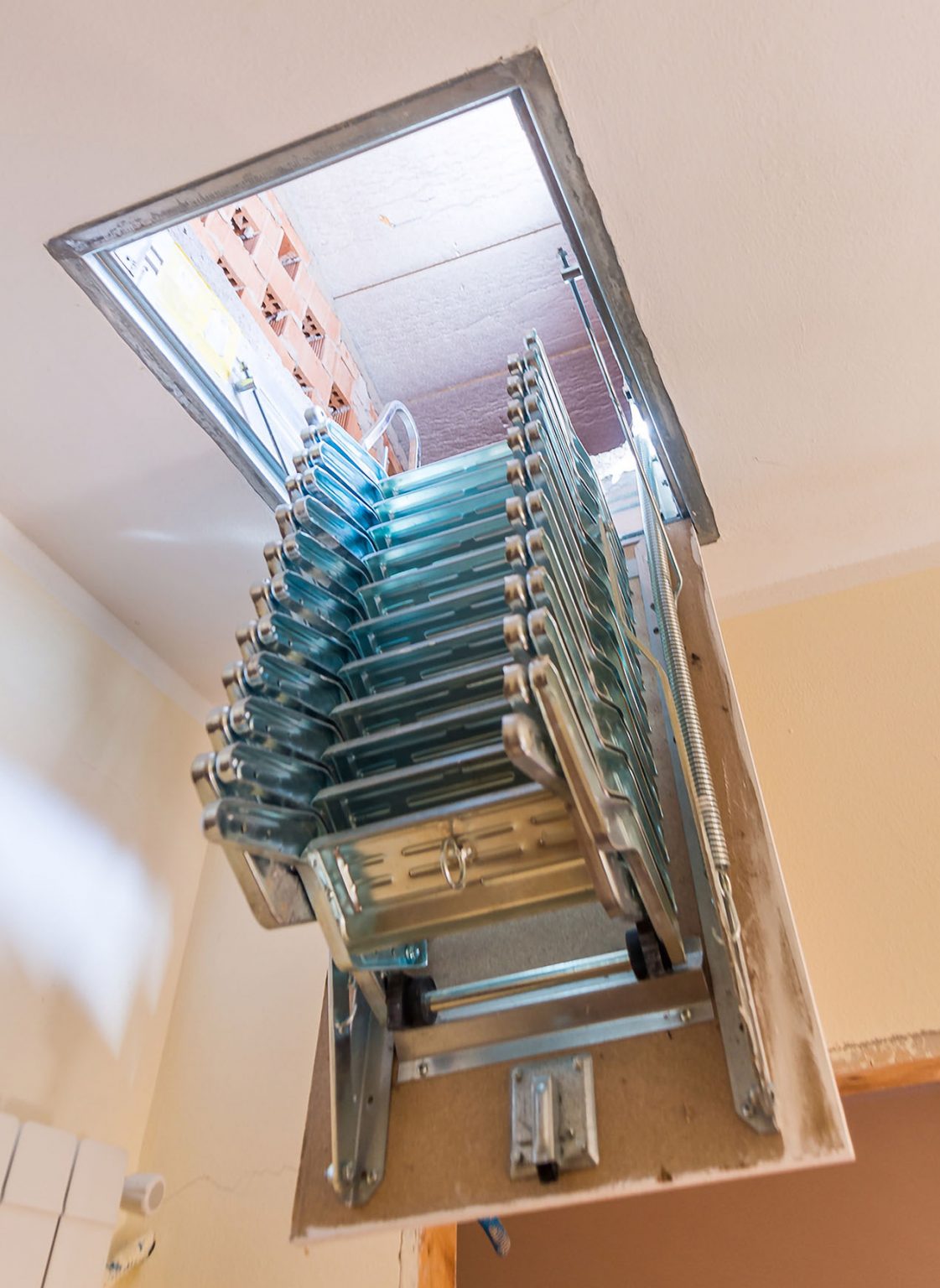
The Sound Test
Signs You Have Mice in the Attic
The sound is your first and best clue, and it identifies the animal before anyone goes up a ladder.

Mice scratch and scurry lightly, and mostly just after dark. The sound comes in short bursts, moves a few feet, and stops. Nothing gets dragged.
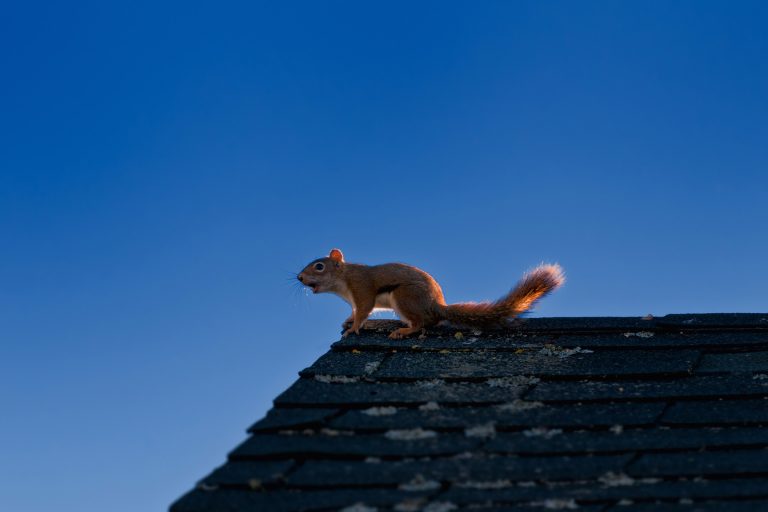
Squirrels are heavier and active in daylight, usually early morning and late afternoon. You hear rolling and dragging, because squirrels cache nuts.

Raccoons are much heavier again. Slow thumping footfalls and audible weight shifting. A raccoon in an attic sounds like a person.
The Visual Evidence
Light, fast, and after dark means mice. Heavy and at noon does not.
The rest of the evidence is visual:


Droppings along joists and on stored boxes. About a quarter inch, dark, with pointed ends. Our guide to identify rodent droppings sorts mouse sign from rat and bat sign, which call for different work.

Tunneled or flattened insulation. Runways pressed into blown-in insulation, or channels burrowed through batts. Mice travel the same routes nightly.

Greasy rub marks on rafters and truss chords. Oil and dirt off their coats smudges the wood at pinch points they squeeze through.

Shredded nesting material. Insulation fiber, cardboard, and paper worked into a loose ball against a wall plate or under stored items. Here is what mouse nests look like.

A musky ammonia smell through ceiling vents. Urine concentrates in insulation, and the smell comes down through can lights and bath fans.

Entry Points
How Mice Get Into an Attic
Mice rarely start in the attic. Most of them start at ground level and climb inside the house.
The common route is a gap at the foundation, a garage door seal that no longer touches concrete, or a utility penetration at the sill. From there mice move up inside wall cavities and utility chases, and the attic is the top of that shaft. If you have been hearing mice in your walls as well as overhead, that is the same population using the same route.
They also come straight in at the roofline: soffit gaps where the panel has pulled away from the fascia, unscreened or torn gable vents, roof vents with damaged screening, and roof-to-wall junctions where a lower roof ties into an upper wall.
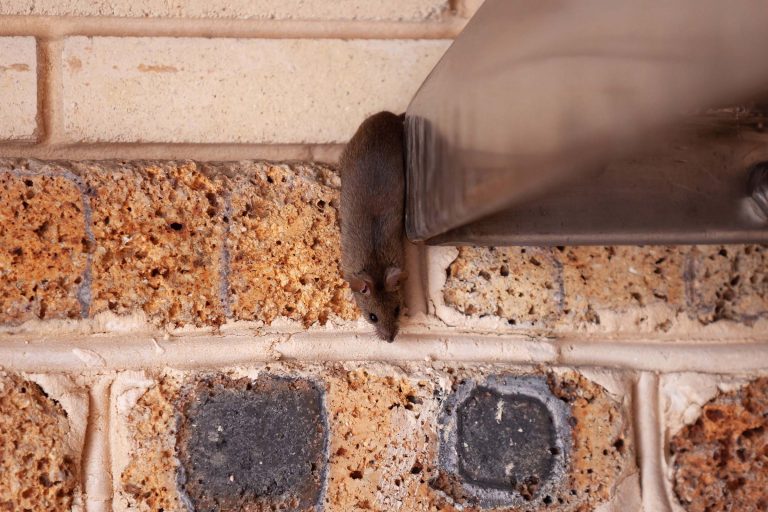
Getting up there is not the obstacle people assume. Mice climb brick, stucco, and downspouts without difficulty, and they use tree limbs and utility lines that reach the roof. An adult house mouse fits through a quarter-inch opening.
The Hidden Damage
What Mice Damage in an Attic
An attic problem is not a mouse in the pantry. The damage is expensive, hidden, or both.
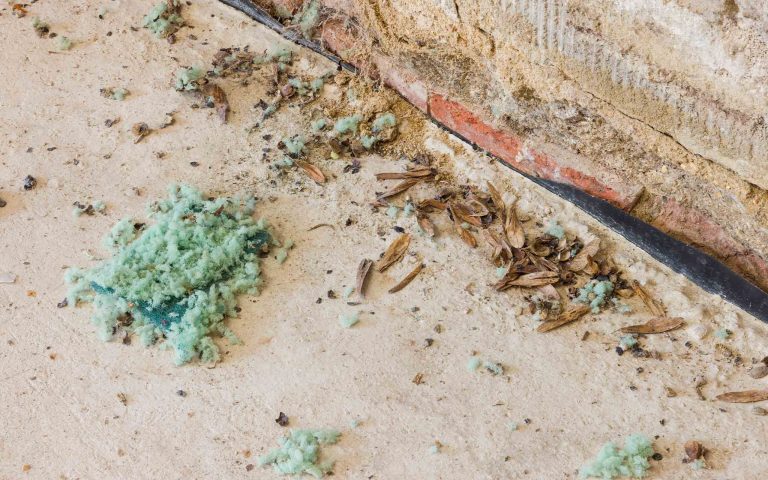
Insulation takes the worst of it. Mice tunnel through blown-in fiberglass and cellulose, and every runway they press in compresses the material. Insulation works by trapping air, so compressed insulation has less R-value, and R-value is what your furnace bill rides on through a Front Range winter.
Soiling costs more. Urine and droppings saturate the batts along runways and around nests, and contaminated insulation generally gets replaced rather than cleaned. There is no practical way to wash a fiberglass batt in place, and replacing insulation across a section of attic is a real line item.
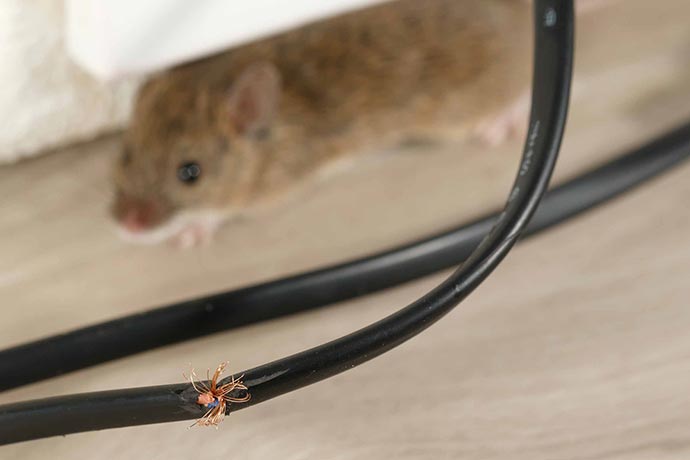
Wiring
Mice gnaw constantly, and in an attic that means the sheathing on Romex runs and low-voltage cable for thermostats, doorbells, and network drops. Gnawed sheathing can expose the conductors underneath, and exposed conductors in loose insulation are a fire risk. That is why attic rodent activity is urgent rather than seasonal, and why an inspection includes checking accessible wiring and flagging damage for an electrician.

Stored Belongings and HVAC Ductwork
Whatever you store up there is nesting material. Boxes, decorations, luggage, and paperwork get shredded and soiled. Flex duct is a favorite: mice chew the outer jacket for fiber and sometimes breach the inner liner, which puts attic air into the supply side of your HVAC system.
The Cost of Waiting
Is It Safe to Just Leave Them Up There?
No. It is a reasonable thought: the attic feels sealed off, and the noise is easy to ignore. Two things make it the wrong call.
The population grows. House mice breed year-round in a heated structure, and a pair in October is a working colony by spring. The damage compounds with it: more compressed insulation, more soiled batts, more gnawing on wiring and duct every week.
And the attic is not sealed off from your living space. Can lights, bath fans, ceiling registers, and the top plates of interior walls are all open penetrations. Odor comes down through them, and so does insulation dust. That is much of why mice are dangerous rather than merely annoying, and it is where most people decide to call an exterminator for mice.
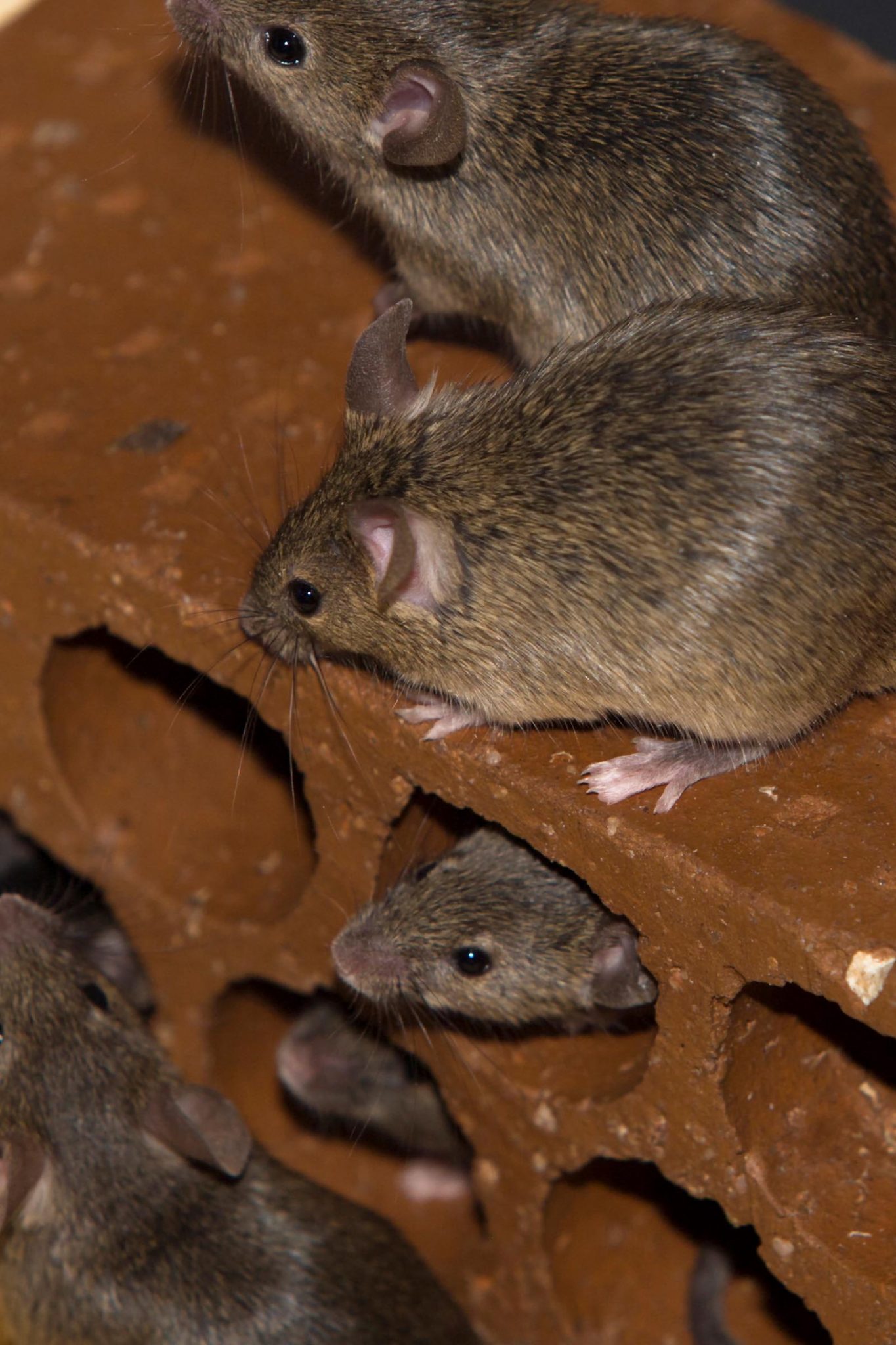
An adult house mouse fits through a quarter-inch opening.
The Right Order
How to Get Mice Out of an Attic
The order matters more than the tools. In the wrong sequence, the same work produces months of trapping and no result.

Inspection and entry-point mapping. Walk the exterior and the attic. Find the roofline openings, the ground-level entries, and the wall cavities connecting them, and note the runways.

Exclusion at the roofline, before trapping. Seal soffit gaps, screen gable and roof vents, close roof-to-wall junctions with rodent-resistant material. Sealing first makes the mice already inside a fixed number instead of a resupplied one.

Trapping and monitoring. Traps on the runways and along joists where the mapping put them, checked and reset until activity stops. Monitoring confirms it stayed stopped.

Cleanup and contaminated-insulation assessment. Remove droppings and nesting material, and assess how much insulation is soiled enough to replace.

Prevention below. Close the foundation, garage, and utility entries so the wall cavities stop feeding the attic.
That is what professional mouse control looks like on an attic job. Steps one and two decide most of the outcome.
The DIY Trap
Why DIY Attic Trapping Usually Fails
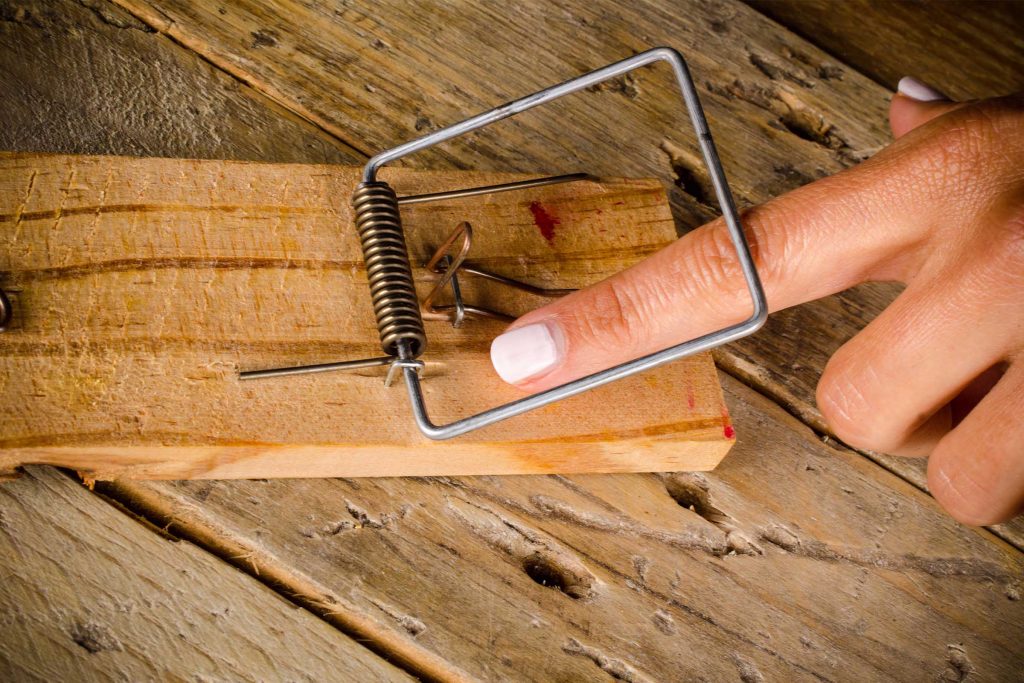
The standard DIY approach is a dozen snap traps in the attic and nothing else. It catches mice. It does not end the problem.
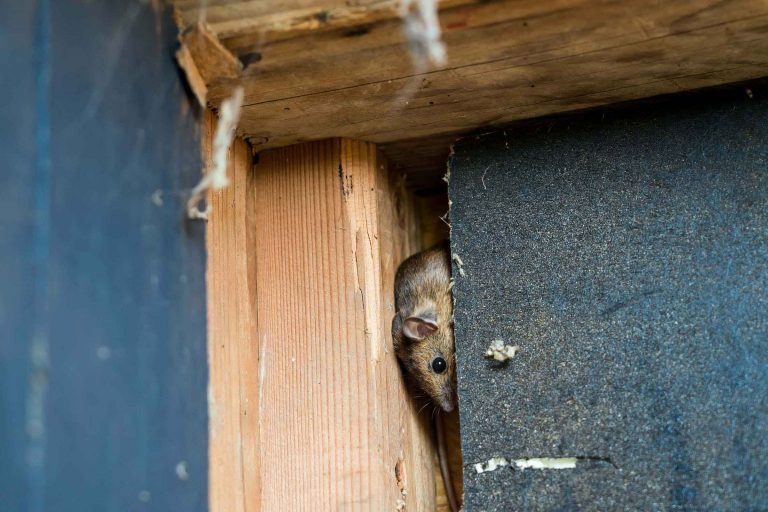
Trapping without exclusion below just harvests a population that keeps getting resupplied. You remove six mice, the wall cavity route stays open, and six more move up over the next few weeks. From the top of the ladder that looks like an infestation that never shrinks. What you have is a working entry point.
Poison bait has a related problem. Mice that take bait often die inside wall cavities and above ceilings, and a decomposing mouse behind drywall is a two-week odor you cannot reach. At that stage the fix is dead animal removal.
Health and Safety
Cleanup and Contamination
Attic cleanup means droppings, urine-soaked insulation, and nesting material in a confined space with poor airflow.
One health note, stated plainly: deer mice can carry hantavirus, which spreads when contaminated droppings, urine, or nesting material are disturbed and become airborne.
Sweeping or vacuuming dry droppings is the action that stirs them up.
The CDC publishes guidance on cleaning rodent-contaminated spaces, worth reading before you go up.
That changes the method. Contaminated material gets wetted rather than swept, bagged rather than stirred, and heavily soiled insulation is assessed for replacement instead of cleaning, with respiratory protection and gloves throughout. Cleanup reduces the contaminated material in the attic. It is a removal process, and no one should describe it as more than that.
Local Rooflines
Attic Mice in Douglas County Homes
Local rooflines make this harder than national advice suggests. Vaulted ceilings and complex, multi-gable rooflines are common in Castle Rock and Parker builds, and every extra roof plane adds soffit run and roof-to-wall junctions. A simple gable has two soffit lines and no junctions. A Douglas County house with a vaulted great room, a bumped-out garage, and two dormers can have a dozen seams that can open, and each has to be found by walking the roof.
Species matters too. House mice are the usual occupants in town, but foothills-adjacent properties toward Larkspur, Perry Park, and the west side of Castle Rock also see deer mice moving indoors as temperatures drop through October. The about mice page covers telling them apart, and Castle Rock mouse control has the local service details.




What Does It Sound Like When Mice Are in Your Attic?
Light scratching and quick scurrying, mostly in the first hours after dark, in short bursts that stop. Squirrels are heavier, active in daylight, and roll or drag things. Raccoons are much heavier and thump. Fast, light, and nocturnal is mice.
Will Mice in the Attic Go Away on Their Own?
No. A heated attic with insulation to nest in beats anything outside, and mice breed year-round indoors. Left alone, the population grows and the damage compounds.
Do I Need to Replace Insulation After Mice?
Sometimes. Lightly affected areas may only need droppings and nesting material removed. Insulation saturated with urine or compressed along heavy runways is normally replaced, because soiled batts cannot be cleaned in place and compressed batts have lost R-value. An inspection sorts one from the other.
How Do Mice Get Into an Attic?
Usually from below: the foundation, garage, or a utility penetration, then up wall cavities and chases. They also enter at the roofline through soffit gaps, unscreened gable and roof vents, and roof-to-wall junctions, climbing brick, stucco, and downspouts to reach them.
How Long Does It Take to Get Rid of Attic Mice?
Exclusion is typically one visit once entry points are mapped. Trapping and monitoring run over several weeks after that, because the goal is a stretch of no activity rather than one good night. Timelines vary with population size and entry-point count.
Get Started
Attic Mouse Removal From OMNIS
We inspect the attic and the entry points below it, seal the roofline before setting a trap, then trap and monitor until activity stops. You get a map of where they were getting in and what it took to close it.
Hearing something overhead? OMNIS will inspect the attic and the entry points below it. Call 720-583-4126.

Your Douglas County Crew
Questions? Talk to OMNIS Pest Control
We would rather answer a question now than fix a problem later.