
 Pantry Pests
 Pill Bugs
 Ants
Ants Spiders
 Bees
Bees Crickets
 Miller Moths
 Millipedes
 Wasps
Wasps Hornets
 Mice
Mice Voles
Voles Rats
Rats Bats
Bats Birds
Birds Gophers
 Mosquitos*
 How to Identify Rodent Droppings
 Keep Pests Out of Your Kitchen
 Keep Ants Away
PEST LIBRARY
About Miller Moths
Colorado's most famous seasonal nuisance. The adult army cutworm, in migration, by the millions. Here is what is going on and why your porch lights are covered.
FIELD NOTES
Miller Moths by the Numbers
If your porch was alive with moths in late May, this is what was happening and how far they had already traveled to get to your house.
1
Species
All the moths driving you crazy are one species, the army cutworm adult (Euxoa auxiliaris). Larva is a crop pest. Adult is the migrating nuisance.
500 mi
Migration
Miller moths can travel hundreds of miles from the eastern plains to high mountain meadows for the summer. The Front Range is their corridor.
6 weeks
Peak Window
The spring migration window typically runs from late May through mid-June, with a return trip in late summer. Heat triggers the move.
0
Indoor Breeding
Miller moths do not lay eggs indoors and do not reproduce in your home. They are passing through, even if it does not feel like it.

IDENTIFICATION
Understanding the Army Cutworm Moth
The moth you call a "miller" has a proper name: Euxoa auxiliaris. The same insect lives two completely different lives. As a caterpillar, it is the army cutworm, an agricultural pest that overwinters in plains soil and feeds on winter wheat, alfalfa, and other crops. As an adult, it is the miller moth, a long-distance migrant that flies hundreds of miles to spend the Colorado summer feeding on alpine wildflowers.
Most years, the migration corridor takes them right through the Castle Rock area in late May and early June. The reverse trip happens in late summer when temperatures cool in the mountains. Bright lights along the way pull them off course and into homes, garages, and storefronts.
Two Forms, One Insect
Army cutworm (larva) and miller moth (adult) are the same species in different life stages. Larva damages crops. Adult is just an annoying tourist.
Migration Driver
Adults move from hot plains to cool high country in spring, reverse in fall. They are following temperature, not chasing your kitchen.
Kidney-Shaped Spots
Look for two pale, kidney-shaped spots on each forewing. Wingspan around 1.5 to 2 inches. Gray to brown, sometimes mottled.
Not Breeding Indoors
Adults do not lay eggs indoors. Eggs go in plains soil in fall. You are dealing with confused travelers, not an infestation.
THE FEATURE
The Miller Moth Life Cycle
The army cutworm's annual cycle takes it from plains crop fields to the Continental Divide and back. Understanding the timeline tells you when to expect them and when they will leave.
1

Egg
FALL
Females lay eggs in plains soil in late summer and fall. Eggs hatch quickly. The larvae overwinter in the soil, feeding on roots and shoots through the cold months.
2
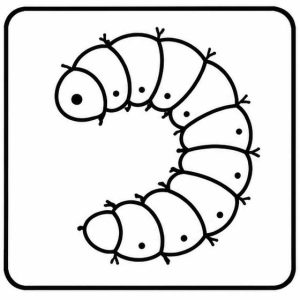
Larva
WINTER–SPRING
The army cutworm. Larvae feed on winter wheat, alfalfa, and other plains crops through winter and early spring. Mature larvae are 1.5 inches long, gray-green with stripes.
3
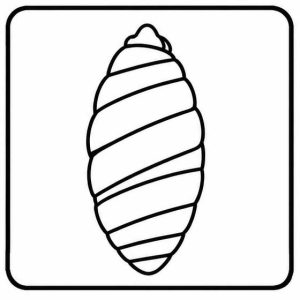
Pupa
MID-SPRING
Larvae pupate underground in plains soil. Two to four weeks later, the adult moth emerges and immediately starts the westward migration toward the Front Range and the mountains.
4
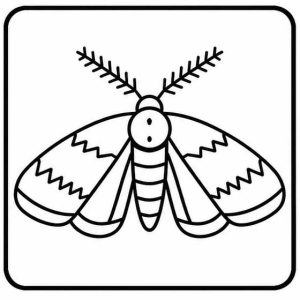
Adult Moth
SUMMER–FALL
Migration through Front Range in late May and June. Summer in high-altitude wildflower meadows. Return migration in late summer for fall egg-laying on the plains.
PROPERTY DRIVERS
What Pulls Miller Moths Off Their Migration
Miller moths are not targeting your home. They are pulled in by signals they cannot resist while they are passing through. Cut the signals and you cut the problem dramatically.

Outdoor Lights
Porch lights, landscape spots, and security floods are the single biggest driver. White and blue-white bulbs pull moths in from a long way off.

Indoor Light Leak
Light spilling through windows and screen doors draws moths to glass. Once they find a gap, they get in. Close blinds at dusk during peak migration.

Gaps in Screens
Damaged screens, gaps under garage doors, and weatherstripping in poor condition let moths inside in numbers. Migration weeks are when small gaps add up.

Migration Corridor
Castle Rock sits squarely in the front-range migration path. Some seasons are worse than others depending on plains conditions, but the corridor is permanent.
FIELD GUIDE
The Same Species, Two Different Pests
The army cutworm and the miller moth are not two different bugs. They are the same insect at different points in its annual cycle. Each form gets people calling pest control, just for very different reasons.

LARVA / CROP PEST
Army Cutworm
Euxoa auxiliaris (larva)
Active:Winter to Spring Threat:Crops on plains
Subterranean larva that overwinters in plains soil and feeds on winter wheat, alfalfa, and other crops. Mature larvae reach 1.5 inches, gray-green with darker stripes. Causes serious agricultural losses in heavy years. Most Front Range homeowners never see them.
ADULT / NUISANCE
Miller Moth
Euxoa auxiliaris (adult)
Active:Late spring to fall Threat:Indoor invasion
The adult miller moth. Gray to brown with kidney-shaped spots on each forewing. Migrates from plains to mountains in late May and June, returns in late summer. Pulled off course by lights. The Castle Rock area version of an annual seasonal event.
PEST THREAT LEVEL
3/10
LOW-MODERATE
Annoying, Yes. Dangerous, No.
Miller moths are one of the least threatening pests we deal with from a health and structural standpoint. They do not bite, do not sting, do not carry disease, do not damage your house, do not feed on stored food, and do not reproduce indoors. The single danger they pose is to people with severe moth-scale allergies, and even those cases are uncommon.
What they do is invade in numbers. A bad miller moth year in Castle Rock can mean dozens or hundreds of moths working their way into your garage and house every evening for weeks. The problem is volume and timing, not danger. The right response is exclusion and light management, not chemical treatment.
Indoor Invasion
Mass entry during migration
Crop Damage
Significant in larval stage
Scale Allergens
Dust from wings
Bear Food
Critical mountain ecology
FREQUENTLY ASKED
What Castle Rock Homeowners Ask About Miller Moths
Every spring we get the same questions, all of them reasonable. Here are the straight answers based on 13 years of working this issue locally.
1. Why are there so many this year?
Miller moth volume depends on conditions on the eastern plains the previous fall and winter. A wet fall and mild winter mean more larvae survive, which means more adults migrating in spring. Drier conditions on the plains can also push more moths toward Front Range moisture as they migrate.
2. Are miller moths dangerous?
Not in any meaningful sense. They do not bite, sting, carry disease, damage structures, contaminate food, or reproduce indoors. Severe allergies to moth scales exist but are rare. For the vast majority of people, miller moths are an aesthetic and psychological problem, not a health one.
3. How do I keep them out?
Light management is the single most effective approach. Switch outdoor fixtures to yellow or amber bulbs during migration weeks. Close blinds and curtains at dusk to reduce indoor light leak through windows. Repair or replace damaged screens. Seal gaps around doors, especially garage doors.
4. Will they damage my house?
No. Miller moths do not eat fabric, wood, drywall, or any structural material. They do not lay eggs indoors. They do not establish colonies. The dead ones can leave dust and scales on windowsills and light fixtures, but that is the extent of it.
5. When will they finally leave?
Spring migration through the Castle Rock area typically wraps up by late June. A second, usually smaller, return wave occurs in late August and September as adults move back to the plains for fall egg-laying. After the fall move, you generally will not see them again until next May.
GET STARTED
At OMNIS, we go above and beyond to keep your home or business pest-free.
We are your neighbors. We know the pests you are dealing with because we have dealt with them too. We stay up to date on current ever-evolving pest control techniques and products.
Targeted Miller Moth Inspections
Our crew handles miller moth invasions during peak migration weeks across the Castle Rock area, focusing on exclusion, light management, and targeted removal rather than chemical treatments that would not work on a migrating insect anyway.
Expert Miller Moth Removal in Castle Rock
Understanding why miller moths show up, what is pulling them off their migration, and how to interrupt that pull is the difference between a manageable few weeks and a miserable spring. When your porch lights are covered and the garage door cannot close without releasing a cloud, OMNIS Pest Control is here to help.
We have served Castle Rock, Parker, and Douglas County for over 13 years, working through miller moth migrations every spring. Our technicians focus on exclusion, light management recommendations, and removal of moths that have already gotten inside.
Call 720-583-4126 or contact us online to get started.
More Pest Protection.
More Peace of Mind.