
 Pantry Pests
 Pill Bugs
 Ants
Ants Spiders
 Bees
Bees Crickets
 Miller Moths
 Millipedes
 Wasps
Wasps Hornets
 Mice
Mice Voles
Voles Rats
Rats Bats
Bats Birds
Birds Gophers
 Mosquitos*
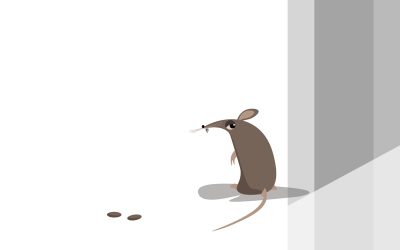 How to Identify Rodent Droppings
 Keep Pests Out of Your Kitchen
 Keep Ants Away
Professional Yellow Jacket Removal in Castle Rock, Colorado
Yellow jackets are among the most aggressive stinging insects in Colorado. Unlike honeybees that sting once and die, yellow jackets attack repeatedly when their nest is threatened. A single colony can house thousands of wasps, and their hidden underground nests make them especially dangerous for homeowners, children, and pets.
If you've spotted yellow jackets around your property, don't wait for someone to get stung. OMNIS Pest Control provides safe, effective yellow jacket removal throughout Castle Rock, Parker, Monument, and the Front Range.
Contact OMNIS for yellow jacket removal before the colony grows.
Pest Threat Level: 9/10
Yellow jackets are the most aggressive wasp species in Colorado. They nest underground or inside wall voids, making accidental encounters extremely common. When threatened, the entire colony attacks, and each wasp can sting multiple times. Their venom triggers severe allergic reactions in many people, making yellow jacket control a safety priority.
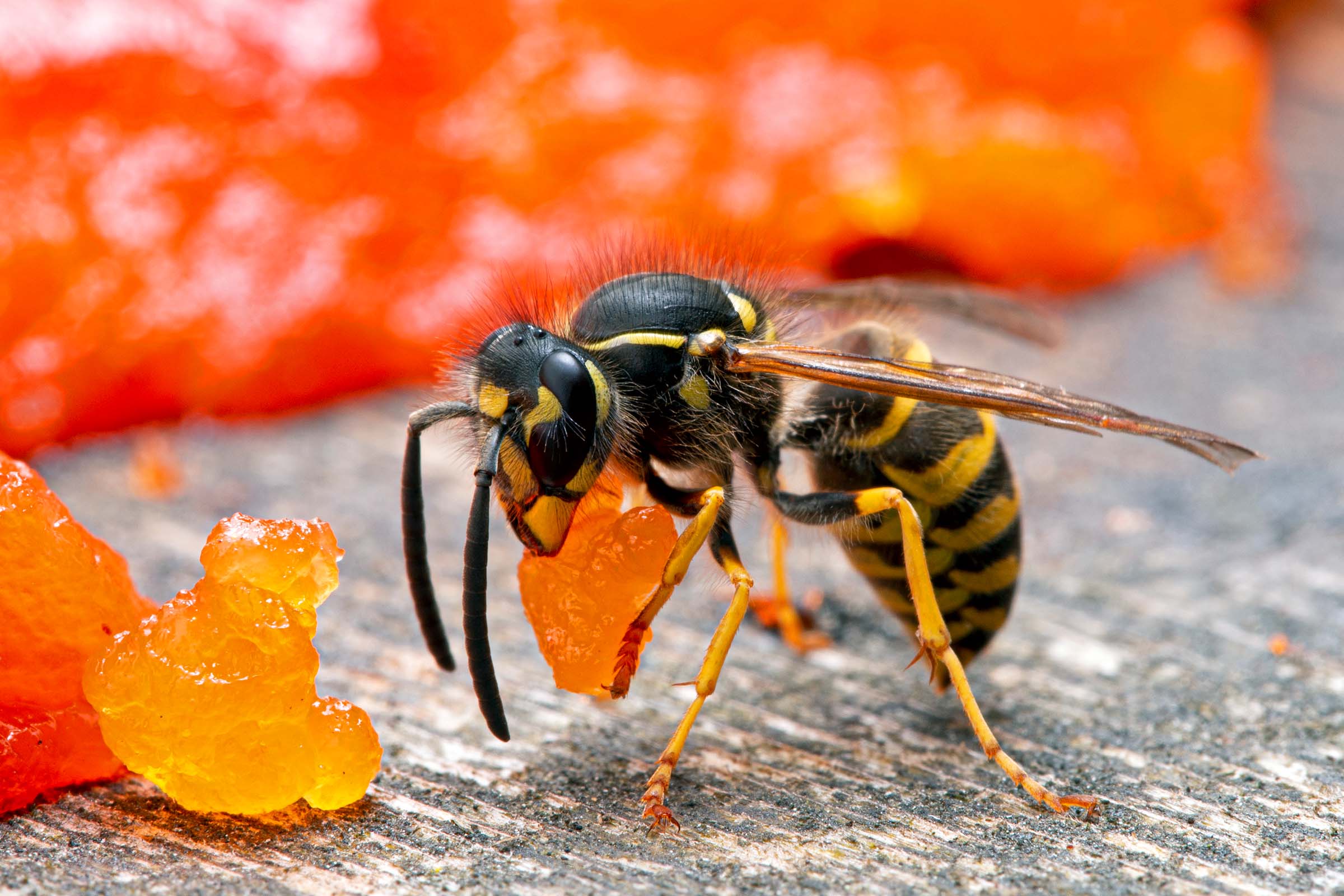
Why Yellow Jackets Are Dangerous
Repeated Stings
Unlike honeybees, yellow jackets don't die after stinging. A single yellow jacket can sting you five, ten, or more times in rapid succession. When you disturb a nest, dozens of angry wasps may attack simultaneously.
Hidden Nests
Most yellow jacket nests are underground in abandoned rodent burrows or inside wall voids. You often don't know a nest exists until you step on it or disturb it while mowing, gardening, or playing in the yard.
Severe Allergic Reactions
Yellow jacket venom is a common trigger for anaphylaxis, a life-threatening allergic reaction. Even people who've been stung before without problems can develop sudden severe allergies. Multiple stings increase the danger.
Extreme Aggression
Yellow jackets are the most territorial wasps in Colorado. They perceive loud noises, vibrations, and movement as threats. Mowing your lawn or playing in the yard can trigger a swarm attack from a hidden nest.
Late Summer Peak
Yellow jacket colonies grow all summer, reaching peak populations of 2,000-5,000 wasps by late August and September. As natural food sources decline, they become more aggressive around human food and gatherings.

Yellow Jacket Identification
Yellow jackets are often confused with honeybees, but they're quite different. Understanding what you're dealing with helps determine the best removal approach. For a detailed comparison, see our guide on differences between bees and wasps.
Physical Characteristics
- Size: 3/8 to 5/8 inch long, slightly smaller than honeybees
- Color: Bright yellow and black banding on the abdomen (some species have white or red markings)
- Body: Smooth, shiny, and hairless with a defined "waist" between thorax and abdomen
- Wings: Fold lengthwise when at rest, appearing narrow
- Stinger: Smooth, barbless, allowing repeated stings
Compare this to honeybees, which are fuzzy, rounder, and have barbed stingers that detach after one sting.
Behavior Signs
- Flight pattern: Fast, direct, side-to-side movement when agitated
- Food interest: Attracted to sugary drinks, meat, and human food (unlike honeybees)
- Nest location: Underground holes, wall voids, attics, or enclosed spaces
- Activity: Most active in late summer and fall
- Aggression: Will chase perceived threats for significant distances
If you see wasps entering a hole in the ground or a gap in your siding, you likely have a yellow jacket nest.
The OMNIS Yellow Jacket Removal Process
Yellow jacket removal requires specialized knowledge and protective equipment. Their underground and wall-void nests demand different treatment approaches than exposed wasp nests. Our technicians have extensive experience with yellow jacket colonies throughout Douglas County and El Paso County.
Step 1: Locate the Nest
We trace yellow jacket flight patterns to find every nest on your property. Underground nests can extend several feet below the surface. Wall-void nests may span multiple wall cavities.
Step 2: Apply Treatment
Using professional-grade products and full protective gear, we treat the nest directly. For underground colonies, we use specialized application methods to reach the queen deep within.
Step 3: Eliminate Colony
We ensure the entire colony is eliminated, including the queen. A surviving queen means the nest can rebuild. We confirm complete elimination before closing the treatment.
Step 4: Prevent Return
We seal entry points and apply preventive treatments to discourage new colonies from establishing. Old nest sites attract new queens, so prevention is essential.
DIY Yellow Jacket Removal: What NOT To Do
Yellow jackets are uniquely dangerous for DIY removal attempts. Their hidden nests, aggressive defense, and ability to sting repeatedly make amateur treatment extremely risky. Here's what to avoid:
Don't Pour Gasoline or Boiling Water
This is the most common DIY mistake. Pouring liquids down a yellow jacket hole kills some workers but rarely reaches the queen. Survivors become extremely aggressive, and you've now created an angry swarm with nothing to lose. Gasoline also contaminates soil and groundwater.
Don't Seal the Entrance
Plugging an underground entrance or wall gap won't trap yellow jackets inside. They'll dig new exits or find alternate routes—often directly into your living space. You'll end up with angry yellow jackets inside your home.
Don't Use Store-Bought Sprays
Aerosol wasp sprays work on exposed paper wasp nests but fail against underground yellow jacket colonies. The spray doesn't penetrate deep enough to reach the queen, and you're standing directly above thousands of angry wasps while applying it.
Don't Attempt Removal at Midday
Daytime removal means most workers are out foraging. They'll return to find their nest disturbed and will search aggressively for the threat. Professional treatment is timed strategically, and we know how to handle returning foragers.
For safe, effective removal, learn why professional wasp control is the best choice.
Preventing Yellow Jacket Problems
Understanding why yellow jackets are attracted to your property helps you reduce the risk of nest establishment. Prevention is far easier than removal once a colony takes hold. Learn additional strategies in our guide on how to keep bees and wasps away.

Eliminate Food Attractants
- Keep outdoor garbage cans tightly sealed with locking lids
- Clean up spilled food and drinks immediately at outdoor gatherings
- Don't leave pet food outside
- Pick up fallen fruit from trees
- Rinse recycling containers before storing

Remove Potential Nest Sites
- Fill abandoned rodent burrows in your yard
- Seal gaps in siding, soffits, and foundation
- Cover vents with fine mesh screens
- Keep landscaping trimmed and tidy
- Remove old stumps and debris piles

Professional Prevention
- Schedule spring inspections before queens establish nests
- Quarterly perimeter treatments create a protective barrier
- Early detection prevents large colonies from developing
- Preventive treatment costs less than emergency removal
Yellow Jacket Nest Locations
Finding yellow jacket nests can be challenging because they prefer concealed locations. Unlike paper wasps that build visible nests under eaves, yellow jackets hide their colonies. Understanding nest locations helps you know where to watch for activity. For more details, see our guide on different types of bee and wasp nests.

Underground Nests
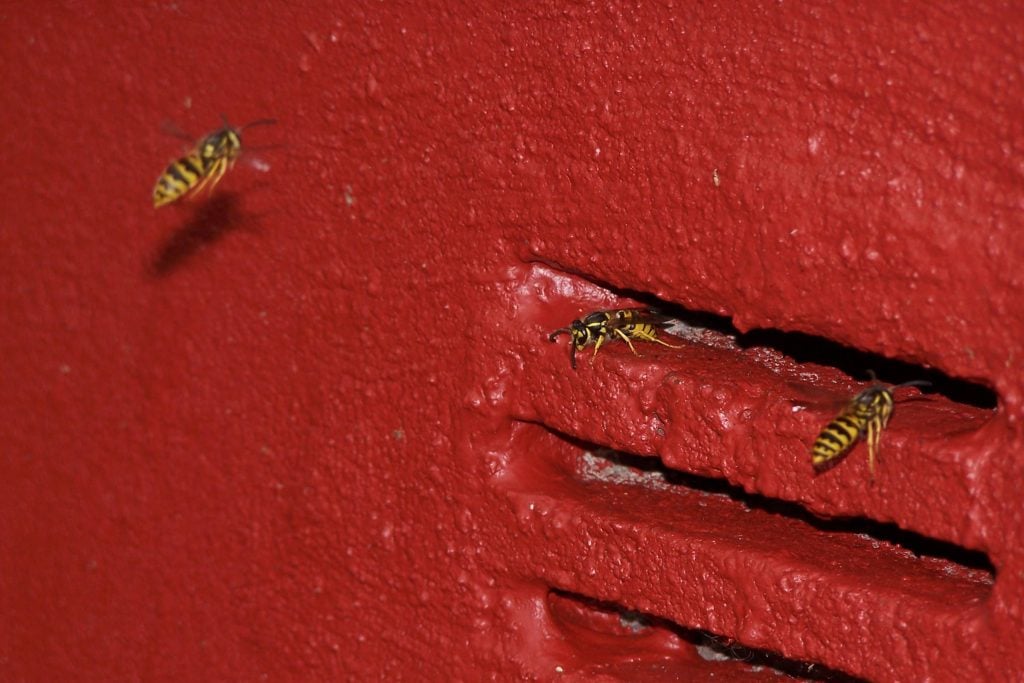
The majority of yellow jacket nests in Colorado are underground. Queens prefer existing cavities like abandoned rodent burrows, spaces under rocks, or gaps around tree roots. Signs of underground nests include:
- Wasps entering and exiting a hole in the ground
- Multiple wasps hovering over a specific area
- A worn path in grass or mulch leading to an entrance
- Activity increasing in the morning and evening
Underground nests can extend 2-3 feet below the surface and contain multiple chambers. The nest paper is gray or tan and built from chewed wood fibers mixed with saliva.
Wall Void & Structure Nests
Yellow jackets also nest inside wall voids, attics, and other enclosed spaces within buildings. These nests are especially problematic because:
- The colony is protected from weather, allowing larger populations
- Wasps may chew through drywall to access interior rooms
- Treatment requires accessing the void without spreading wasps
- Removal often requires minor construction work
Signs of wall-void nests include wasps entering gaps in siding, wasps inside your home, and buzzing or scratching sounds within walls. These nests require professional removal—sealing the exterior entrance only traps wasps inside.
Yellow Jacket Sting Safety
Yellow jacket stings cause immediate sharp pain, followed by swelling, redness, and itching that can last several days. For most people, stings are painful but not dangerous. However, some individuals experience severe allergic reactions requiring emergency medical attention.
Learn more about preventing stings in our guide: How to Protect Against Bee and Wasp Stings.

Normal Sting Reactions
- Immediate sharp, burning pain at the sting site
- Redness and swelling around the sting
- Itching that develops as swelling subsides
- Symptoms lasting 1-7 days
Treat with ice, antihistamines, and over-the-counter pain relievers. Clean the area and watch for signs of infection.
Seek Emergency Care For
- Difficulty breathing or swallowing
- Swelling of face, lips, tongue, or throat
- Hives spreading beyond the sting site
- Dizziness, confusion, or loss of consciousness
- Rapid heartbeat or drop in blood pressure
Call 911 immediately if you experience these symptoms. Use an epinephrine auto-injector (EpiPen) if available.
Get Yellow Jackets Off Your Property
Yellow jacket colonies only grow more dangerous as summer progresses. A small nest discovered in June can house thousands of aggressive wasps by September. Don't wait until someone gets stung multiple times. OMNIS Pest Control provides fast, safe yellow jacket removal throughout the Front Range.
We Serve
- Castle Rock
- Parker
- Monument
- Highlands Ranch
- Lone Tree
- Douglas County
- El Paso County
To schedule a free quote, call us at 720-583-4126.
More Pest Protection.
More Peace of Mind.
Other Bee & Wasp-Related Blogs
Bees Role in Our Ecosystem

Black Wasps in Colorado

Why Are Bees And Wasps Attracted To My House?
