
 Pantry Pests
 Pill Bugs
 Ants
Ants Spiders
 Bees
Bees Crickets
 Miller Moths
 Millipedes
 Wasps
Wasps Hornets
 Mice
Mice Voles
Voles Rats
Rats Bats
Bats Birds
Birds Gophers
 Mosquitos*
 How to Identify Rodent Droppings
 Keep Pests Out of Your Kitchen
 Keep Ants Away
About Pantry Pests in Colorado: Identification & Information Guide
Colorado homes are vulnerable to several species of pantry pests, from Indian meal moths that infest your cereal to drain flies breeding in your pipes. Understanding which pests you're dealing with helps you know when DIY methods will work and when to call for professional help.
This guide covers the most common pantry pests in Castle Rock, Parker, and throughout the Front Range, including identification tips, behavior patterns, and what to do if you find them in your home.
Understanding Pantry Pests: The Basics
Pantry pests is a broad term covering various flying insects that invade homes, contaminate food, and create unsanitary conditions. Unlike occasional invaders that wander in from outside, pantry pests actively breed inside your home, with populations exploding in a matter of days.
Colorado's dry climate doesn't protect us from these pests. They thrive in the warm, moist microenvironments created by kitchens, bathrooms, drains, and even your houseplants. Understanding each species helps you identify what you're dealing with and take appropriate action.

Rapid Reproduction
A single Indian meal moth can lay 400 eggs. A housefly can lay 500. Once they establish a breeding site, populations explode within days.
Food Contamination
Pantry pests contaminate far more food than they consume. Their droppings, webbing, and shed skins render entire pantries unusable.
Disease Transmission
Houseflies alone transmit over 65 diseases including typhoid, cholera, and dysentery. Drain flies spread bacteria from sewage.
Hidden Breeding
By the time you see adult insects, the infestation is established. Eggs and larvae hide in drains, soil, and food packaging.

Indian Meal Moths
Plodia interpunctella | Threat Level: 8/10
Biology
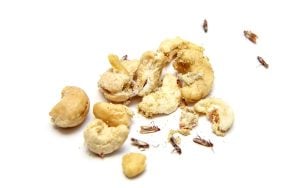
Indian meal moths are the most common and troublesome pantry invaders in Colorado. They have the ability to infest a wide range of foods, including grains, nuts, and chocolate. These pests can cause significant damage to stored food items and contaminate them with their silk webbing and feces.
Indian meal moths have a distinct reddish-brown color with tan or coppery wings. These insects are found in various areas of your home, such as kitchen cabinets, pantries, and other places where food is stored. One of the main ways Indian meal moths enter your home is through contaminated food products purchased from stores.
Signs of Infestation
The most apparent sign of an Indian Meal Moth infestation is the presence of adult moths flying around your home or near food sources. You may also notice tiny caterpillar-like larvae wriggling inside your stored food products. Furthermore, the infested food will have a slightly musty odor and may look powdery or clumpy due to webbing and fecal matter left behind by the larvae.
Pantry Pest Danger
Not only do they contaminate your food supplies by leaving behind their droppings and webbing, but they also pose health risks as their larvae can cause allergic reactions in some people. If you see any of these signs, it's essential to take immediate action before the problem gets out of hand.
Properly Seal Food
Make sure all food products are sealed tightly in airtight containers, such as glass or plastic jars with screw-on lids.
Regular Cleaning
Wipe down shelves and cabinets regularly to remove spilled food or crumbs. Vacuum and mop floors to eliminate food sources.
Inspect Packages
When purchasing dry goods, always check the packaging for signs of damage or infestation before bringing them home.
Rotate Food (FIFO)
Practice first in, first out when storing pantry items. Use older items first to prevent untouched food from attracting moths.
Store Pet Food Properly
Pet food is a common target for Indian Meal Moths, so store it in an airtight container just like human food.
Dispose Properly
If you find infested items, dispose of them properly and thoroughly clean the area to remove any remaining eggs or larvae.
Drain Flies
Psychodidae | Threat Level: 5/10
About Drain Flies
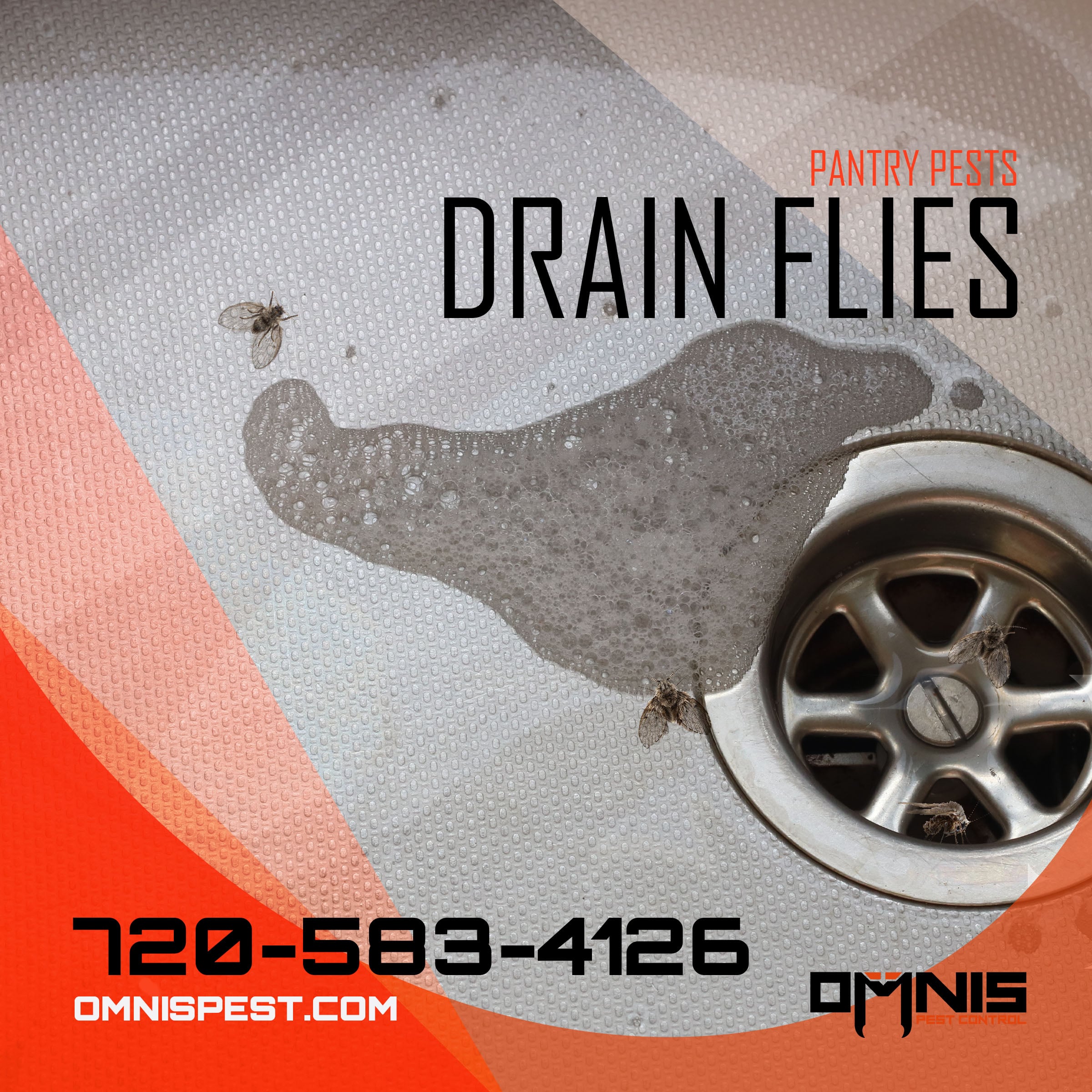
Drain flies, also known as moth flies, are tiny flying insects that commonly infest homes and commercial establishments. These pests are often found in areas with standing water, such as sinks, drains, and leaky pipes. Not only are they a nuisance, but they can also pose health risks, as they can spread bacteria and other harmful microorganisms.
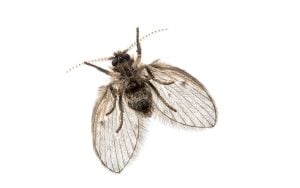
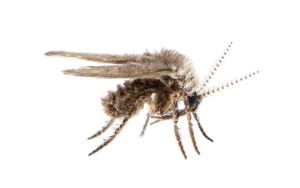
Drain flies, scientifically classified as Psychodidae, belong to a group of tiny insects measuring approximately 1/16 inch in length. These pesky bugs boast a delicate light gray or tan body adorned with fuzzy wings. Their unique characteristics encompass long antennae and wings covered in scales, which contribute to their somewhat moth-like appearance.

Signs of Drain Flies
One of the most obvious indicators of a drain fly infestation is the sight of adult flies buzzing around drains, pipes, and other damp spots. These tiny, moth-like insects are known for their erratic flying patterns and can typically be seen congregating near areas with standing water or moisture.
Additionally, you might observe their larvae wriggling on the walls of sink drains or moist surfaces, resembling small maggots with a whitish coloration. Another telltale sign to look out for is the presence of small black specks scattered around drains. These specks are actually the droppings left behind by these bothersome pests.

Locate Source
Check for areas with standing water like clogged sinks or leaky pipes.

Clean Drains
Use baking soda and vinegar, let sit 30 min, flush with hot water.

Seal Cracks
Seal any cracks and leaks in pipes to prevent entry points.

Call OMNIS
For severe infestations, contact OMNIS for professional treatment.
Fungus Gnats
Sciaridae | Threat Level: 4/10
Understanding Fungus Gnats
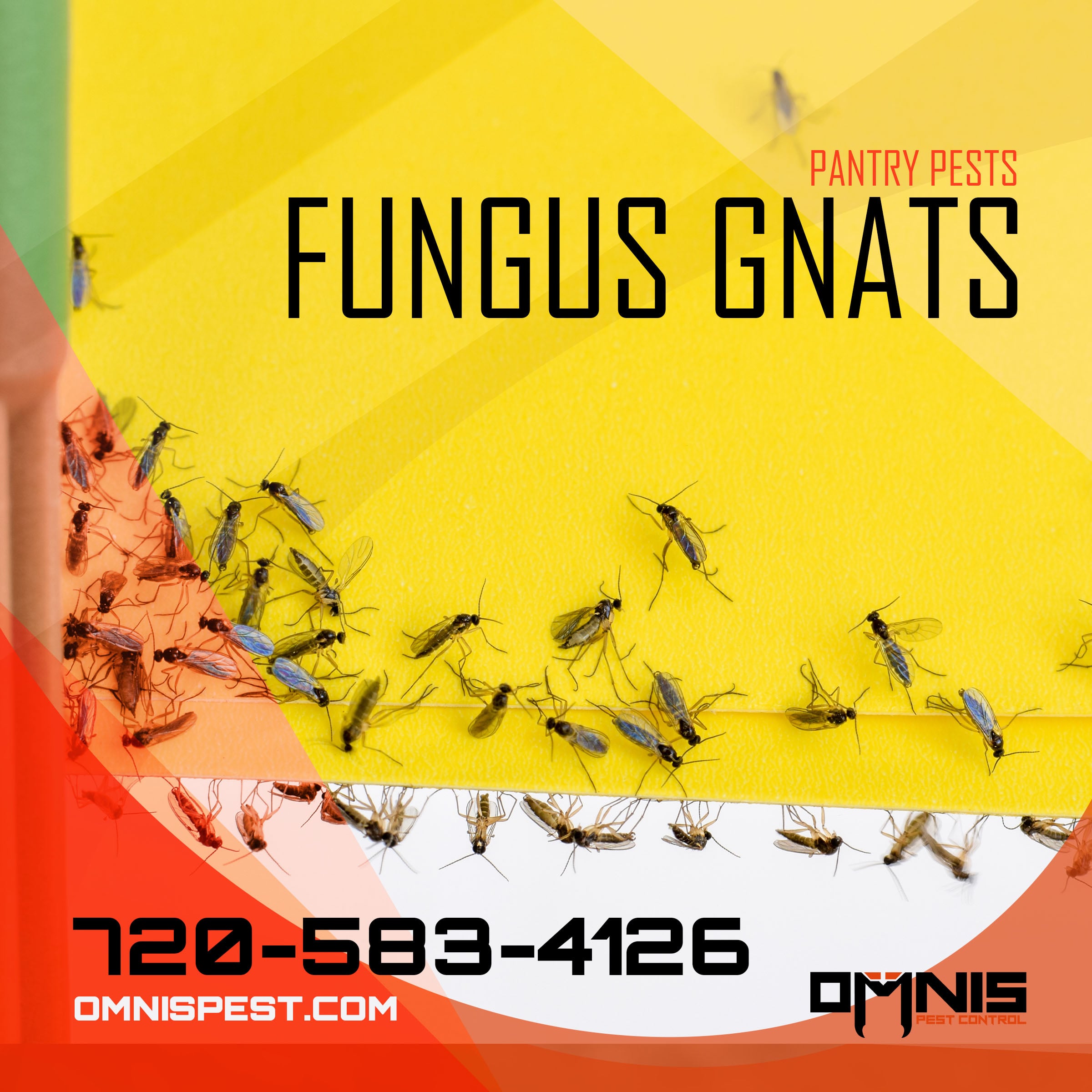
Fungus gnats, commonly referred to as soil gnats or sciarid flies, are minute flying insects that often become problematic in both indoor and outdoor settings. These pests are particularly attracted to moist environments, making them frequent unwelcome visitors around potted plants or within damp areas of a home.
Fungus gnats are small, black flies that measure about 1/8 inch in length. They possess elongated legs, lengthy antennae, and wings that neatly fold over their bodies during periods of rest. While they pose no direct threat to human health, the presence of fungus gnats can lead to significant issues for plant enthusiasts.
Plant Damage & Disease Spread
Fungus gnats are known to damage plant roots by feeding on them, stunting plant growth and vitality. Furthermore, their activity around plants can facilitate the spread of fungal diseases, potentially leading to further plant health deterioration.
Fungus gnats have a life cycle that begins when they lay their eggs in damp soil. These eggs soon hatch into larvae, which voraciously feed on organic material found in the soil as well as the tender roots of plants. They are also carriers of fungal diseases, including root rot, which they can spread from one plant to another.
Prevention Tip
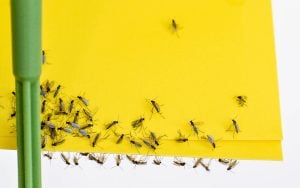
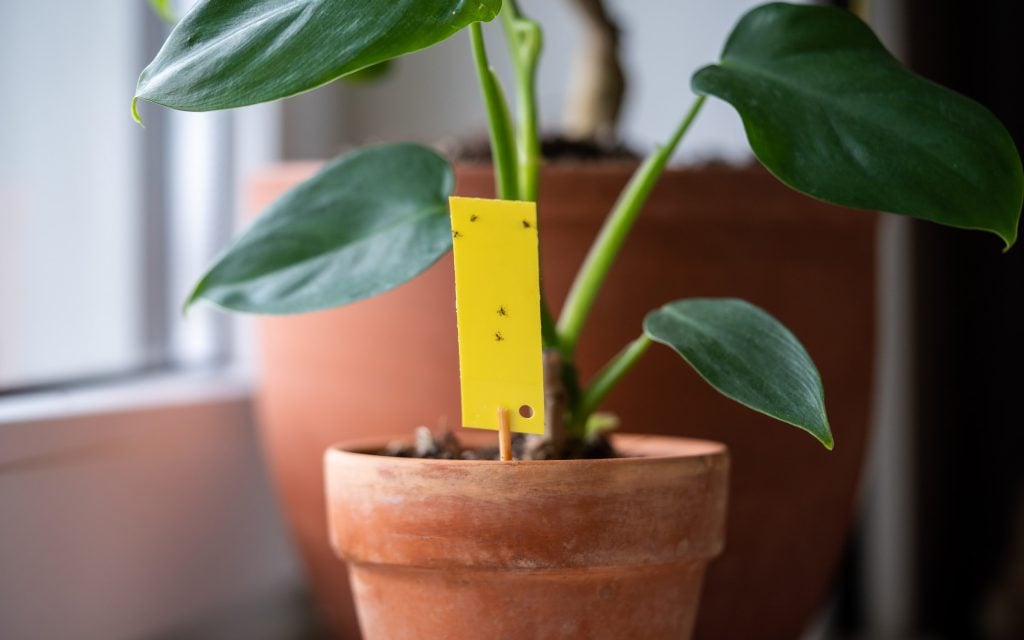
Use yellow sticky traps near your plants. These traps attract adult flies and prevent them from laying eggs in the soil. Replace regularly for best results.

Houseflies
Musca domestica | Threat Level: 7/10
Amazing Facts about Houseflies
- Houseflies are on every continent except Antarctica
- They have taste receptors all over their body
- The average lifespan of a housefly is 28 days
- Houseflies can lay up to 500 eggs in their short lifespan
- They transmit over 65 diseases to humans
- Houseflies cannot chew solid food; they regurgitate digestive fluids
- They have a 360-degree field of vision due to compound eyes


Biology & How They Eat
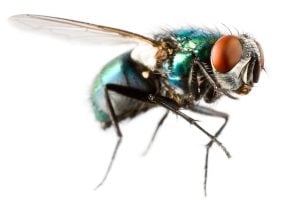
Houseflies are remarkable insects with unique adaptations that enable them to thrive in unsanitary environments. These pests possess two wings, six legs, and a pair of large compound eyes. During their lives, houseflies undergo complete metamorphosis through four life stages: egg, larva, pupa, and adult.
Housefly eggs are laid in moist organic matter, such as animal waste or decaying food. The eggs hatch into larvae (maggots), which feed on the organic material before pupating and emerging as adults. These pests have sponging mouthparts, which allow them to ingest food by liquefying it.

Health Impact
Houseflies may seem like harmless insects, but they can pose serious health risks. These disease-carrying pests can contaminate food and surfaces, spreading pathogens and causing illnesses including typhoid, cholera, and dysentery.
They also have a high reproductive rate, making it challenging to control their populations once they infest an area. Their presence worldwide (except Antarctica) and their penchant for unsanitary environments make them a persistent threat that requires continuous control measures.
When to Call a Professional
If you have tried multiple prevention methods and are still experiencing issues with pantry pests, it may be time to seek professional help. OMNIS Pest Control has specialized treatments that can effectively eliminate infestations of Indian meal moths, drain flies, fungus gnats, and houseflies.
If the infestation is severe or persists despite DIY efforts, contact us for professional pest control services. OMNIS Pest Control has the knowledge and tools to eliminate pantry pests and prevent future infestations.
Our Removal Process
Our comprehensive removal process begins with a detailed inspection of your home to accurately identify all potential breeding sites. Following the inspection, we employ targeted treatments designed to eradicate existing infestations and prevent their return.
Ongoing Prevention
OMNIS Pest Control provides quarterly pest control treatment plans tailored to keep these pests at bay. Our dedicated team goes above and beyond by meticulously inspecting your premises and treating them effectively to prevent any future infestations.
Expert Pantry Pest Control in Castle Rock
Don't let pantry pests take over your home. OMNIS Pest Control has the expertise and tools to control these pests and protect your health and property effectively. Contact us today to schedule an inspection or learn more about our services.
More Pest Protection.
More Peace of Mind.