
 Pantry Pests
 Pill Bugs
 Ants
Ants Spiders
 Bees
Bees Crickets
 Miller Moths
 Millipedes
 Wasps
Wasps Hornets
 Mice
Mice Voles
Voles Rats
Rats Bats
Bats Birds
Birds Gophers
 Mosquitos*
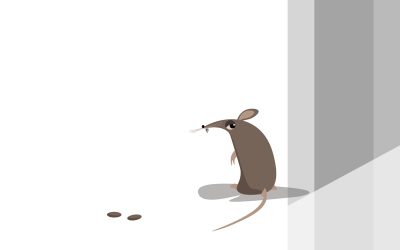 How to Identify Rodent Droppings
 Keep Pests Out of Your Kitchen
 Keep Ants Away
About Spiders in Colorado: Identification & Information Guide
Colorado is home to dozens of spider species-from harmless garden spiders that help control insects to medically significant species like black widows and brown recluses. Understanding which spiders live in your area helps you know when to coexist peacefully and when to call for professional help.
This guide covers the most common spiders you'll encounter in Castle Rock, Parker, and throughout the Front Range, including identification tips, behavior patterns, and what to do if you find them in your home.
Understanding Spiders: The Basics
Spiders belong to the class of arthropods called arachnids-the same group that includes scorpions, ticks, and mites. Unlike insects, which have six legs and three body segments, spiders have eight legs and two body segments.
Scientists have identified over 45,000 spider species worldwide, with several dozen common throughout Colorado. While they vary dramatically in size, appearance, and behavior, all spiders share certain characteristics...
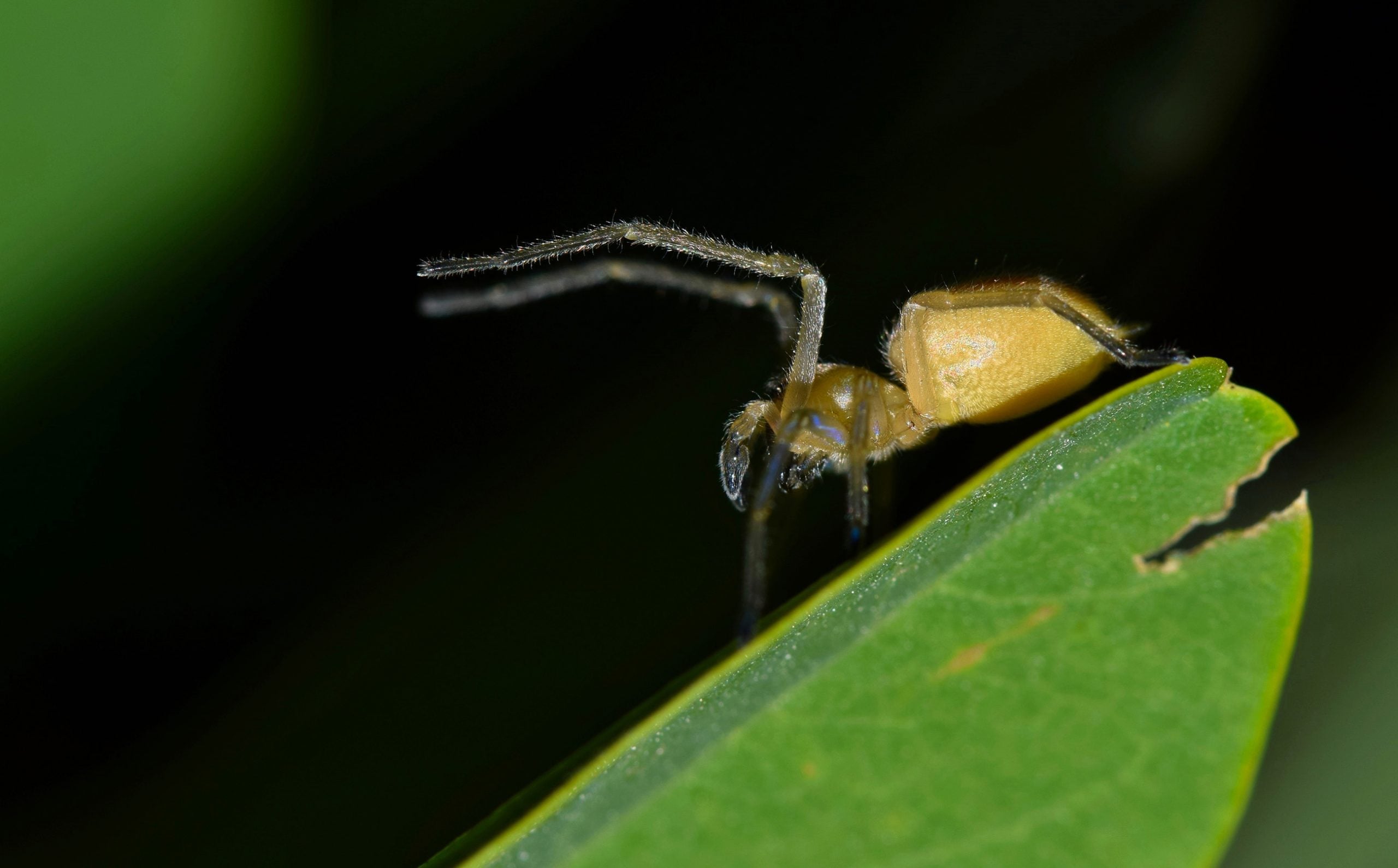
All spiders have venom.
Spider venom immobilizes prey and begins the digestion process. However, most spider venom has little to no effect on humans-only a handful of species are considered medically significant.
All spiders bite.
Spiders bite defensively when threatened, trapped, or accidentally contacted. Most bites cause nothing more than minor irritation similar to a mosquito bite.
All spiders produce silk.
Spiders use silk for web-building, creating egg sacs, lining burrows, and wrapping prey. Not all spiders build webs-some are active hunters that chase down their prey.
Most spiders have poor vision.
Despite having multiple eyes (usually eight, sometimes six), most spiders rely primarily on vibration and touch rather than sight to detect prey and threats. Jumping spiders are a notable exception, with excellent vision.
Dangerous Spiders vs. Nuisance Spiders in Colorado
Most spiders you'll encounter in Colorado are harmless nuisance species. They may startle you, leave webs in inconvenient places, or simply be unwelcome houseguests-but their bites pose no real danger to healthy adults.
However, two species in Colorado are considered medically significant, meaning their bites can cause serious health complications requiring medical attention:
Dangerous Spiders
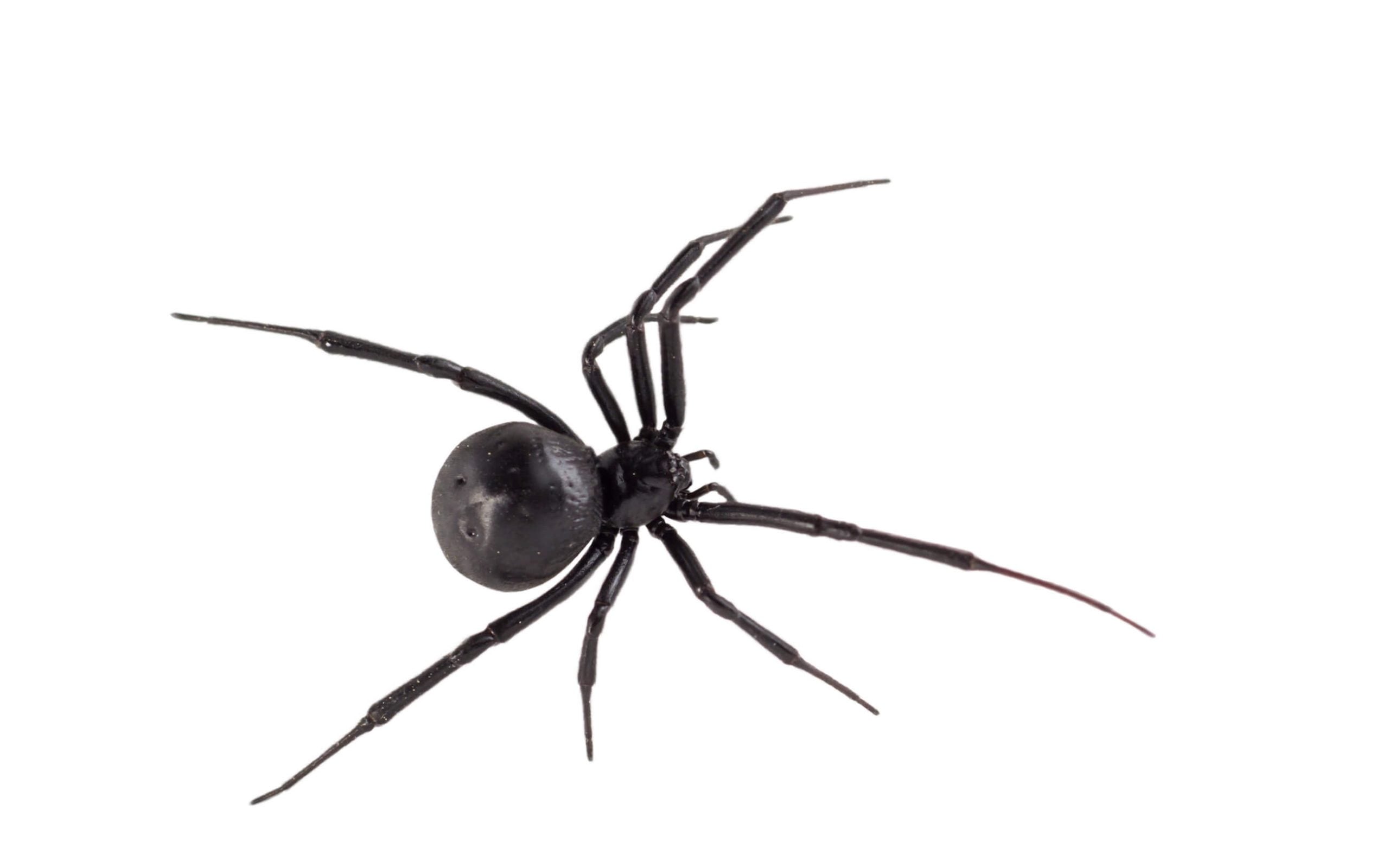
Black Widow Spiders
Neurotoxic venom affecting the nervous system. Bites cause severe muscle pain, cramping, and can be life-threatening for children, elderly, and immunocompromised individuals.

Brown Recluse Spiders
Cytotoxic venom that destroys tissue at the bite site. Bites can develop into necrotic lesions requiring medical treatment and potentially leaving permanent scars.
If you can identify these two species, you'll know when a spider encounter requires professional intervention versus when you can simply relocate the spider outdoors. The sections below cover both dangerous and common nuisance species found throughout the Front Range.
Black Widow Spider
Latrodectus
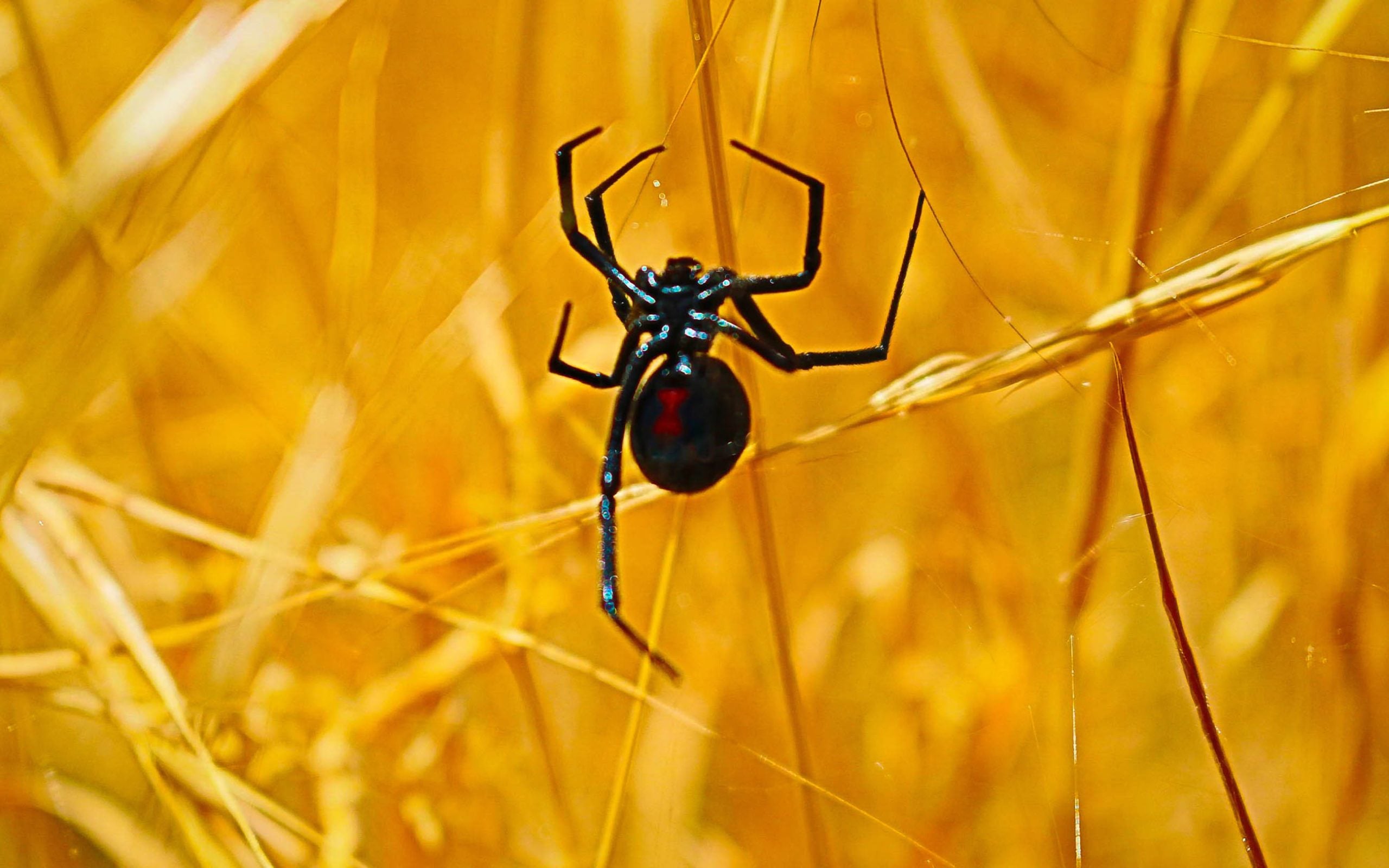
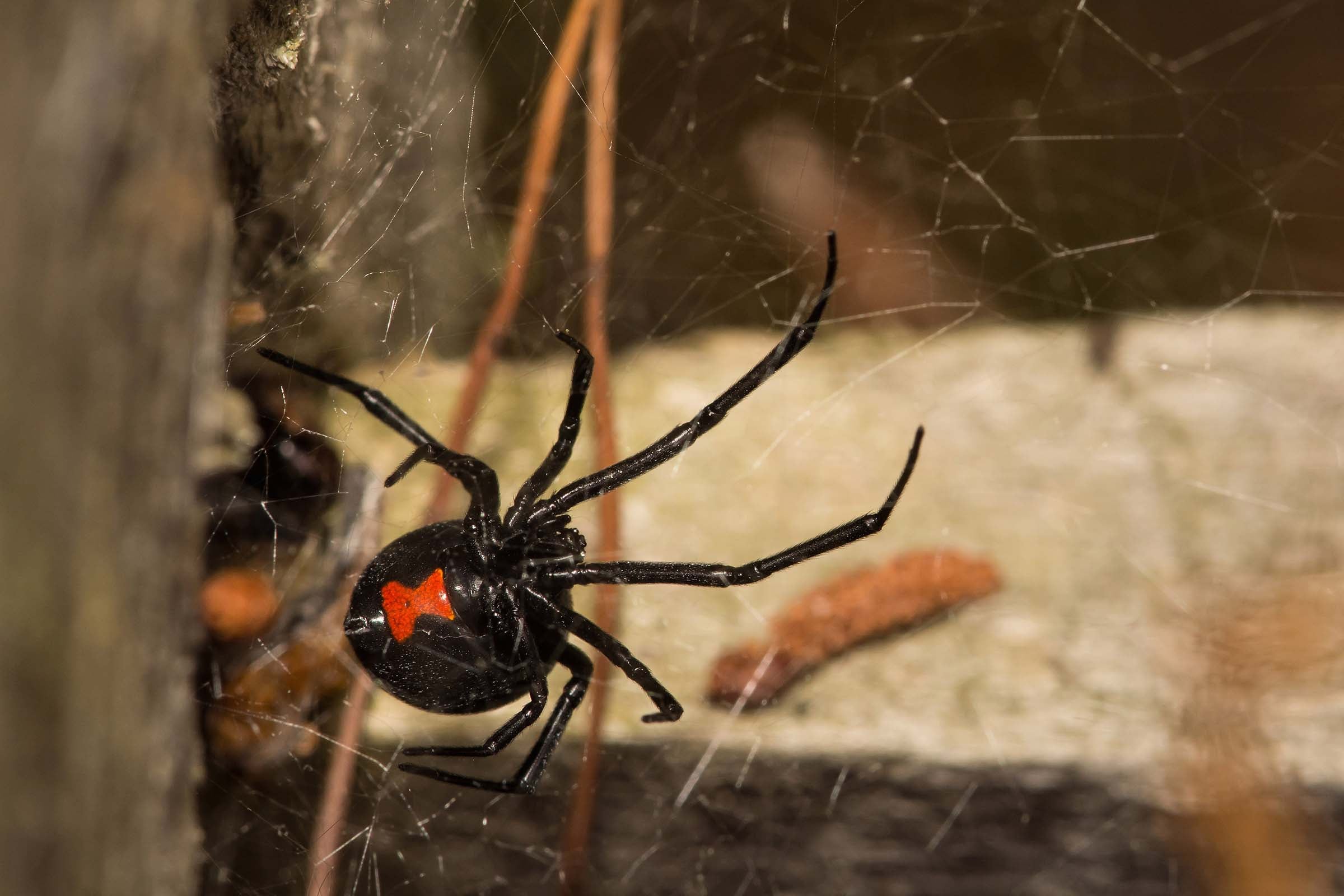
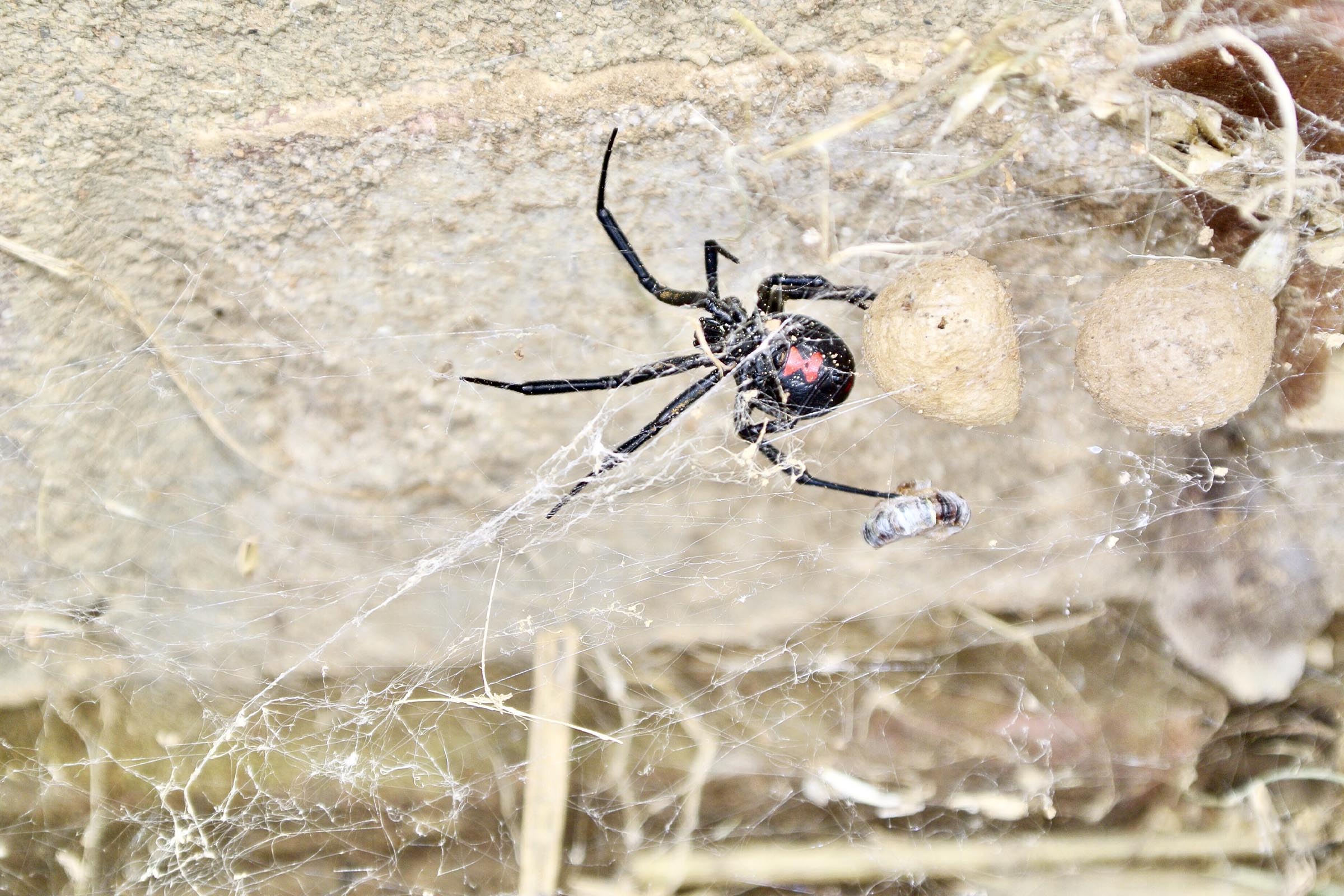
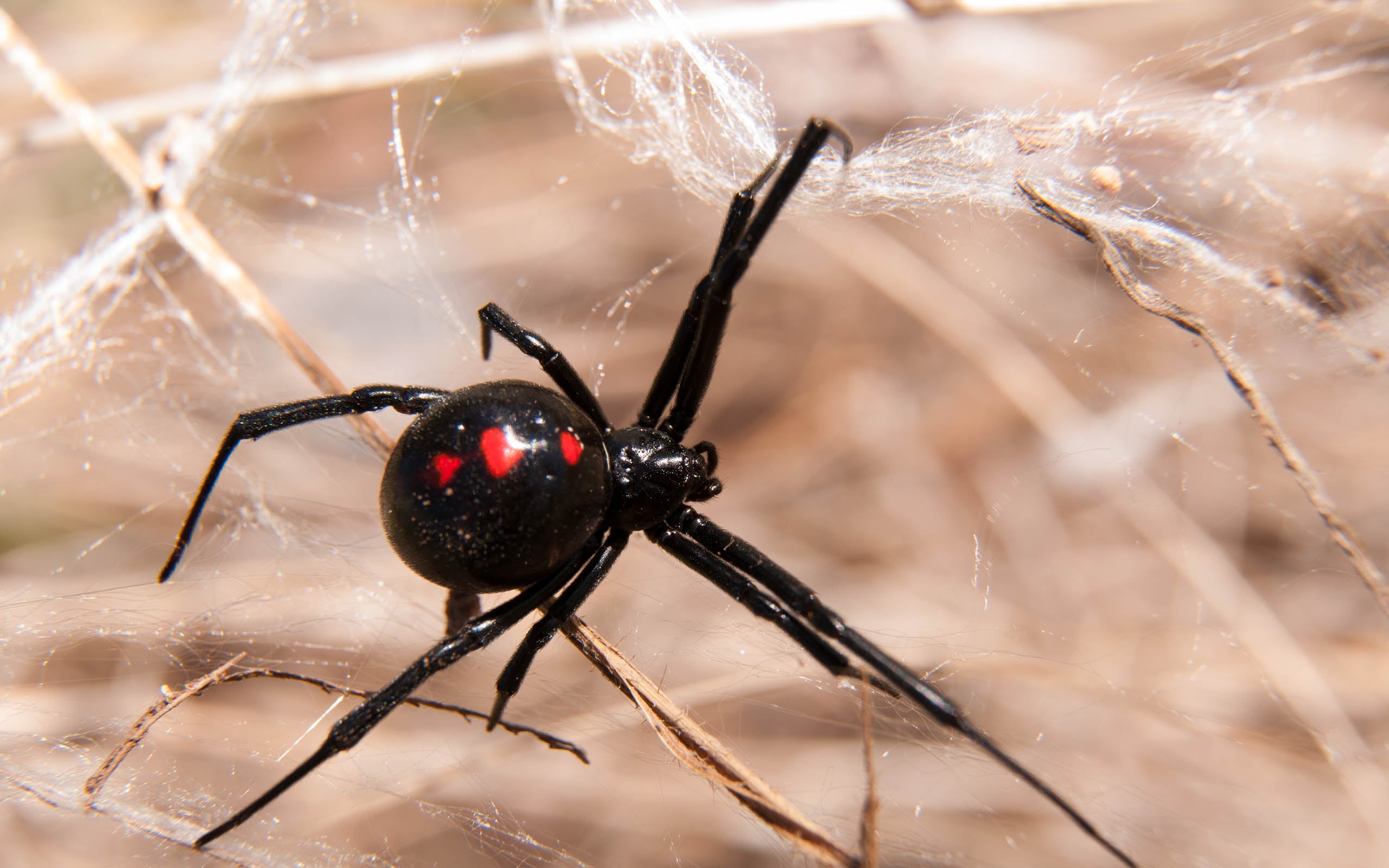
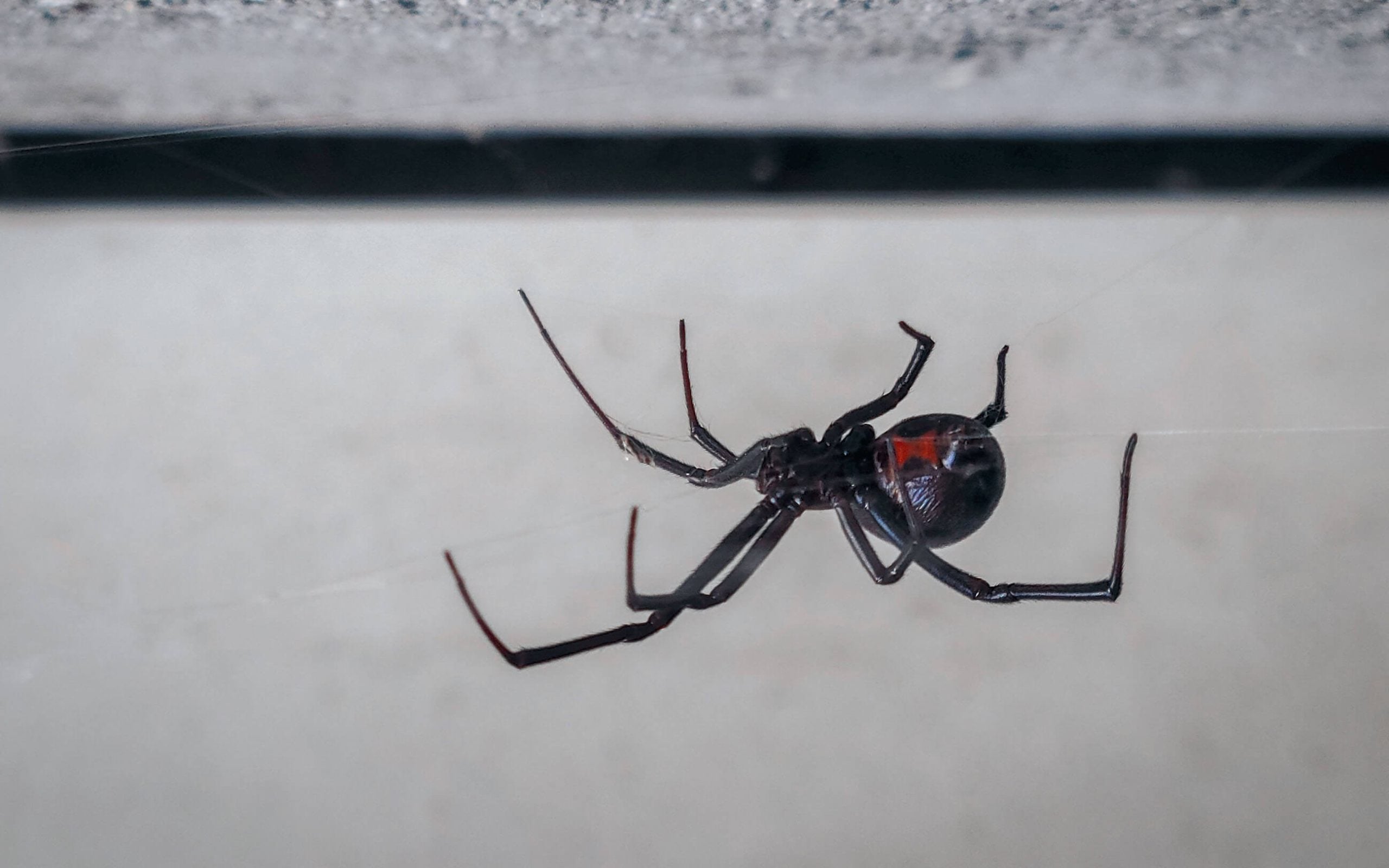
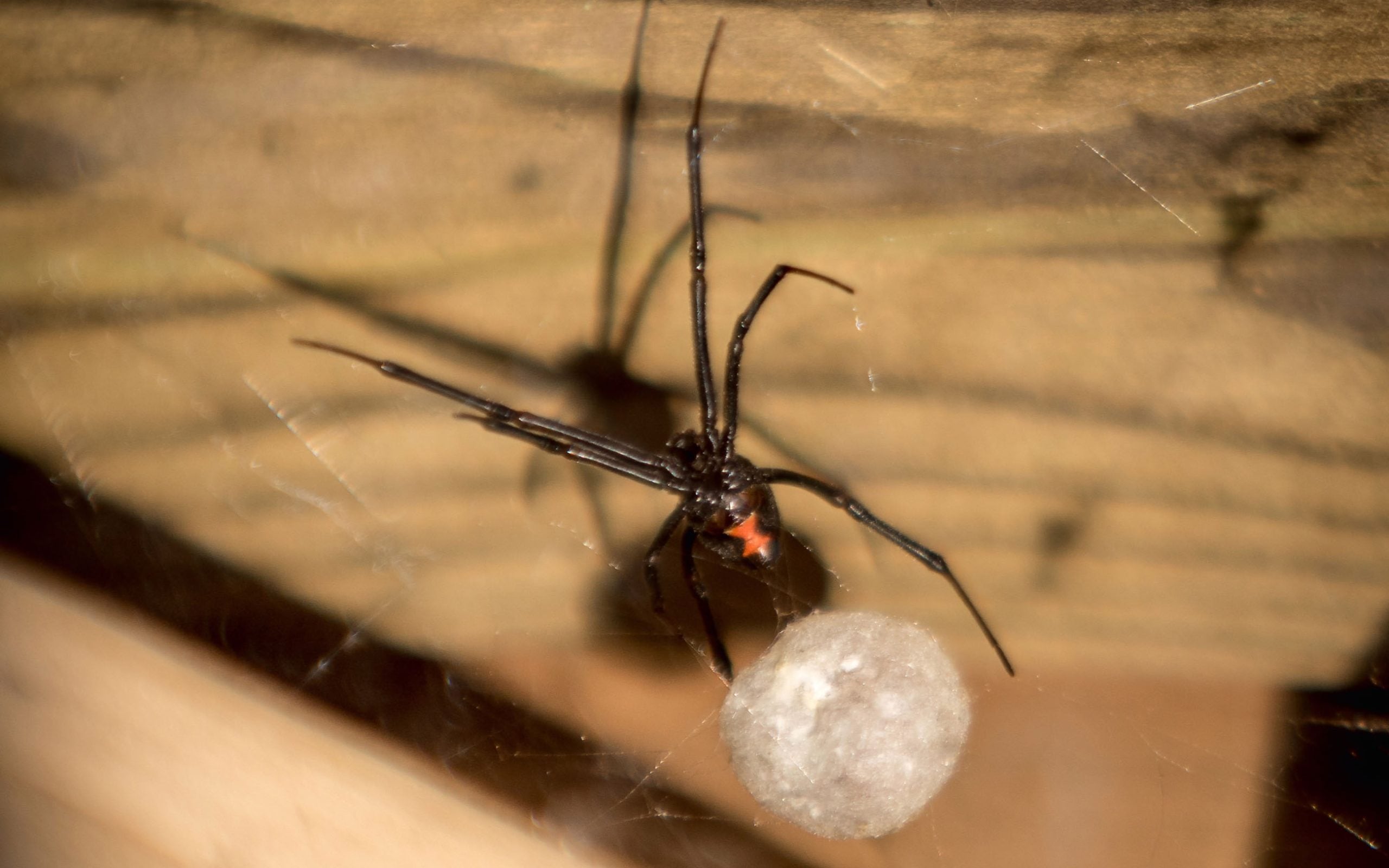
The black widow is Colorado's most dangerous spider and one of the most recognizable spiders in North America. Found throughout Castle Rock, Parker, and Douglas County, black widows are more common than many homeowners realize.
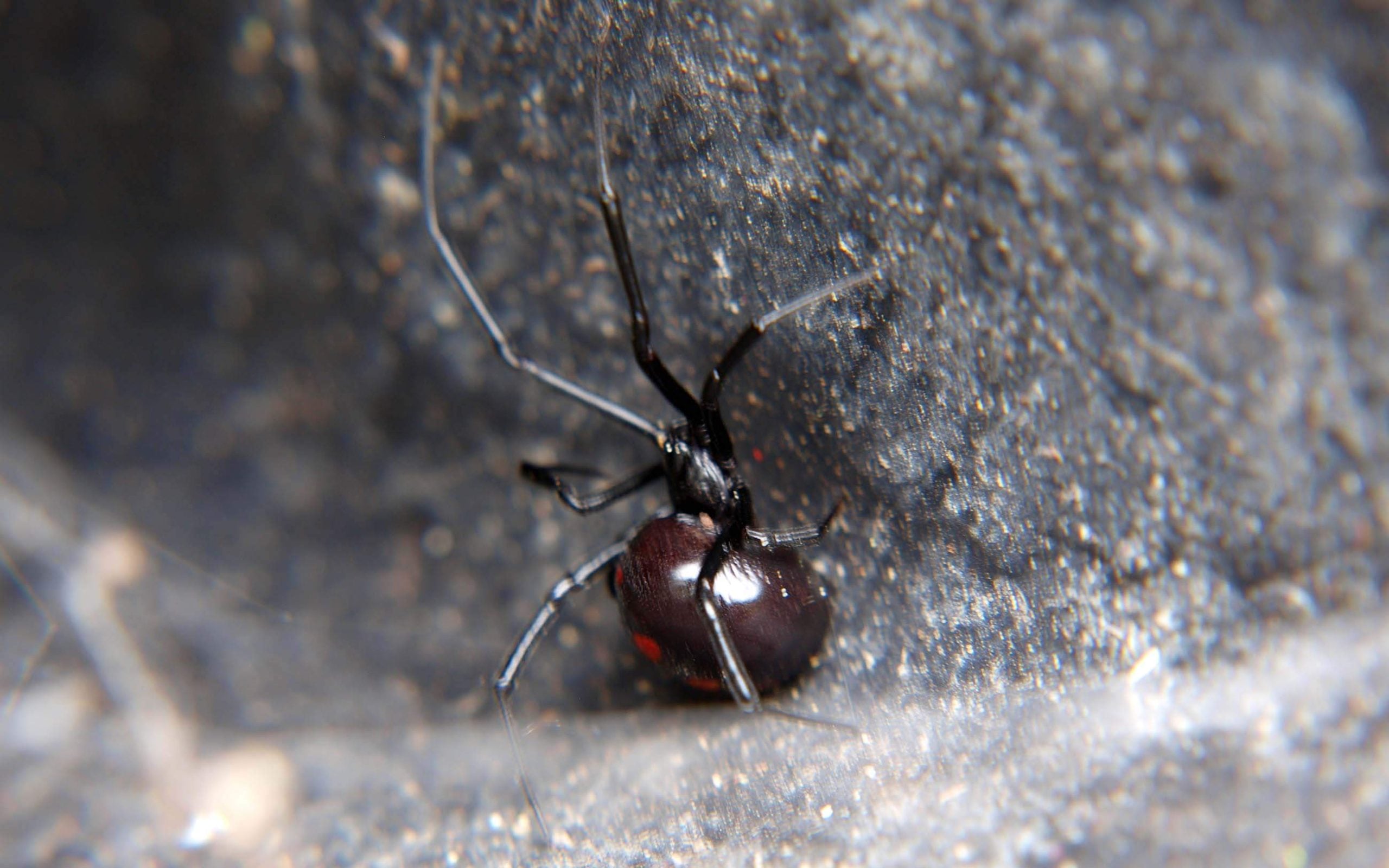
Identification
- Shiny, jet-black body with a rounded, bulbous abdomen
- Distinctive red or orange hourglass marking on the underside of the abdomen
- Females measure up to 1.5 inches including legs
- Males are significantly smaller, brown or gray, and rarely seen
- Long, thin legs relative to body size
What to Do: If you find black widows on your property, do not attempt DIY removal. Their hidden locations make accidental bites likely during amateur treatment. Contact a professional pest control service for safe elimination.

Habitat
Black widows prefer dark, dry, undisturbed locations where they can build messy cobwebs close to the ground. Common hiding spots include:
- Garages and storage sheds
- Crawl spaces and basement corners
- Wood piles and rock walls
- Under outdoor furniture and play equipment
- Inside stored boxes, shoes, and gloves
- Behind objects leaning against walls
Venom & Health Risks
Black widow venom is neurotoxic, affecting the nervous system. Symptoms include:
- Severe muscle pain and cramping
- Abdominal pain and rigidity
- Sweating and elevated blood pressure
- Nausea and difficulty breathing in severe cases
While rarely fatal for healthy adults, black widow bites can be life-threatening for children, elderly individuals, and those with compromised immune systems. All suspected black widow bites require immediate medical attention.
Brown Recluse Spider
Loxosceles reclusa
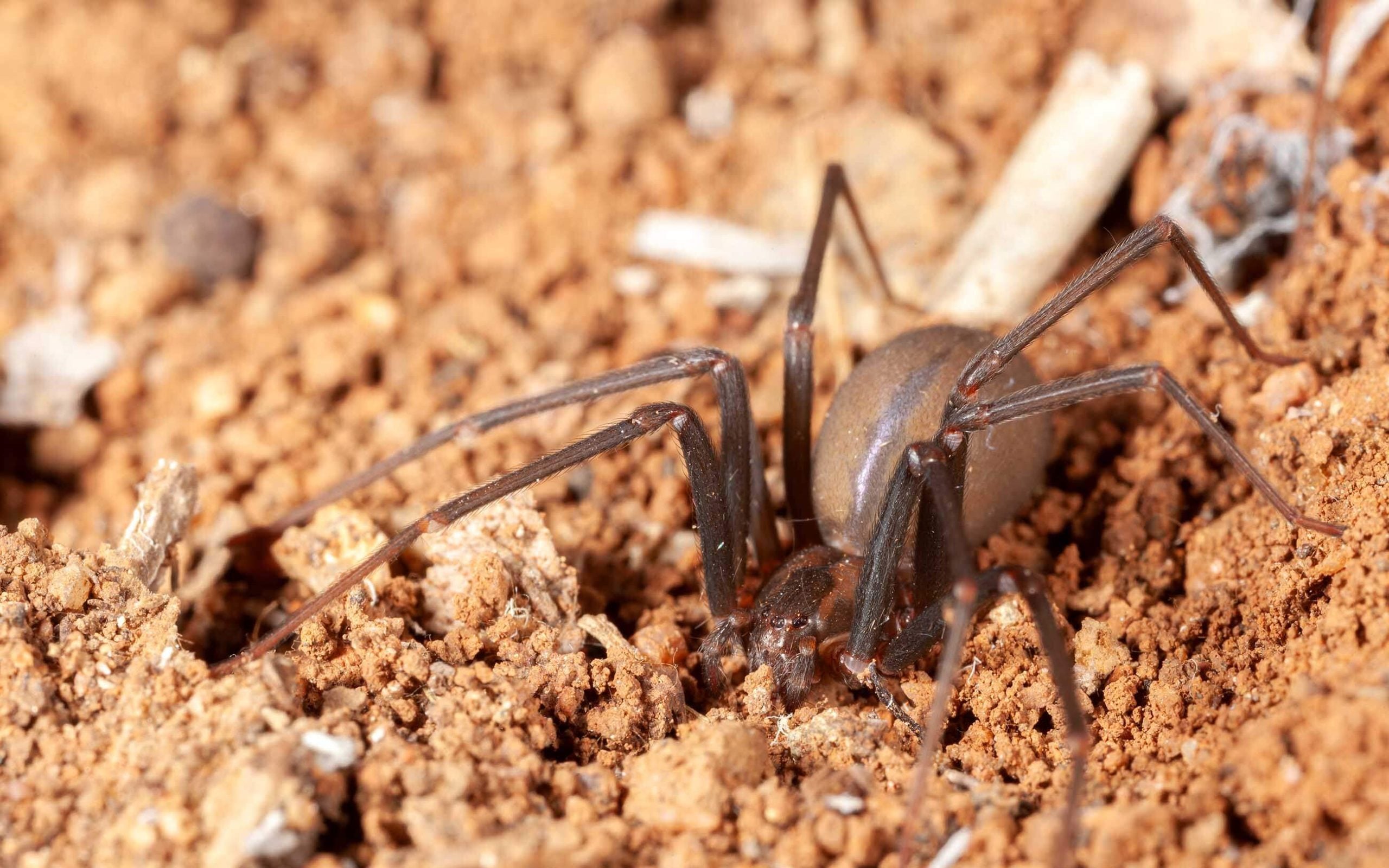
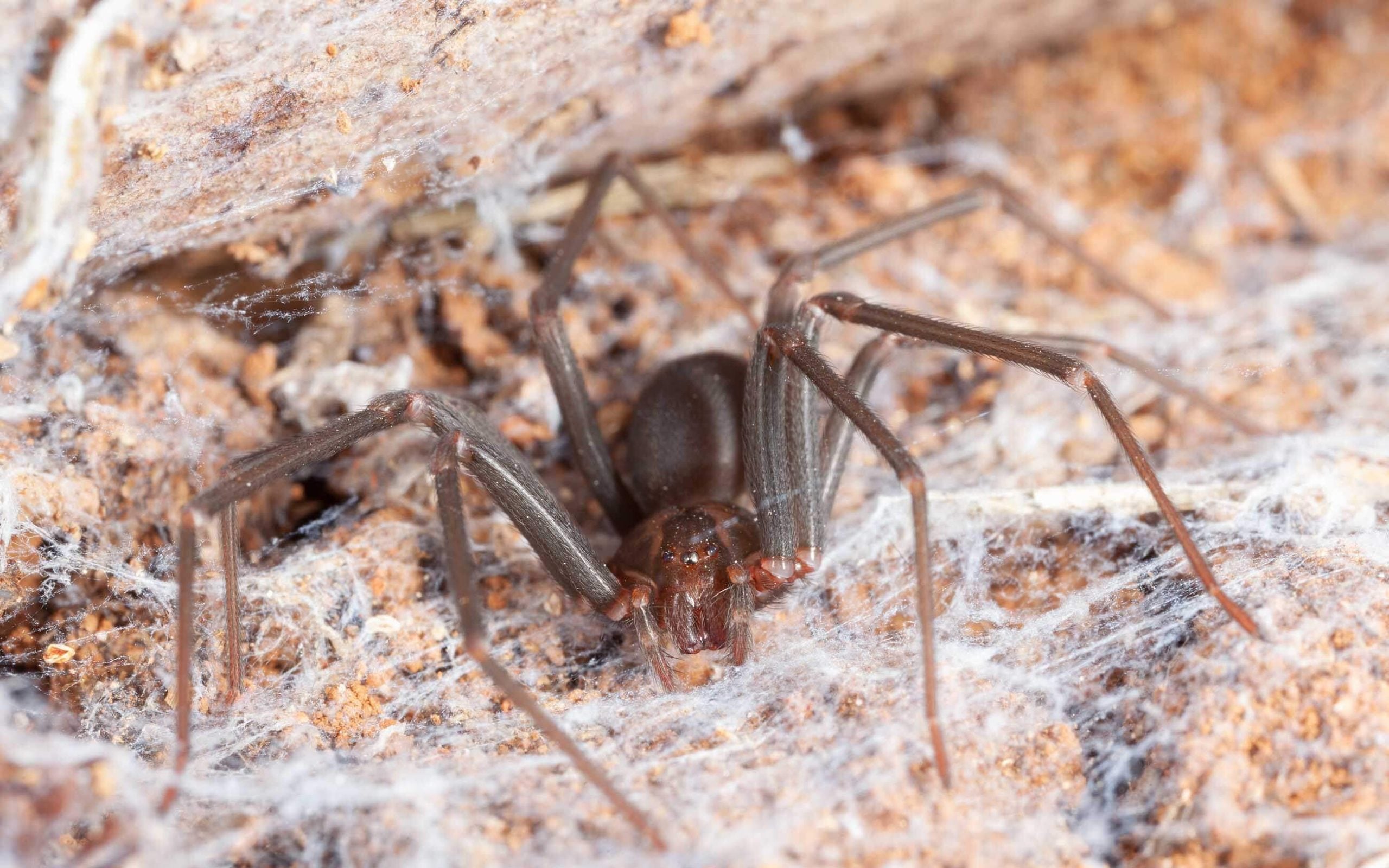
The brown recluse is less common in Colorado than the black widow, but established populations exist throughout the Front Range. Their reclusive nature means infestations often go unnoticed until someone is bitten.
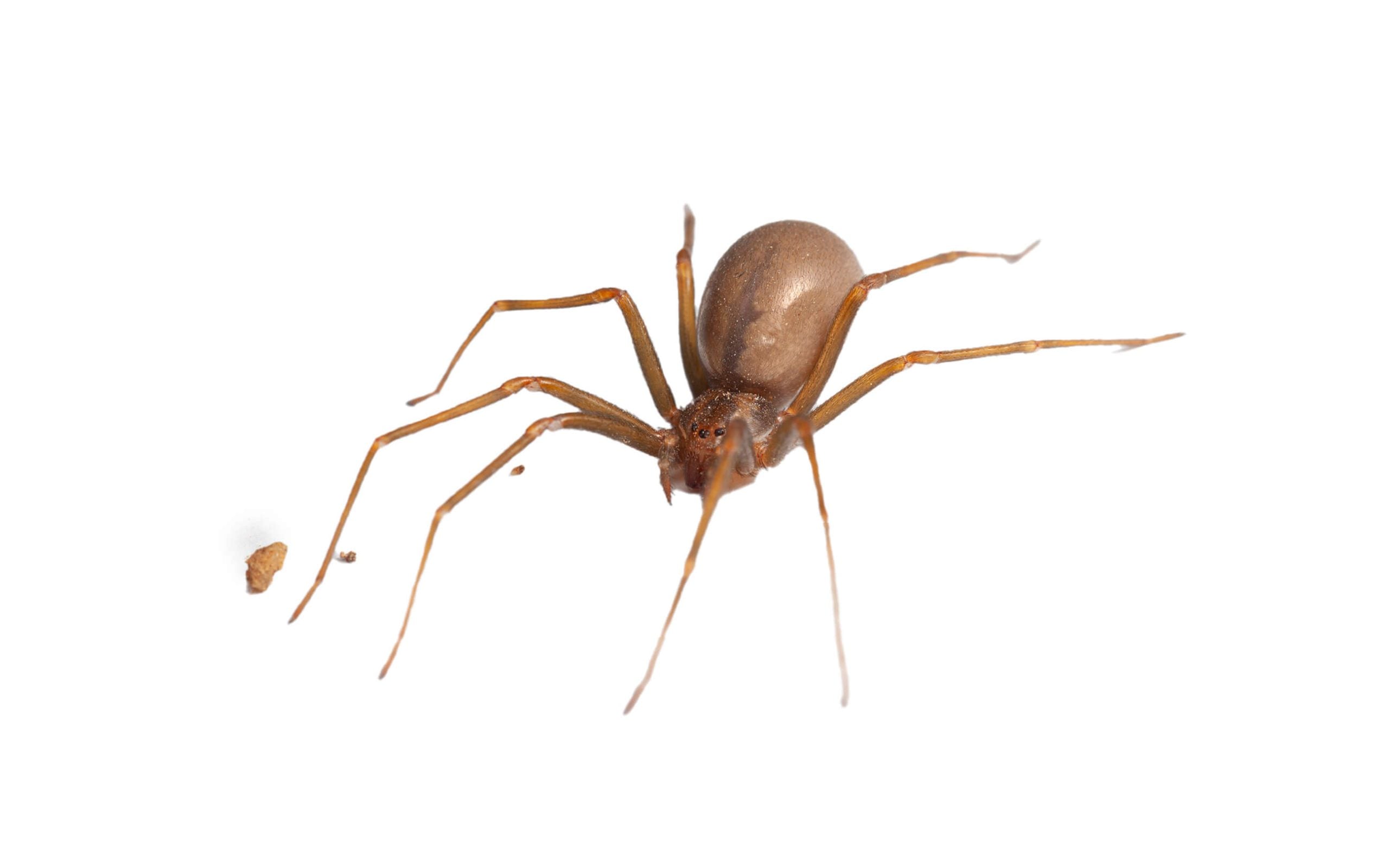
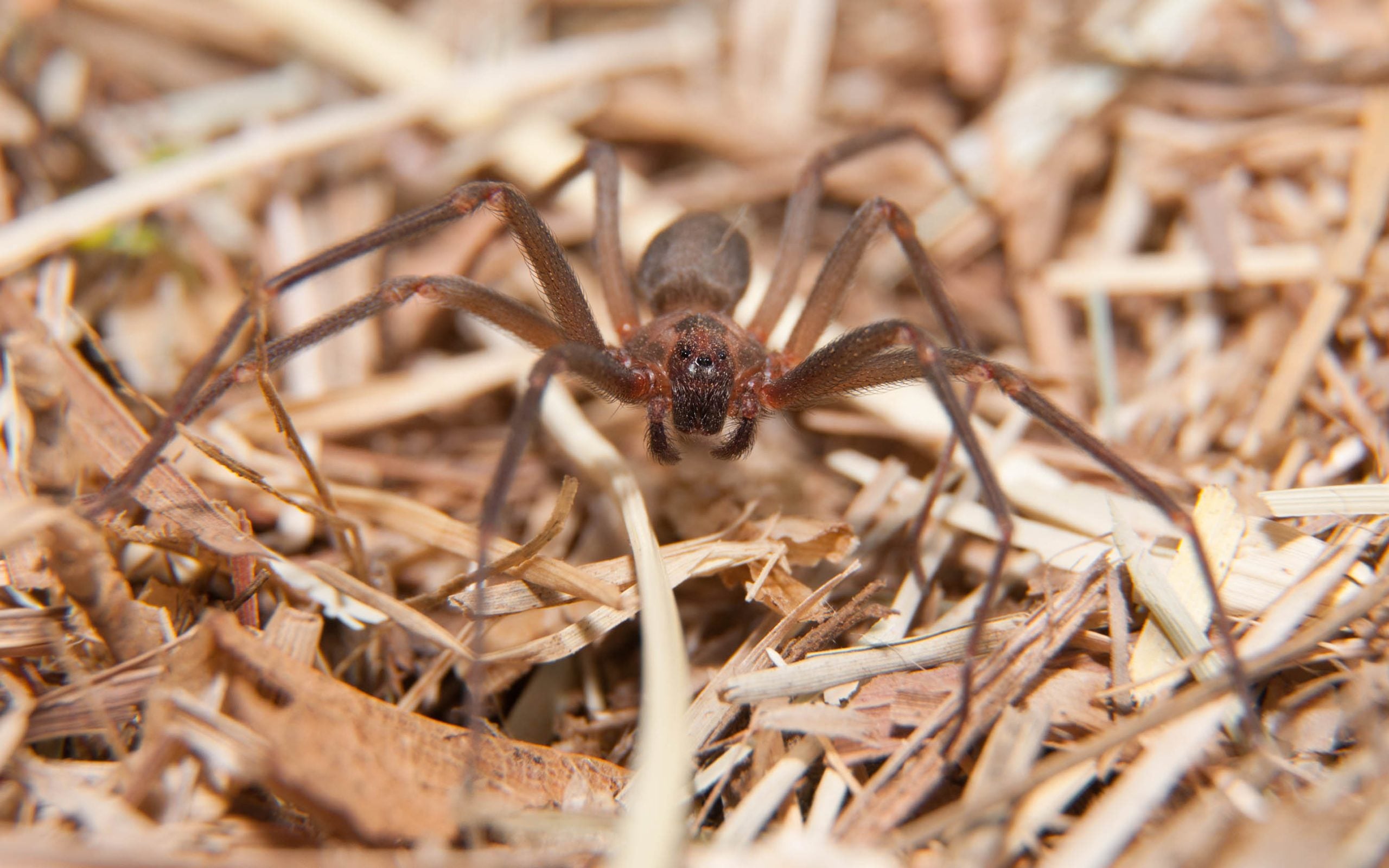
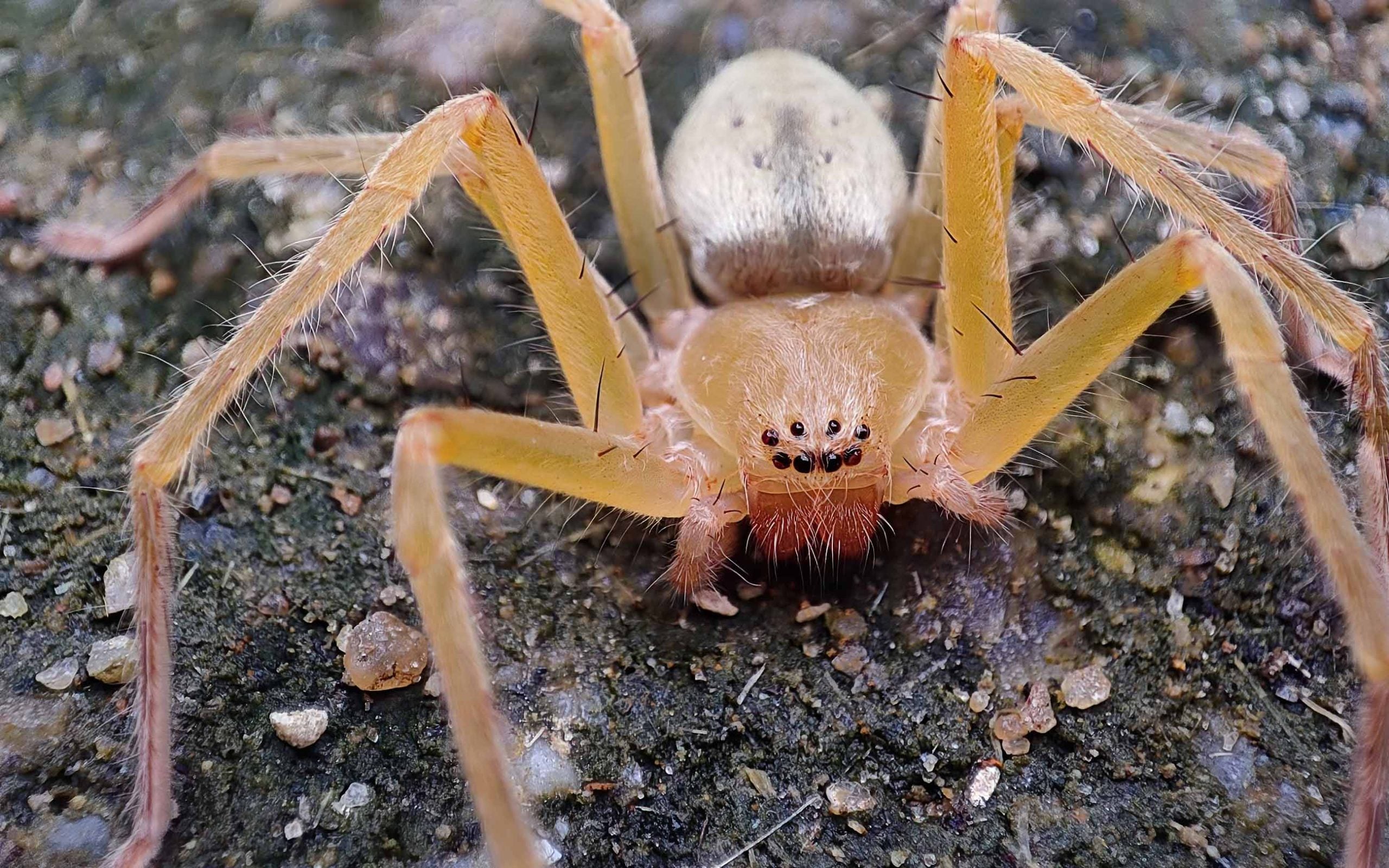
Brown Recluse Identification
- Light brown to tan coloring (sometimes yellowish)
- Distinctive violin-shaped dark marking on the head, pointing toward the abdomen
- Six eyes arranged in three pairs (most spiders have eight eyes)
- Body length of 6-20mm (smaller than many expect)
- Long, thin legs without visible spines or banding
- Fine hairs covering the body
The "violin" marking is the most reliable identifier, though it can be faint on younger spiders. The six-eye arrangement is definitive but requires close examination.
What to Do: Brown recluse infestations require professional treatment. Their tendency to hide in stored items means they're often distributed throughout a home. A thorough inspection and targeted treatment plan is essential.

Habitat
Brown recluses are true to their name-they prefer dark, cluttered, undisturbed areas where they can hide. Common locations include:
- Cardboard boxes and stored items
- Closets, attics, and basements
- Behind furniture and wall hangings
- Inside shoes, clothing, and bedding left undisturbed
- Garages and storage buildings
- Stacks of paper, magazines, or fabric
Venom & Health Risks
Brown recluse venom is cytotoxic, meaning it destroys tissue at the bite site. Effects develop gradually:
- Initial bite may go unnoticed or feel like a mild sting
- Within hours: redness, swelling, and pain develop
- Within days: a necrotic lesion (dead tissue) may form
- Systemic symptoms can include fever, chills, nausea, and joint pain
Severe bites can result in significant tissue damage requiring medical treatment and potentially leaving permanent scars. Seek medical attention for any suspected brown recluse bite.
Wolf Spider
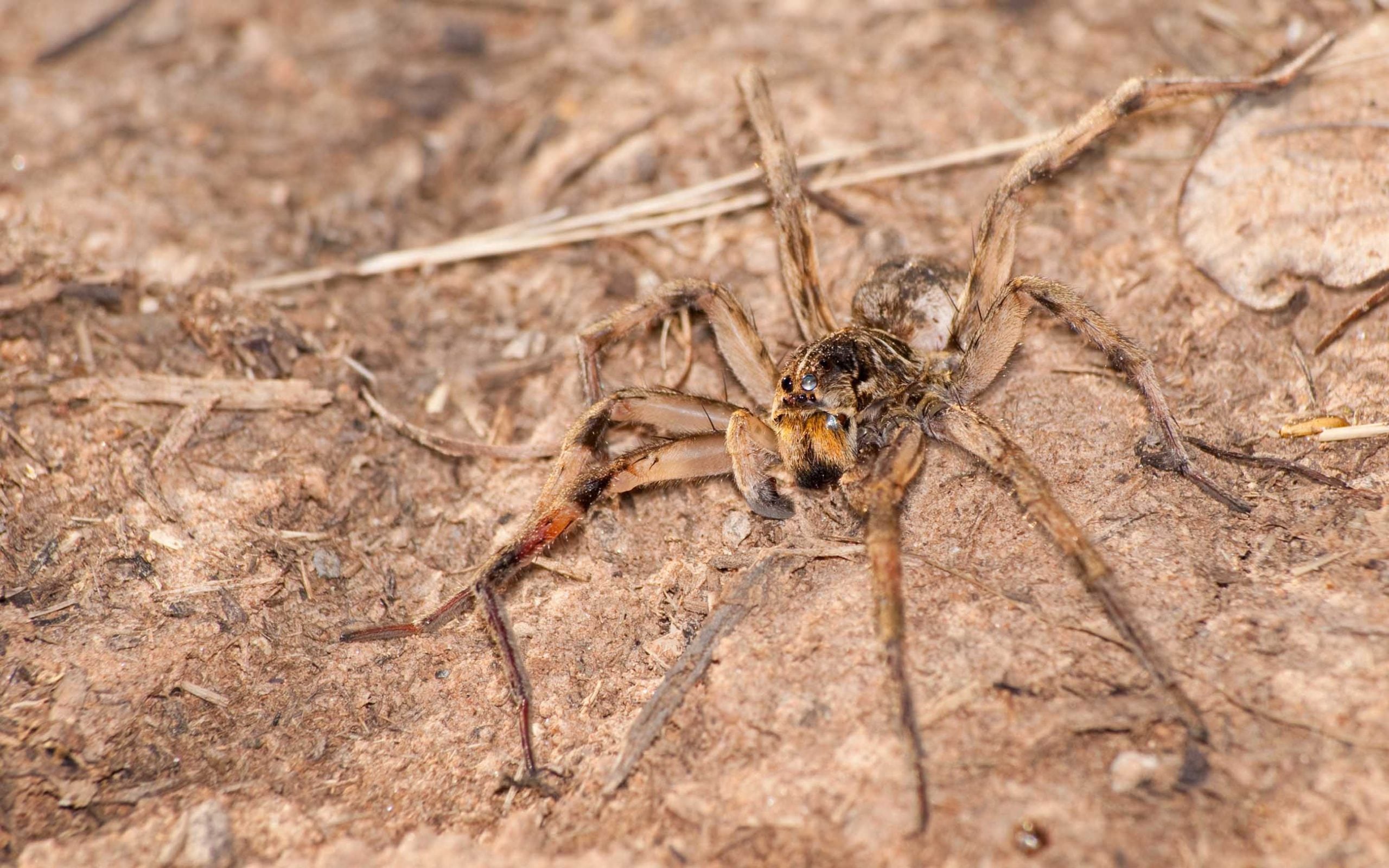
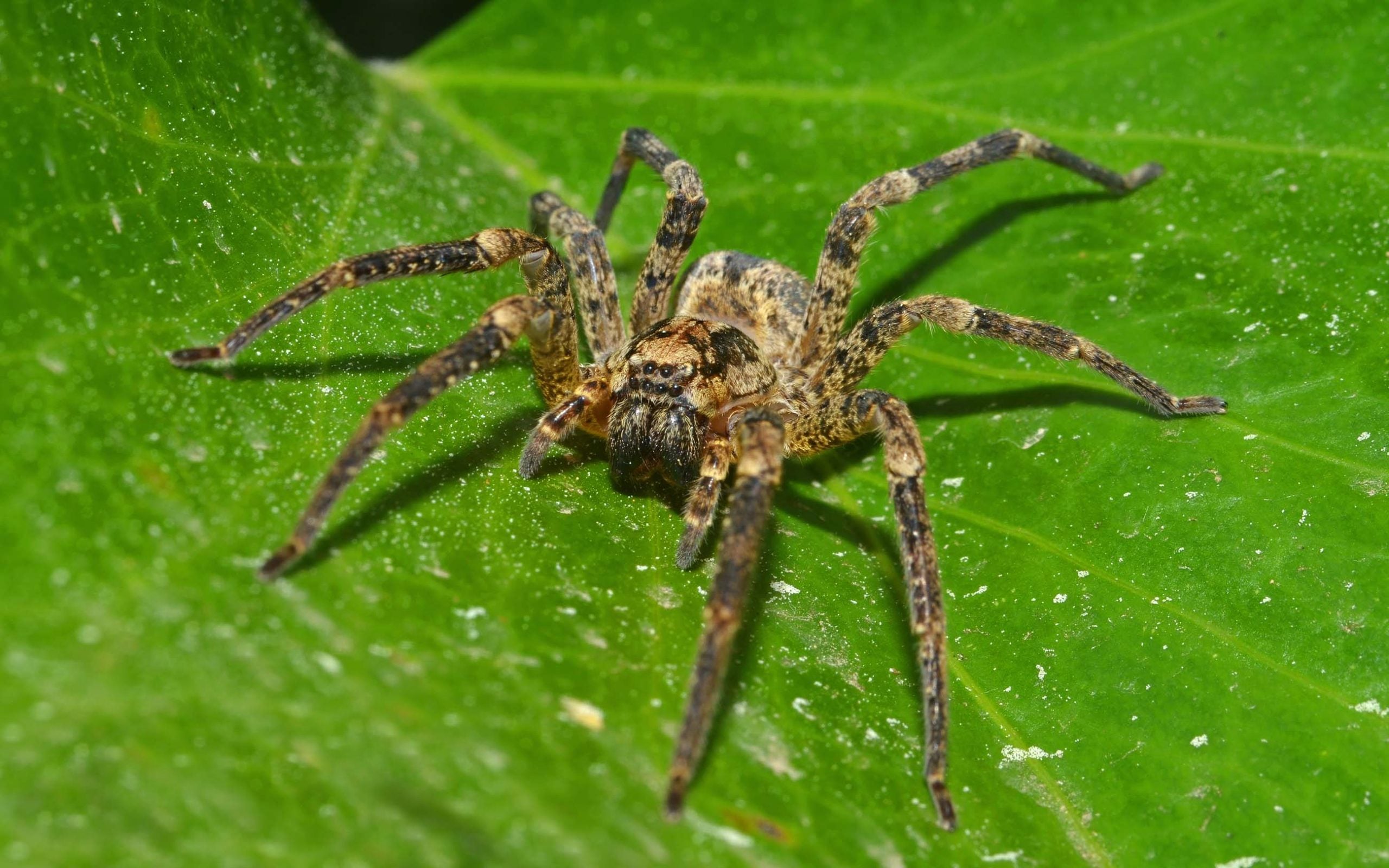
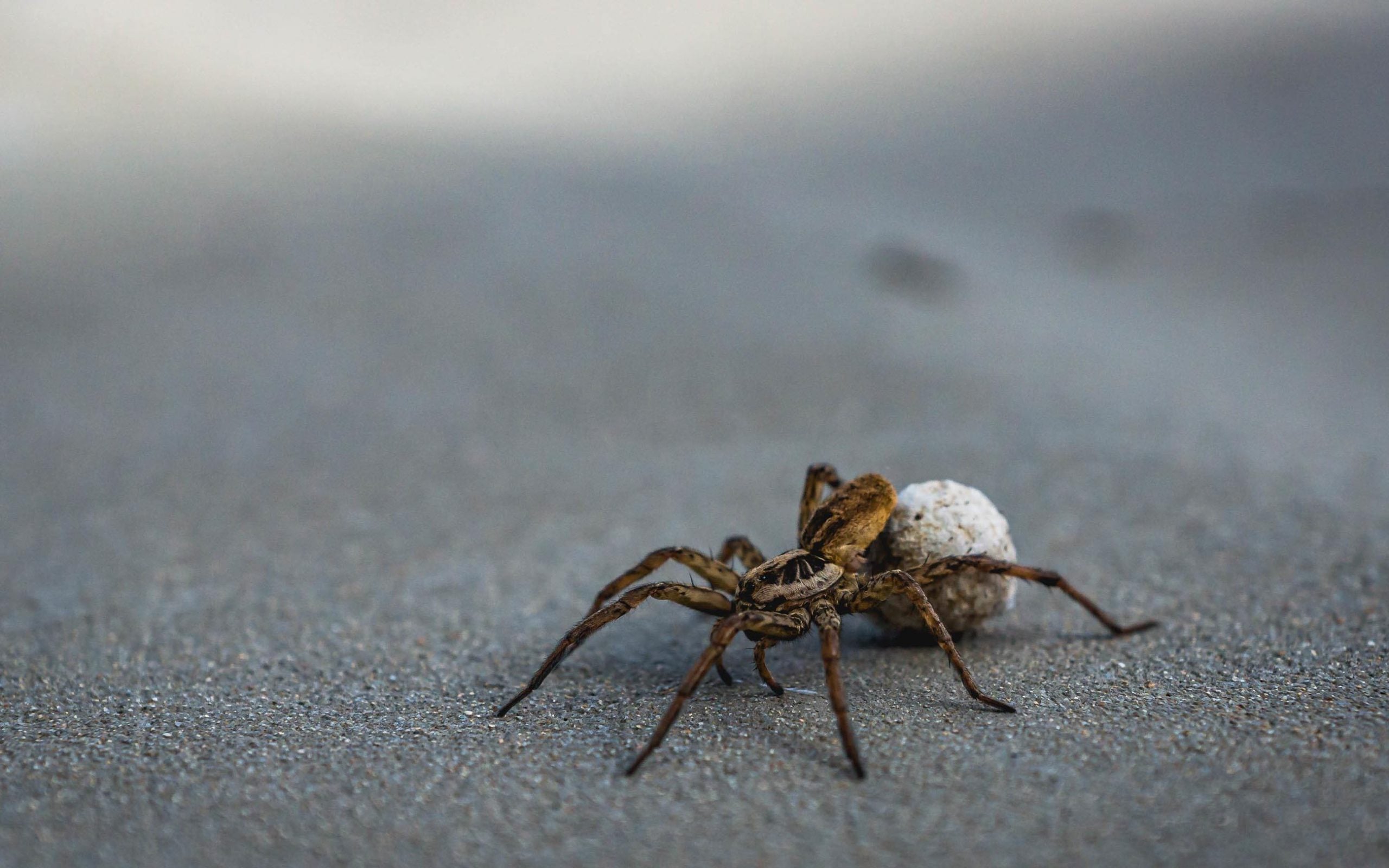
Wolf spiders are among the most commonly encountered spiders in Colorado homes-and among the most frequently misidentified. Their large size and hairy appearance often lead homeowners to mistake them for tarantulas or other dangerous species.
Wolf Spider
Pest Threat Level
2/10
While painful and irritating, wolf spider bites are not known to cause any serious medical conditions or allergic reactions. The venom of a wolf spider is specifically designed to paralyze their prey, not humans. In most cases, the symptoms of a wolf spider bite are limited to redness, swelling, and localized pain at the site of the bite. These symptoms usually disappear within a few days without requiring any medical intervention. However, it is important to note that individuals with pre-existing allergies or compromised immune systems may have a more severe reaction to the bite. It is always recommended to seek medical advice if there is uncertainty or if severe symptoms occur. Overall, while spider bites are not entirely harmless, they are typically considered to be a minor inconvenience rather than a significant medical emergency.
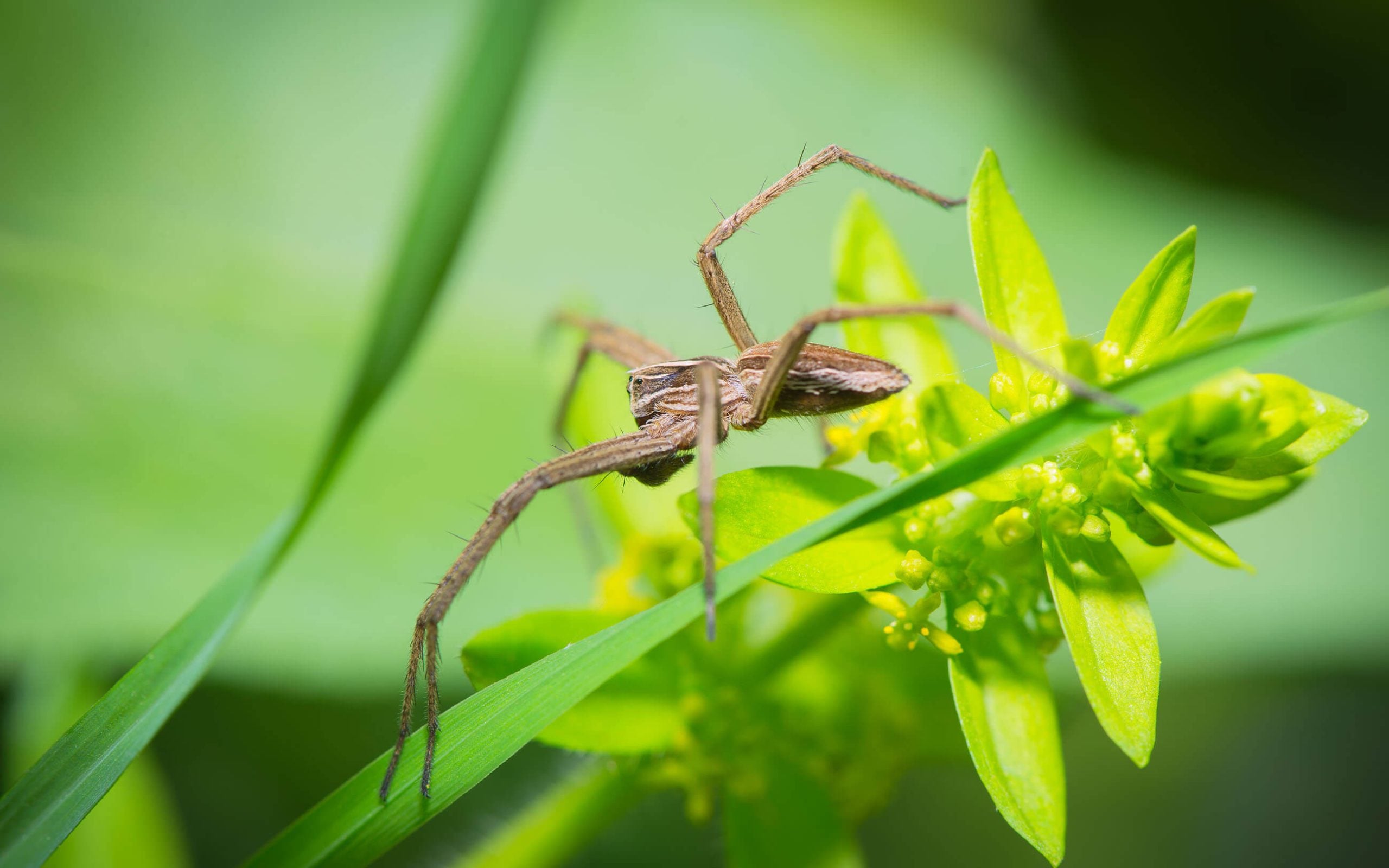
Identification
- Large size: up to 2 inches including legs
- Hairy body with brown, gray, and tan patterning
- Two prominent eyes that reflect light (eyeshine visible at night)
- Robust, athletic build designed for running
- No web-wolf spiders are active hunters
- Females may carry egg sacs attached to their spinnerets

Habitat
Wolf spiders are ground-dwelling hunters that prefer low-lying areas: under rocks and logs, in leaf litter, along foundation walls, in basements and garages, and in ground cover plants. They frequently enter homes at ground level, especially in fall.
Behavior
Unlike web-building spiders that wait for prey, wolf spiders actively hunt. They have excellent vision (unusual for spiders) and chase down insects with impressive speed. They're primarily nocturnal and often seen running across floors at night.
Wolf spiders are solitary and don't infest in large numbers. Finding one usually means it wandered in accidentally, not that you have an established population.
Venom & Health Risks
Wolf spider bites are painful but not medically significant for most people. The bite may cause sharp immediate pain, redness and swelling at the bite site, and mild itching for a few days. Allergic reactions are rare. No special medical treatment is typically needed.
What to Do
Individual wolf spiders can be captured and relocated outdoors. If you're seeing them regularly, it may indicate high insect activity around your home.
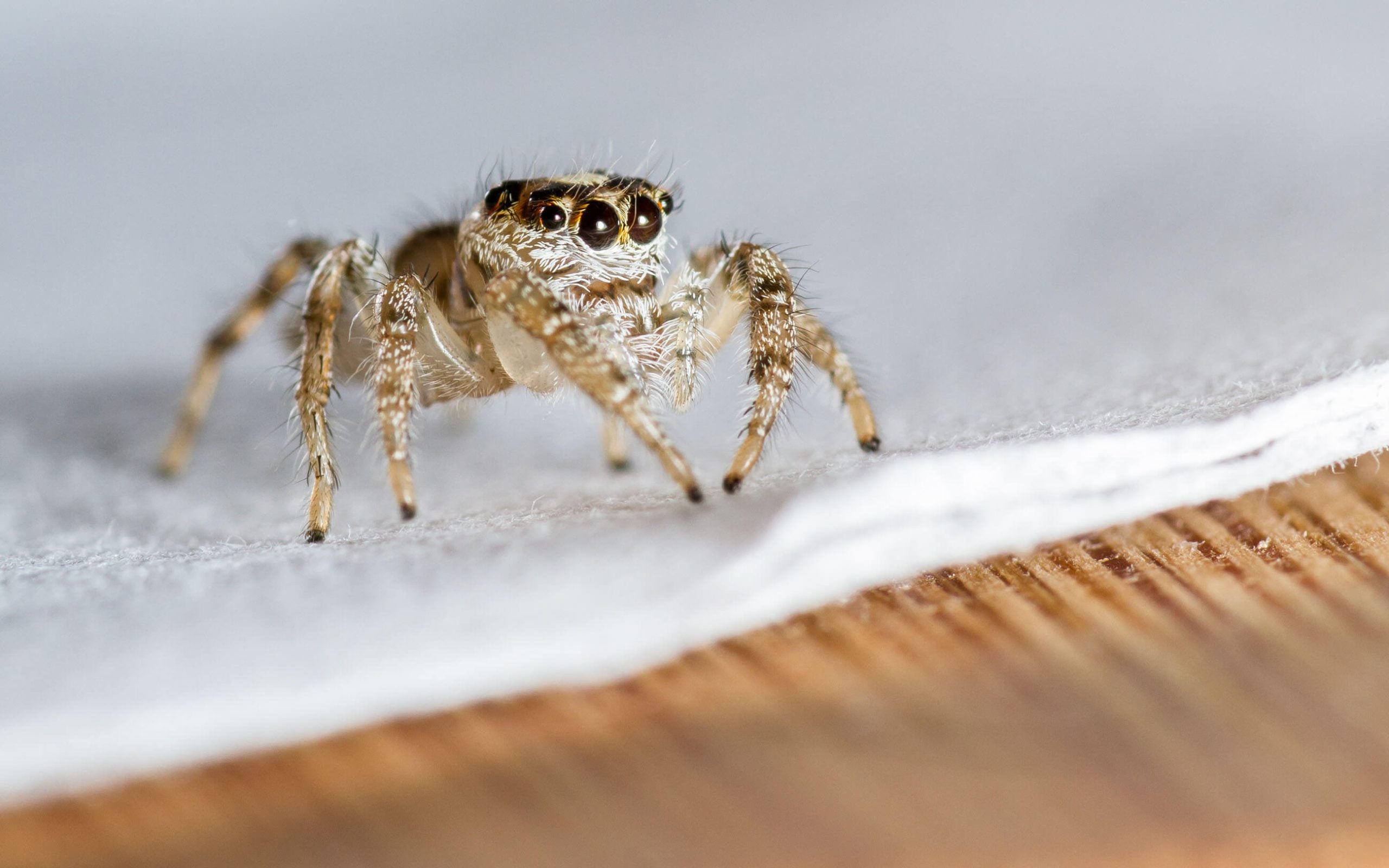
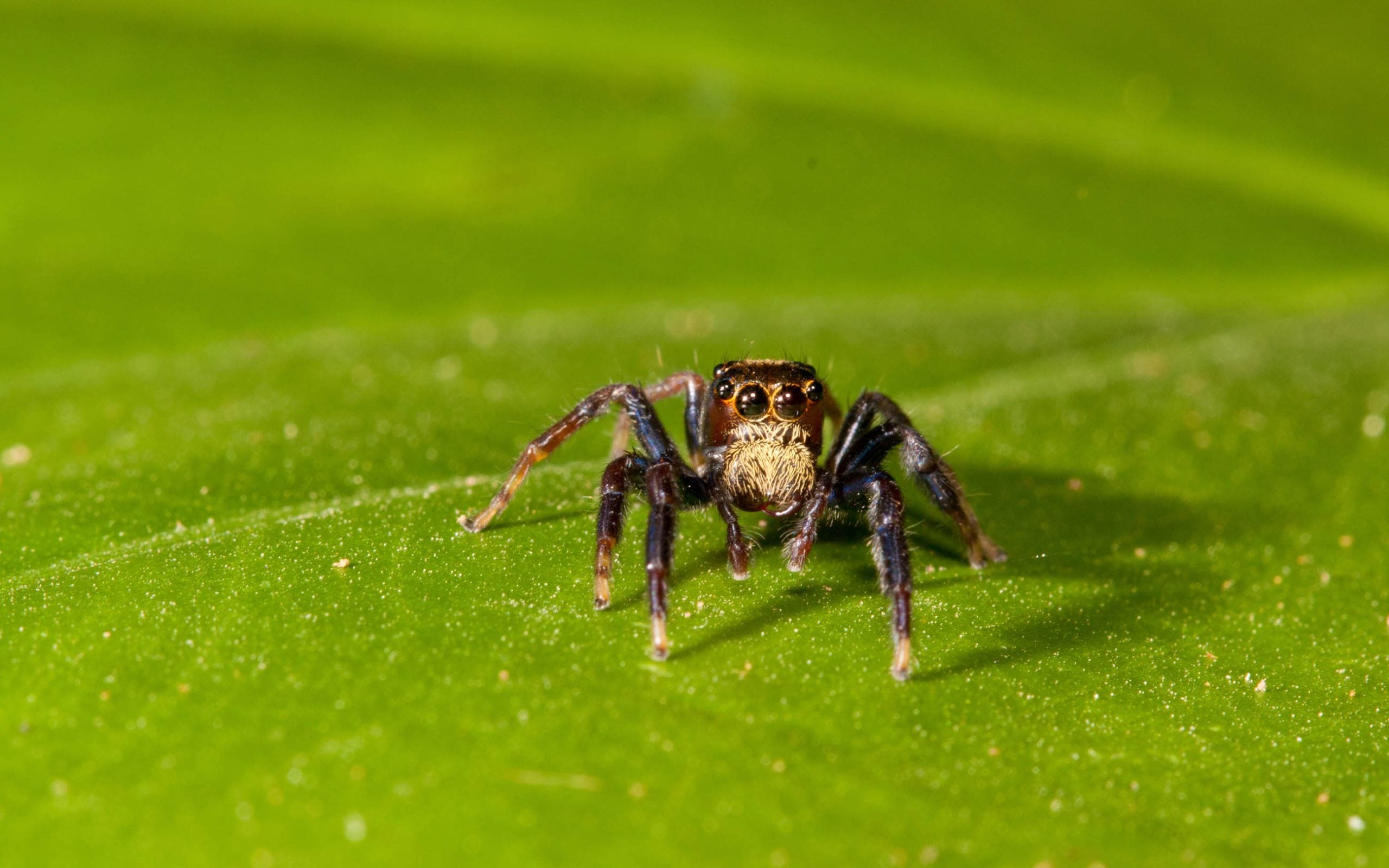
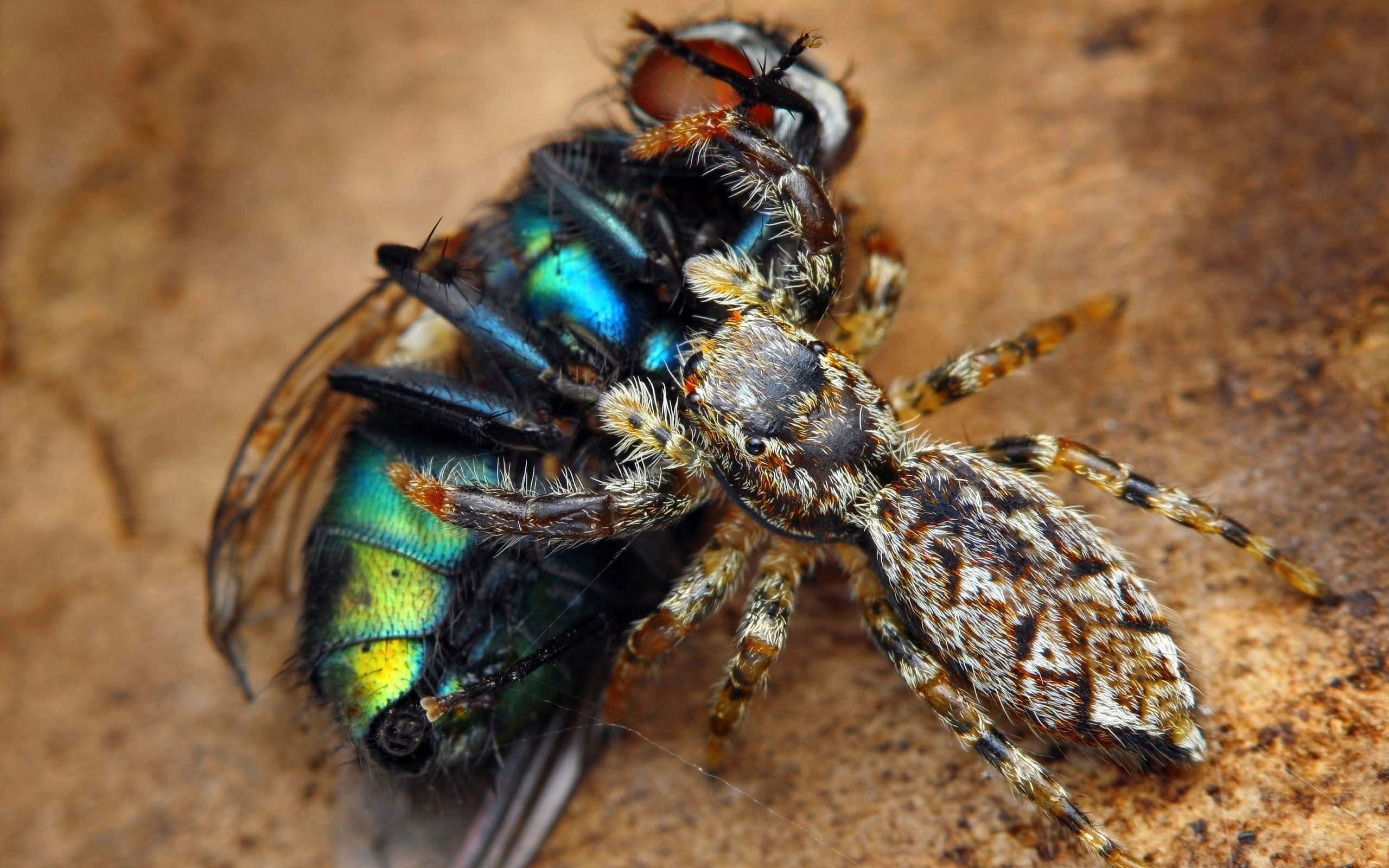
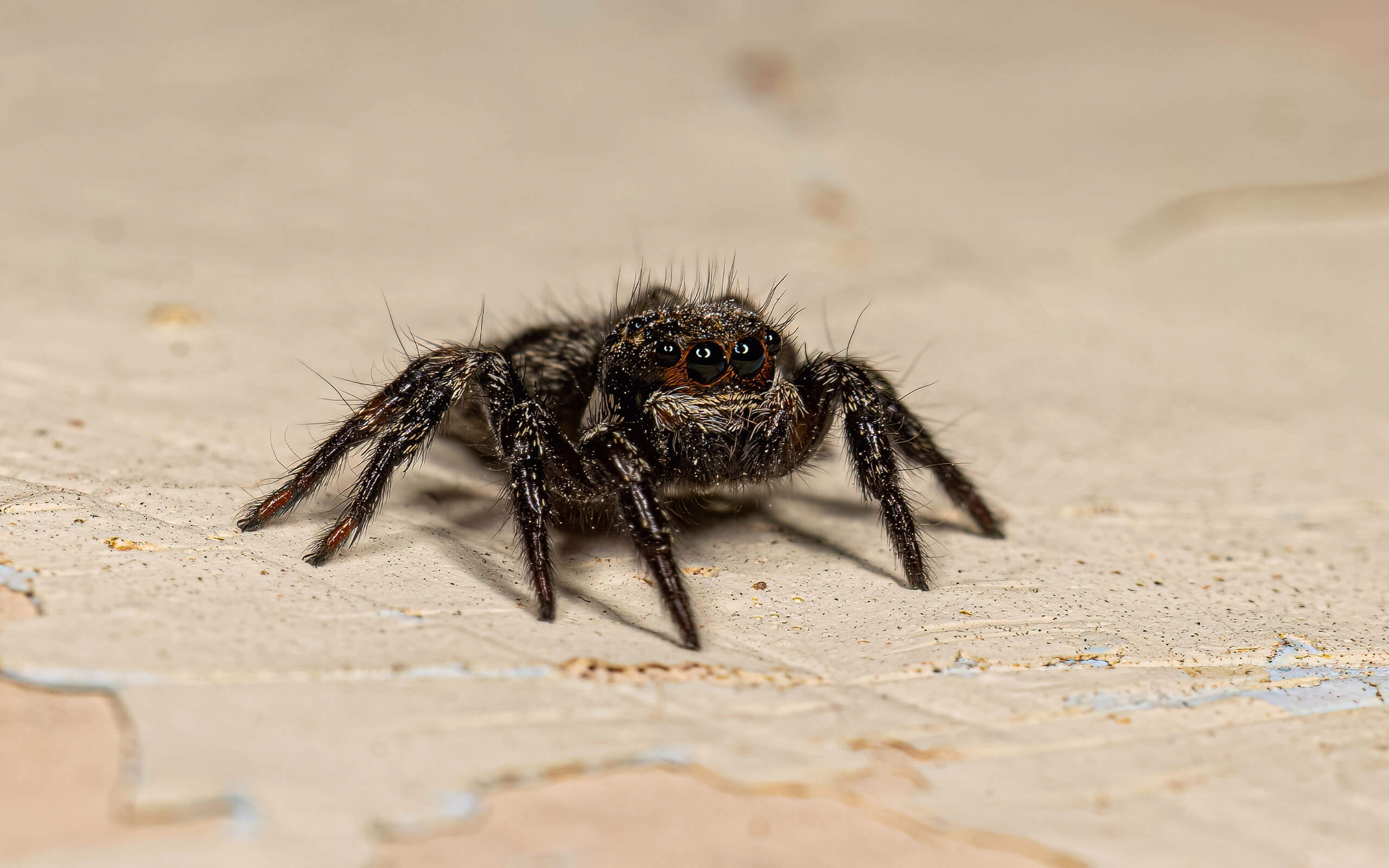
Jumping Spider
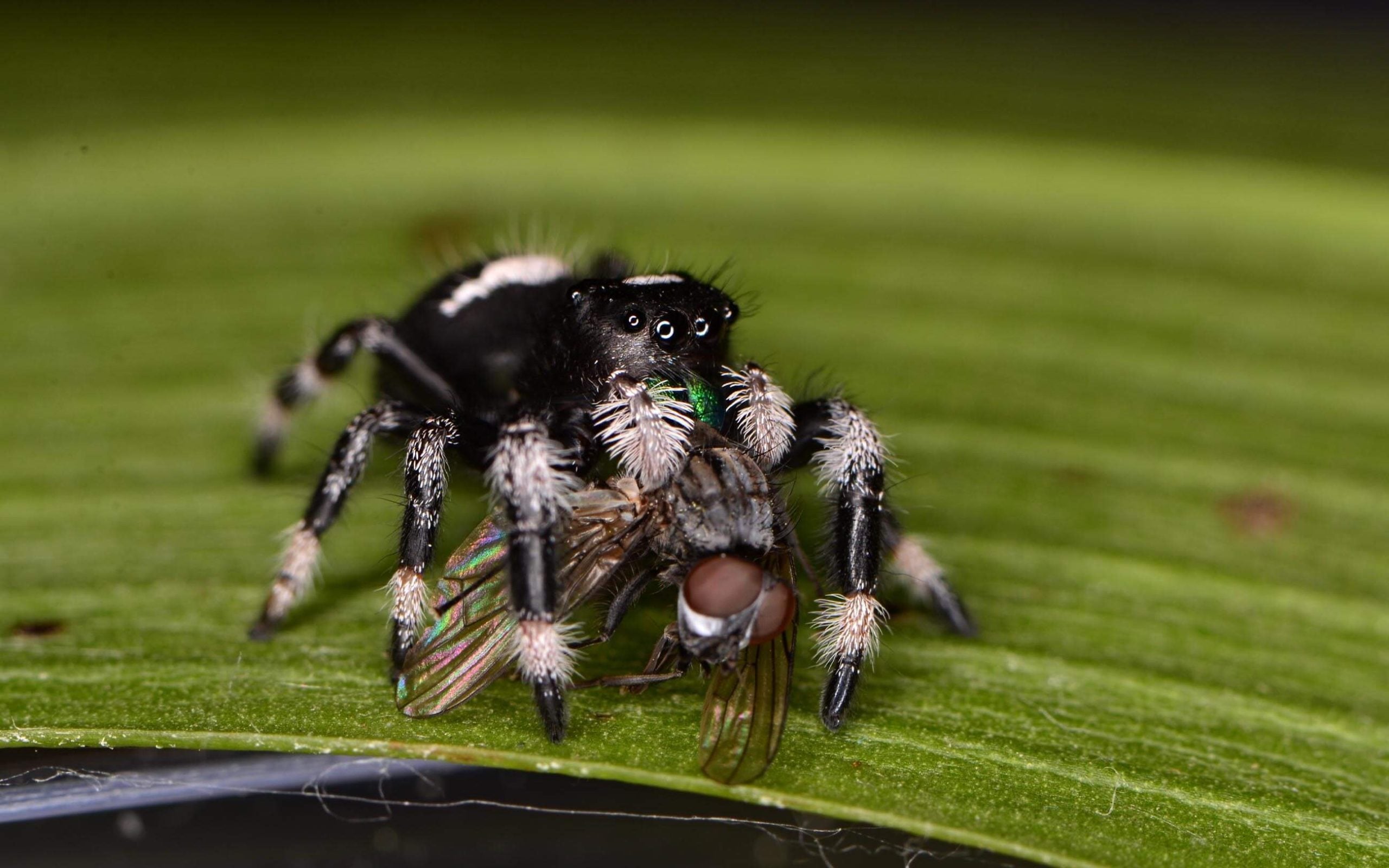
Jumping spiders are perhaps the most charismatic of Colorado's spider species. Small, curious, and remarkably agile, they're often noticed watching people from walls and windowsills-and they genuinely are watching, thanks to their exceptional vision.
Identification
- Small size: 4-8mm body length
- Compact, somewhat flattened body
- Large, forward-facing front eyes (largest of any spider relative to body size)
- Four pairs of eyes total, arranged distinctively
- Often colorful with iridescent scales, stripes, or spots
- Short, strong legs built for jumping
Habitat
Jumping spiders prefer sunny locations where they can hunt visually: window frames and sills, exterior walls and fences, garden plants and flowers, and indoor walls near windows. They don't build webs for catching prey but create small silk "tents" for shelter.

Behavior
Jumping spiders are diurnal (active during the day) and rely on their remarkable vision to stalk and pounce on prey. They can jump up to six times their body length, using a combination of leg muscles and hydraulic pressure.
These spiders often appear curious about humans, turning to face people who approach them. They're not aggressive-this behavior is defensive observation, not preparation to attack.
Venom & Health Risks
Jumping spiders rarely bite humans, and when they do, the bite is harmless-comparable to a minor pinprick with brief, localized irritation.
What to Do
Jumping spiders are beneficial predators that help control flies, mosquitoes, and other pest insects. Unless their numbers become bothersome, they can be left alone or gently relocated outdoors.

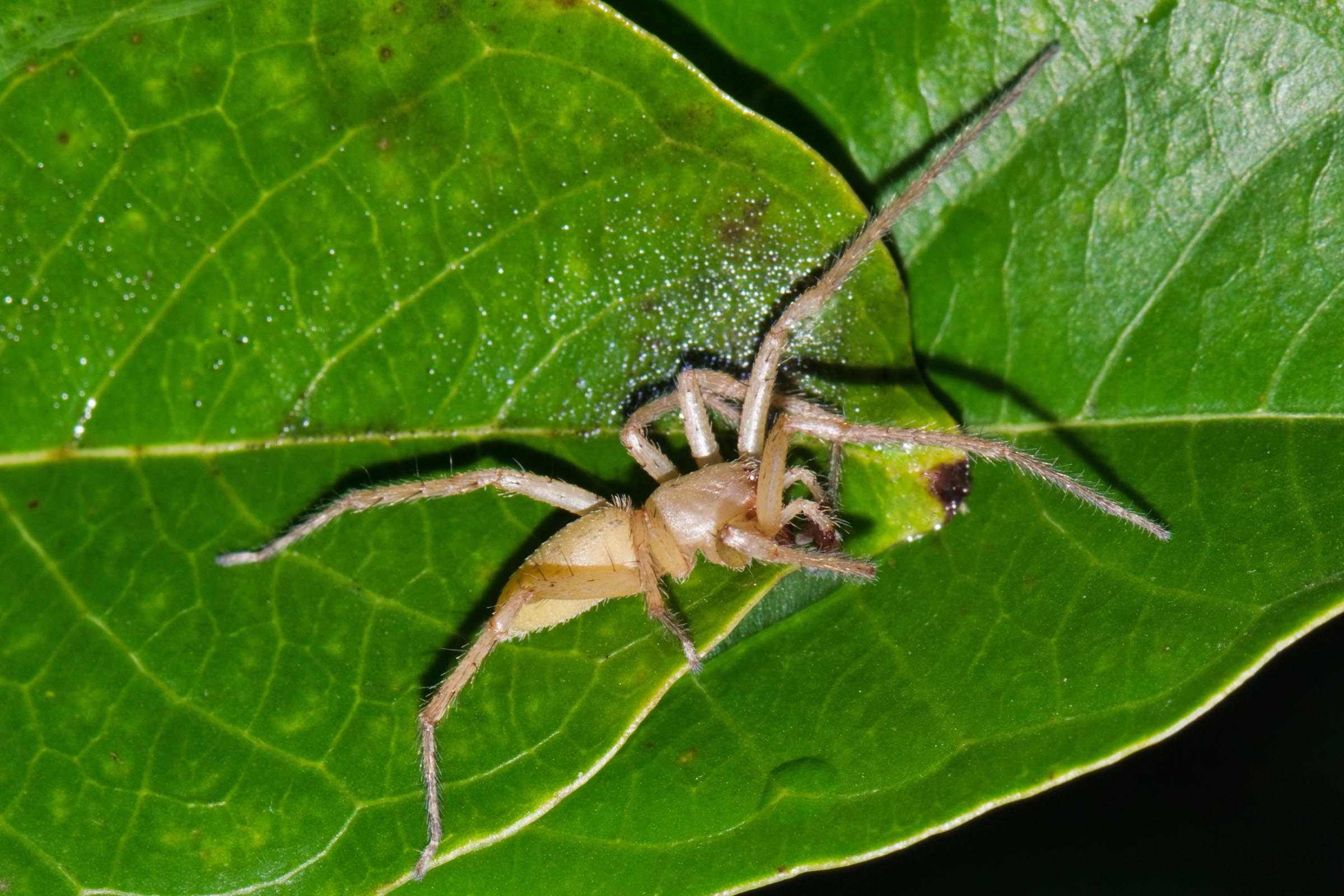
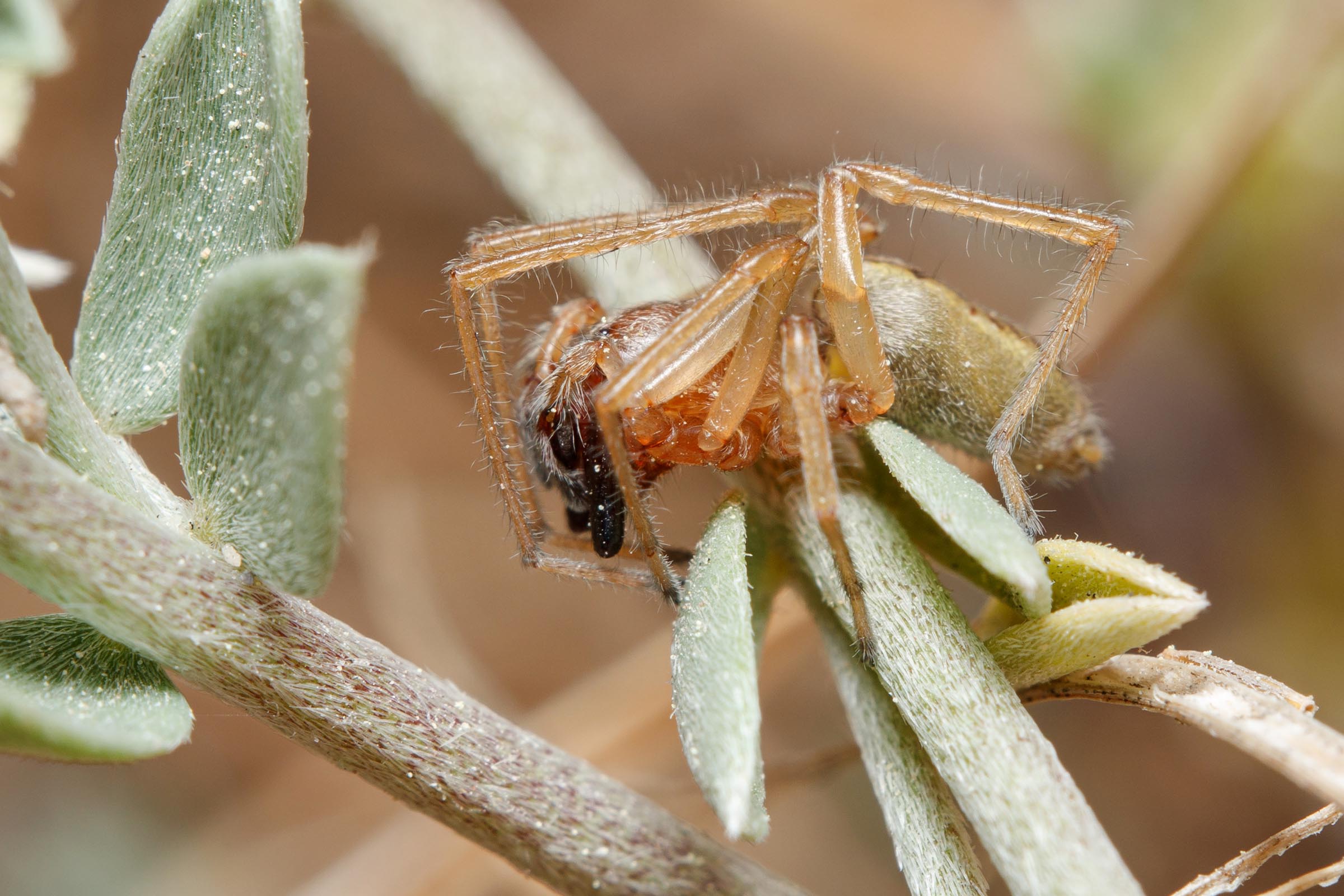
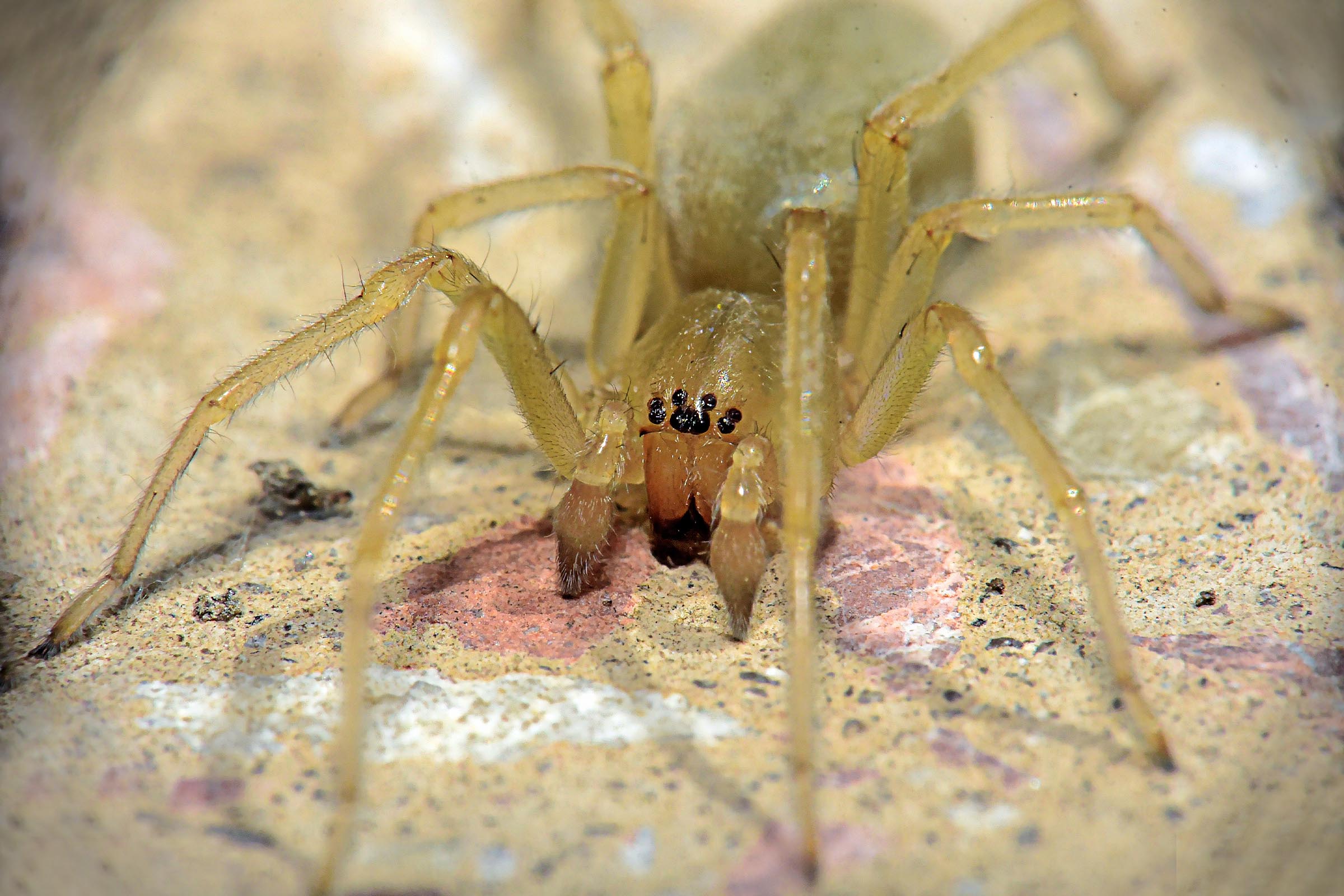
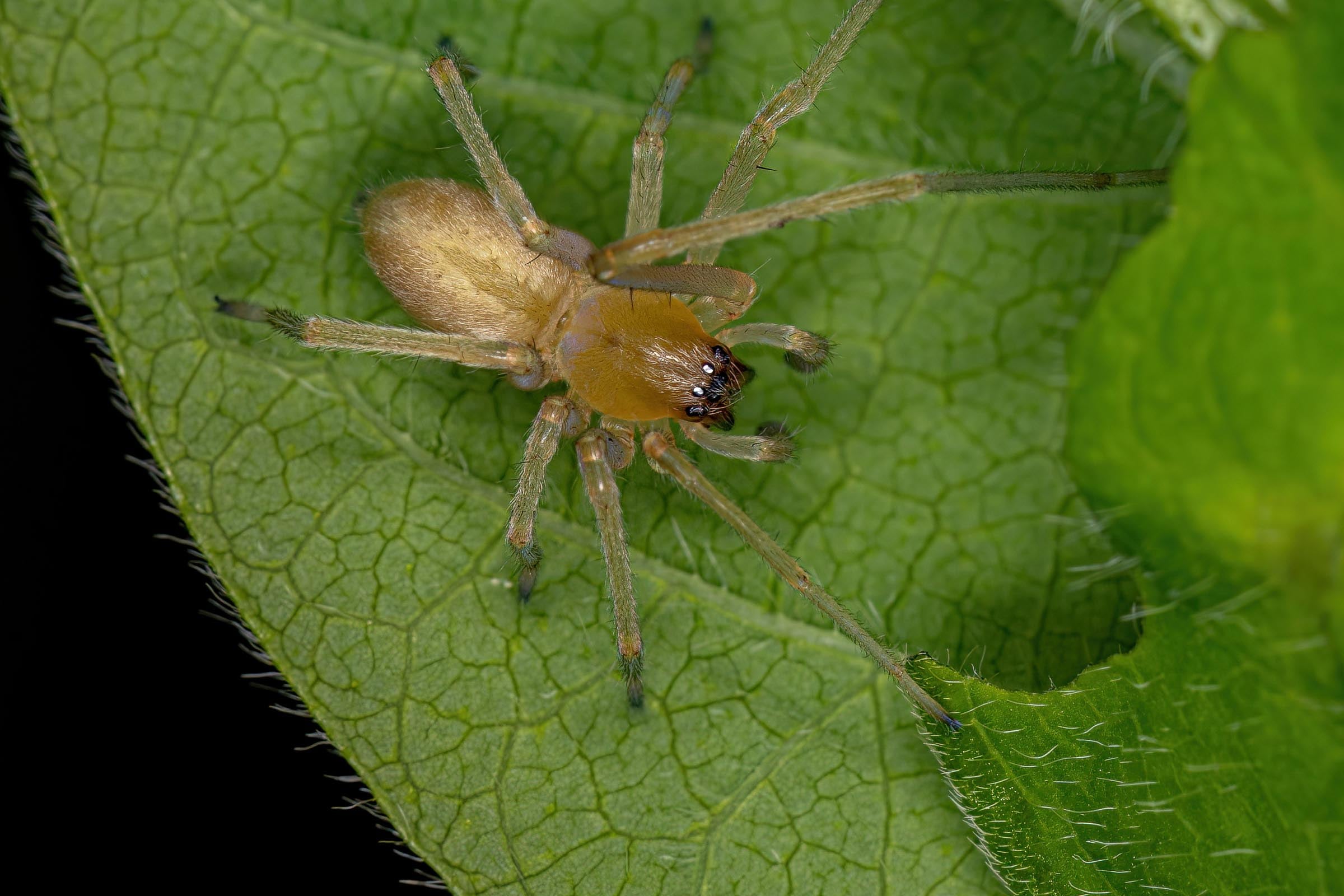
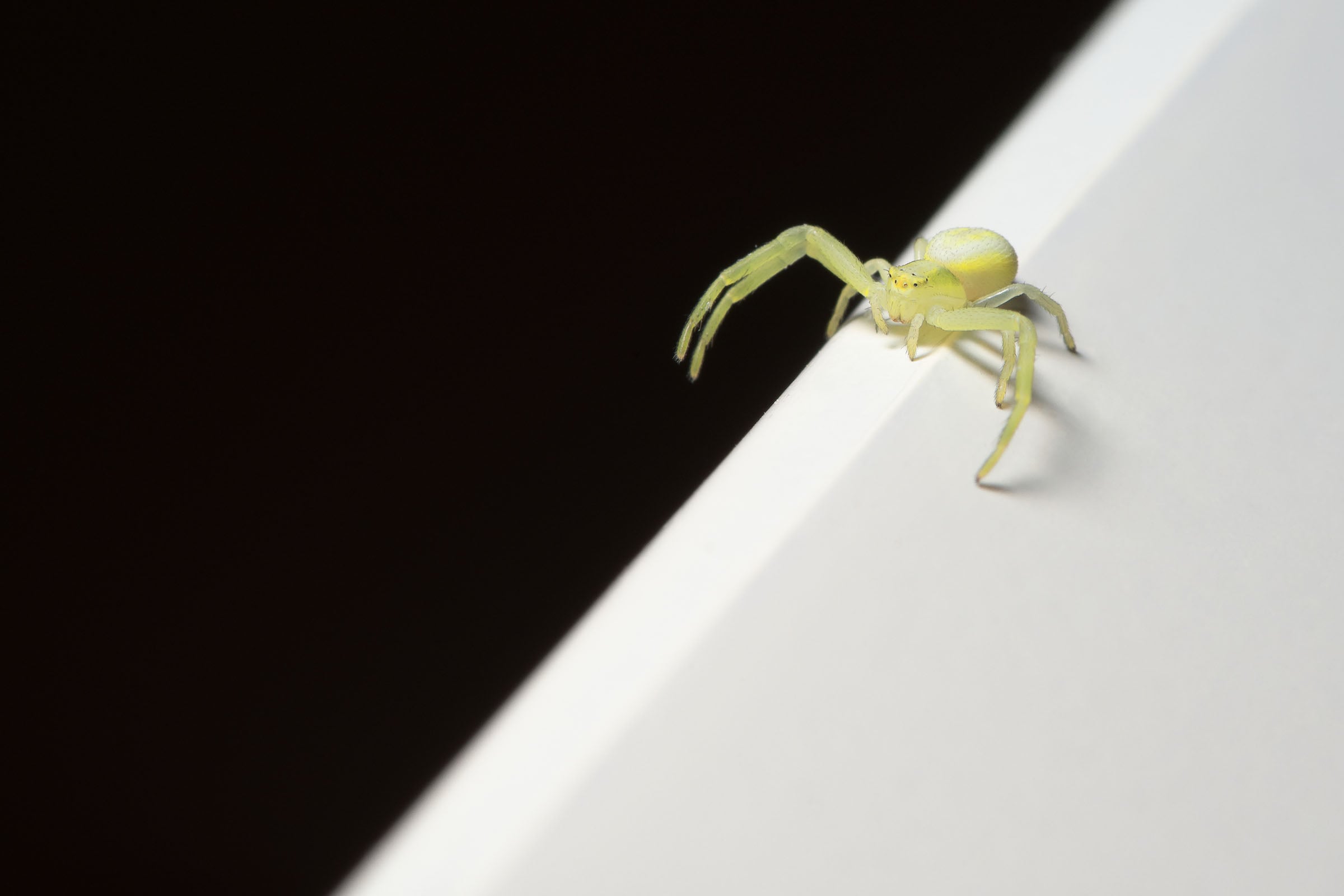
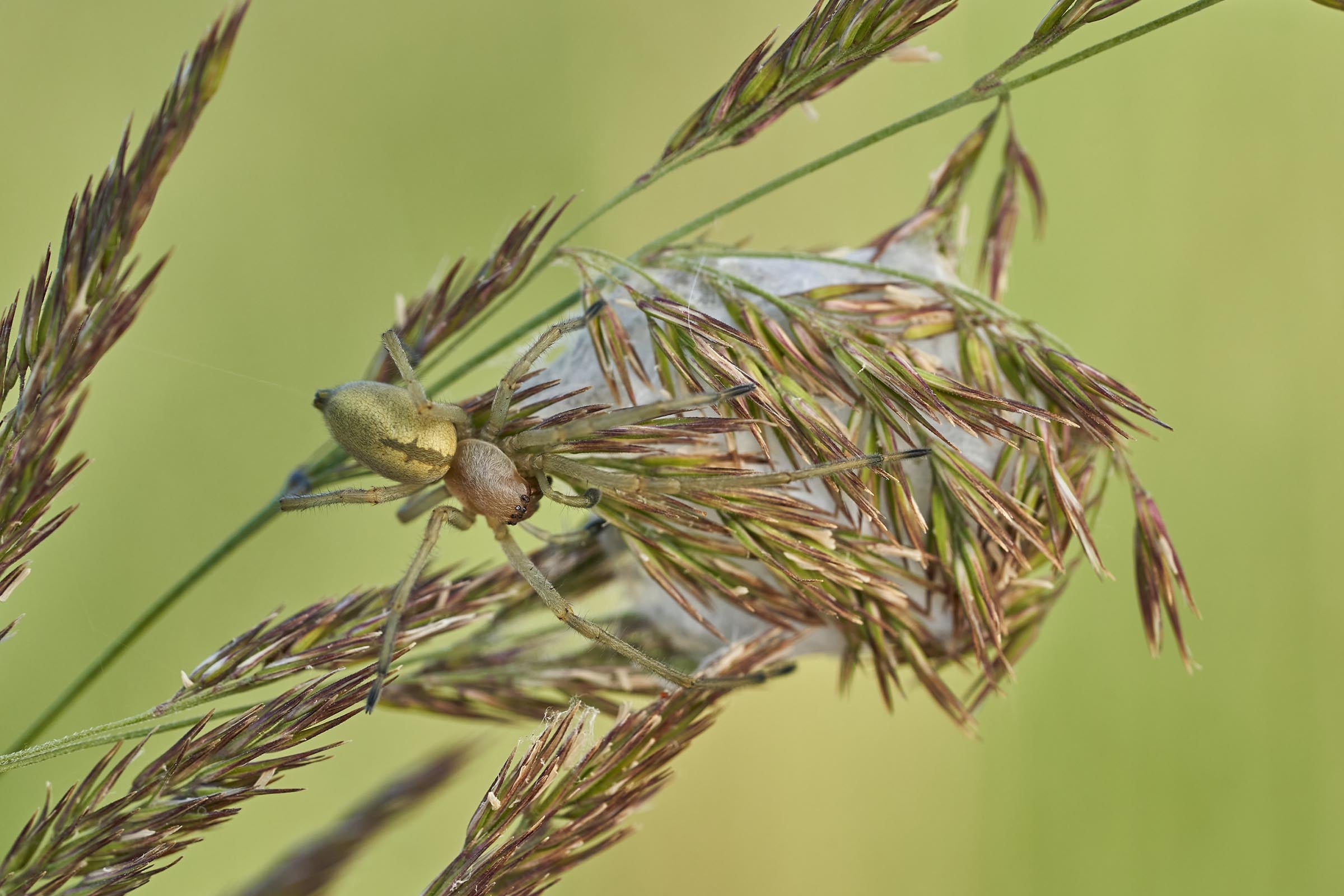
Yellow Sac Spider
Yellow sac spiders deserve attention because they're responsible for more spider bites in the United States than any other species-more than black widows and brown recluses combined. While their bites aren't life-threatening, they're notably painful.
Behavior
Yellow sac spiders are nocturnal hunters that emerge at night to search for prey. During the day, they retreat to their silk sacs. Their tendency to hide in clothing, bedding, and towels leads to accidental bites when people inadvertently trap them against skin.
Venom & Health Risks
Yellow sac spider bites are painful and produce notable local reactions: immediate sharp pain, redness and swelling lasting several days, itching and mild blistering possible, and rare allergic reactions in sensitive individuals. The bite is sometimes compared to a bee sting.
Identification
- Light yellow, beige, or pale green coloring
- Pale, translucent abdomen (sometimes with darker markings)
- Approximately 1/4 to 3/8 inch body length
- Eight eyes in two horizontal rows
- Relatively long front legs
- Two prominent spinnerets at the rear
Habitat
Yellow sac spiders are adaptable and commonly found both indoors and outdoors: corners of ceilings and walls, behind pictures and furniture, inside folded curtains, in clothing left on floors, and in garden foliage. They build small silk "sacs" (retreats) rather than prey-catching webs.
What to Do
Because yellow sac spiders can be numerous and hide in areas where bites are likely, professional treatment is recommended if you're finding them regularly in your home.

Habitat & Behavior
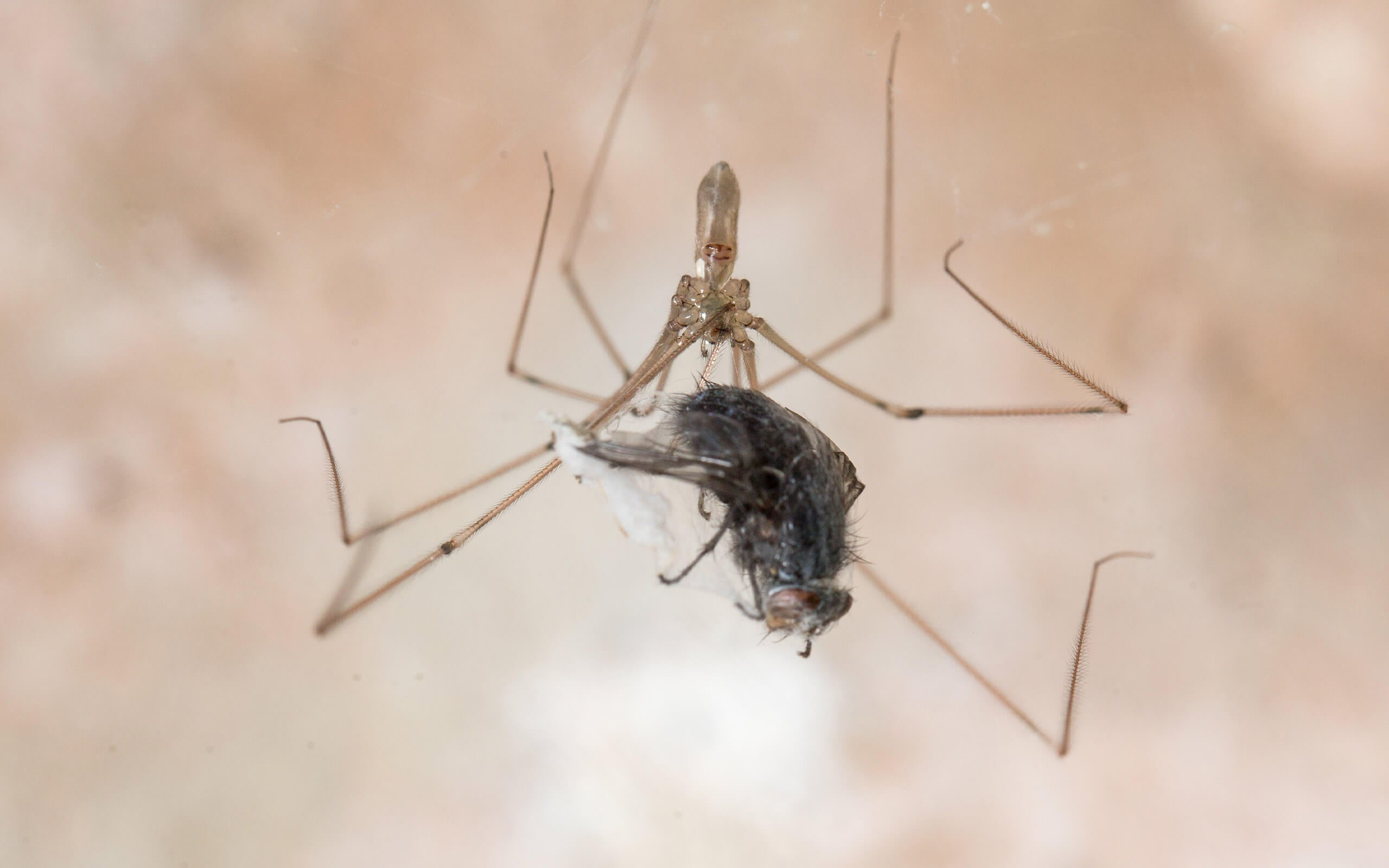
True to their name, cellar spiders prefer dark, damp locations: basements and cellars, garages and sheds, crawl spaces, and corners of rooms. They build loose, irregular webs and are known for accumulating large amounts of webbing over time-contributing to the "cobweb" appearance in neglected spaces.
Venom & Health Risks
None. The myth that cellar spiders have potent venom but fangs too small to bite humans is false. Their venom is mild and their fangs can technically pierce human skin-they're simply not dangerous.
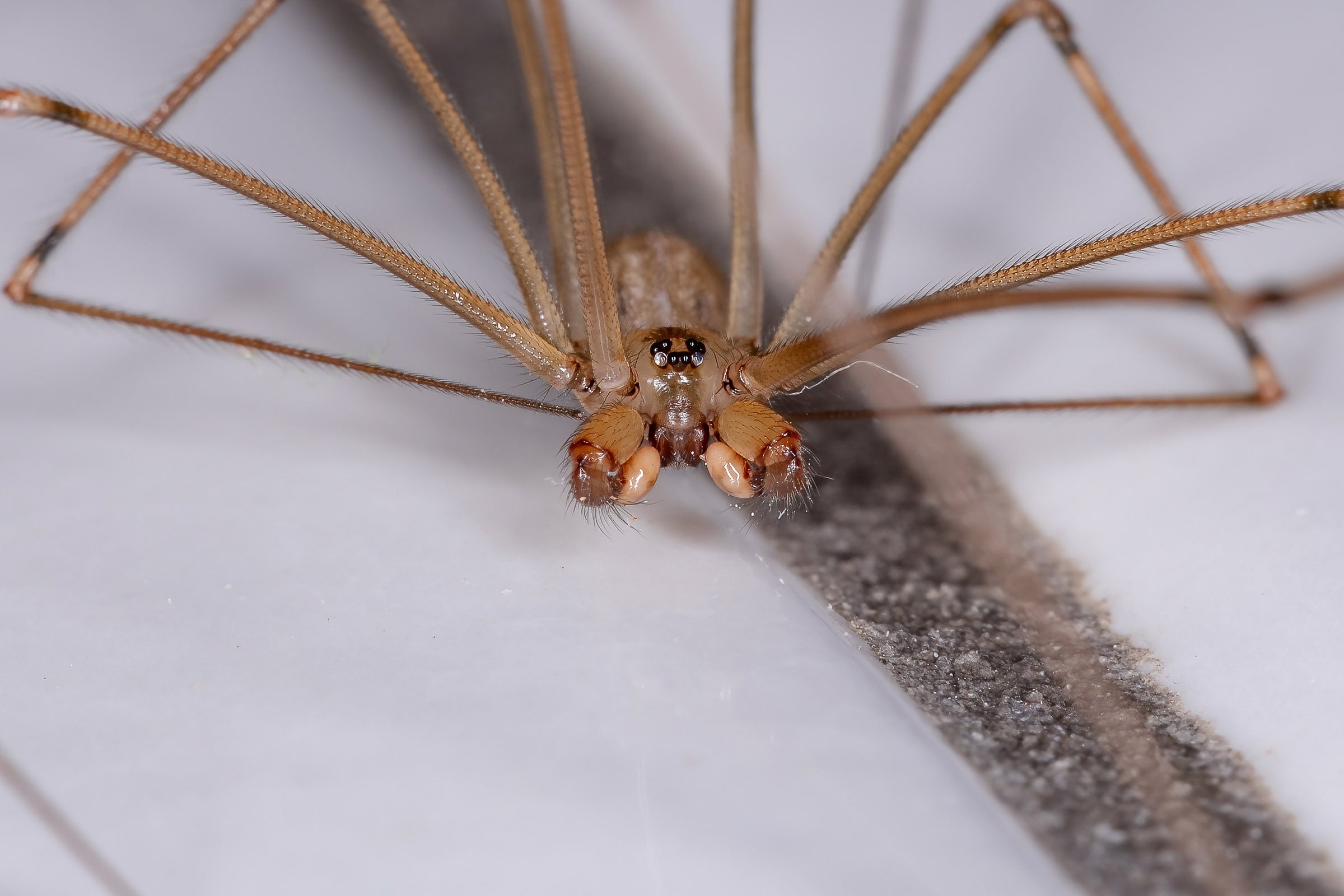
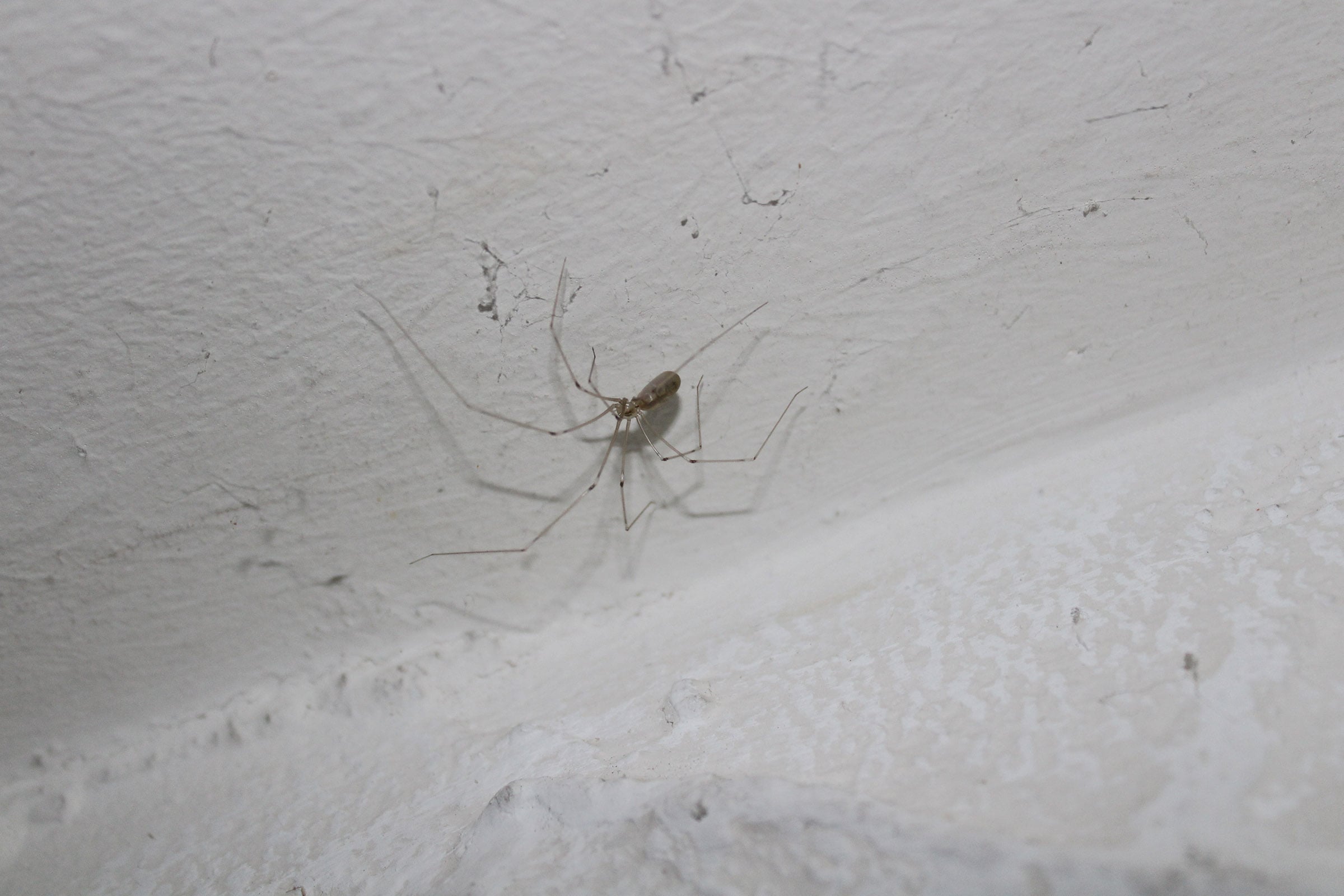
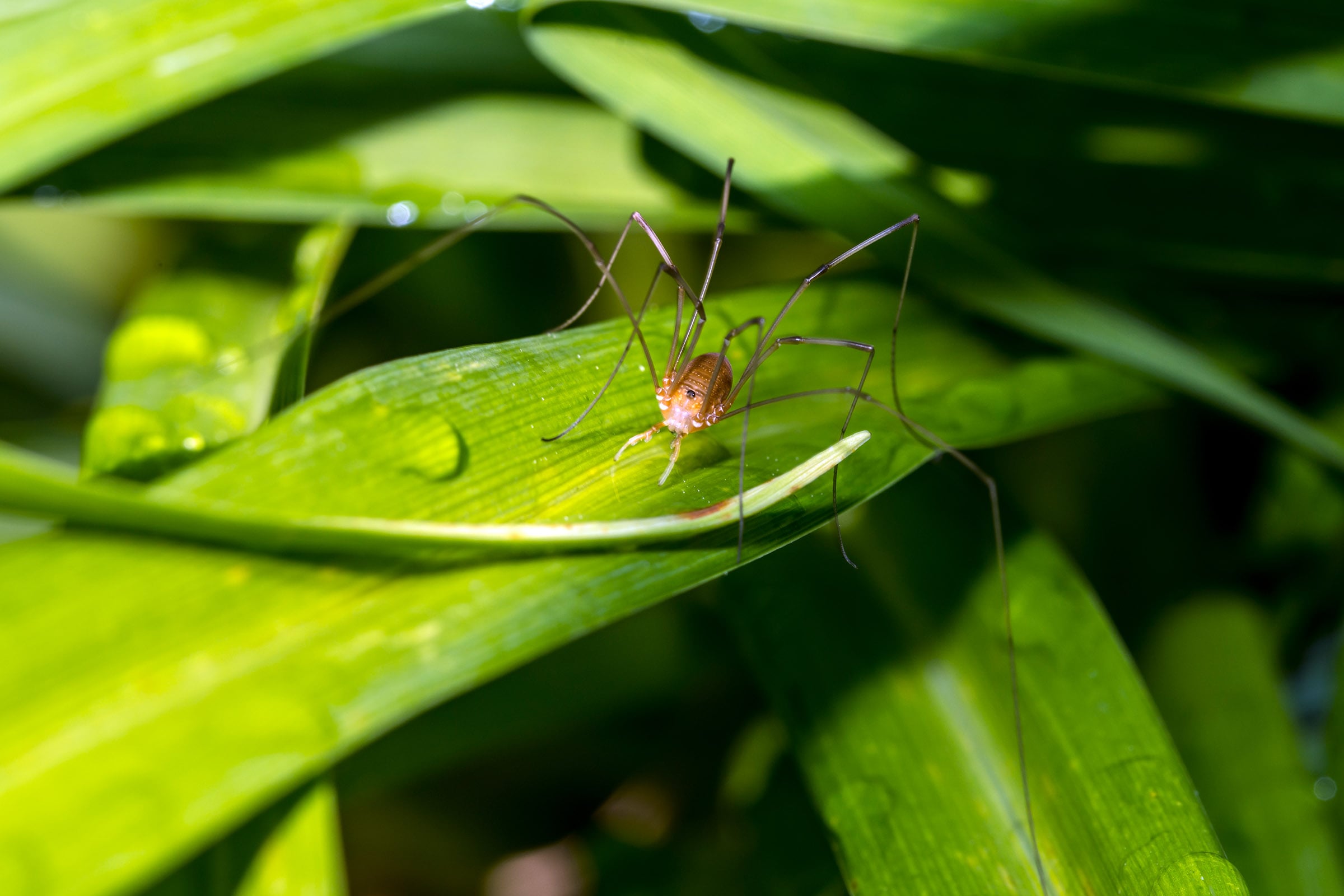
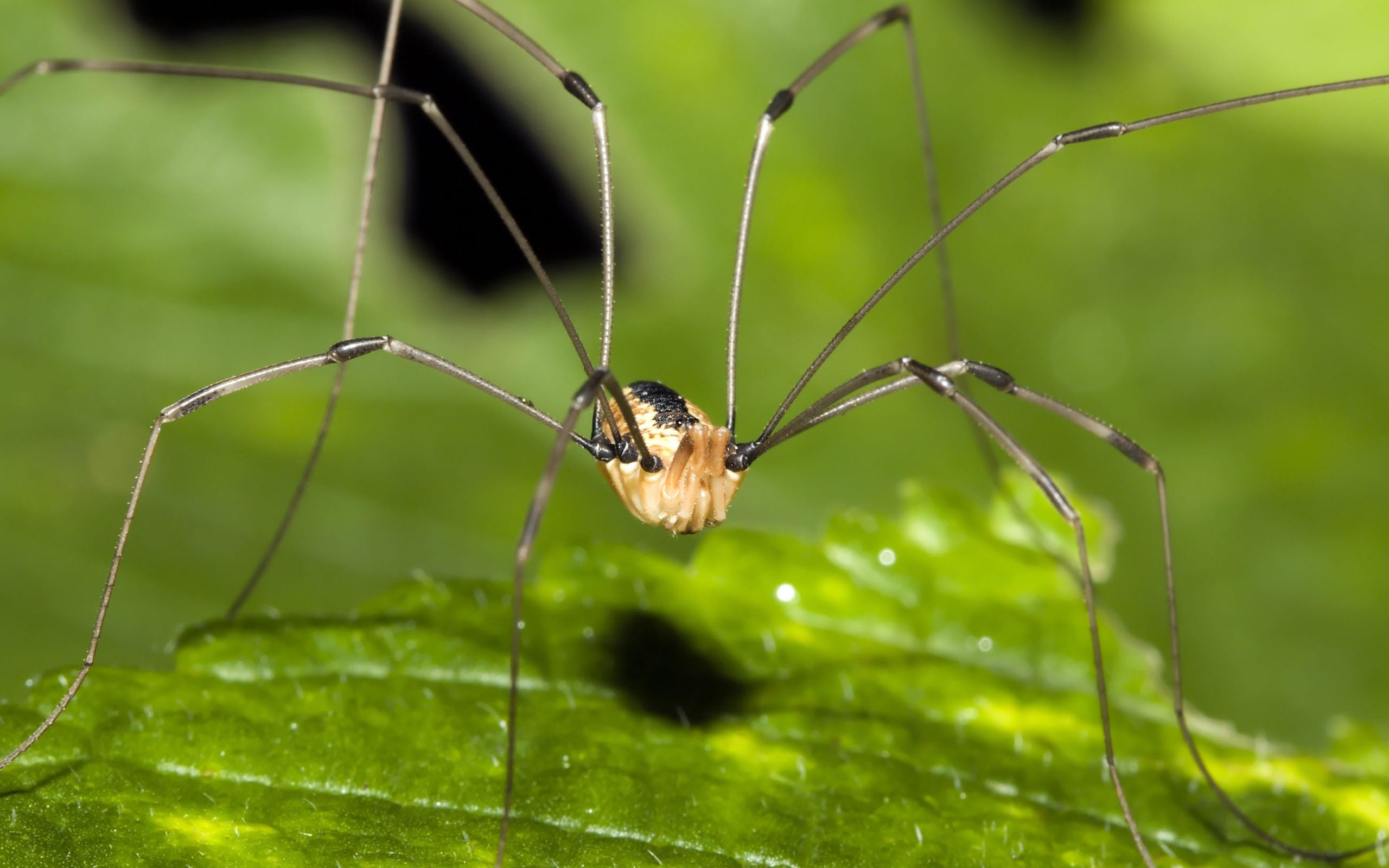
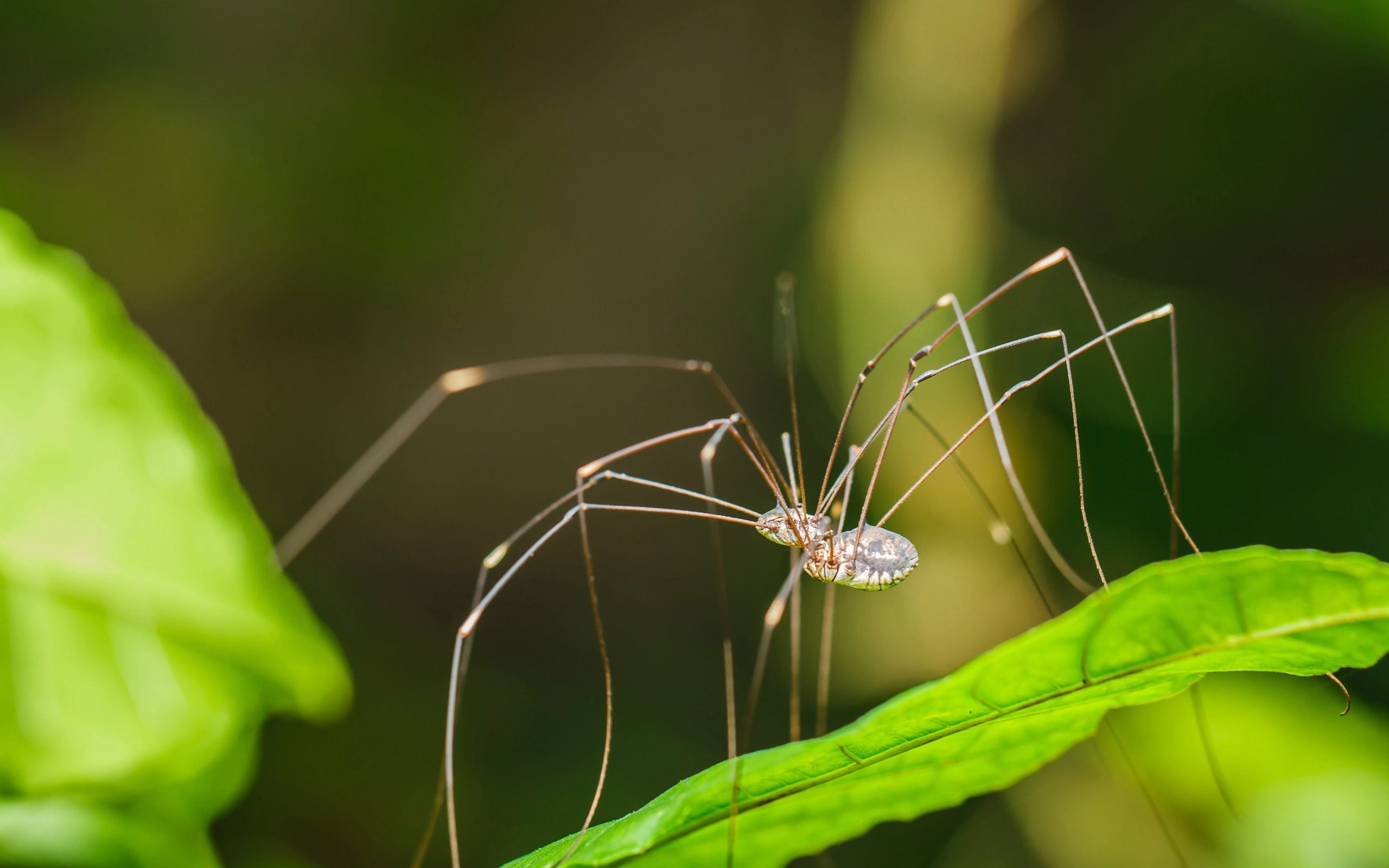
Cellar Spider (Daddy Longlegs)
Cellar spiders-commonly called "daddy longlegs"-are among the most common indoor spiders in Colorado. Their distinctive appearance and prolific web-building make them hard to miss.
Identification
- Very long, thin legs (up to 2 inches)
- Small, pale body (tan, gray, or cream colored)
- Delicate, almost fragile appearance
- Bounces rapidly when disturbed ("vibrating" behavior)
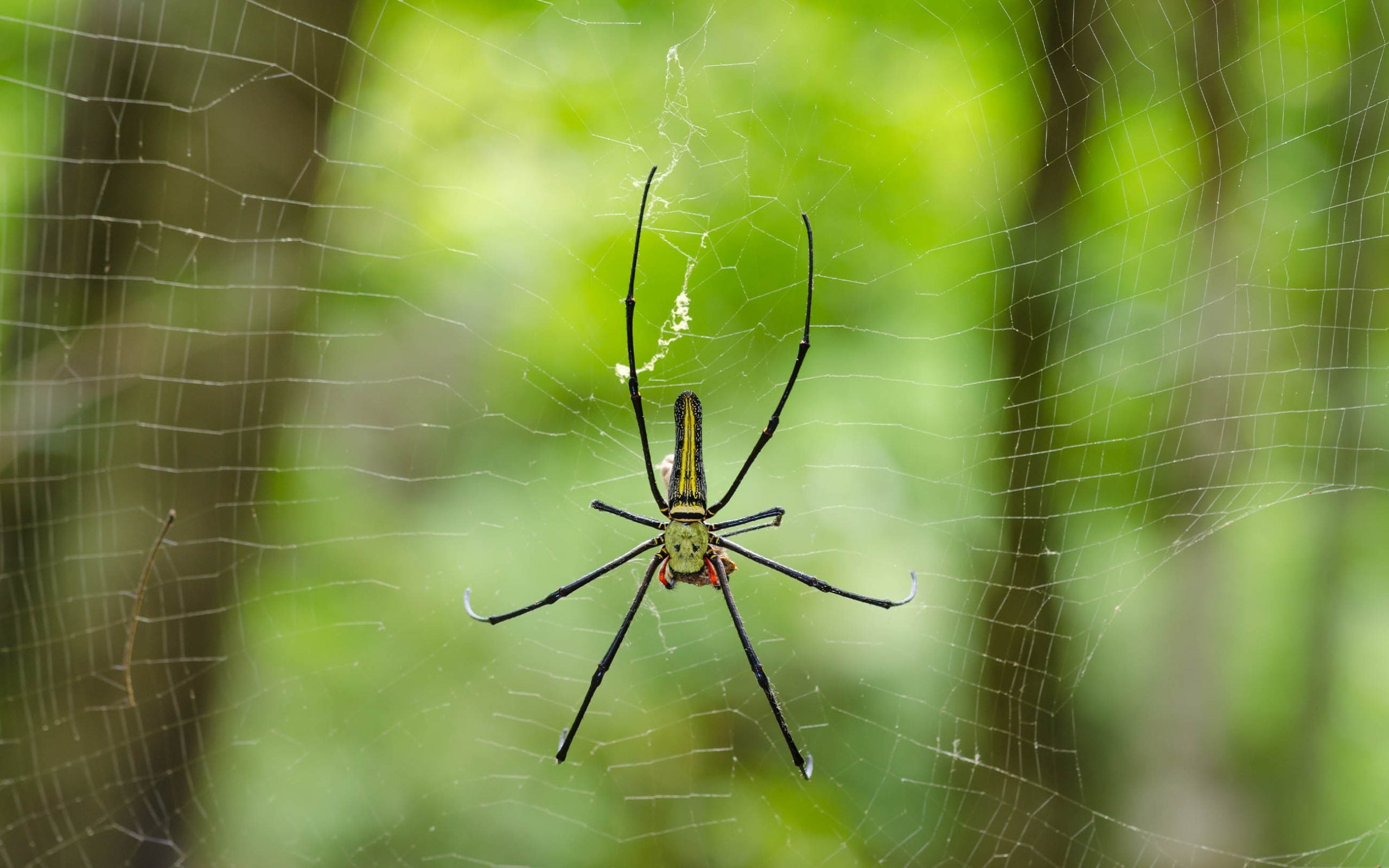
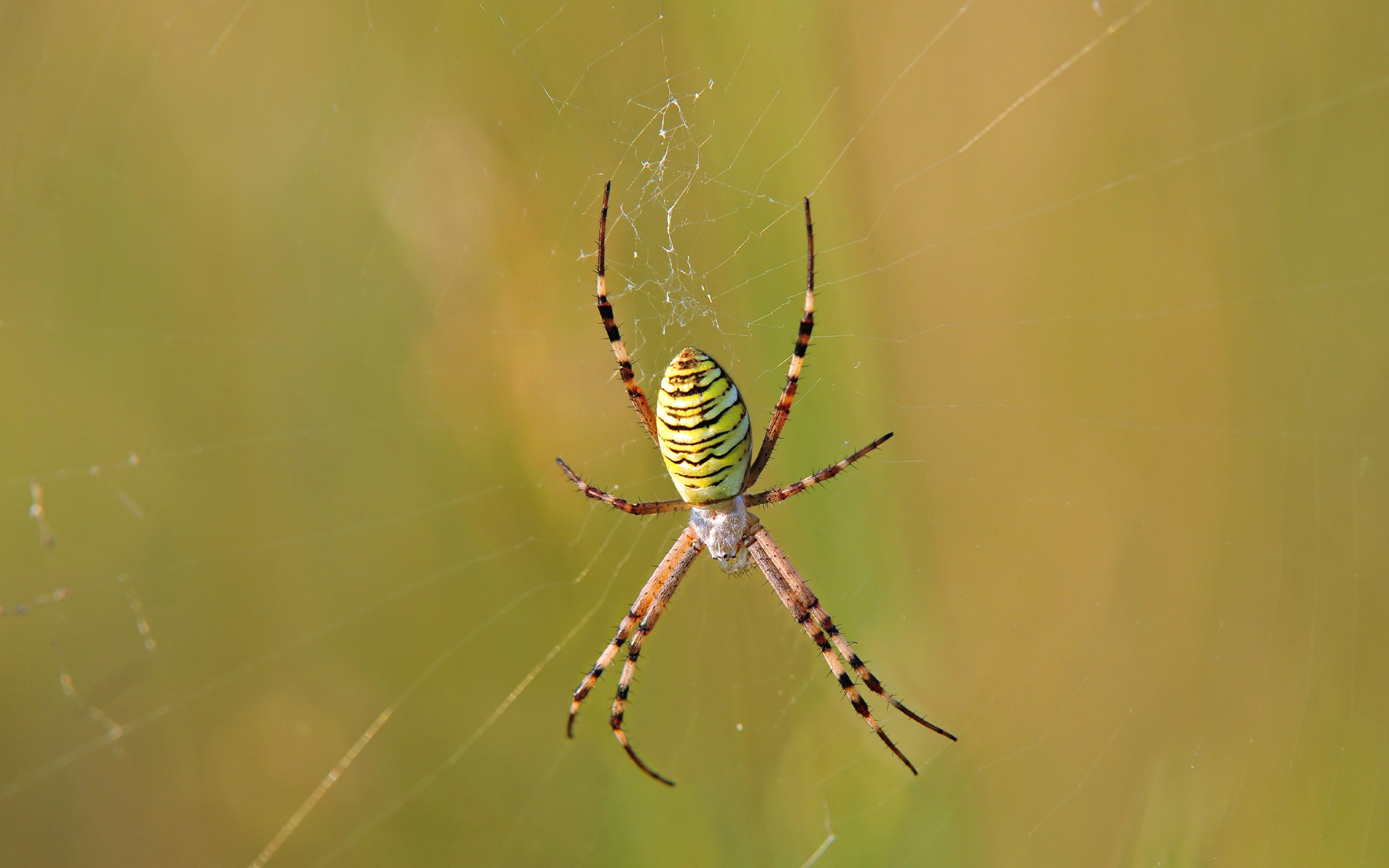
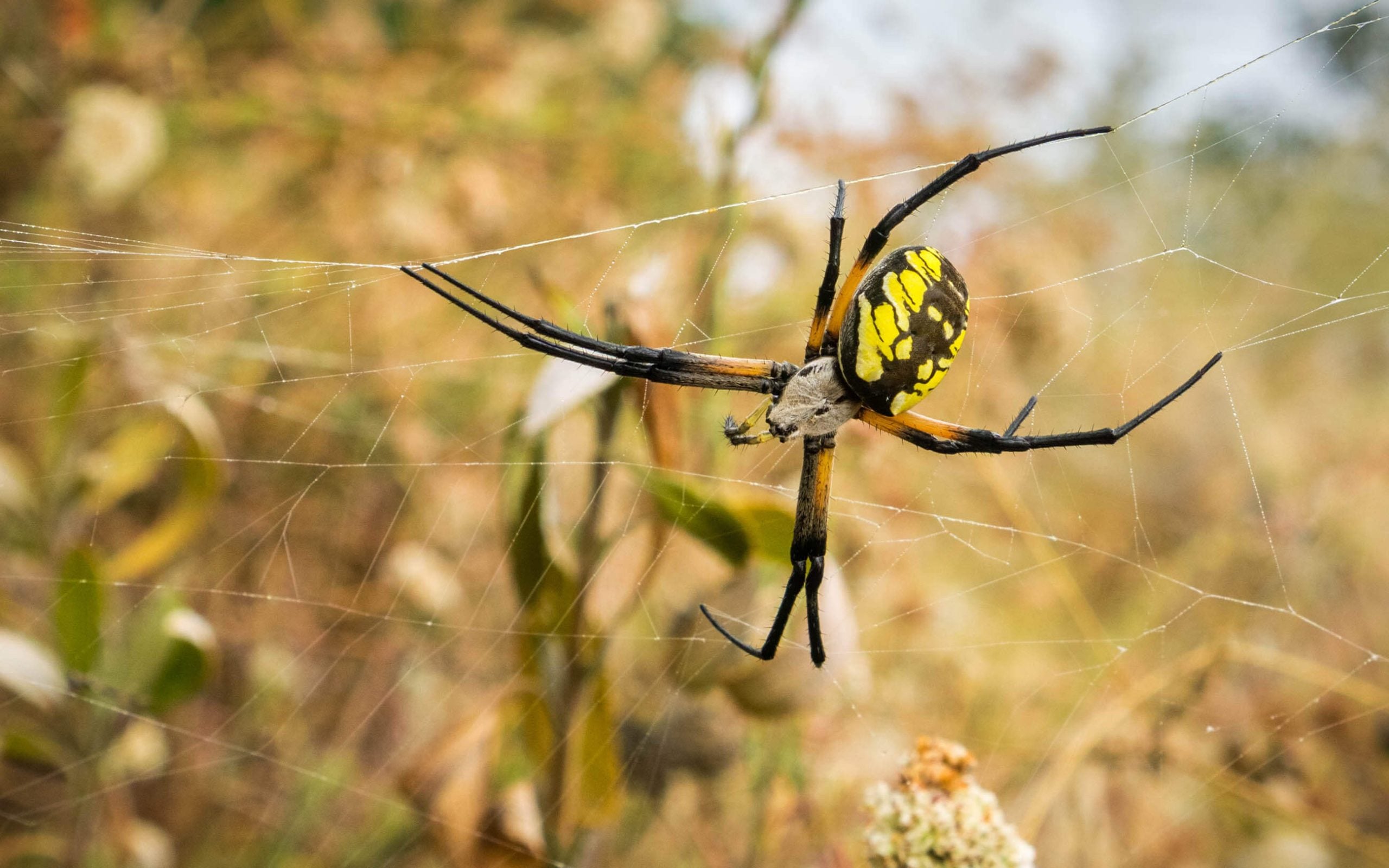
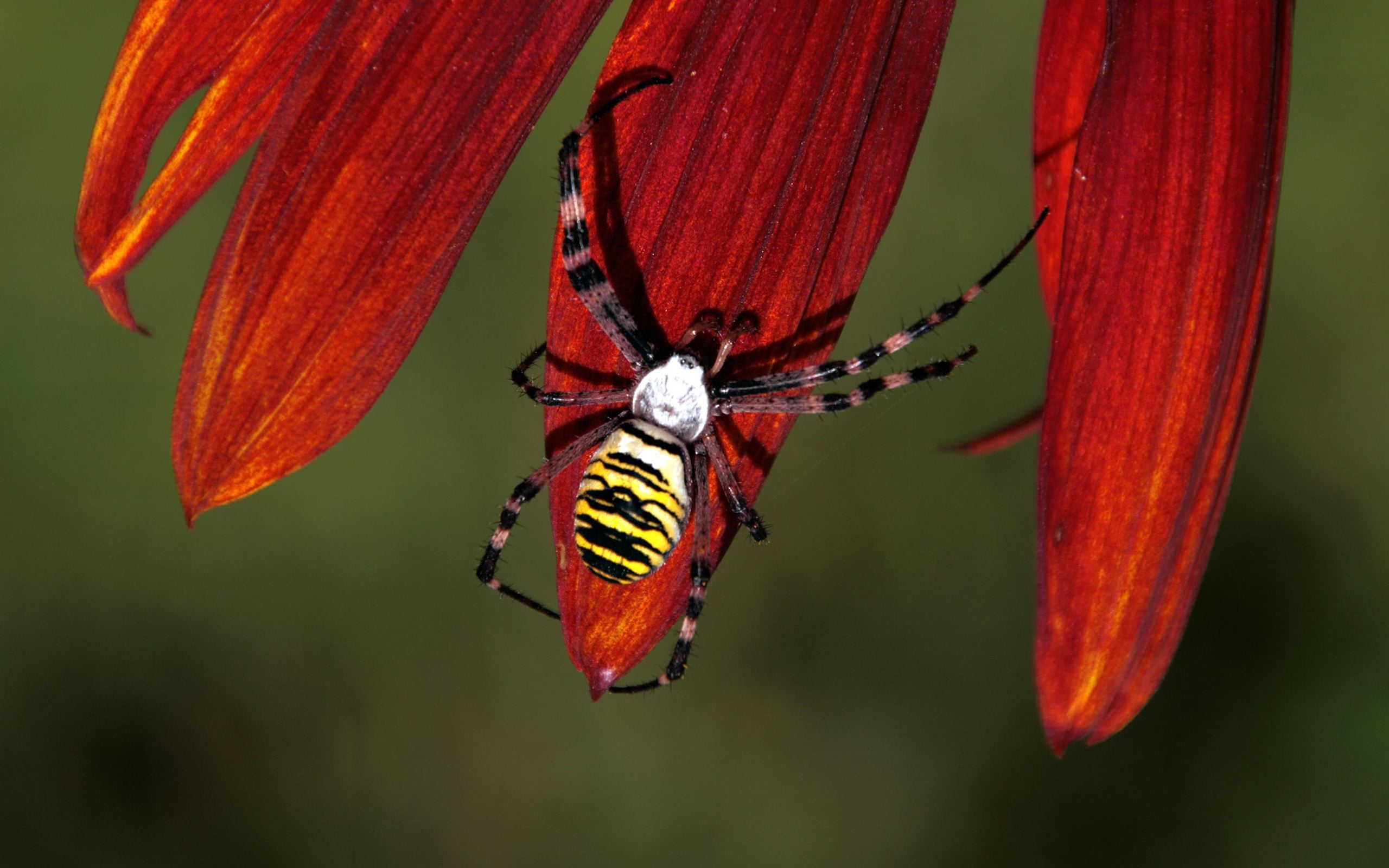
Banded Garden Spider (Argiope trifasciata)
The banded garden spider is one of Colorado's most visually striking spiders, known for its impressive size and beautifully constructed webs. These are the classic "garden spiders" that build large, circular webs in sunny outdoor areas.

Identification
- Large size: females up to 1.5 inches, males only about 1/4 inch
- Distinctive yellow and black banded/striped abdomen
- Silver or white coloring on the head region
- Long legs with dark banding
- Classic orb-weaver body shape
Habitat & Behavior
Banded garden spiders prefer sunny, open areas: gardens and flower beds, meadows and fields, shrubs near homes, and around porch lights. They build large, intricate circular webs-often 2 feet or more in diameter-and sit in the center waiting for flying insects. Males exhibit unique courtship behavior, vibrating the web to signal their presence and often bringing food gifts to females.
Venom & Health Risks
Banded garden spiders are not dangerous to humans. They can bite if handled roughly, causing localized pain and swelling similar to a bee sting, but they're not aggressive. These spiders are highly beneficial, consuming large numbers of pest insects.
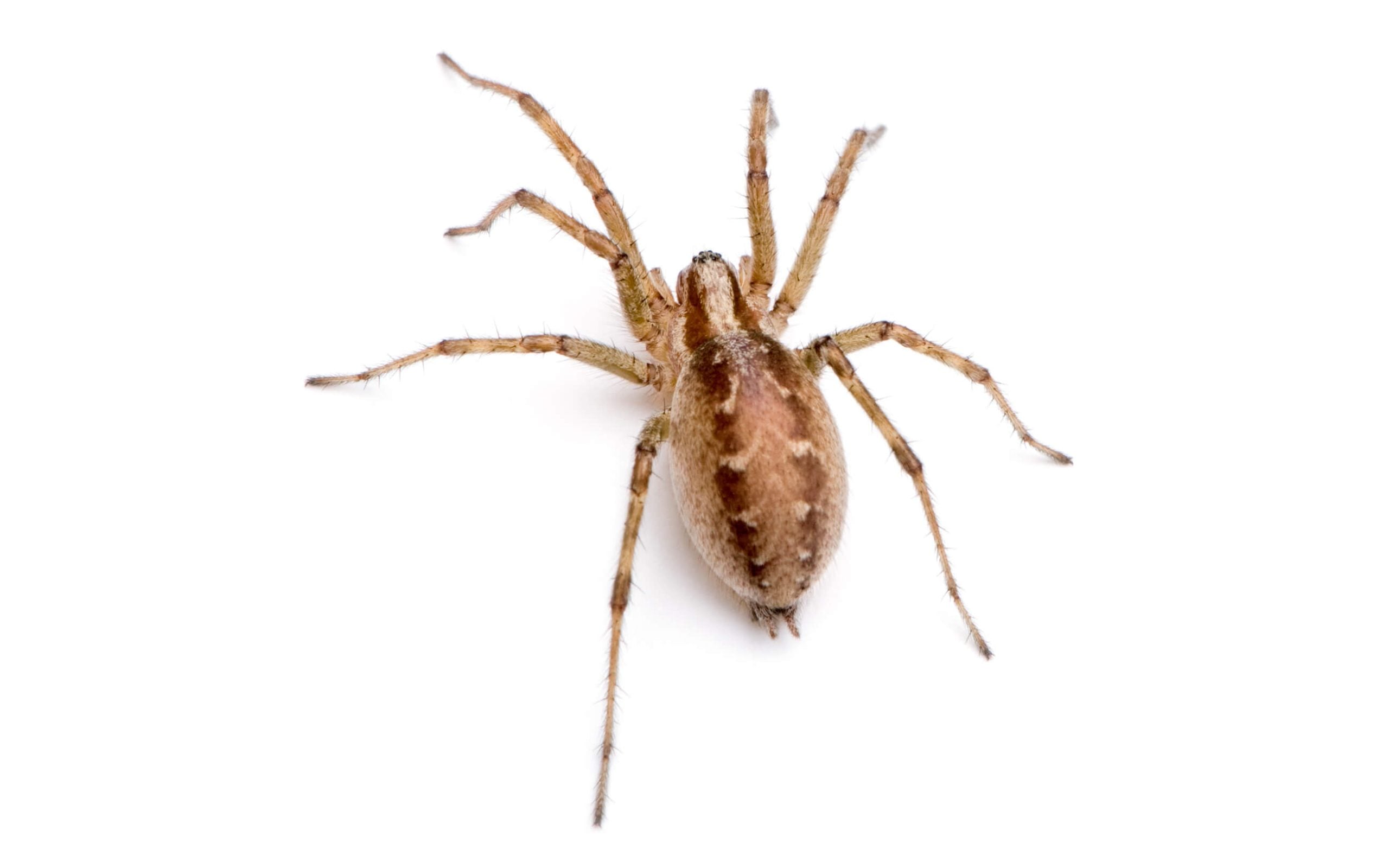
Funnel Web Spiders (Grass Spiders)
Funnel web spiders-also called grass spiders-are extremely common in Colorado yards and occasionally wander indoors. Their distinctive funnel-shaped webs are a familiar sight in lawns and landscaping.
Habitat & Behavior
Funnel web spiders build their characteristic webs in grass and lawn areas, ground cover plants, building corners, basement window wells, and woodpiles. Their webs are flat, sheet-like structures with a funnel-shaped retreat where the spider hides. These are ambush predators-when an insect touches the web, the spider rushes out from the funnel. They're extremely fast, among the quickest spiders in North America.
Venom & Health Risks
Colorado's funnel web spiders (Agelenopsis species) are not dangerous. Their bites may cause minor local irritation but nothing more. Note: These are NOT related to the dangerous Australian funnel-web spider, which does not exist in North America.
Identification
- Medium size: approximately 1/2 to 3/4 inch body
- Brown or tan with darker striping
- Two prominent spinnerets visible at the rear
- Long legs suited for running
- Often confused with wolf spiders (but funnel webs build webs, wolf spiders don't)
When to Call a Professional for Spider Control
Most spider encounters don't require professional intervention. A single spider in your home can usually be captured and released outdoors, or simply left alone to control other insects.
Call OMNIS Pest Control When:
- You've identified black widows or brown recluses on your property
- Spider sightings occur multiple times per week
- Webs reappear within days of removal
- You're finding spiders in bedrooms, clothing, or bedding
- Egg sacs are present inside your home
- Heavy webbing covers exterior surfaces
- Spider activity is accompanied by other pest problems
Professional treatment addresses both the immediate spider population and the underlying pest issues attracting them. Our technicians identify species, locate harborage areas, and develop targeted treatment plans that produce lasting results.
We've served Castle Rock, Parker, and Douglas County for over 13 years, solving spider problems in hundreds of homes.
Whether you're dealing with dangerous species or simply more spiders than you're comfortable with, we're here to help.
Preventing Spiders in Your Colorado Home
While complete spider elimination isn't realistic (or even desirable, given their pest control benefits), you can significantly reduce spider activity in your home:

Reduce Insect Prey
Spiders follow their food. Address fly, mosquito, ant, and other insect problems to make your home less attractive to spiders.

Seal Entry Points
Caulk cracks around windows, repair damaged weatherstripping, and ensure door sweeps are intact to keep spiders out.

Adjust Exterior Lighting
Lights attract insects, which attract spiders. Use yellow "bug lights" or position lights away from entries.

Eliminate Clutter
Spiders thrive in undisturbed areas with hiding spots. Regular cleaning and organization reduces harborage opportunities.

Reduce Outdoor Harborage
Move firewood away from the house, clear debris from foundation areas, and trim vegetation touching exterior walls.

Quarterly Professional Treatment
Regular perimeter treatment creates a barrier that prevents spiders from establishing populations around your home.
Expert Spider Control in Castle Rock
Understanding Colorado's spiders helps you know which ones pose real concerns and which are simply uninvited but harmless guests. When you encounter black widows, brown recluses, or simply more spiders than you're comfortable with, OMNIS Pest Control is here to help.
We've served Castle Rock, Parker, and Douglas County for over 13 years, solving spider problems in hundreds of homes. Our technicians identify species, locate harborage areas, and provide targeted treatment that eliminates existing spiders and prevents their return.
Call 720-583-4126 or contact us online to schedule your spider inspection.
More Pest Protection.
More Peace of Mind.