
 Pantry Pests
 Pill Bugs
 Ants
Ants Spiders
 Bees
Bees Crickets
 Miller Moths
 Millipedes
 Wasps
Wasps Hornets
 Mice
Mice Voles
Voles Rats
Rats Bats
Bats Birds
Birds Gophers
 Mosquitos*
 How to Identify Rodent Droppings
 Keep Pests Out of Your Kitchen
 Keep Ants Away
ESSENTIAL Colorado Pest Management
Colorado Pest Management or Integrated Pest Management (IPM) is a sustainable, science-based approach to managing pests that emphasizes long-term prevention and control. We employ a comprehensive IPM strategy that integrates multiple control methods to effectively manage various pests.
We are committed to providing eco-friendly and effective Colorado pest management solutions. By focusing on prevention, monitoring, and control, we ensure that pest populations are managed efficiently and environmentally responsible. The company's IPM approach is designed to minimize risks to human health and the environment while effectively controlling pest infestations.
Steps in the IPM Process

1. Pest Identification
The first step in the IPM process is accurate pest identification. Our specialists are trained to distinguish between different pest species, as understanding the biology and behavior of pests is crucial for effective management.
2. Monitoring and Inspection
Regular monitoring and thorough inspections are essential components of IPM. Our technicians conduct routine inspections to detect early signs of pest activity. They use various monitoring tools, such as traps and sensor technologies, to track pest populations and identify potential hotspots.
3. Assessment and Action Thresholds
We establish action thresholds, which determine the level of pest activity that necessitates intervention. By setting these thresholds, we ensure that control measures are only implemented when necessary, reducing unnecessary pesticide use.
4. Prevention
Preventing pest entry and proliferation is a cornerstone of OMNIS's IPM strategy.
- Exclusion: Sealing entry points to prevent pests from entering buildings.
- Sanitation: Maintaining cleanliness to eliminate food and water sources for pests.
- Landscape Management: Modifying the surrounding environment to make it less conducive to pest habitation.
5. Control Methods
When pests exceed action thresholds, OMNIS employs a combination of control methods to manage the infestation.
- Biological Control: Utilizing natural predators, parasites, or pathogens to control pest populations.
- Cultural Control: Implementing practices that reduce pest establishment, reproduction, and survival.
- Mechanical and Physical Control: Using physical barriers, traps, or other mechanical means to control pests.
- Chemical Control: Applying pesticides in a targeted and responsible manner, as a last resort.
6. Evaluation
Post-treatment evaluation is critical to the success of IPM. OMNIS conducts follow-up inspections to assess the effectiveness of control measures and make necessary adjustments. This continuous feedback loop helps refine and improve the Colorado IPM standards and strategies over time.

Pests Controlled by Colorado Pest Management
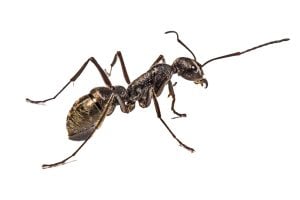
Ants
Ants are social insects that live in colonies. Common Colorado species include the Argentine ant, odorous house ant, and carpenter ant.
Control Methods
- Biological: Introducing natural predators such as nematodes.
- Cultural: Keeping food sealed and maintaining cleanliness.
- Mechanical: Using ant baits and traps.
- Chemical: Applying targeted insecticides when necessary.
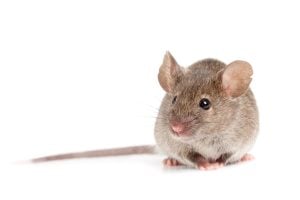
Rodents
Rodents like mice and rats can cause structural damage and transmit diseases.
Control Methods
- Biological: Employing rodent predators such as cats or barn owls.
- Cultural: Eliminating food and water sources.
- Mechanical: Setting traps and sealing entry points.
- Chemical: Using rodenticides in extreme cases.
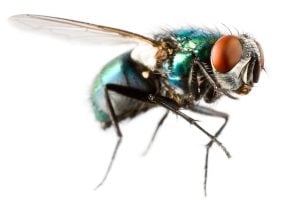
Flies
Flies are insects that can spread diseases. Common species include house flies, fruit flies, and drain flies.
Control Methods
- Biological: Introducing parasitoid wasps.
- Cultural: Maintaining cleanliness and proper waste disposal.
- Mechanical: Using fly traps and screens.
- Chemical: Applying insecticides in high-traffic areas.

Spiders
Spiders are arachnids that can be beneficial but may also pose a nuisance.
Control Methods
- Biological: Encouraging natural predators like birds and lizards.
- Cultural: Reducing clutter and sealing entry points.
- Mechanical: Using vacuuming and sticky traps.
- Chemical: Applying insecticides if necessary.
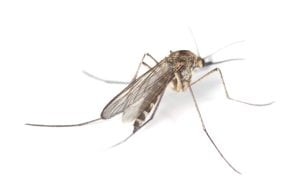
Mosquitoes
Mosquitoes are blood-feeding insects that can transmit diseases like malaria and West Nile virus.
Control Methods
- Biological: Releasing mosquito larvae-eating fish and bacteria.
- Cultural: Eliminating standing water and maintaining proper drainage.
- Mechanical: Installing mosquito traps and screens.
- Chemical: Applying larvicides and adulticides as needed.

Contact OMNIS for Colorado Pest Manangement
Our Colorado Pest Management approach is a holistic and sustainable method for managing pest populations. By integrating multiple control methods and focusing on prevention, we effectively address pest issues while minimizing environmental impact.
Whether dealing with insects, rodents, or other pests, OMNIS's commitment to IPM ensures long-term solutions and healthier environments.
What Our Customers Say
OMNIS holds a 4.8 star rating from 120 Google reviews. Read them, and leave your own, on our Google reviews page.