
 Pantry Pests
 Pill Bugs
 Ants
Ants Spiders
 Bees
Bees Crickets
 Miller Moths
 Millipedes
 Wasps
Wasps Hornets
 Mice
Mice Voles
Voles Rats
Rats Bats
Bats Birds
Birds Gophers
 Mosquitos*
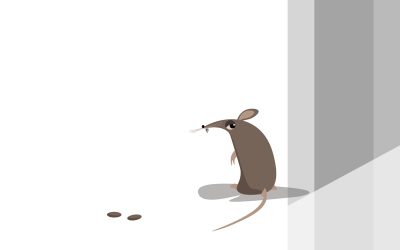 How to Identify Rodent Droppings
 Keep Pests Out of Your Kitchen
 Keep Ants Away
About Ants
Biology, Behavior, and Species in Colorado
In my 13 years as a pest control professional, I've developed what I can only describe as a grudging respect for ants. They're incredible organisms—some of the most successful creatures on the planet. They've been around for over 100 million years, survived the extinction event that wiped out the dinosaurs, and currently occupy every continent except Antarctica.
That's also what makes them such formidable opponents when they decide your kitchen is their new territory.
I've spent countless hours studying ant behavior, tracking their trails, excavating their nests, and learning to think like they do. It's not enough to just kill the ants you see. To truly solve an ant problem, you need to understand what makes these tiny insects tick—literally and figuratively.
The Remarkable Biology of Ants
Every time I hear it, it still sounds amazing; ants can carry objects 50 times their own body weight.
If humans had that kind of strength-to-weight ratio, you could lift a car over your head! And then walk for 100 miles!!
Built Like Tiny Tanks
Ants have hard exoskeletons made of chitin—the same material that forms the shells of crustaceans. This external armor makes them incredibly difficult to squish (as you've probably discovered when trying to step on one). The exoskeleton also prevents water loss, which is why ants can survive in Colorado's dry climate.
The ant body is divided into three main sections:

The Head
Houses the brain, compound eyes (though some species have poor vision or are nearly blind), powerful mandibles for carrying food and building materials, and those distinctive elbowed antennae that act as sensory organs for smell, taste, and touch.
The Mesosoma (Thorax)
This middle section is packed with powerful muscles. I've watched ants carry bread crumbs five times their size up vertical walls—that's the power of this muscle mass at work. All six legs attach to this segment.
The Metasoma (Abdomen)
Contains the digestive system and, in some species, a stinger or acid-spraying apparatus for defense. The narrow "waist" connecting the thorax to the abdomen is called the petiole, and it's unique to ants. This flexible joint allows them to bend forward to sting or spray defensive chemicals.
Wings: A Temporary Gift
Most ants you see are wingless workers. But during certain times of the year—usually warm days after heavy rain—you might see winged ants emerging. These are the reproductives: virgin queens and males whose sole purpose is to mate and start new colonies.
I remember a client calling me in a panic one spring evening because "flying ants are pouring out of my walls." Those were carpenter ant swarmers, and yes, that's exactly as bad as it sounds. The presence of winged ants indoors almost always means you have an established colony somewhere in your home's structure.
Sensory Superpowers
Ants are nearly blind—most species see poorly or not at all. Instead, they navigate the world through their antennae, which are packed with chemoreceptors. These "feelers" allow them to smell food from impressive distances, recognize nestmates from intruders, and follow invisible pheromone trails that other ants have laid down.
I've traced ant trails that stretched 100 feet from a nest under a driveway to a pet food bowl on a second-floor deck. They found that food by scent alone and laid down a chemical highway for thousands of their sisters to follow.
What Life Is Like for an Ant
Ant Colonies are Superorganisms
A single ant crossing your counter is more than just an insect—it's more like a cell of a much larger being.
Ant colonies are superorganisms, with each ant working in unison, much like the cells of your body, to ensure the survival of the whole.

The Daily Grind: Foraging and Food Storage
Worker ants spend their lives in service to the colony. Foragers venture out—sometimes traveling 100+ yards from the nest—to search for food. They're looking for three main types of nutrition:
Carbohydrates (Sugars): Quick energy for the workers. This is why they love spilled soda, honey, and fruit.
Proteins: Essential for feeding developing larvae. This is why you'll find ants on meat, dead insects, and pet food.
Fats/Oils: Another larval food source. Grease and cooking oils are ant magnets.
Here's something fascinating: ants practice a form of social stomach feeding called trophallaxis. A forager who finds liquid food doesn't just carry it back—she drinks it into her crop (a storage stomach) and regurgitates it to feed nestmates and larvae. The colony is literally sharing a giant communal stomach.

The Life Cycle: From Egg to Worker
The complete ant life cycle takes 6-12 weeks depending on species and temperature:
- Egg Stage (1-2 weeks): The queen lays tiny, oval eggs that are tended by worker ants.
- Larva Stage (1-2 weeks): The eggs hatch into legless, grub-like larvae that are fed constantly by workers. They molt several times as they grow.
- Pupa Stage (1-2 weeks): The larvae spin silken cocoons and pupate. Inside the cocoon, they transform into adult ants.
- Adult Stage: The fully formed ant emerges and immediately begins working. Workers live for months; queens can live 15-30 years in some species.
The Colony Structure
Most ant colonies contain three social classes:

The Queen (or Queens): She's the mother of the entire colony, and her primary job is laying eggs—sometimes thousands per day. In my experience removing carpenter ant nests, I've found queens that were 5+ years old, still producing workers to expand their colony. The queen is the most important member of the colony. Without her, the colony dies.
Some species, like Argentine ants and Pharaoh ants, have multiple queens in a single colony. This makes them incredibly difficult to control because you have to eliminate every queen to stop reproduction.

Worker Ants: These are all sterile females. They're the ants you see—foraging for food, caring for larvae, building and defending the nest, and maintaining the colony. Workers are further divided by age and size into different roles. Younger workers tend to nursery duties inside the nest, while older workers forage outside.

Males: These exist solely to mate with virgin queens. After mating, they die. Their lifespan is measured in weeks, while workers can live for months and queens for years.
Chemical Communication: The Ant Language
Ants communicate primarily through pheromones—chemical signals that convey incredibly complex information. I've learned to read ant behavior by understanding this chemical language.
Trail Pheromones: When a worker finds food, she lays down a chemical trail as she returns to the nest. The strength of the trail indicates the quality of the food source. More ants follow the trail, reinforcing it with their own pheromones. This is why you see ants marching in perfect single-file lines.
Alarm Pheromones: When an ant is crushed or threatened, she releases alarm chemicals that alert nearby ants to danger. This is why odorous house ants smell like rotten coconut when you squash them—that distinctive odor is their alarm pheromone.
Colony Recognition Pheromones: Each colony has a unique chemical signature. Ants can instantly identify whether another ant is a nestmate or an intruder. This is why most ant species are fiercely territorial and will attack ants from other colonies.
Common Ant Species in Colorado: A Field Guide
In my years working in Castle Rock and the surrounding areas, we've encountered eight primary ant species. Each has unique characteristics, behaviors, and threat levels.
Identifying which species you're dealing with is critical for effective control.


Odorous House Ants (Tapinoma sessile)
Threat Level: 4/10*
These are the ants I encounter most frequently in Colorado homes.
Identification: Dark brown to black, very small (1/10 inch or 2.5-3mm), with an irregularly shaped thorax when viewed from the side. The telltale identifier is the smell—crush one and you'll immediately smell rotten coconut or blue cheese.
Where They're Found: Native to North America, odorous house ants nest in wall voids, under floors, behind baseboards, in attics, and outdoors under rocks and mulch. They love moisture and are often found near bathroom and kitchen plumbing.
Diet & Behavior: They prefer sweet foods—spilled soda, honey, fruit—but they'll also feed on protein. They're attracted to the honeydew produced by aphids, which can bring them into homes as they follow aphid infestations on houseplants. When their outdoor nests are disturbed by rain or temperature changes, entire colonies will relocate indoors.
Colonies: Colonies contain multiple queens and can number in the thousands. When threatened, they practice "budding"—splitting into satellite colonies. This is why spraying them with repellent often makes the problem worse.
Why They're a Problem: While not dangerous, they contaminate food and are incredibly persistent. Small ant infestations can become major problems quickly because of their rapid reproduction and tendency to establish multiple nesting sites.
Pro Tip: The rotten coconut smell is actually their alarm pheromone. When you crush one, you're alerting every ant nearby to danger—which is why you see them scattering when you try to kill them.


Pavement Ants (Tetramorium caespitum)
Threat Level: 3/10*
If you've noticed tiny brown ants emerging from cracks in your driveway or sidewalk, you're dealing with pavement ants.
Identification: Dark brown to black, very small (1/16 to 1/10 inch or 2.5-3mm), with parallel lines (striations) on their head and thorax. They have a pair of tiny spines on their back.
Where They're Found: True to their name, pavement ants nest primarily under pavement—driveways, sidewalks, patios, and building foundations. They create vast underground tunnel networks, and you'll see small dirt mounds at the entrance holes between pavement cracks.
Diet & Behavior: Pavement ants are omnivores but show a particular fondness for greasy foods. I've seen them swarm dropped French fries, bacon grease, and cooking oil spills. They also eat sweets, bread, nuts, and cheese. They're not picky eaters.
Colonies: A single colony can contain thousands of workers and multiple queens. In spring, you might witness pavement ant "wars"—rival colonies battling for territory on sidewalks. It looks like writhing masses of ants locked in combat, and it can last for days.
Why They're a Problem: While not dangerous, they contaminate food and can damage buildings by excavating soil from beneath concrete slabs, causing settling and cracks. They're particularly problematic for businesses with outdoor patios or walkways.
Pro Tip: Pavement ants are often found in older neighborhoods where decades of pavement cracks have created ideal nesting habitat. If you see consistent trails leading from pavement cracks to your home, you've identified their highway.


Carpenter Ants (Camponotus spp.)
Threat Level: 8/10*
These are the ants that keep me up at night—not because they're dangerous to humans, but because of the structural damage they cause.
Identification: Large—the biggest ants in Colorado at ¼ to ⅜ inch (6-13mm) long. Black or reddish-black with a well-defined waist. Workers come in different sizes (polymorphic), with larger "major" workers serving as soldiers.
Where They're Found: Carpenter ants prefer moist or rotting wood but will excavate sound wood once established. I find them in:
- Dead trees and stumps
- Firewood piles
- Wooden deck posts
- Window and door frames with water damage
- Roof eaves and fascia
- Wall voids near leaky plumbing
- Foam insulation
Diet & Behavior: Carpenter ants don't eat wood—they excavate it to create nesting galleries. They feed on insects (they're predators), honeydew from aphids, and household sweets and proteins. They're nocturnal, most active from dusk through early morning.
Colonies: A mature colony contains 2,000-10,000+ workers and one queen. It can take 3-6 years for a colony to become large enough to produce winged reproductives—so if you see carpenter ant swarmers, you've had an established colony for years.
Why They're a Problem:THIS IS SERIOUS. Carpenter ants cause structural damage. Their galleries weaken wood framing, floor joists, wall studs, and roof trusses. I've inspected homes where carpenter ant damage required $10,000+ in structural repairs.
Warning Signs:
- Large black ants, especially with wings
- Piles of sawdust-like material (frass) near baseboards or outside
- Hollow-sounding wood when tapped
- Rustling or crunching sounds in walls at night
- Small holes in wood with smooth, clean edges
Pro Tip: If you see carpenter ants indoors during the day, you likely have a satellite colony nearby. The main colony (parent nest) is usually outdoors, but mature colonies establish satellite nests indoors near food sources. Learn more about strategies for removing carpenter ants.


Argentine Ants (Linepithema humile)
Threat Level: 7/10*
These invasive ants are relatively new to Colorado but are becoming more common—and they're a nightmare to control.
Identification: Light to medium brown, small (2-3mm or about 1/10 inch), with a single node on their petiole. They move quickly in erratic patterns.
Where They're Found: Originally from South America, Argentine ants were first recorded in the U.S. in the late 1800s. They nest in a huge variety of locations: in soil, under concrete slabs, inside wall voids, in mulch beds, under potted plants, basically anywhere that provides moisture.
Diet & Behavior: They're attracted to sweet and greasy foods but will also feed on insects. What makes them especially problematic is their lack of aggression toward other Argentine ant colonies. Most ant species are territorial and fight other colonies. Argentine ants from different nests recognize each other as allies and form massive "supercolonies" that can span entire neighborhoods.
Colonies: Argentine ant supercolonies can contain millions of ants and hundreds of queens. In California, researchers documented a supercolony that stretched 600 miles. When you have that many queens, eliminating the colony becomes incredibly difficult.
Why They're a Problem: Argentine ants dominate and displace native ant species. They form persistent foraging trails and will invade homes in massive numbers. They're particularly attracted to moisture, so bathrooms and kitchens are prime targets. Because of their supercolony structure and multiple queens, traditional control methods often fail.
Pro Tip: If you spray Argentine ants with repellent, they'll bud—the colony fragments into multiple satellite colonies, making your problem worse. Baiting is essential, but it requires patience because you need to eliminate hundreds of queens.


Pharaoh Ants (Monomorium pharaonis)
Threat Level: 6/10*
These tiny ants are particularly problematic in hospitals, nursing homes, and multi-unit buildings.
Identification: Pale yellow to reddish-brown, extremely small (1.5-2mm), with a darkened abdomen and two-node petiole. They're one of the smallest ant species you'll encounter.
Where They're Found: Originally from tropical Africa, Pharaoh ants have spread worldwide. They nest in warm, humid locations: inside wall voids, behind baseboards, under floors, inside electrical outlets, in folded linens, even inside food packages.
Diet & Behavior: Pharaoh ants eat almost anything—sweets, grease, proteins, even shoe polish and toothpaste. They're particularly attracted to moisture and warmth, which is why they thrive in hospitals and commercial kitchens.
Colonies: Colonies contain multiple queens and can grow to hundreds of thousands of workers. They establish satellite nests throughout a building, creating a distributed colony network that's extremely difficult to eliminate.
Why They're a Problem: Pharaoh ants carry and spread disease-causing bacteria including Salmonella, Staphylococcus, and Streptococcus. In hospitals, they've been found in sterile surgical equipment, IV bags, and wound dressings. They can also damage electrical equipment by nesting in outlets and switches, creating fire hazards. Like Argentine ants, they bud when threatened with repellents, making them one of the most difficult pests to eliminate.
Pro Tip: NEVER use spray pesticides on Pharaoh ants. Spraying triggers budding, and suddenly your one colony becomes five colonies. Professional bait-only treatments are the only effective control method.


Field Ants (Formica spp.)
Threat Level: 2/10*
Also called wood ants or thatching ants, these are primarily outdoor pests.
Identification: Medium to large (4-8mm), typically black or red, with a segmented body, narrow waist, and elbowed antennae. They have a distinctive "bearded" appearance around their mandibles.
Where They're Found: Field ants build large mounds in open areas—lawns, meadows, fields, and gardens. These mounds can reach impressive heights (up to 2 feet in diameter) and are constructed from soil particles, pine needles, and twigs. The genus name Formica actually means "ant" in Latin.
Diet & Behavior: Field ants are omnivores, feeding on plant material, honeydew from aphids, and other insects. They're quite aggressive and will bite defensively if their nest is disturbed. They're most active during the day and can be seen foraging on plants and trees.
Colonies: Large colonies with a single queen can contain thousands of workers. They're very territorial and will defend their mound aggressively against intruders.
Why They're a Problem: Field ants rarely invade homes, but their large mounds can damage lawns, undermine pavement, and damage plant roots. Their aggressive biting behavior can be a problem for homeowners with children or pets who might accidentally step on a mound.
Pro Tip: Field ants are actually beneficial in many ways—they aerate soil, control other pest insects, and serve as food for birds and other wildlife. If their mounds aren't causing problems, consider leaving them alone. Learn more about what animals eat ants.


Cornfield Ants (Lasius alienus)
Threat Level: 4/10*
Despite the name, you'll find these ants in yards and gardens, not just cornfields.
Identification: Small (2.5-4mm), brown to black, with a smooth, shiny appearance. They're often confused with pavement ants but lack the striations on the head and thorax.
Where They're Found: Cornfield ants nest in soil, creating small mounds in lawns, gardens, flower beds, and yes, agricultural fields. They're common throughout Colorado in both urban and rural areas.
Diet & Behavior: These ants feed heavily on honeydew produced by aphids, which they actually "farm" by protecting aphids from predators and moving them to fresh plants. They also feed on seeds, nectar, and sugary substances. With their strong mandibles, they can cut through plant roots and damage crops.
Colonies: Colonies are moderately sized with a single queen. They're not as aggressive as field ants but will defend their nest when threatened.
Why They're a Problem: Cornfield ants can damage crops (especially corn, hence the name) by feeding on seeds and creating root damage. They also attract other pests by farming aphids. In homes, they contaminate food and can cause structural damage by nesting in walls and insulation.
Pro Tip: If you see a lot of aphids on your garden plants accompanied by ants, you're likely seeing the ant-aphid farming relationship in action. The ants are actually protecting the aphids so they can harvest the honeydew they produce.


Fire Ants (Solenopsis invicta)
Threat Level: 7/10*
Fire ants are becoming more common in Colorado as they adapt to colder climates—and they're as dangerous as their reputation suggests.
Identification: Reddish-brown, medium-sized (1/8 to 1/4 inch or 3-6mm), with a distinctive two-node petiole. Workers come in multiple sizes within the same colony (polymorphic).
Where They're Found: Originally from South America, fire ants build distinctive dome-shaped mounds (up to 18 inches tall) made of soil particles and small pebbles. They prefer sunny areas—lawns, pastures, fields, and along roadsides. Unlike other ant mounds which have a central entrance hole, fire ant mounds have no visible entrance.
Diet & Behavior: Fire ants are predators and scavengers, feeding on plants, seeds, and other insects. They're extremely aggressive and will attack in large numbers if their mound is disturbed. Their sting is what earns them their name—they bite to anchor themselves, then sting repeatedly while pivoting in a circle, creating a ring of painful welts.
Colonies: A single colony can contain 100,000-500,000 workers and multiple queens. Mature colonies produce winged reproductives in spring and early summer.
Why They're a Problem: FIRE ANTS ARE DANGEROUS. Their venom contains alkaloids and proteins that cause intense burning pain, swelling, and pustules. Multiple stings can cause severe allergic reactions requiring medical attention. They pose serious risks to children, pets, and livestock. They also damage crops, electrical equipment, and can create soil erosion problems. A single fire ant colony can devastate local ecosystems by displacing native species.
Warning Signs:
- Dome-shaped mounds with no visible entrance
- Ants that boil out of the ground when the mound is disturbed
- Painful, burning stings that develop into pustules
- Presence of dead insects and small animals near mounds
Pro Tip: Fire ants are resilient and require ongoing control efforts. They can rebuild mounds within days of treatment. If you see fire ant activity, don't attempt DIY control—their aggressive behavior makes them dangerous to approach without proper protective equipment.
*Understanding Pest Threat Levels
Throughout my career, I've developed a threat assessment system to help homeowners understand the severity of different ant infestations:
Low Threat (1-3/10): Nuisance only. These ants don't damage structures or pose health risks but contaminate food and are annoying. Examples: pavement ants, field ants.
Moderate Threat (4-6/10): Health concerns or moderate property damage. These ants can spread bacteria, create sanitation issues, or cause minor structural problems. Examples: odorous house ants, cornfield ants, Pharaoh ants.
High Threat (7-10/10): Serious structural damage or significant health/safety risks. These require immediate professional intervention. Examples: carpenter ants, fire ants, Argentine ants (due to their persistence).
Why Some Ants Keep Coming Back
I get asked this question constantly: Why do ants keep coming back to your home?
The answer is often a mix of factors, which is why tackling an ant infestation needs a thorough approach: identify the species, find nests, eliminate the queen, remove attractants, seal entry points, and ensure ongoing prevention.
- The colony survived: If you only killed the foraging workers but didn't eliminate the queen(s), the colony simply produces more workers.
- Multiple colonies: Many ant species establish satellite nests. You eliminated one nest, but others remain.
- Attractive conditions persist: Food sources, moisture problems, or entry points haven't been addressed.
- Seasonal cycles: New colonies are established every year through swarming. Just because you eliminated last year's colony doesn't mean new ones won't move in.
- Budding was triggered: Improper use of repellent sprays caused the colony to fragment, creating multiple new colonies.
Need Help With Ants?
After reading about ant biology and the many species we deal with in Colorado, you might be thinking, "This is way more complicated than I thought."
You're right. It is.
Effective ant control isn't just about spraying the ants you see. It's about understanding which species you're dealing with, how they nest, what they eat, how they communicate, and how to exploit their biology to eliminate the entire colony.
That's where my team at OMNIS Pest Control comes in.
We've spent over 13 years studying Colorado's ant species, tracking their behavior, and developing targeted control strategies for each one. We know the difference between a carpenter ant swarm that requires immediate structural inspection and an odorous house ant trail that needs baiting. We understand why you should never spray Pharaoh ants and why Argentine ants require a completely different approach than pavement ants.
If you're dealing with an ant problem—whether it's a few scouts on your counter or a full-blown infestation in your walls—we can help. Our process starts with proper species identification, continues with comprehensive inspection to locate all nesting sites, and concludes with targeted treatments that eliminate the colony at its source.
Don't let ants take over your home. Call OMNIS Pest Control at 720-583-4126 for a free quote and let us put our expertise to work for you.
OMNIS Pest Control provides professional ant identification and elimination services throughout Castle Rock, Highlands Ranch, Parker, Castle Pines, and the greater Denver metro area. We use integrated pest management techniques and species-specific treatments to solve ant problems permanently.