
 Pantry Pests
 Pill Bugs
 Ants
Ants Spiders
 Bees
Bees Crickets
 Miller Moths
 Millipedes
 Wasps
Wasps Hornets
 Mice
Mice Voles
Voles Rats
Rats Bats
Bats Birds
Birds Gophers
 Mosquitos*
 How to Identify Rodent Droppings
 Keep Pests Out of Your Kitchen
 Keep Ants Away
Pro Tips
What Smells Do Mice Hate? Every Scent Repellent, Honestly Rated
Dryer sheets in the garage, peppermint oil on cotton balls, a bowl of vinegar under the sink. Every October somebody along the Front Range tries one of these, and the question is always the same: does any of it actually work on mice?
Honest Verdict
The Short Answer
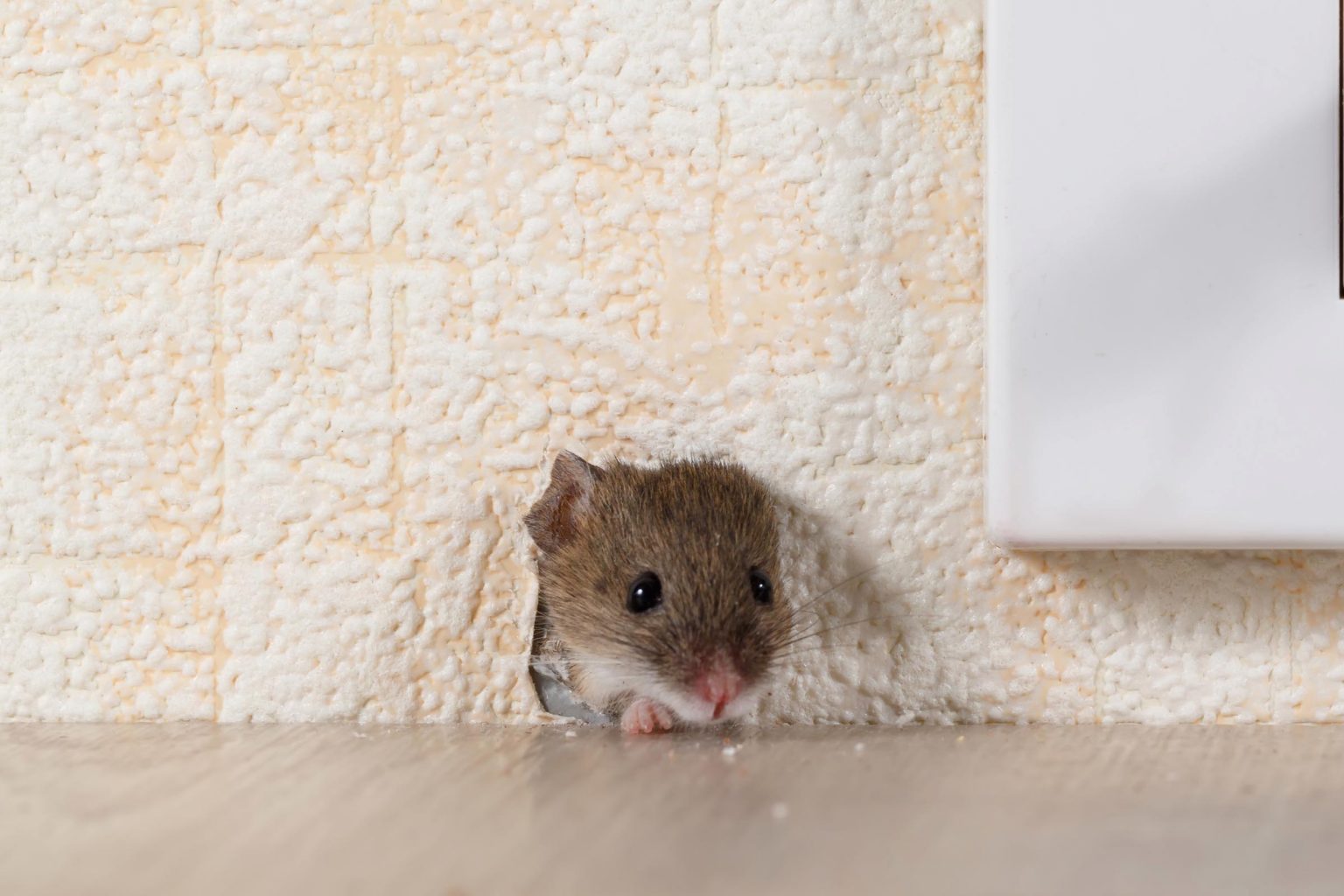
Briefly, and then no. Every scent on this page will put mice off for a few days, because the smell is strong and unfamiliar and mice are cautious about anything new in their territory. None of them hold. Mice get used to the odor, the scent itself weakens within a week or two in a cold garage, and no smell does anything about the quarter-inch gap the mouse used to get in.
If there is food and a warm cavity on the other side of that gap, the mouse comes back. That is the whole answer. The rest of this page is which scents last longest, which one to avoid entirely, and what to do instead.
None of them are a reason to skip sealing the gap.
The Most Common Tip
Do Dryer Sheets Repel Mice?
The idea is not silly. Mice navigate mostly by smell. They are also cautious about anything new in a space they have already mapped. Drop an open box of dryer sheets in a glove compartment or a pantry and for the first few days the mice there often do avoid it.
So people try it, check a week later, and find no fresh droppings. The tip gets passed to a neighbor in good faith. It spreads because the short-term effect is real, not because anyone is making it up.
The problem is that a few days is where the effect ends, and nobody is usually still watching by then.


Concentrated Oil
Peppermint Oil
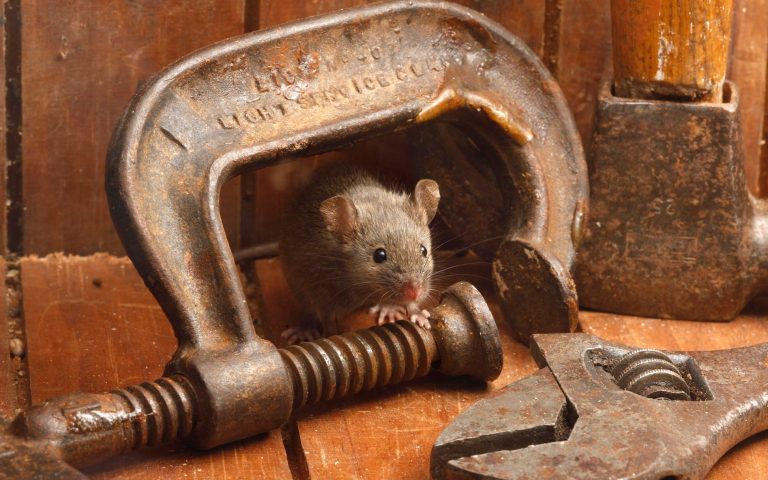
Peppermint oil behaves the same way as dryer sheets, for the same reasons.
It is strong, it fades, mice adjust.
Concentrated oil on cotton balls holds a little longer than a scented sheet, and still seals nothing. More on our page about natural mouse repellents.
The Mildest Option
Cayenne Pepper, Cinnamon and Cloves
The spice group is the mildest of the options and the safest to try. Cayenne sprinkled at outdoor entry points, cinnamon sticks in a drawer, clove oil on a cotton ball near stored food. Mice do avoid all three at first.
They are also the fastest to fade. Ground spice blows away or gets damp, and an open cinnamon stick is nearly odorless within two weeks. Clove oil holds longest of the three because it is concentrated, which is the pattern across this whole page: the stronger and oilier the source, the longer the few days of deterrence last.
None of them are a reason to skip sealing the gap.



A Pantry Staple
Vinegar
Vinegar is the third most-asked version of this question and the answer runs the same direction. We cover it separately in does vinegar repel mice.
Household Cleaners
Ammonia, Bleach and Laundry Detergent
These get recommended on the theory that ammonia smells like predator urine. Mice do avoid a freshly soaked rag. The effect runs the same course as everything else here, and the practical problems are worse.
Ammonia and bleach must never be mixed, and the fumes are an irritant in the enclosed spaces where people are told to use them. Spraying either one around a kitchen or a laundry room to move mice is a lot of exposure for a few days of effect. If you want to use them, use them as cleaners, on the grease and crumbs that brought the mice in. That part genuinely helps.

A Registered Pesticide
Mothballs: The One to Skip Outright
This is the only recommendation on this page we would ask you not to follow.
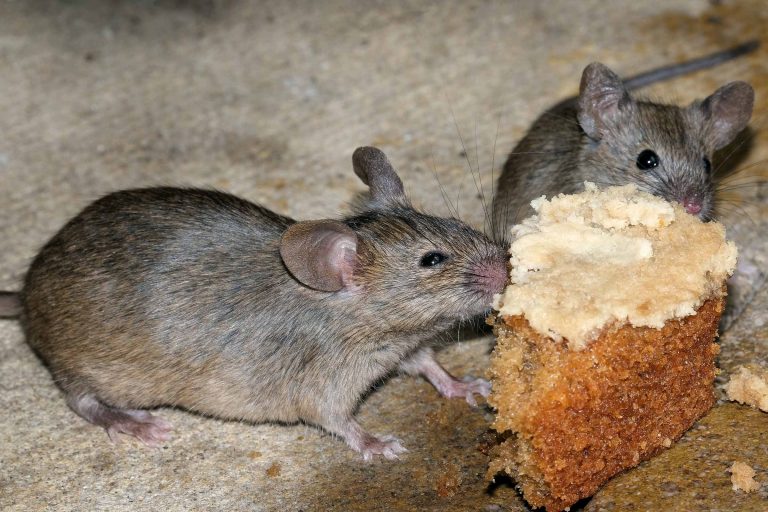
Mothballs are a registered pesticide. Naphthalene and paradichlorobenzene are the active ingredients, and the product label restricts their use to sealed containers holding clothing. Scattering them loose in an attic, a crawlspace, a basement or a parked car is a use the label does not allow, and the label is the law for a pesticide.
The exposure is real in exactly the places people put them. A closed attic, a crawlspace under a bedroom, a car interior. They also do not work well enough on mice to be worth arguing about.
Three Reasons
Why Every Scent Repellent Fades
Three things undo it.


Mice habituate. Caution around a new smell is temporary by design. Once nothing bad happens near the odor, it stops registering as a warning and becomes background.

The scent fades fast. A dryer sheet is built to release fragrance in a hot dryer over about forty minutes. Sitting in a 30-degree garage in Castle Rock, it goes flat in days. Repelling mice is not what the product is made to do, and it is not sold or tested for it.

And the math was never close. A smell a mouse dislikes is an inconvenience. A warm wall cavity in October, with birdseed or dog food twenty feet away, is survival. Along the Front Range the first hard freeze pushes house mice and deer mice toward heated structures, and a mouse choosing between a cold night outside and a scented cabinet takes the cabinet.
Plug-in ultrasonic repellers are not a scent, but mice get used to them the same way. We cover them separately in ultrasonic mouse repellents.
Real Outcomes
What Homeowners Actually Report
The most common outcome people describe is not that the mice left. It is that the mice moved into the dryer sheets.

A stack of sheets is soft, dry, easy to shred, and warm once packed into a corner. After a few weeks in a garage the fragrance is mostly gone. What is left is good nesting material in a quiet, undisturbed spot, roughly what a mouse is shopping for in October.

The Douglas County version involves something parked or closed up. Somebody leaves a truck at a Larkspur property for the winter, or shuts a cabin above Monument, or backs the RV alongside the house until spring, and puts dryer sheets on the seats and in the cupboards. Five months later there are droppings in the glove box, insulation pulled down, wiring gnawed, and a nest built partly out of the sheets.

A vehicle or a closed building sitting still for months is a warm, sheltered cavity, and mice have that whole time to get used to a smell. Deer mice are common at foothills and mountain elevations, worth knowing before you open a stored cabin and start sweeping. See about mice for how to tell the species apart.

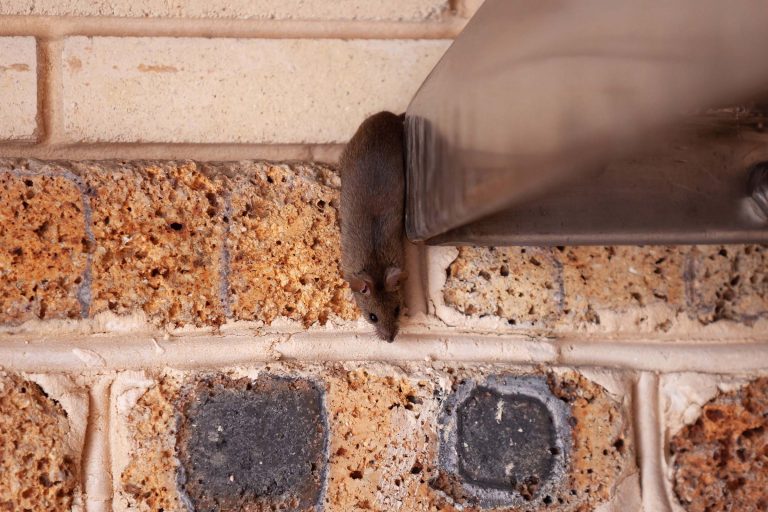
Exclusion That Holds
What Actually Keeps Mice Out
Exclusion. Physically closing the openings, with materials mice cannot chew through.
A house mouse gets through a gap about a quarter inch wide, a pencil's width. The usual ones in Front Range homes are garage door sweeps worn down by grit and temperature swing, foundation weep gaps, dryer and bath vents with failed dampers, unsealed utility penetrations, and the seam where a deck ledger meets siding. Copper mesh, hardware cloth, and sheet metal hold. Caulk and expanding foam alone do not.
That is a weekend of work for most homes. The full walkthrough: how to keep mice out of your house. If a few are already inside, catch a mouse without traps covers the humane options first.

Do Dryer Sheets Keep Mice Out of a Car?
Not for a winter. They may deter mice for the first several days, but the scent fades, mice habituate, and a stored vehicle is a warm sheltered space they have months to work on. Cars and RVs are where it fails most often, often with the sheets ending up as nesting material.
What Smells Do Mice Hate?
Mice avoid strong, unfamiliar odors at first: peppermint, ammonia, vinegar, fabric softener. None hold up. Scent deterrence is temporary because mice habituate and scent fades, and no smell competes with warmth and food on the other side of a wall.
Does Peppermint Oil Repel Mice?
Briefly, and only where the oil is fresh and concentrated. It is stronger than a dryer sheet and lasts a little longer, but it wears off and mice adjust. It also does nothing about entry points, which is what determines whether mice keep coming in.
What Is the Most Effective Mouse Deterrent?
Sealing the openings. Exclusion is the only approach that changes whether mice can get in at all, rather than how they feel once inside. Combined with cutting off food (pet food, birdseed, open pantry goods), it is what reduces mouse pressure over a season.
Get Started
Dealing With Mice Properly
If you tried the dryer sheets and you are still hearing something in the wall at night, the gap is still open. That is the part worth dealing with.
OMNIS is based in Castle Rock and works across Douglas County and the Front Range. We inspect for entry points, seal what mice are using, and set monitoring so you know whether activity actually stopped. That reduces mouse pressure on the house; it is not a promise it never happens again. To get it done before winter, call 720-583-4126, or read more about professional mouse control.

Local Help Before Winter
Questions? Talk to OMNIS Pest Control
We would rather answer a question now than fix a problem later.