
 Pantry Pests
 Pill Bugs
 Ants
Ants Spiders
 Bees
Bees Crickets
 Miller Moths
 Millipedes
 Wasps
Wasps Hornets
 Mice
Mice Voles
Voles Rats
Rats Bats
Bats Birds
Birds Gophers
 Mosquitos*
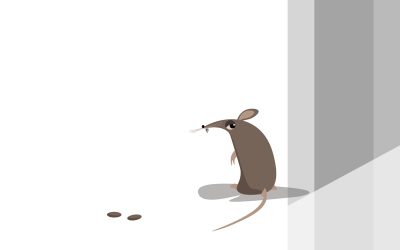 How to Identify Rodent Droppings
 Keep Pests Out of Your Kitchen
 Keep Ants Away
Bees Role in Our Ecosystem: Vital Pollinators and Ecosystem Engineers
That gentle buzzing sound in your garden isn’t just background noise—it’s a reminder of bees' role in our ecosystem. Often misunderstood as unwelcome guests, these incredible insects are essential workers, tirelessly supporting the ecosystems we rely on for survival.
Bees serve as nature's bridge between the plant kingdom and the rest of life on Earth. Through their daily pollination activities, they maintain the delicate balance that keeps our food systems thriving, our wild spaces diverse, and our environment healthy. Understanding their true value helps us see why protecting bees isn't just good environmental policy—it's essential for our future.
Let's explore the fascinating world of bees and discover why these small insects carry such enormous responsibility for the health of our planet.
The Unsung Heroes of Global Food Production
Walk through any grocery store and you'll find the fingerprints of bees everywhere. That morning coffee? Bees pollinated the coffee plants. Your favorite apple? Bees made it possible. The almonds in your trail mix? They wouldn't exist without bee pollination.
Research from the FDA reveals that bees contribute to the production of approximately one-third of everything we eat. This isn't just about a few specialty crops—bees are essential for producing:
- Tree fruits: Apples, cherries, peaches, and pears rely almost entirely on bee pollination
- Nuts: California's massive almond industry depends on billions of bees trucked in each spring
- Vegetables: Cucumbers, squash, and pumpkins need bees to reproduce
- Berries: Blueberries, strawberries, and cranberries flourish with bee assistance
- Seeds and oils: Sunflower and canola crops depend on bee pollination for seed production

The economic impact is staggering. Agricultural economists estimate that bee pollination adds over $15 billion annually to U.S. crop values alone. Without bees, many of these crops would produce little to no yield, forcing dramatic changes to our diets and agricultural systems.
Consider California's Central Valley, where over 80% of the world's almonds grow. Every February, commercial beekeepers transport more than 2 million bee colonies to pollinate these trees. Each colony contains up to 60,000 bees, creating a temporary workforce of over 100 billion pollinators working to ensure our food supply.
But bees do more than just pollinate—they improve crop quality. Studies show that bee-pollinated fruits are often larger, more uniform, and have better seed set compared to crops pollinated by other means. This enhanced quality translates to better nutrition for consumers and higher profits for farmers.
Guardians of Biodiversity and Ecosystem Stability
Beyond agriculture, bees serve as the backbone of natural ecosystems worldwide. Scientists classify many bee species as "keystone species"—organisms whose impact on their environment is disproportionately large compared to their abundance. Remove bees from an ecosystem, and the effects ripple outward like dropping a stone in still water.
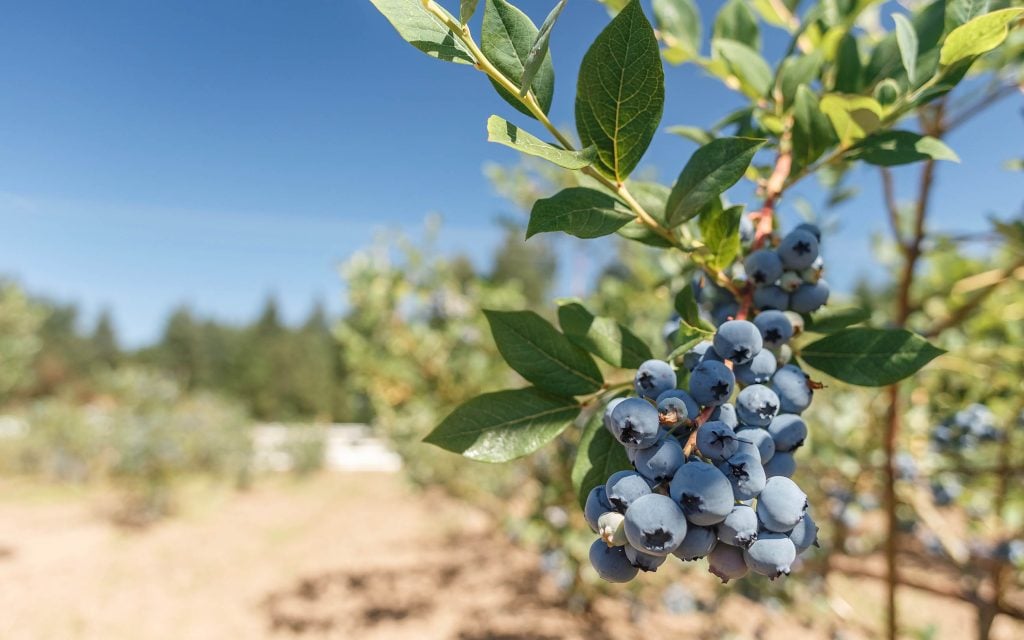
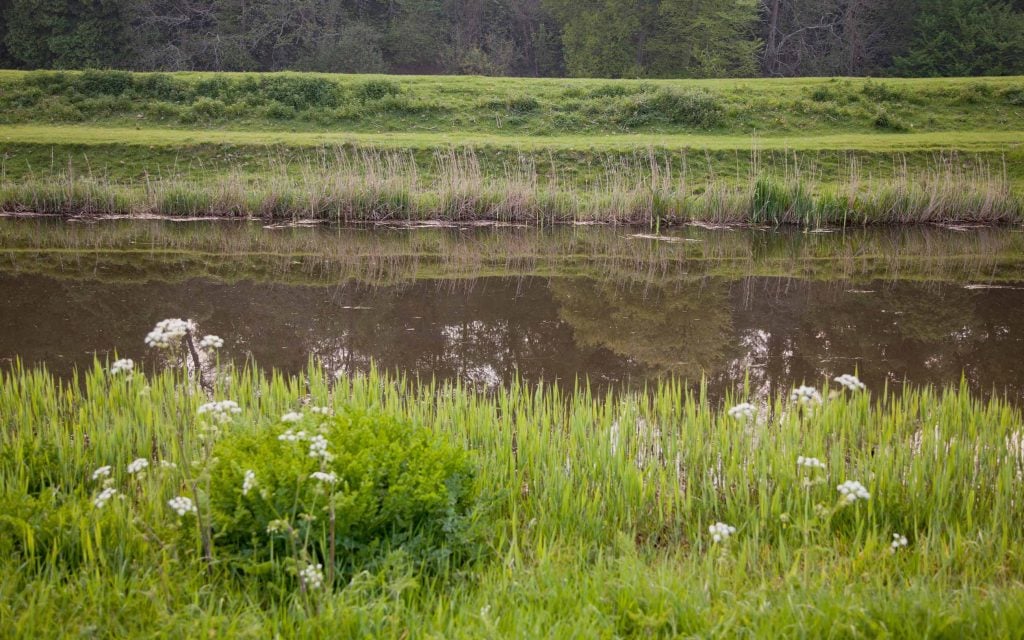
Native bees pollinate approximately 90% of wild flowering plants. This pollination maintains plant genetic diversity, ensures seed production, and supports the complex web of life that depends on these plants. When plant populations remain healthy and diverse, they provide:
- Food sources for herbivorous insects, birds, and mammals
- Nesting sites for various wildlife species
- Shelter and cover for ground-dwelling animals
- Soil stabilization through extensive root systems
The relationship between bees and plants evolved over millions of years, creating partnerships so specific that some plants can only be pollinated by particular bee species. Take the example of the southeastern blueberry bee, which has co-evolved with native blueberry plants. These bees "buzz pollinate," grabbing flowers and vibrating their flight muscles to shake loose pollen that other pollinators can't access.
The relationship between bees and plants evolved over millions of years, creating partnerships so specific that some plants can only be pollinated by particular bee species. Take the example of the southeastern blueberry bee, which has co-evolved with native blueberry plants. These bees "buzz pollinate," grabbing flowers and vibrating their flight muscles to shake loose pollen that other pollinators can't access.
When bee populations decline, the effects cascade through entire ecosystems. Reduced pollination means fewer seeds and fruits, which impacts the animals that depend on these resources. Bird populations may decline due to reduced food availability. Small mammals lose important food sources. Even soil health can suffer as diverse plant communities give way to simpler, less stable vegetation.
Separating Fact from Fear: Bees vs. True Pests
Despite their vital ecological role, bees often find themselves lumped together with aggressive wasps and hornets in the public mind. This misunderstanding leads to unnecessary fear and sometimes harmful responses to beneficial bee populations.
True pest insects like yellow jackets, hornets, and aggressive wasp species differ significantly from bees in behavior and ecological impact. While wasps and hornets are predators that can be aggressive near their nests, bees are generally docile creatures focused on collecting nectar and pollen. Bees sting only when directly threatened or when defending their colony.
Most bee species are actually solitary, nesting alone rather than in large colonies. These solitary bees, including mason bees and leafcutter bees, are excellent pollinators and pose virtually no threat to humans. Even social bees like honeybees are remarkably tolerant of human presence when foraging on flowers.
The key to coexisting with bees lies in understanding their behavior and needs. Bees become defensive primarily when their nest is disturbed or when they perceive direct threats. By maintaining respectful distances from active hives and avoiding sudden movements around foraging bees, humans can safely share space with these beneficial insects.
Ethical Pest Management: Protecting Our Pollinator Partners
When bees do nest in inconvenient locations, ethical pest management focuses on solutions that preserve both human safety and bee populations. Live bee relocation has emerged as the preferred approach for handling bee conflicts.
Professional beekeepers and wildlife specialists can safely remove bee colonies from problematic locations and relocate them to suitable habitats where they can continue their important ecological work. This approach requires specialized knowledge and equipment, making professional consultation essential for safe and effective bee relocation.
Integrated Pest Management (IPM) represents another crucial tool for protecting bees while managing genuine pest issues. IPM emphasizes:
- Prevention through habitat modification and exclusion techniques
- Monitoring to identify problems before they become severe
- Targeted treatments that minimize impact on beneficial species
- Timing applications to avoid periods when bees are most active
When pest control treatments are necessary, IPM practitioners select products and application methods that pose minimal risk to bees and other beneficial insects. This might mean applying treatments in the evening when bees are less active, using targeted applications rather than broad-spectrum sprays, or selecting products with shorter residual effects.
Creating Bee-Friendly Spaces
Supporting bee populations doesn't require vast acreage or specialized knowledge—small actions in backyards, gardens, and communities can make meaningful differences for local bee populations.
Plant Diverse Native Flowers
Native plants evolved alongside local bee species, making them ideal food sources. Plant flowers that bloom at different times throughout the growing season to provide consistent nectar and pollen availability. Some excellent bee-friendly native plants include:
Spring bloomers: Wild lupine, serviceberry, and redbud trees
Summer flowers: Black-eyed Susan, purple coneflower, and native milkweeds
Fall sources: Asters, goldenrod, and Joe Pye weed
Provide Clean Water Sources
Bees need water for drinking and regulating hive temperature. Shallow water sources with landing spots work best. Consider adding a shallow dish with pebbles or sticks for bees to perch on while drinking.
Create Nesting Opportunities
While honeybees live in managed hives, many native bees nest in different ways:
- Ground-nesting bees need bare soil patches for tunneling
- Cavity-nesting bees use hollow stems, beetle holes in wood, or artificial bee houses
- Leaf-cutter bees benefit from access to plants with suitable leaves for nest construction
Avoid Harmful Chemicals
Pesticides, herbicides, and fungicides can harm bees directly or contaminate the flowers they visit. Choose organic gardening methods and avoid spraying during bloom periods when bees are most likely to encounter treatments.
Taking Action: Supporting Bees Beyond Your Backyard
Individual actions multiply when communities work together to support bee populations. Here are ways to extend your impact:
Support Ethical Beekeepers
Purchase honey and beeswax products from local beekeepers who practice sustainable hive management. Ask about their methods and whether they avoid harmful treatments that might impact bee health.
Advocate for Pollinator-Friendly Policies
Support local initiatives that protect pollinator habitat, limit pesticide use in public spaces, and require pollinator-friendly landscaping in new developments. Many cities now designate "pollinator pathways" that connect habitat patches across urban areas.
Choose Organic When Possible
Organic farming practices generally use fewer bee-harmful pesticides and often incorporate pollinator-friendly habitat into farm management plans. Supporting organic agriculture helps create safer environments for bees and other beneficial insects.

Spread Awareness
Share information about bee importance with friends, family, and community groups. Correct misconceptions about bee behavior and help others understand the difference between beneficial bees and problematic wasps.
Building a Future Where Bees and Humans Thrive Together
The relationship between humans and bees represents one of nature's most successful partnerships. For thousands of years, bees have supported human agriculture and maintained the natural systems we depend on. Now, as bee populations face challenges from habitat loss, pesticide exposure, and climate change, humans have an opportunity to return the favor.
Creating a bee-friendly future requires balancing human needs with bee conservation. This means developing urban spaces that include pollinator habitat, practicing agriculture that supports beneficial insects, and managing pest issues in ways that protect valuable species like bees.
The effort is worth it. Healthy bee populations mean stable food systems, diverse natural environments, and resilient ecosystems capable of adapting to environmental challenges. By understanding and supporting these remarkable insects, we invest in a more sustainable future for all life on Earth.
Every bee-friendly garden, every ethical pest management decision, and every voice raised in support of pollinator conservation contributes to this vital mission. The next time you hear that familiar buzzing, remember that you're listening to the sound of life itself—the quiet workers who make our abundant world possible.