
 Pantry Pests
 Pill Bugs
 Ants
Ants Spiders
 Bees
Bees Crickets
 Miller Moths
 Millipedes
 Wasps
Wasps Hornets
 Mice
Mice Voles
Voles Rats
Rats Bats
Bats Birds
Birds Gophers
 Mosquitos*
 How to Identify Rodent Droppings
 Keep Pests Out of Your Kitchen
 Keep Ants Away
5 Lesser-Known Colorado Pests
Colorado homeowners know about ants, spiders, and mice. But what about the lesser-known pests that can cause just as much trouble? From tiny red mites that stain your walls to soft-bodied creatures munching your garden roots, these overlooked invaders often leave property owners scratching their heads.
At OMNIS Pest Control, we've seen it all. After years of serving Castle Rock and surrounding communities, we've encountered pests that most people don't even know exist in Colorado. Understanding these hidden threats can save you time, money, and frustration when they show up uninvited.

Pill Bugs: The Moisture-Loving Invaders
Despite their name, pill bugs aren't actually bugs—they're crustaceans, more closely related to shrimp than insects. Often called roly-polies for their ability to roll into a ball, these lesser-known Colorado pests thrive in moist environments and feed on decaying organic matter. While harmless outdoors, pill bugs can become a nuisance when they invade basements, crawl spaces, or bathrooms. Their presence indoors may also signal moisture problems that could lead to issues like mold or wood rot.
How to Handle Pill Bugs:
- Reduce moisture around your foundation by improving drainage and ventilation
- Seal cracks and gaps where pill bugs enter
- Remove leaf litter, mulch, and organic debris from around your home's perimeter
- Use a dehumidifier in damp areas like basements
Professional treatment focuses on exclusion and habitat modification rather than chemical control, since pill bugs serve beneficial roles in outdoor ecosystems.
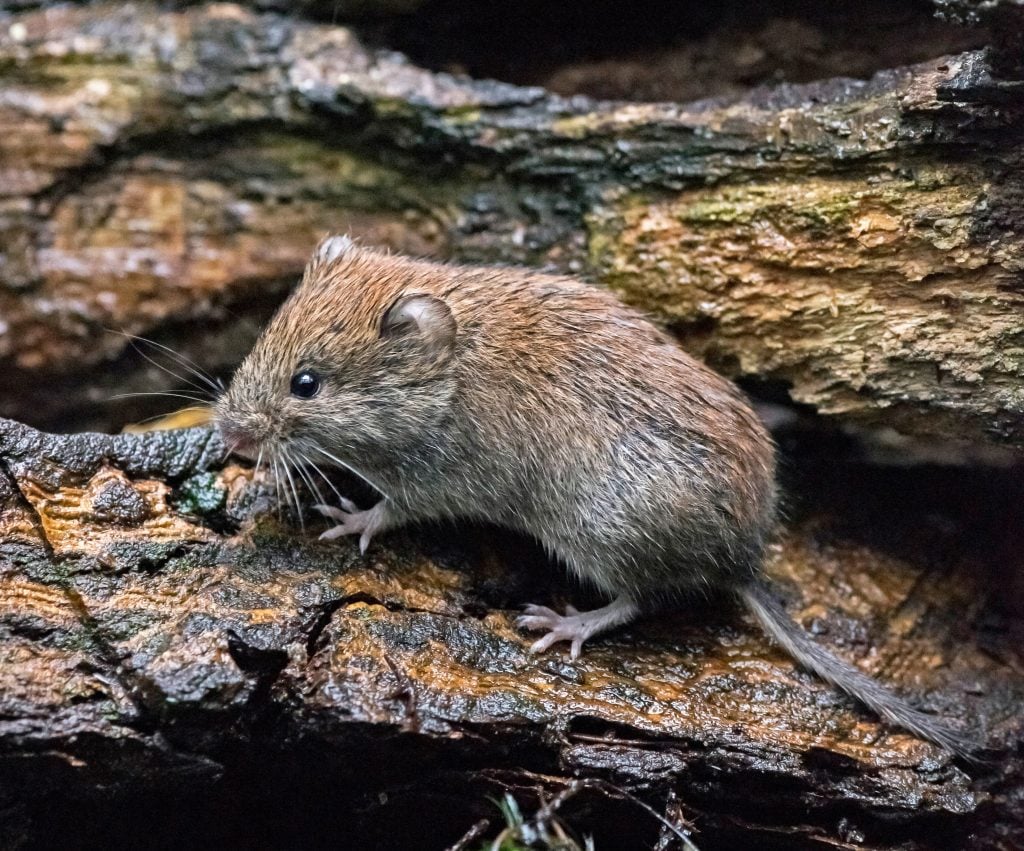
Voles: The Underground Garden Destroyers
Voles look like mice but cause completely different damage. These small rodents create extensive tunnel systems just below the soil surface, feeding on plant roots, bulbs, and bark. Colorado's diverse plant life and varying elevation make ideal vole habitat.
Unlike moles that eat insects, voles are herbivores that can destroy entire garden beds and damage tree roots. Their runways appear as shallow trenches in grass and mulched areas. During winter, they continue feeding under snow cover, often girdling trees and shrubs at the base.
Signs of Vole Activity:
- Surface runways through grass and garden beds
- Small holes about 1.5 inches in diameter
- Gnawed bark at the base of trees and shrubs
- Wilting plants with damaged root systems
Vole Control Strategies:
- Remove tall grass and weedy areas where voles hide
- Install hardware cloth around valuable trees and plants
- Maintain a vegetation-free zone around your home's foundation
- Use appropriate baiting systems in heavily infested areas
Professional vole control requires understanding their behavior patterns and implementing targeted management strategies specific to your property's landscape.

Clover Mites: The Tiny Red Nuisance
Clover mites are microscopic arachnids that become big problems when they invade homes in large numbers. These tiny red creatures, smaller than a pinhead, feed on grass and clover but seek shelter indoors when temperatures drop or conditions become unfavorable.
Colorado's temperature fluctuations make clover mite invasions common, especially during spring and fall. When crushed, they leave red stains on walls, furniture, and clothing. Though harmless to humans and pets, their sheer numbers and staining ability make them unwelcome guests.
Identifying Clover Mites:
- Extremely small, reddish-brown color
- Found on sunny sides of buildings
- Most active during warm, sunny days
- Leave red streaks when crushed
Prevention and Treatment:
- Create a vegetation-free strip around your home's foundation
- Seal cracks around windows, doors, and foundation
- Remove grass and weeds touching exterior walls
- Professional treatment may include targeted applications and exclusion techniques
The key to clover mite control lies in habitat modification and preventing their entry rather than relying solely on chemical treatments.

Miller Moths: Colorado's Seasonal Invaders
Miller moths aren't technically a species but rather the adult form of army cutworm moths. These gray-brown moths migrate through Colorado each spring and fall, often appearing in massive numbers that can overwhelm homeowners.
During migration periods, miller moths seek shelter in homes, garages, and vehicles. They're attracted to lights and can gather in large numbers around exterior fixtures. While they don't cause structural damage, their presence in homes can be disturbing, and they may damage clothing and stored goods.
Miller Moth Management:
- Replace white outdoor lights with yellow or sodium vapor bulbs
- Keep doors and windows closed during peak migration periods
- Seal gaps around lights, vents, and entry points
- Use physical removal rather than insecticides when possible
- Miller moth "seasons" are temporary but can last several weeks.
Professional guidance helps property owners prepare for and manage these predictable invasions without unnecessary chemical treatments.
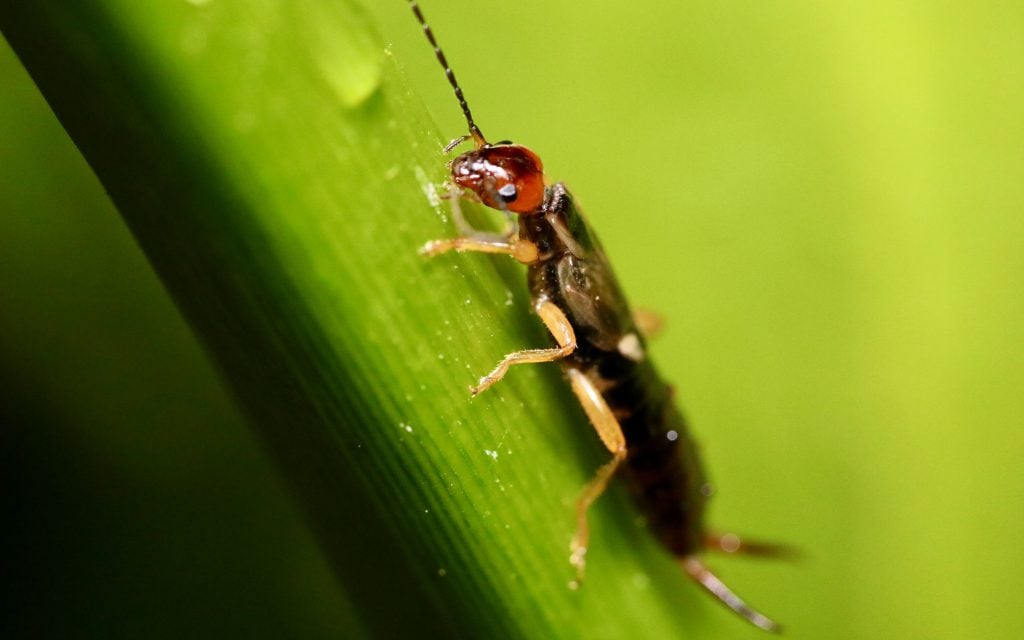
Earwigs: The Misunderstood Garden Pest
Earwigs get their name from the old wives' tale that they crawl into people's ears—which isn't true. These brown insects with prominent pincers (called cerci) are actually beneficial in many situations, feeding on aphids and other garden pests.
However, earwigs become problematic when populations grow large or when they move indoors seeking moisture. They can damage seedlings, flowers, and soft plant tissues. In homes, they're typically found in bathrooms, laundry rooms, and other humid areas.
Managing Earwig Problems:
- Reduce moisture and humidity around your home
- Remove hiding places like boards, stones, and organic debris
- Seal cracks and entry points, especially around foundations
Consider beneficial aspects before implementing control measures
Professional earwig management balances control needs with their beneficial role in garden ecosystems.
When to Call OMNIS Pest Control
These lesser-known pests in Colorado can be tricky to identify and manage without professional expertise. Each species requires specific approaches based on their biology, behavior, and the unique conditions of your property.
At OMNIS Pest Control, we understand Colorado's pest landscape because we live here too. Our team combines proven pest management techniques with environmentally responsible practices to address these hidden invaders effectively.
We serve Castle Rock, Parker, Colorado Springs, Monument, Castle Pines, Lone Tree, Larkspur, and Highlands Ranch with customized solutions for your specific pest challenges. Our integrated pest management approach focuses on long-term prevention rather than quick fixes.
Don't let lesser-known pests catch you off guard. Contact OMNIS Pest Control today for a comprehensive property assessm