 Pantry Pests
 Pill Bugs
 Ants
Ants Spiders
 Bees
Bees Crickets
 Miller Moths
 Millipedes
 Wasps
Wasps Hornets
 Mice
Mice Voles
Voles Rats
Rats Bats
Bats Birds
Birds Gophers
 Mosquitos*
 How to Identify Rodent Droppings
 Keep Pests Out of Your Kitchen
 Keep Ants Away
How to Check Your Garden for Pests
After helping hundreds of Colorado homeowners protect their gardens over the past 13 years, I've learned that the difference between a minor pest issue and a garden-destroying infestation usually comes down to one thing: catching the problem early.
Most people wait until they see obvious damage—entire leaves stripped bare, plants wilting despite regular watering, or visible trails of insects marching across their tomatoes. By then, you're not dealing with a handful of aphids or a few beetle larvae. You're dealing with established colonies, multiple generations, and serious plant stress.
The good news? Garden pest activity follows predictable patterns, and once you know what to look for and when to look for it, you can stop most infestations before they start.
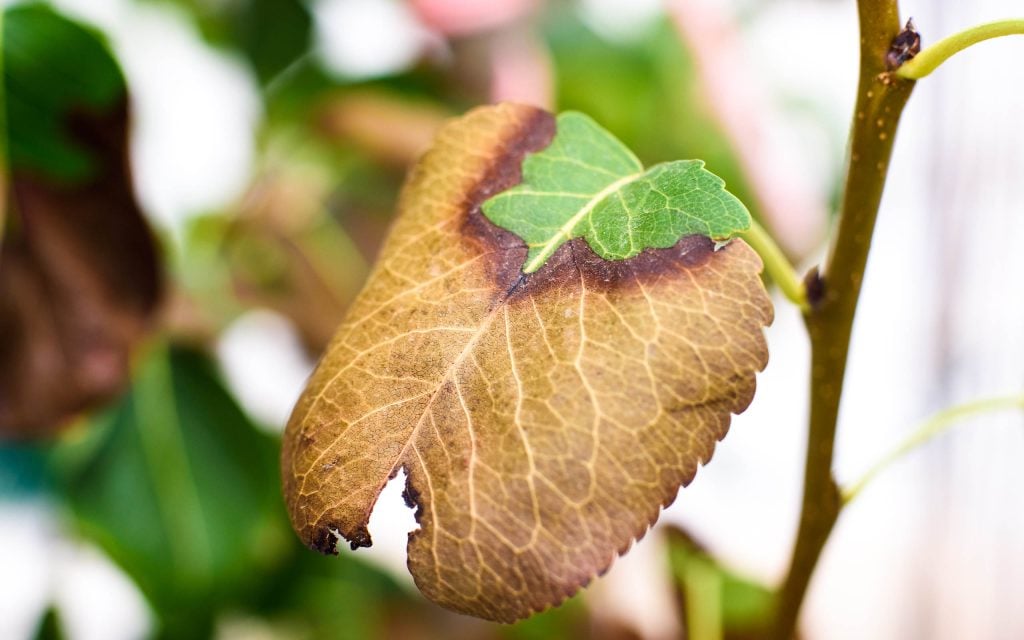

When to Check for Garden Pest Activity
Timing matters more than most gardeners realize. I've watched homeowners inspect their gardens at noon under full sun, see nothing unusual, then call us a week later surprised by a sudden "explosion" of pests that were actually there all along.
Pest activity peaks during cooler parts of the day when insects are most active and visible. Check your garden during early morning (6-9 AM) or late afternoon (5-7 PM). Many pests—particularly aphids, spider mites, and caterpillars—hide during peak heat and come out to feed when temperatures moderate.
In Colorado's climate, I recommend checking at least twice weekly during growing season (May through September), with more frequent inspections after periods of warm, humid weather when pest reproduction accelerates.
Step-by-Step Garden Inspection Process
Here's the systematic approach I use when inspecting gardens for pest activity. This process takes about 15 minutes for an average backyard garden and catches most problems before they become serious.

1. Start With New Growth
New leaves, shoots, and buds are pest magnets. The tissue is tender, nutrient-rich, and easier to penetrate than mature growth. I always examine growing tips first because that's where you'll spot early colonization.
Look for curling, discoloration, or sticky residue (honeydew from aphids). If you see ants farming up and down stems, they're likely protecting aphid colonies above.

2. Flip Every Leaf
This is the single most important inspection step, yet most people skip it. Pests hide on leaf undersides where they're protected from sun, predators, and rain.
Gently lift leaves and examine the underside for clusters of small insects, tiny eggs (often yellow or white), or fine webbing. Aphids, whiteflies, and spider mites all congregate here. One aphid cluster can contain 50-100 individuals, and they reproduce fast.

3. Check for Feeding Damage Patterns
Different pests leave distinctive damage signatures. Holes with smooth, round edges usually mean beetles. Ragged, torn edges suggest caterpillars or grasshoppers. Skeletonized leaves (only veins remaining) point to Japanese beetles.
Stippling—tiny yellow or white dots—indicates piercing-sucking insects like thrips or mites. If leaves look speckled and bronzed, you likely have spider mites even if you can't see them yet.

4. Examine the Soil Surface
Pull back mulch and check the top inch of soil around plant bases. Look for tunneling, small mounds, or disturbed areas that suggest underground activity.
I find cutworm damage most often here—young plants cut off at soil level overnight. You'll also spot slug and snail trails (silvery mucus tracks) and sometimes the pests themselves hiding under debris during daylight hours.

5. Look for Webbing
Fine webbing between leaves, on branch joints, or covering growing tips indicates spider mites or certain caterpillars. Spider mite webbing looks delicate and silvery, especially visible with morning dew.
Tent caterpillars create more obvious silk nests in branch crotches. Either way, webbing means an established population that needs immediate attention.

6. Check Around Garden Edges
Pest activity often starts at garden perimeters where insects move in from surrounding areas. Pay special attention to plants nearest structures, fences, or wild vegetation.
I've found that pests colonize edge plants first, then work inward. Catching them at the edges gives you a buffer before they reach your prize tomatoes or peppers in the center beds.

7. Use Sticky Traps
Consider using sticky traps around your garden to help monitor for flying and crawling insects. These traps can give you an indication of the types of pests present and their population levels.
Place them at various heights and locations to get a comprehensive overview of pest activity. Change the traps regularly to maintain their effectiveness.

8. Analyze Overall Plant Health
Healthy plants are better able to resist and recover from pest attacks. Ensure your plants are well-watered, fertilized, and pruned to reduce stress and vulnerability to pests.
Stressed plants emit chemical signals that actually attract pests, so maintaining plant vigor is your first line of defense against infestations.
Signs of Pest Activity to Watch For
Beyond the physical presence of pests themselves, certain signs reliably indicate pest activity even when you can't immediately spot the insects.
Honeydew and Sooty Mold
Sticky, shiny residue on leaves means sap-sucking insects (aphids, whiteflies, scale) are feeding above. The honeydew they excrete often develops black sooty mold, making leaves look dirty. If you see ants on plants, they're usually farming these sap-feeders for the honeydew.
Wilting Despite Adequate Water
Plants that wilt even when soil is moist may have root-feeding pests or stem borers interrupting water transport. Cucumber beetles and squash vine borers are common culprits in Colorado gardens. Check for entry holes at stem bases and look for frass (insect sawdust) nearby.
Frass and Droppings
Small, dark droppings on leaves or soil indicate caterpillars, beetles, or other chewing insects feeding above. Fresh frass looks moist and appears daily when pests are actively feeding. The size and color of droppings can even help identify which pest you're dealing with.
Egg Masses
Finding eggs means you've caught the problem before the next generation hatches. Squash bug eggs appear bronze and clustered on leaf undersides. Cabbage worm eggs are tiny, yellow, and laid singly. Removing egg masses prevents hundreds of larvae from emerging.
Disturbed Soil and Tunnels
Rodents like voles, moles, and pocket gophers create visible soil disturbances. Vole runways appear as surface trails through grass. Mole tunnels raise ridges across lawns. Gopher mounds are crescent-shaped with the tunnel entrance on one side.
Increased Bird or Beneficial Insect Activity
Sometimes beneficial insects signal pest problems before you spot them yourself. Ladybugs congregate where aphids feed. Wasps hunting caterpillars may lead you to hornworms you missed. Even increased bird activity around specific plants can indicate insect abundance.
Most Common Colorado Garden Pests
While Colorado gardens face dozens of potential pests, these are the species I encounter most frequently in Castle Rock and surrounding areas. Knowing what you're dealing with helps you choose the most effective control method.

Aphids in your Garden
Small, often green insects that tend to cluster on new growth. They suck sap from plants, weakening them and causing distorted growth. Aphids can reproduce rapidly, especially in warm conditions, leading to large infestations that can severely damage plants if left unchecked. I've seen aphid populations explode from a few individuals to thousands in under two weeks during June and July.
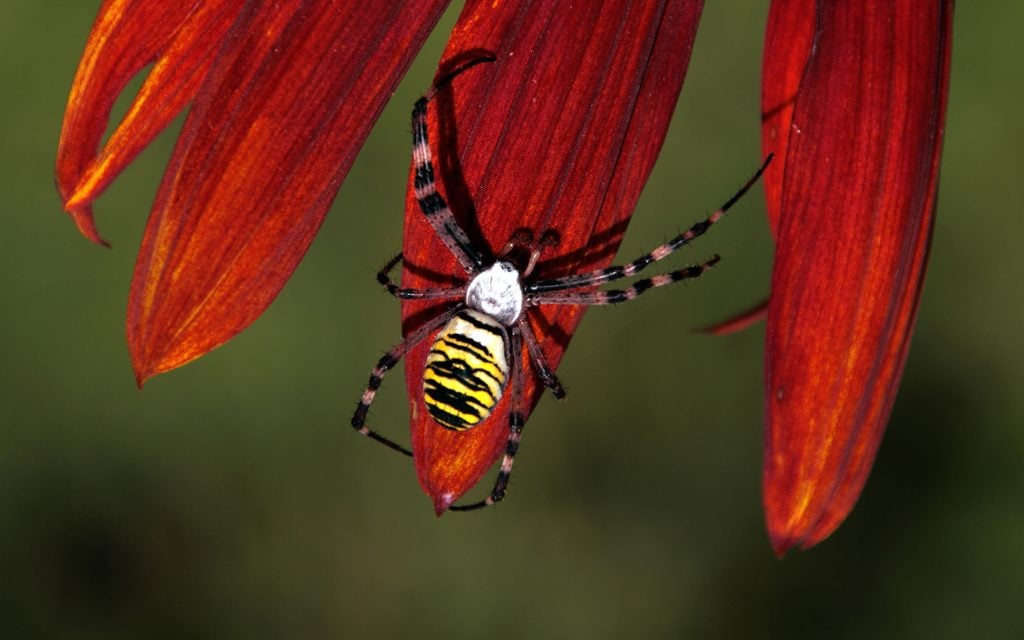
Spiders in Your Garden
While beneficial for controlling other pests, the presence of webs can indicate other pest activity in the garden. Spiders help keep the ecosystem balanced by preying on insects, but their webs might signal an abundance of insects, which could be a sign of underlying pest issues.

Ants in your Garden
Often a sign of aphids or other sap-feeding pests, as they farm these insects for their honeydew. Ants protect these pests from natural predators, exacerbating the infestation. By transporting aphids to new plants, ants help these pests spread, making it more difficult to control the population and maintain healthy vegetation.
Additional Common Garden Pests
Spider Mites
Microscopic pests barely visible without magnification. You'll notice their damage before seeing them—stippled, bronzed leaves that eventually turn brown and drop. Fine webbing appears in heavy infestations.
Spider mites thrive in hot, dry conditions common in Colorado summers. They multiply rapidly, with new generations every 5-7 days in warm weather. A severe infestation can defoliate plants in weeks.
Hold a white paper under affected leaves and tap the branch. If tiny moving specks appear on the paper, you have mites.
Whiteflies
Tiny white insects that look like miniature moths. They fly up in clouds when you disturb infested plants. Like aphids, whiteflies suck sap and excrete honeydew, weakening plants and promoting mold growth.
Check leaf undersides for oval, scale-like nymphs and white, waxy pupae. Whiteflies are particularly problematic on tomatoes, peppers, and ornamental plants in Colorado gardens.
Japanese Beetles
Metallic green and copper beetles about 1/2 inch long. They feed on over 300 plant species, skeletonizing leaves by eating tissue between veins. Japanese beetles often feed in groups, and their activity attracts more beetles through aggregation pheromones.
Peak activity occurs June through August. I've watched them completely defoliate rose bushes in a weekend if not controlled. They're particularly attracted to ripening fruit.
Tomato Hornworms
Large green caterpillars with white V-shaped markings and a horn-like projection on their rear. They can reach 4 inches long and eat enormous amounts of foliage—I've seen one hornworm strip an entire tomato plant overnight.
Look for dark droppings on leaves below feeding sites. Hornworms blend perfectly with foliage, so search carefully. Their large size makes hand-picking effective if you catch them early.
Slugs and Snails
Soft-bodied mollusks that hide during day and feed at night. They leave ragged holes in leaves and silvery mucus trails on plants and soil. Seedlings and tender vegetables are particularly vulnerable.
In Colorado's drier climate, slugs and snails concentrate in irrigated gardens and moist, shaded areas. Check under boards, pots, and mulch during daylight hours to find their hiding spots.
Cabbage Worms
Velvety green caterpillars that feed on brassicas—cabbage, broccoli, kale, Brussels sprouts. They blend with plant color and often go unnoticed until you spot holes in leaves or find them inside developing heads.
Their droppings match plant color, making detection harder. Look for tiny yellow eggs laid singly on leaf undersides—much easier to remove than hunting for camouflaged caterpillars.
Squash Bugs
Dark brown, shield-shaped bugs that attack squash, pumpkins, cucumbers, and melons. Adults overwinter in garden debris and emerge in spring to lay distinctive bronze egg clusters on leaf undersides.
Both adults and nymphs suck plant sap, causing leaves to wilt and blacken. Heavy infestations can kill entire plants. Squash bugs are difficult to control once established, so catching eggs early is critical.
Taking Action
- Manual Removal: Handpick larger pests or use water jets to dislodge smaller ones. This method is environmentally friendly and can be very effective for small infestations.
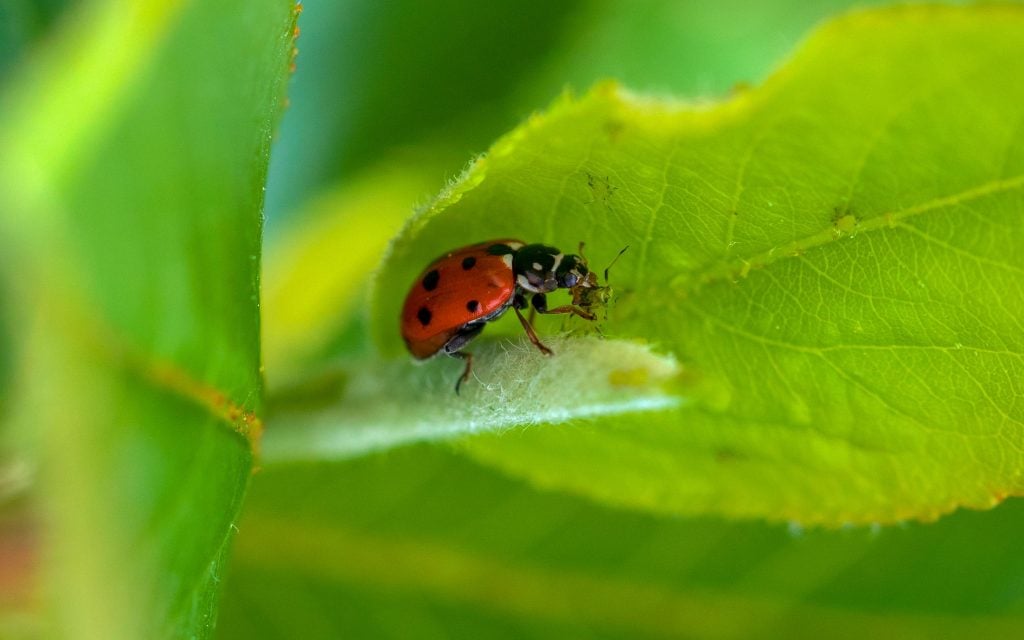
- Natural Predators: Introduce natural predators like ladybugs to control aphid populations. Beneficial insects such as parasitic wasps or predatory beetles can also help keep pest numbers in check.
- Organic Pesticides: Use organic or natural insecticides to treat affected plants without harming the ecosystem. Neem oil, insecticidal soap, and diatomaceous earth are some options that can be effective against a variety of pests.
Regular and thorough inspections will help keep your garden healthy and beautiful, providing a bountiful harvest or vibrant blooms free of pest damage. Happy gardening! Remember, the more you learn about the needs of your plants and the habits of your garden's ecosystem, the better equipped you'll be to maintain a thriving, pest-free environment.
If your garden isn't thriving and you suspect pests, feel free to reach out for a hand with your outdoor pest control.
For pest control in your garden or in your home, reach out to OMNIS Pest Control today!
What to Do When You Find Pest Activity
Finding pests doesn't automatically mean you need to spray something. The appropriate response depends on pest type, population level, and plant health.
Low-Level Infestations
A few aphids, a single caterpillar, or minor leaf damage usually don't require intervention. Gardens naturally have some pest presence, and beneficial insects need pest populations to survive. Monitor the situation and let natural predators work.
Building Populations
When pest numbers increase noticeably from one inspection to the next, it's time to act. For soft-bodied insects like aphids and whiteflies, a strong spray of water from the hose can knock populations back significantly. Repeat every few days.
Hand-pick larger pests like hornworms, beetles, and caterpillars. Drop them in soapy water. Remove egg masses before they hatch.
Established Infestations
Heavy infestations with visible plant stress require more aggressive intervention. This might mean insecticidal soap, horticultural oil, or targeted pesticides appropriate for the specific pest and plant.
That's where professional help often makes sense. We can identify the exact pest species, choose the most effective and least disruptive treatment, and apply it at the right time in the pest's life cycle for maximum impact.
When Garden Pests Become House Pests
Many gardeners don't know that pests in your garden can get into your house. Your garden has pests, and they can come inside.
Gardens have food and water for pests, so pests like your garden. When there are too many pests, they will look for new places to live, like your house. If your house has openings, the pests will come in.
Plants and mulch near your house can help pests get inside. A wet garden also attracts pests.
We can help stop pests in your garden from coming into your house. If you have pests inside or in your garden, we can help. We stop the pests where they start, which is often in the garden.
How OMNIS Pest Control Can Help with Extreme Infestations
DIY pest control works for small problems, but big infestations need professional help. That’s where OMNIS Pest Control comes in. We solve tough pest issues with safe, effective, and eco-friendly solutions.
Our team starts by identifying the pests and assessing the problem. Then, we create a custom plan to remove them. We use targeted treatments that protect beneficial insects and the environment, including eco-friendly repellents and humane animal removal.
For rodents, we seal entry points, set traps, and create prevention plans to stop them from coming back. We also provide ongoing monitoring to keep your home pest-free all year.
Based in Castle Rock, OMNIS Pest Control understands Colorado’s pest challenges, like voles in gardens or spiders indoors. Let us handle your pest problems so you can enjoy your home and garden again.
Call OMNIS Pest Control for Expert Help
Your garden deserves to stay healthy, vibrant, and pest-free. By learning how to check for pests and taking swift action, you can protect your outdoor space and even prevent pests from entering your home.
If pests persist or you’re unsure how to handle them, OMNIS Pest Control is here to help. With years of experience and a commitment to your satisfaction, we offer proven, eco-friendly solutions for even the toughest pest problems.
Contact us today to schedule your free consultation and reclaim your garden!
Preventing Future Garden Pest Problems
After 13 years of treating garden pest infestations, I can tell you that prevention beats reactive treatment every time—both in effectiveness and cost.
Plant Health is Pest Resistance
Stressed plants emit chemical signals that actually attract pests. Healthy, vigorous plants resist pest damage better and recover faster when attacked. Proper watering, appropriate fertilization, and correct sun exposure aren't just good gardening—they're your first line of pest defense.
Crop Rotation and Diversity
Planting the same vegetables in the same location year after year allows soil-dwelling pests to build up. Rotating plant families disrupts pest cycles. Diversity also helps—monocultures make it easy for specialized pests to find and devastate their preferred host plants.
Remove Garden Debris
Many garden pests overwinter in plant debris, fallen fruit, and dead vegetation. Clean up thoroughly in fall and remove spent plants during the growing season. This eliminates pest harborage and breaks reproduction cycles.
Encourage Beneficial Insects
Ladybugs, lacewings, parasitic wasps, and predatory beetles control pest populations naturally. Plant flowers that provide nectar and pollen—dill, fennel, yarrow, and sweet alyssum all attract beneficial insects. Avoid broad-spectrum pesticides that kill beneficials along with pests.
Physical Barriers
Row covers over vegetable beds exclude flying insects. Copper tape around raised beds deters slugs and snails. Collars around transplants prevent cutworm damage. Sometimes the simplest mechanical barriers work better than any chemical treatment.
Regular Monitoring
This brings us full circle. The single most effective prevention strategy is the systematic inspection process we covered earlier. Fifteen minutes twice a week during growing season catches problems at the stage when they're easiest and least expensive to control.
Most garden pest disasters I'm called to treat could have been prevented with earlier detection. You don't need professional help to monitor your own garden—you just need to know what to look for and when to look for it.