
 Pantry Pests
 Pill Bugs
 Ants
Ants Spiders
 Bees
Bees Crickets
 Miller Moths
 Millipedes
 Wasps
Wasps Hornets
 Mice
Mice Voles
Voles Rats
Rats Bats
Bats Birds
Birds Gophers
 Mosquitos*
 How to Identify Rodent Droppings
 Keep Pests Out of Your Kitchen
 Keep Ants Away
Landscaping Do's and Don'ts for a Pest-Free Yard
By following some strategic landscaping practices, you can significantly reduce the presence of pests and enjoy your garden in peace. Let's explore essential do's and don'ts that every gardening enthusiast and homeowner should know to keep their yard pest-free and thriving.
DO Choose Native Plants
Native plants are a gardener's best friend when it comes to maintaining a pest-free yard. These plants have evolved to thrive in your local climate and soil conditions, making them more resistant to local pests.
By filling your garden with native species, you reduce the need for pesticides and create a welcoming habitat for beneficial insects like ladybugs and bees that naturally control pest populations.
For instance, a study by the University of Delaware found that native oak trees support more than 500 species of caterpillars, providing food for birds and other wildlife, which helps balance the ecosystem.
DO Create Natural Barriers
Natural barriers can be an effective way to deter pests from entering your yard. Use hedges, dense shrubbery, or fencing to block the path of common pests and provide a physical barrier that protects your garden.
You can also plant pest-repelling herbs like lavender, rosemary, and mint along the perimeter. These aromatic plants are known for their ability to repel pests while adding beauty and fragrance to your yard.
Consider placing mulch around your plants as well, as it not only conserves moisture but also creates a barrier against crawling insects like slugs and snails.
DO Practice Regular Landscaping Maintenance
Regular landscaping maintenance is key to preventing pest problems before they start. Prune dead or decaying plant material, clear away fallen leaves, and regularly inspect your plants for signs of pests or disease.
Keeping your garden tidy helps eliminate potential breeding grounds for pests and diseases.
Additionally, rotating crops annually in vegetable gardens can prevent pests from establishing themselves in one area.
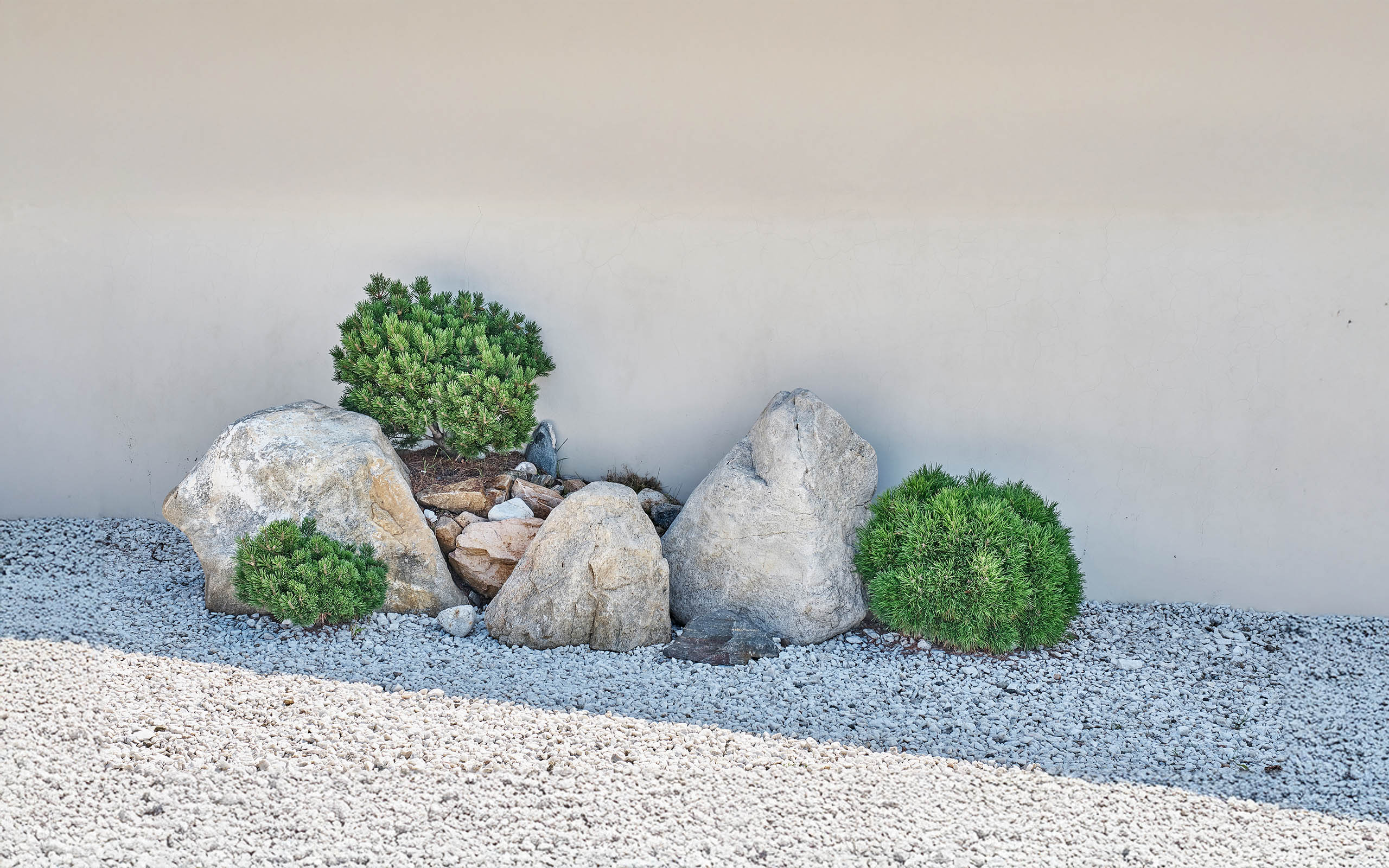
Remember, a little preventative care goes a long way in maintaining a harmonious outdoor space. Take the next step toward creating your ideal pest-free garden by reaching out to OMNIS Pest Control for expert assistance.
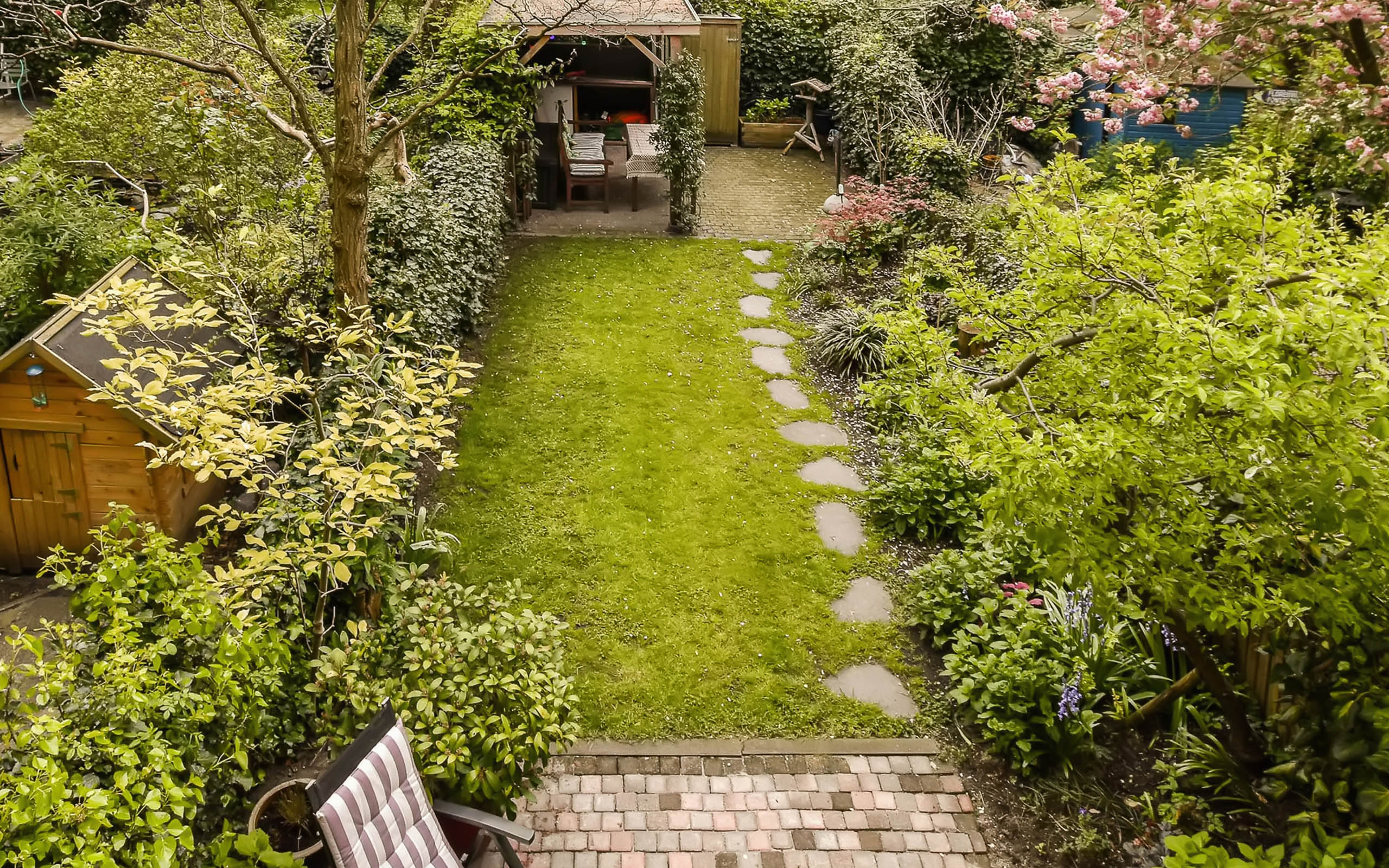
DON'T Overwater Your Plants
Overwatering is a common mistake that can lead to pest problems. Excessive moisture attracts insects such as mosquitoes, gnats, and root rot, which can damage plant health and attract even more pests.
Instead, water your plants deeply but infrequently, allowing the soil to dry out between watering sessions. This promotes strong root growth and reduces the appeal of your yard to moisture-loving pests.
A tip to determine if your plants need water is to stick your finger about an inch into the soil. If it's dry, it's time to water; if it's moist, wait a day or two before checking again.
DON'T Ignore Plant Diversity
Monocultures, or gardens with a single plant species, are more susceptible to pest infestations. If one plant is attacked, the entire garden can suffer. By diversifying your plant selection, you create a balanced ecosystem that confuses pests and supports a variety of beneficial insects.
Mixing flowering plants with vegetables, for example, can attract pollinators and predatory insects that keep pest populations in check.
According to research from Michigan State University, gardens with diverse plantings support more beneficial insects, reducing the need for chemical interventions.
DON'T Use Chemical Pesticides Recklessly
While it might be tempting to reach for chemical pesticides at the first sign of trouble, indiscriminate use can harm beneficial insects and disrupt your garden's ecosystem.
Many pesticides kill both harmful and helpful insects, leading to a cycle of dependency on chemicals. Instead, contact OMNIS Pest Control for your yard pest control needs.
Remember, a little preventative care goes a long way in maintaining a harmonious outdoor space.
Take the next step toward creating your ideal pest-free garden by reaching out to OMNIS Pest Control for expert assistance.