
 Pantry Pests
 Pill Bugs
 Ants
Ants Spiders
 Bees
Bees Crickets
 Miller Moths
 Millipedes
 Wasps
Wasps Hornets
 Mice
Mice Voles
Voles Rats
Rats Bats
Bats Birds
Birds Gophers
 Mosquitos*
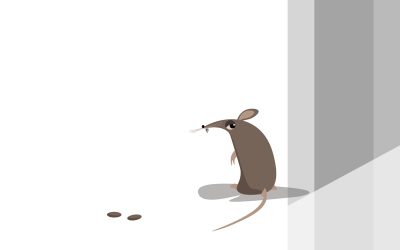 How to Identify Rodent Droppings
 Keep Pests Out of Your Kitchen
 Keep Ants Away
Good Pests, The Unsung Heroes in Your Backyard
When you hear the term "pests," it’s often accompanied by an immediate sense of annoyance or alarm. We’re quick to label any creepy-crawly or flying critter a nuisance, and for good reason - pests like mosquitos, rats, and termites can wreak havoc on homes and health alike.
But here’s a twist you might not have considered - not all pests are "bad." Some play critical roles in ecosystems, gardens, and even pest control itself. These "good pests" might not always look charming, but their contributions are undeniably powerful.
What Are Good Pests
Good pests, also known as beneficial insects or animals, are species that positively impact the environment or other organisms. Instead of threatening your home or health, they contribute to sustainability by aiding in regulating harmful species, pollinating plants, or recycling organic matter back into the ecosystem.
While not all of them are welcome indoors, good pests help create balance, particularly when it comes to gardens and local wildlife habitats.
Why Good Pests Matter
The contributions of good pests to the environment are often overlooked, yet they are vital.
- Natural pest control: Certain bugs prey on harmful pests, reducing the need for chemical pesticides.
- Pollination: Some insects significantly contribute to the pollination of plants and crops.
- Healthy soil: Decomposers feed on organic matter, contributing to nutrient-rich soil.
- Biodiversity: Good pests keep ecosystems balanced by regulating populations of other creatures.
Understanding their benefits can shift our perspective toward nature and our role in maintaining it.
Key Players Among Good Pests
Below are some of the most valuable "good pests" you might find in your garden or local area:

1. Ladybugs Are Good Pests
Ladybugs might be cute (who didn’t grow up spotting them with excitement?), but they also pack a punch when it comes to controlling harmful pest populations. These little beetles feast on aphids, mites, and other destructive garden insects.
Why Ladybugs Help
One ladybug can eat up to 50 aphids per day. Their presence in your yard means your plants are better protected without relying on synthetic pesticides.
How To Attract Ladybugs
Plant herbs like cilantro, dill, and fennel to create a welcoming habitat.

2. Bees Are Good Pests
We can’t talk about beneficial insects without recognizing bees. These tiny workers are responsible for pollinating the majority of the world’s crops, ensuring food production for humans and animals alike.
Why Bees Help
Without bees, crops like apples, almonds, and blueberries would struggle to thrive.
How To Attract Bees
Native flowers, particularly those rich in nectar and pollen like lavender or sunflowers, are irresistible to bees.
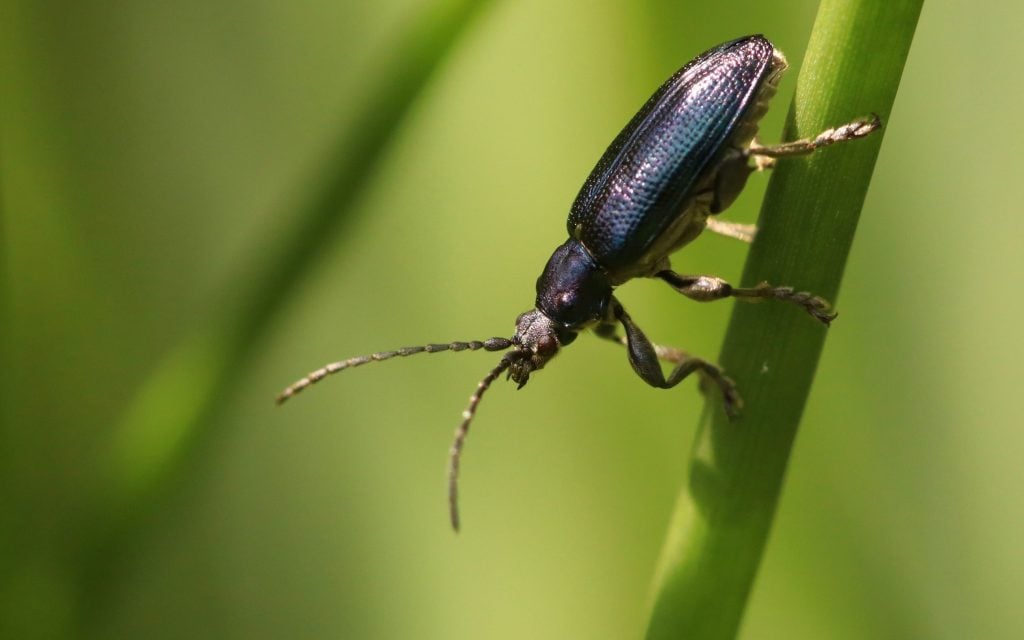
3. Ground Beetles Are Good Pests
Ground beetles are stealthy predators that dwell in soil or under debris. They feed on pests like slugs, caterpillars, and cutworms. Many gardeners consider them natural soldiers working on the frontlines of pest control.
Why Gound Beetles Help
Beyond eating harmful bugs, they assist in breaking down organic matter, improving soil quality.
How To Attract Gound Beetles
Create a groundcover of mulch and stones for them to shelter under.

4. Spiders Are Good Pests
Spiders may give you the heebie-jeebies, but their role in controlling flying pests like mosquitoes, flies, and even cockroaches is unparalleled. Most spiders you encounter are harmless to humans and don’t intend to invade your space aggressively.
Why Spiders Help
They reduce disease-carrying insect populations naturally and discreetly.
How To Attract Spiders
Keep your garden thriving with diverse plants and flowers, encouraging biodiversity.
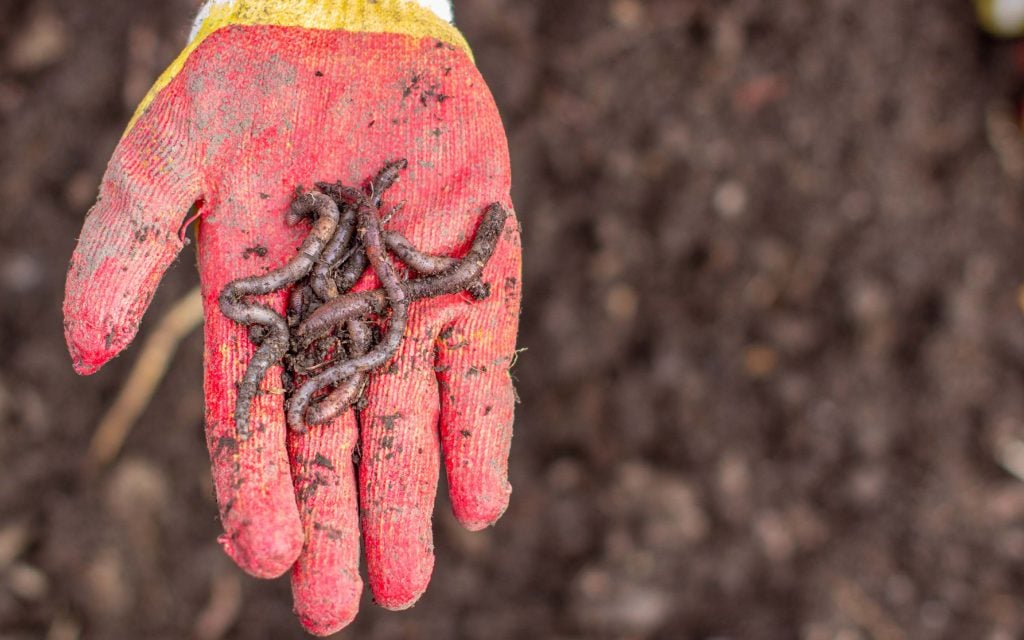
5. Earthworms Are Good Pests
Often overlooked due to their less-than-glamorous appearance, earthworms are soil champions. They feed on decaying organic matter, aerate the soil, and leave behind nutrient-rich castings that promote plant growth.
Why Earthworms Help
Healthy soil is the foundation of thriving plants and gardens, and earthworms are indispensable for soil fertility.
How To Attract Earthworms
Compost heaps are a great way to invite these little earth movers.
How to Live in Harmony with Good Pests
While good pests do wonders for the environment and your garden, it’s essential to ensure a balanced existence. Here are ways to support beneficial species while maintaining a safe and comfortable environment for your family.

1. Avoid Excessive Pesticide Use
Chemical pesticides don’t discriminate between good and bad pests. Where possible, choose eco-friendly or organic alternatives to minimize harm to beneficial species.
2. Create a Habitat
Use native plants, ground cover, compost heaps, or rock piles to create spaces that good pests can call home. The more diverse your outdoor landscape, the better the environment will be for biodiversity.
3. Limit Lawn Intensivity
Instead of treating your lawn for perfection, allow it to grow more naturally. Clover, weeds, and wildflower patches can attract pollinators and allow insects like ladybugs or grasshoppers to thrive.
4. Monitor and Maintain Indoor Spaces
While good pests belong outdoors, you can prevent unwanted encounters in your home with timely pest management strategies. Seal cracks and openings, store food in airtight containers, and keep your space clean to discourage pests from wandering indoors.
Partnering with Nature for a More Balanced Habitat
Not all pests are troublemakers. Many, like the ones on this list, play an essential role in both our local ecosystems and the broader environment. Recognizing their value can lead to healthier landscapes, better gardens, and a more sustainable world.
Looking for pest solutions that keep your space safe while respecting the environment? At Omnis Pest Control, we understand the difference between beneficial species and harmful pests. Whether it’s sparing the spiders or tackling termites, our approach is humane, eco-friendly, and always effective.
Explore our services today and join us in creating pest-free homes without sacrificing nature’s delicate balance.