
 Pantry Pests
 Pill Bugs
 Ants
Ants Spiders
 Bees
Bees Crickets
 Miller Moths
 Millipedes
 Wasps
Wasps Hornets
 Mice
Mice Voles
Voles Rats
Rats Bats
Bats Birds
Birds Gophers
 Mosquitos*
 How to Identify Rodent Droppings
 Keep Pests Out of Your Kitchen
 Keep Ants Away
How to Identify Pest Droppings
Finding mysterious droppings around your home can be unsettling. Whether you've discovered small pellets in your pantry, dark specks near windows, or debris in your basement, it's important to identify pest droppings. Knowing what you're dealing with is the first step toward effective pest control, helping you take action before a minor problem turns into a major infestation.
Identify Pest Droppings: Spiders
Spider droppings are often overlooked, easily mistaken for dirt or dust. These tiny, dark, liquid-like spots typically appear on walls, windowsills, and corners where spiders build webs. Fresh droppings look like small ink blots; older ones dry into hard, dark specks that can be difficult to remove.
To successfully identify pest droppings, look for spider droppings near light sources where insects gather, as spiders follow their food supply. If you notice these small dark spots along with webbing or see spiders themselves, you're likely dealing with an active spider population.

Identify Pest Droppings: Insects
Different insects leave unique dropping patterns that help identify pest droppings and determine the specific pest.
Cockroach Droppings
Cockroach droppings can often look like black pepper or coffee grounds. These droppings are commonly found in dark, warm spaces. You might see them behind appliances, under sinks, or in cabinets. The size of the droppings depends on the cockroach species.
German cockroaches tend to leave behind smaller droppings. In contrast, American cockroaches produce larger, cylindrical pellets. Spotting these droppings can be an important sign of a cockroach infestation. Identifying their location helps trace where the cockroaches are hiding. It's crucial to address the problem quickly to prevent it from worsening.

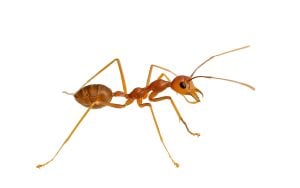
Ant Droppings
These ants are very small. They are typically just a few millimeters in length. Their bodies are usually dark. You will often find them near food sources. Kitchens are common areas for infestations. Pantries also attract them. They are searching for sustenance. They are attracted to sugary foods. Greasy residues are also a draw. You might notice them moving along well-defined trails. These trails are created using pheromones. This helps other ants find food. They gather near crumbs and spills. Any accessible food source will attract them.
Their tiny, dark bodies are easy to spot. Look for them as tiny moving specks. They can be seen on countertops. They also appear on floors and walls. Sometimes, you may find dead ant bodies nearby. This is a sign of an active infestation. They can leave behind bits of food debris. Sugar grains are often present. Bread crumbs might be found. These are clear signs of their foraging activity. Such ants can contaminate food supplies. They are considered a nuisance pest.
Identity Pest Droppings: Rodents
Rodent droppings are among the most concerning to find because they indicate mammals that can spread disease and cause significant property damage.

Mouse Droppings
Mouse droppings are a key sign of an infestation. They are small. They are dark in color. Their shape is pointed at both ends. Each dropping is typically the size of a grain of rice. Fresh droppings look dark. They also appear moist. As they age, droppings change. They become gray. They also turn dry and crumbly. You often find these droppings along baseboards.
They can also be in cabinets. Areas near food storage are common locations. Attics and basements may also show them. Lots of droppings mean a larger problem. Their presence indicates rodent activity. It suggests mice are actively foraging. Droppings can carry diseases. They are a biohazard. Always wear gloves when cleaning them.

Rat Droppings
Rat droppings are noticeably larger than mouse droppings. They are about the size of a raisin. Their shape is more capsule-like with blunt ends. The color is typically darker and can range from brown to black. These droppings are often found in areas where rats are active. Common locations include kitchens, pantries, and storage spaces. However, they may also appear in attics, basements, or outdoor structures like sheds.
Pack rat droppings are even larger than regular rat droppings. These are commonly found in Colorado and other regions with pack rat populations. These rats are known for building distinctive stick nests. Their droppings are often found in garages, sheds, or areas near their nests. Both types of droppings indicate active rodent infestations and should be addressed promptly.

Health and Safety Considerations
Never handle pest droppings with bare hands. Rodent droppings, in particular, can carry serious diseases including Hantavirus. Always wear gloves and a dust mask when cleaning, and ventilate the area well. Avoid sweeping or vacuuming droppings, as this can create airborne particles. Instead, spray the area with disinfectant, let it soak, then clean with paper towels.
Prevention Through Regular Pest Inspection
The key to preventing infestations is catching them early. During your monthly home inspection, check common problem areas: kitchen cabinets, pantries, basements, attics, and areas around plumbing. Look not just for droppings, but also for gnaw marks, unusual odors, or damage to food packaging.
When to Call the Professionals
If you've identified pest droppings and implemented basic prevention measures but continue finding fresh signs, it's time for professional intervention. OMNIS Pest Control understands Colorado's unique pest challenges and can quickly identify the specific species you're dealing with based on dropping characteristics, location, and other evidence.
Our team doesn't just eliminate current pests—we implement integrated pest management strategies that prevent future infestations. We know the difference between pack rat and house mouse droppings because we've been protecting Colorado homes since 2013.
Take Action Today
Don't let pest droppings become a recurring problem in your home. Early identification and professional treatment save you money, protect your family's health, and prevent property damage. If you've discovered droppings or want to establish a preventive quarterly pest control plan, contact OMNIS Pest Control today. We're your local Castle Rock pest experts, and we're ready to bring you the peace of mind that comes with a truly pest-free home.