
 Pantry Pests
 Pill Bugs
 Ants
Ants Spiders
 Bees
Bees Crickets
 Miller Moths
 Millipedes
 Wasps
Wasps Hornets
 Mice
Mice Voles
Voles Rats
Rats Bats
Bats Birds
Birds Gophers
 Mosquitos*
 How to Identify Rodent Droppings
 Keep Pests Out of Your Kitchen
 Keep Ants Away
About Cockroaches in Colorado
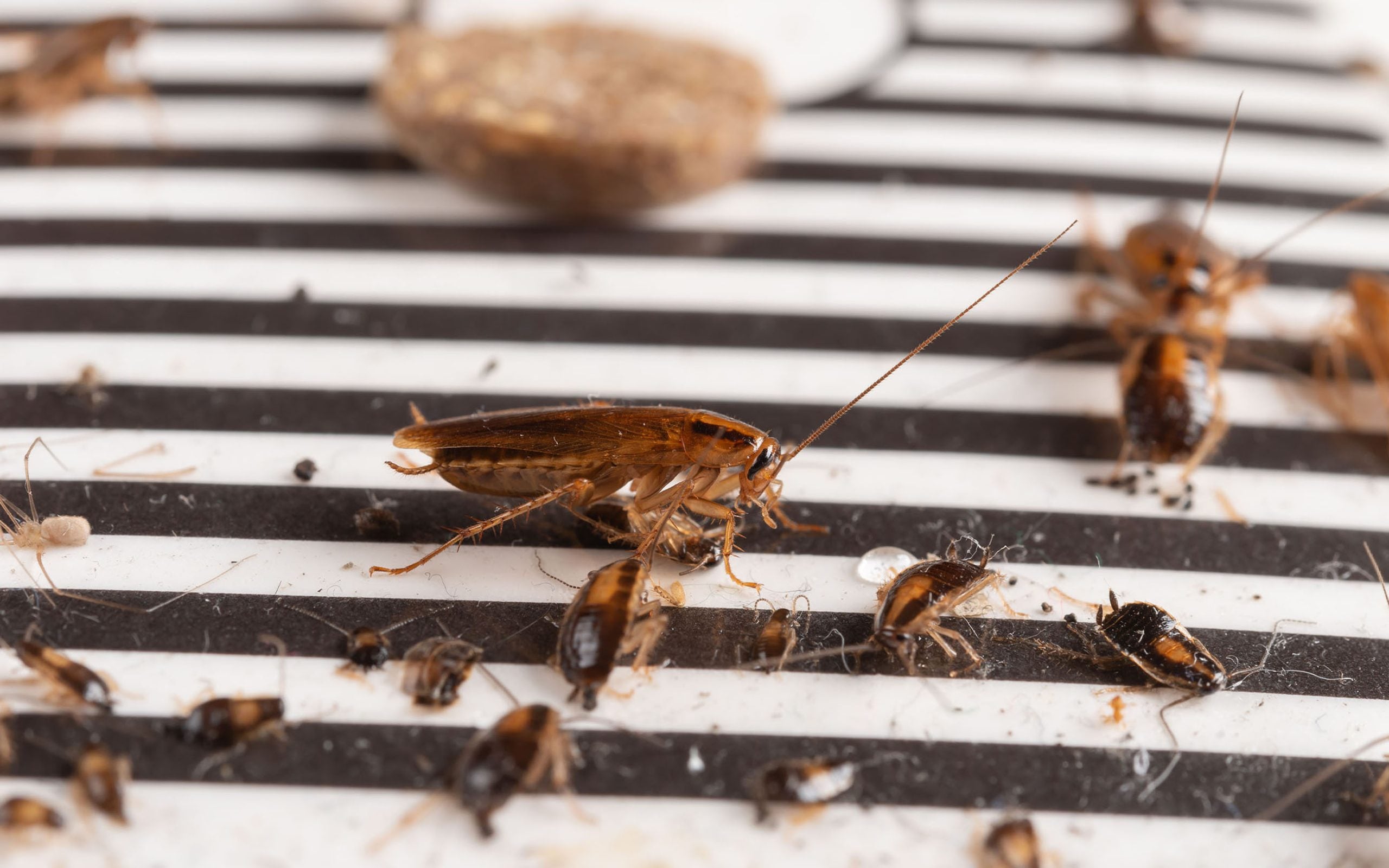
Cockroaches are among the most resilient and reviled household pests on the planet. They have survived for over 300 million years, adapting to virtually every environment humans inhabit. Unfortunately, that includes Colorado homes and businesses.
Four cockroach species commonly infest Colorado properties, each with unique behaviors, habitat preferences, and health risks. Understanding these differences is essential for effective control. This guide provides comprehensive information on identifying, understanding, and dealing with each species.
Cockroach Species in Colorado
While over 4,500 cockroach species exist worldwide, only four commonly infest Colorado homes and businesses. Each species has distinct habitat preferences, behaviors, and treatment requirements. Proper identification is the first step toward effective control.

German Cockroach (Blattella germanica)
Pest Threat Level: 9/10
Why This Threat Level: German cockroaches are the most problematic indoor cockroach species in the world. Their rapid reproduction rate, preference for living in close proximity to humans, and resistance to many pesticides make them extremely difficult to eliminate. A single female can produce up to 400 offspring in her lifetime, and populations can explode from a few individuals to thousands in just months.
Identification and Appearance
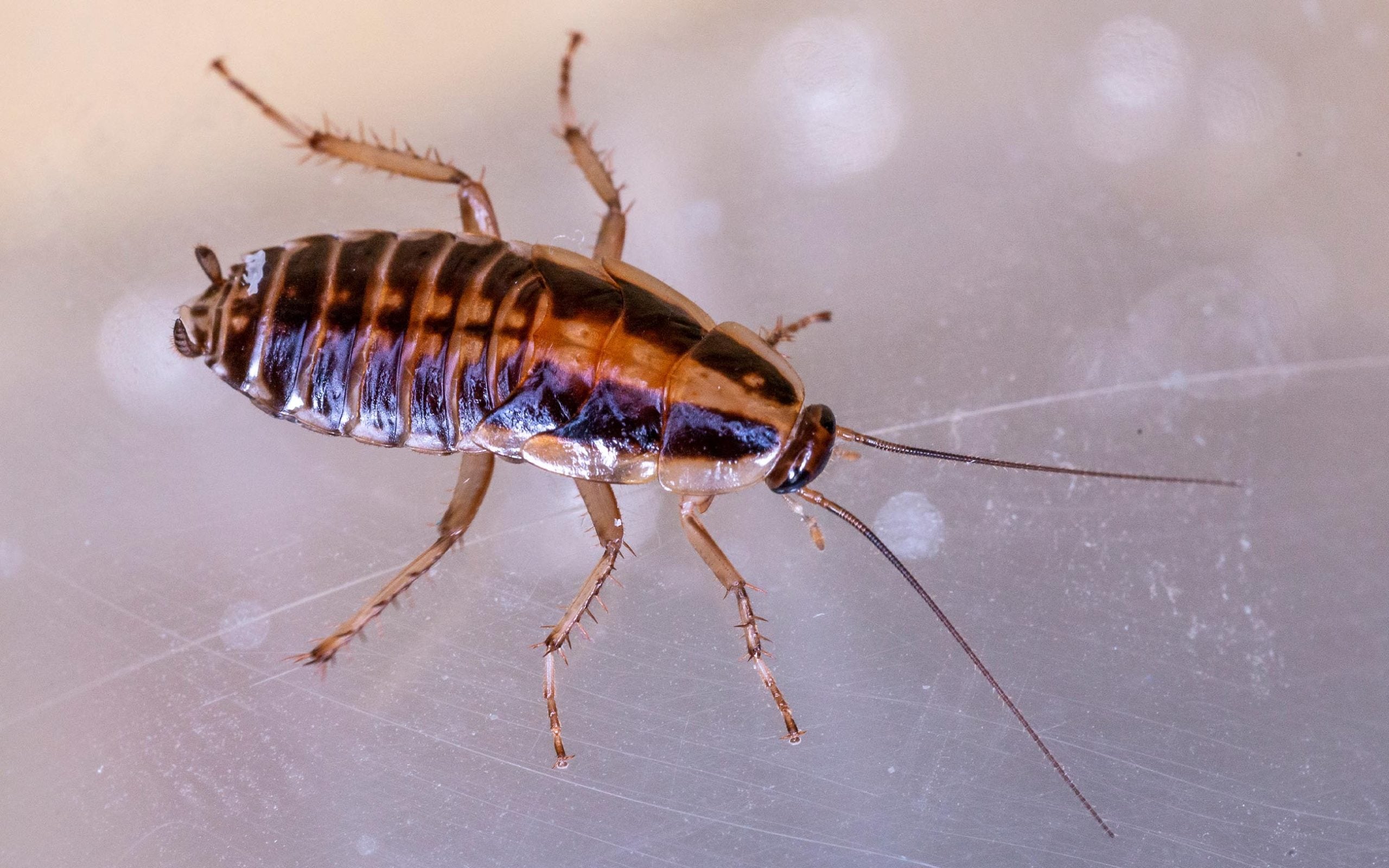
German cockroaches are small, measuring approximately half an inch to five-eighths of an inch as adults. They are light brown to tan in color with two distinctive dark parallel stripes running from the head to the base of the wings. Despite having fully developed wings, German cockroaches rarely fly, preferring to run when disturbed.
Nymphs (immature cockroaches) are smaller and darker than adults, often appearing almost black. They go through six to seven molts before reaching adulthood. Females carry their egg capsules (oothecae) protruding from their abdomens until just before the eggs hatch, which helps protect the developing embryos.
Why German Cockroaches Are So Problematic
German cockroaches are considered the most serious cockroach pest for several reasons. They reproduce faster than any other residential cockroach, completing their life cycle in as little as 100 days under ideal conditions. They live exclusively indoors, unlike other species that may wander in from outside. They have developed resistance to many common pesticides, making DIY control extremely difficult. And they contaminate food, spread bacteria, and trigger severe allergic reactions and asthma attacks.
Habitat and Behavior
German cockroaches are primarily found in kitchens and bathrooms where food, moisture, and warmth are available. They hide in cracks and crevices during the day and emerge at night to feed. Common hiding spots include behind refrigerators and stoves, inside cabinets, under sinks, around plumbing, inside appliance motors, and in wall voids near heat sources.
They prefer temperatures between 70-75 degrees Fahrenheit and require regular access to water. A German cockroach can survive about a month without food but only about two weeks without water.
Signs of German Cockroach Infestation
Common indicators include small, pepper-like droppings in corners and crevices, brown capsule-shaped egg casings (oothecae) in hidden areas, an unpleasant musty odor in severe infestations, shed skins accumulated in harborage areas, and live cockroaches running when lights are turned on at night. Seeing German cockroaches during the day usually indicates severe overcrowding.
Health Risks
German cockroaches are significant vectors of disease. They carry bacteria including Salmonella, E. coli, and Staphylococcus on their bodies. Their droppings, shed skins, and body parts contain allergens that trigger asthma attacks and allergic reactions, particularly in children. Studies show German cockroach allergens are present in most urban homes.
American Cockroach (Periplaneta americana)
Pest Threat Level: 8/10
Why This Threat Level: American cockroaches are the largest common household cockroach, growing up to 1.5 inches long. Often called "water bugs" or "palmetto bugs," they carry numerous pathogens and their size makes encounters particularly alarming. While they prefer outdoor and commercial environments, they readily infest homes with moisture problems.

Identification and Appearance
American cockroaches are the largest cockroach species commonly found in homes, measuring 1.25 to 2.1 inches in length. They are reddish-brown to mahogany in color with a distinctive pale yellow band around the edge of their pronotum (the shield-like plate behind the head). Both males and females have fully developed wings that extend beyond the abdomen, and unlike German cockroaches, American cockroaches can and do fly, especially in warm weather.
Nymphs are grayish-brown and wingless, gradually developing their reddish coloration as they mature through 10-13 molts over 6-12 months.
Habitat and Behavior
American cockroaches prefer warm, humid environments and are commonly found in basements, crawl spaces, sewers, steam tunnels, and around drains and plumbing. They are more common in commercial settings like restaurants, grocery stores, bakeries, and food processing facilities, but readily infest homes with moisture issues.
Unlike German cockroaches that live exclusively indoors, American cockroaches can survive outdoors in warm weather and often enter buildings through sewer connections, drains, or gaps around utility lines. They are strong fliers and may enter through open windows during warm evenings.
Why American Cockroaches Invade Homes
Three primary factors attract American cockroaches to your home:
- Food: Crumbs, leftover pet food, garbage, and even non-food items like glue, soap, and book bindings provide sustenance.
- Water: Leaky pipes, dripping faucets, condensation, and standing water are magnets for these moisture-loving pests.
- Shelter: Warm, dark, humid spaces like basements, crawl spaces, and areas around water heaters make ideal harborage.
Health Risks
American cockroaches are known carriers of over 33 kinds of bacteria including Salmonella and E. coli, six parasitic worms, and at least seven other human pathogens. They pick up germs on the spines of their legs and bodies as they crawl through decaying matter, sewage, and garbage, then transfer these pathogens to food and food preparation surfaces.

Oriental Cockroach (Blatta orientalis)
Pest Threat Level: 7/10
Why This Threat Level: Oriental cockroaches are often called "water bugs" or "black beetles" due to their dark coloration and affinity for extremely damp environments. They produce a particularly strong, unpleasant odor and are considered among the filthiest cockroach species because of their preference for decaying organic matter and sewage.


Identification and Appearance
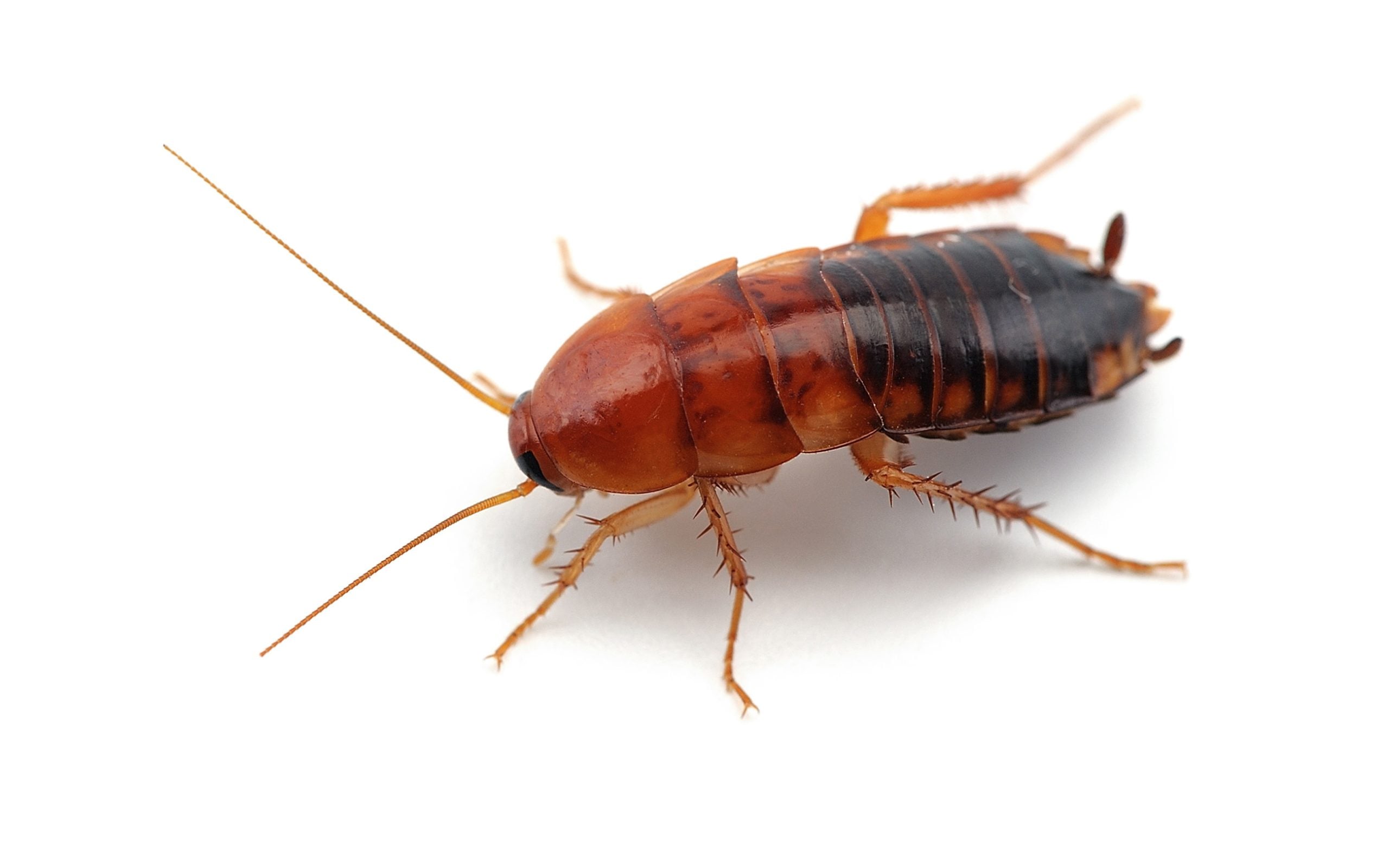
Oriental cockroaches are medium-sized, measuring about 1 to 1.25 inches long. They display a distinctive dark brown to black, shiny coloration that sets them apart from other cockroach species. Males have shortened wings covering about three-quarters of their abdomen, while females have only rudimentary wing pads. Neither sex can fly.
Their dark, almost greasy appearance and slower movement compared to other cockroaches make them relatively easy to identify. They also produce a stronger, more offensive musty odor than other species.
Habitat and Behavior
Unlike brown banded cockroaches that seek warm, dry environments, Oriental cockroaches prefer cool, damp locations. They thrive in temperatures between 68-84 degrees Fahrenheit and require high humidity. Common habitats include basements and crawl spaces, floor drains and sewer systems, areas around water heaters, beneath porches and in leaf litter, and damp areas around plumbing and washing machines.
Oriental cockroaches are primarily outdoor insects in warmer months but move indoors when temperatures drop or during dry spells. They often enter through gaps under doors, around utility pipes, or through floor drains connected to sewer systems.
Signs of Oriental Cockroach Infestation
Look for small, dark pellets or smears near water sources, typically around baseboards, under sinks, or in damp basement corners. A strong, musty odor is another common indicator, becoming more noticeable as their population grows. Additionally, dark brown egg cases (oothecae) found in protected areas near food and water can hatch into dozens of nymphs within weeks.
Live Oriental cockroaches are most active during nighttime hours, so you are more likely to spot them when turning on lights in dark areas like basements or bathrooms. They move more slowly than other cockroach species.
Why DIY Control Often Fails
Oriental cockroaches are often resistant to common pesticides available to consumers. They hide in hard-to-reach areas like wall voids, floor drains, and underground burrows. Chemical treatments alone will not work if moisture issues persist. Professional-grade products and moisture management strategies are usually required for effective control.
Moisture Control is Essential
Effective Oriental cockroach control starts with addressing the moisture that attracts them. Fix all plumbing leaks, no matter how small. Improve ventilation in basements and crawl spaces. Use exhaust fans and dehumidifiers to lower humidity. Address drainage issues around the foundation. Without moisture management, chemical treatments provide only temporary relief.

Brown Banded Cockroach (Supella longipalpa)
Pest Threat Level: 7/10
Why This Threat Level: Brown banded cockroaches are among the trickiest pests to locate and eliminate due to their unique behavior of hiding in high, dry locations rather than near water sources like other species. They readily infest electronics, furniture, and items throughout the home, making them difficult to treat with conventional methods.
Identification and Appearance
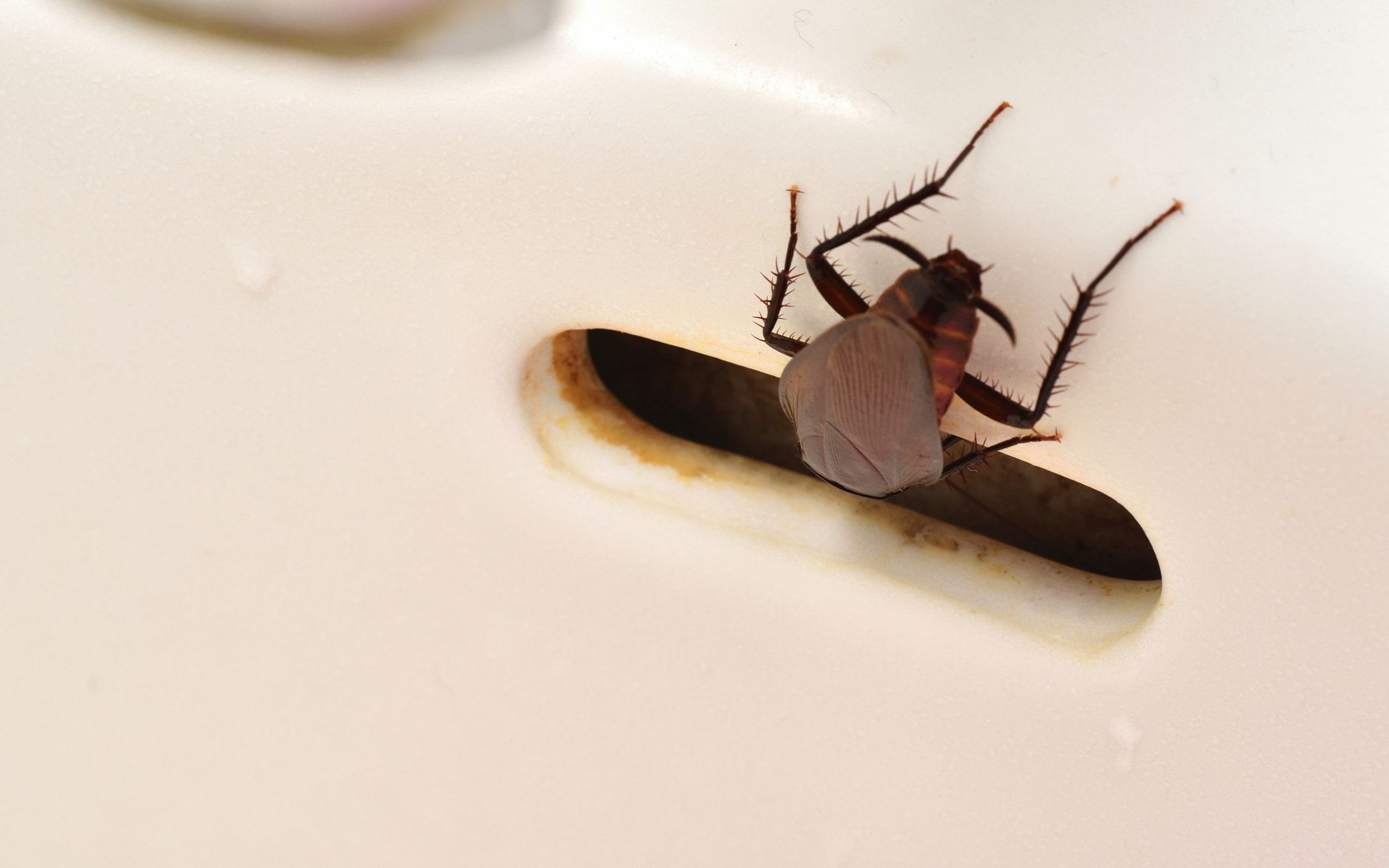
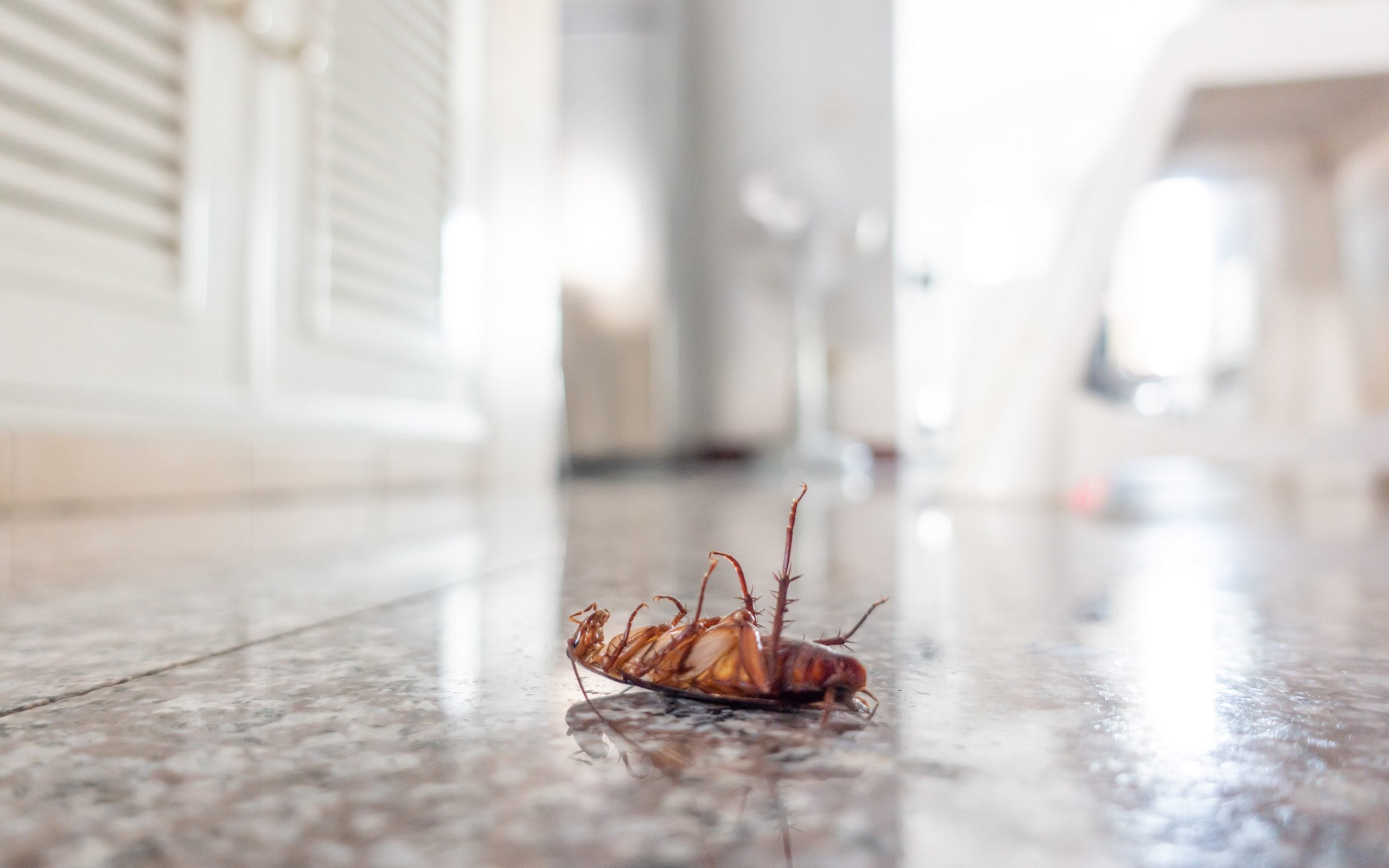
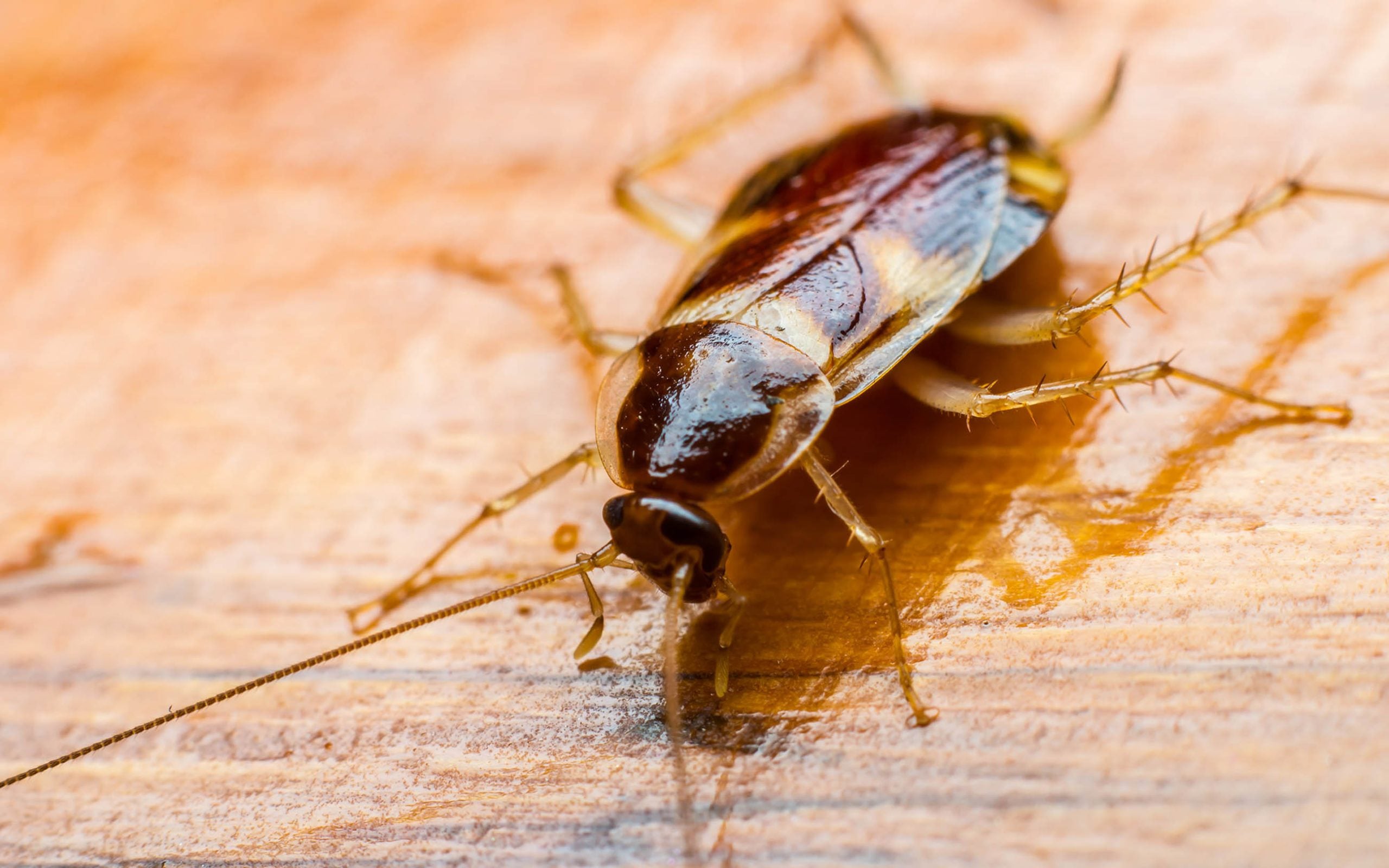
Brown banded cockroaches (Supella longipalpa) get their name from the distinctive light brown bands across their wings and abdomen. These pests are smaller than their German cockroach cousins, measuring about half an inch as adults. Males are golden-tan while females are darker reddish-brown.
Males have fully developed wings that extend beyond the tip of the abdomen and can glide short distances when disturbed. Females have shorter wings that do not cover the abdomen and cannot fly. Both sexes are relatively slender compared to other cockroach species.
Unique Habitat Preferences
Unlike other cockroaches that seek moisture, brown banded cockroaches prefer warm, dry environments. This unusual preference means they are often found in locations where other cockroaches are not, including behind picture frames and wall decorations, inside televisions, computers, and other electronics, on upper shelves and in high cabinets, behind wall clocks and light switch covers, inside closets and on ceilings, and in furniture, including beds and dressers.
They prefer temperatures between 77-91 degrees Fahrenheit, often congregating near heat sources like refrigerator motors, televisions, and light fixtures.
Signs of Brown Banded Cockroach Infestation
Detecting a brown banded cockroach problem early can prevent a larger, more persistent infestation. Look for faint brown or tan bands across the cockroach body, small droppings resembling coffee grounds in drawers or on shelves, egg casings (oothecae) glued to walls, furniture, or behind appliances, roaches hiding in high cabinets or behind wall decorations, and unexplained allergic reactions or asthma flare-ups.
Rapid Reproduction
Brown banded cockroaches reproduce rapidly, with females producing up to 18 eggs per capsule. Unlike German cockroaches that carry their egg cases, brown banded females glue their oothecae to surfaces in hidden locations where they are difficult to find and remove. Each capsule contributes to a growing infestation if not addressed early.
How They Enter Homes
These pests can enter your home via used furniture and electronics, grocery bags and cardboard boxes, luggage after travel, and items stored in infested locations. By the time you see one, there could be dozens hiding in walls, outlets, and ceiling fixtures.
Quick Facts
- Preferred Temperature: 77-91 degrees F
- Lifespan: Up to 10 months
- Color: Light brown with distinctive banding
- Flight: Males can glide; females cannot fly
- Activity: Nocturnal; hide high on walls and in electronics
Health Risks from Cockroach Infestations
Cockroaches are not just unpleasant; they pose serious health risks to you and your family. Understanding these risks underscores the importance of prompt professional treatment.
Disease Transmission
Cockroaches carry over 33 kinds of bacteria including Salmonella and E. coli, six parasitic worms, and numerous other pathogens. They pick up these germs crawling through sewage, garbage, and decaying matter, then transfer them to food preparation surfaces, dishes, and stored food in your home.
Asthma and Allergies
Proteins in cockroach saliva, droppings, and shed body parts are potent allergens. The EPA identifies cockroach allergens as a leading trigger of asthma attacks, particularly in children. Studies show these allergens are present in most urban homes, even those without visible infestations.
Food Contamination
Cockroaches contaminate far more food than they consume. Their droppings, regurgitated digestive fluids, and shed skins taint food and food preparation areas. This contamination can cause food poisoning, diarrhea, and gastrointestinal illness in family members.
Beyond direct health effects, cockroach infestations can worsen indoor air quality overall, damage paper goods, books, and fabrics, leave stains and unpleasant odors on surfaces, and attract secondary pests like centipedes that prey on roaches. For these reasons, professional cockroach elimination is an investment in your family's health.
Why Professional Cockroach Control is Essential
Cockroaches have survived for over 300 million years by adapting to threats. Modern cockroach populations have developed resistance to many pesticides available to consumers. DIY treatments typically address only the cockroaches you can see, leaving the majority of the population hidden in wall voids, behind appliances, and in other inaccessible areas.
Professional pest control provides several critical advantages:
- Species Identification: Different cockroach species require different treatment approaches. Our technicians identify exactly what you are dealing with.
- Professional-Grade Products: Commercial-grade baits and residual treatments are more effective than consumer products and reach cockroaches in their hiding places.
- Targeted Application: We know where cockroaches hide and how to reach them effectively.
- Integrated Pest Management: We address conducive conditions like moisture problems and entry points, not just the visible infestation.
- Follow-Up and Monitoring: Cockroach control is not a one-time event. We provide ongoing protection to prevent reinfestation.

Prevention Tips
While professional treatment is essential for established infestations, these practices help prevent cockroach problems:
- Store food in airtight containers
- Clean up crumbs and spills immediately
- Take out trash daily in sealed containers
- Fix all plumbing leaks promptly
- Reduce clutter, especially cardboard and paper
- Seal cracks and gaps around pipes, windows, and doors
- Use dehumidifiers in damp areas
- Inspect secondhand furniture and appliances before bringing them home
- Vacuum regularly, especially in hidden areas
Understanding the Cockroach Lifecycle
The lifecycle of a cockroach is stubborn, sneaky, and fast. That's exactly why DIY sprays seem to work... until they don't. Understanding these three stages explains why professional treatment must target every phase of the infestation.

Stage 1: Egg Case (Ootheca)
Female roaches carry or stash a hard egg case called an ootheca. Each one can hold dozens of eggs. That means one missed ootheca becomes tomorrow's problem. Many over-the-counter sprays don't touch this stage.
Stage 2: Nymph
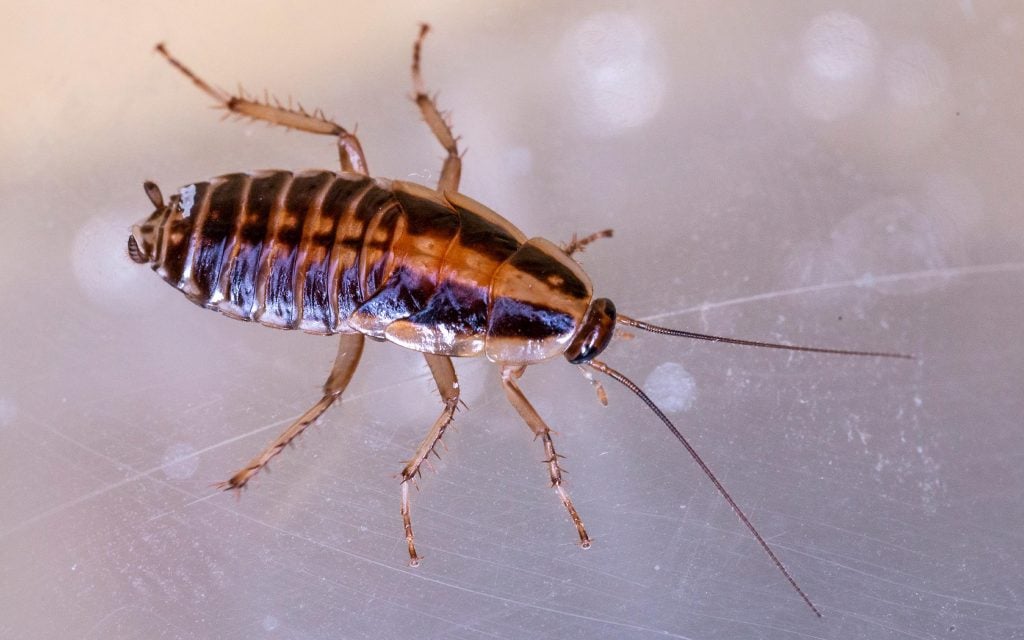
Nymphs are small, fast, and hungry. They shed skin (molt) several times while hiding in paper stacks and baseboard gaps. Because they're immature, some sprays won't hit them hard enough. Growth regulators and non-repellent baits work best here.

Stage 3: Adult
Adults breed, spread, and contaminate. You'll see them dart when you flip on a light or notice smear marks near moisture. Killing adults without touching eggs and nymphs is like mopping with the faucet still running.
Signs of Cockroach Activity
Think you might have cockroaches? Keep an eye out for:
- Pepper-like droppings in cabinet corners
- Oval-shaped egg cases behind appliances
- Dark streaks or smear marks near water sources
- Shed skins (thin, papery exoskeletons)
- Musty odor in infested areas
- Live cockroaches at night (daytime sightings indicate significant infestation)
Where Roaches Hide in Colorado Homes
Even our dry climate has cozy spots for roaches:
- Warm motor housings on fridges and dishwashers
- Loose backsplash seams and under-sink corners
- Stacks of grocery bags, cardboard, or mail
- Gaps around plumbing and gas lines
- Unsealed baseboards and toe-kicks
- Grease micro-films near stoves
These tiny shelters are perfect for every stage of the lifecycle.

Lifecycle of a Cockroach

Why Do I Have Cockroaches In A Clean House?
Need Professional Cockroach Control?
Understanding cockroach biology and behavior is the first step toward solving roach problems. But when cockroaches have established themselves in your home, professional intervention is essential for complete elimination.
OMNIS Pest Control has over a decade of experience eliminating cockroach infestations in Castle Rock homes and businesses. We understand the species-specific behaviors, conducive conditions, and proven treatment methods that deliver lasting results.
More Pest Protection.
More Peace of Mind.
Cockroach Control Resources
Learn more about dealing with cockroaches in Colorado:

Roach Control Services
Professional cockroach elimination for Castle Rock homes and businesses.

Quarterly Pest Control
Year-round protection against cockroaches and other household pests.

Commercial Pest Control
Discreet cockroach control for restaurants and commercial facilities.