
 Pantry Pests
 Pill Bugs
 Ants
Ants Spiders
 Bees
Bees Crickets
 Miller Moths
 Millipedes
 Wasps
Wasps Hornets
 Mice
Mice Voles
Voles Rats
Rats Bats
Bats Birds
Birds Gophers
 Mosquitos*
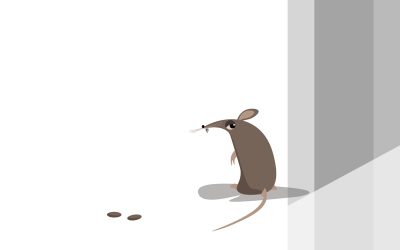 How to Identify Rodent Droppings
 Keep Pests Out of Your Kitchen
 Keep Ants Away
The Lifecycle of a Cockroach: Why They’re So Hard to Kill
The Lifecycle of a Cockroach isn’t pretty. And it’s the reason DIY sprays seem to work… until they don’t. We’ve heard the same from Parker condos and Colorado Springs basements: “I sprayed last week. Why are they back?” Because the lifecycle of a cockroach is stubborn, sneaky, and fast. That’s exactly why our OMNIS Pest Control team uses a plan, not a can.
We’ll break down the lifecycle of a cockroach, show you where DIY misses, and explain how our professional treatments stop roaches at every stage. If you want steady, real results, we’re your crew.
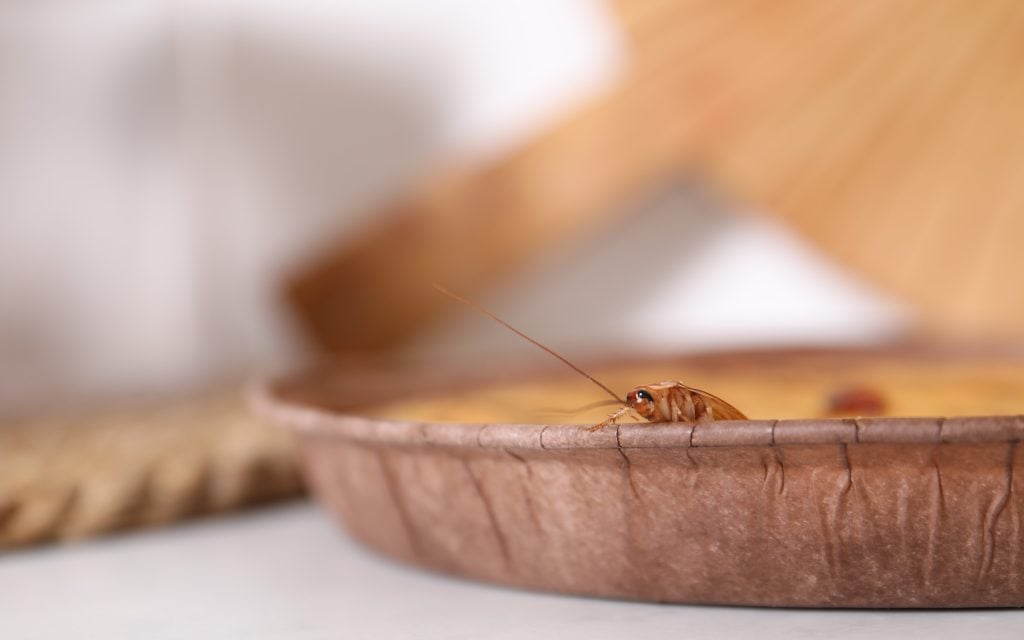
Castle Rock Cockroach Control: A Real-World Success Story
If you're a homeowner in the Castle Rock area, you understand the unique pest challenges we face. A homeowner in The Meadows reached out to us after unsuccessfully “bombing” their home twice. On our first visit, we uncovered the root of the problem: egg cases hidden under the dishwasher kick plate and nymphs sheltering along a warm water line.
Two weeks later, after applying a carefully planned bait and treatment, we returned to inspect the same area. The result? No fresh egg cases, no newly molted nymphs. The key was addressing the entire cockroach lifecycle—not just the visible adults.
Why the Lifecycle Matters More Than "What's the Best Spray?"
Cockroaches are resilient. Eliminating adults without addressing their reproductive cycle allows eggs to continually hatch. Repellents may deter them temporarily, but they often just relocate. To effectively control cockroaches, it's essential to disrupt their lifecycle, thereby breaking the cycle of new infestations. Failing to do so ensures their continued survival.
Ultimately, understanding the cockroach lifecycle provides the key to developing effective and lasting treatment strategies. We leverage this understanding to overcome their natural persistence.

3 Stages of a Cockroach
Ootheca (Egg Case)
Female roaches carry or stash a hard egg case called an ootheca. Each one can hold dozens of eggs. That means one missed ootheca becomes tomorrow’s problem. We see these tucked behind refrigerators, inside cabinet hinges, and near warm pipe chases. Important: Many over-the-counter sprays don’t touch this stage.
Nymph (The Tiny Survivors)
Nymphs are small, fast, and hungry. They shed skin (molt) several times. They hide in paper stacks, baseboard gaps, and the thin space behind a backsplash. Because they’re immature, some sprays won’t hit them hard enough. But growth regulators and non-repellent baits nail this phase when we deploy them right.
Adult (The Breeding Engine)
Adults breed, spread, and contaminate. You’ll see them dart when you flip on a light. Or you’ll notice smear marks near moisture. Adults are what freak us out; but they’re not the whole picture. Killing adults without touching eggs and nymphs is like mopping with the faucet still open.
We focus on each stage in the lifecycle of a cockroach so the infestation has nowhere to reset.
Our Approach: Built to Break the Lifecycle
We don’t treat with one product and hope. We layer methods that meet each stage of the lifecycle of a cockroach:

- We inspect areas for moisture, heat, and hiding spots. This includes kick plates, pantry cracks, and dishwasher lines.
- We use gel bait with a rotation strategy so roaches don’t get used to it.
- We apply Insect Growth Regulators (IGRs) to stop young roaches from becoming adults.
- We use non-repellent treatments that roaches spread to the colony, causing it to collapse.
- We reduce hiding spots by sealing, caulking, and advising on clutter and paper storage.
- We follow up as eggs hatch to ensure the cockroach lifecycle is completely stopped.
Colorado's distinct seasons influence pest pressures, making a year-round, integrated approach essential. Our Quarterly Pest Control program, for instance, specifically incorporates a robust cockroach management plan that adapts to seasonal changes. This ensures continuous coverage, addressing varying pest activity from Spring, Winter, Summer, and Fall.
Where Roaches Hide (And Why Colorado Kitchens Help Them)
Even dry climates have cozy spots. We keep finding these in Castle Pines, Monument, and Colorado Springs:
- Warm motor housings on fridges and dishwashers
- Loose backsplash seams and under-sink corners
- Stacks of grocery bags, cardboard, or mail
- Gaps around plumbing and gas lines
- Unsealed baseboards and toe-kicks
- Grease micro-films near stoves
These tiny shelters are perfect for every part of the lifecycle of a cockroach, from egg to adult. So, we fight there first.
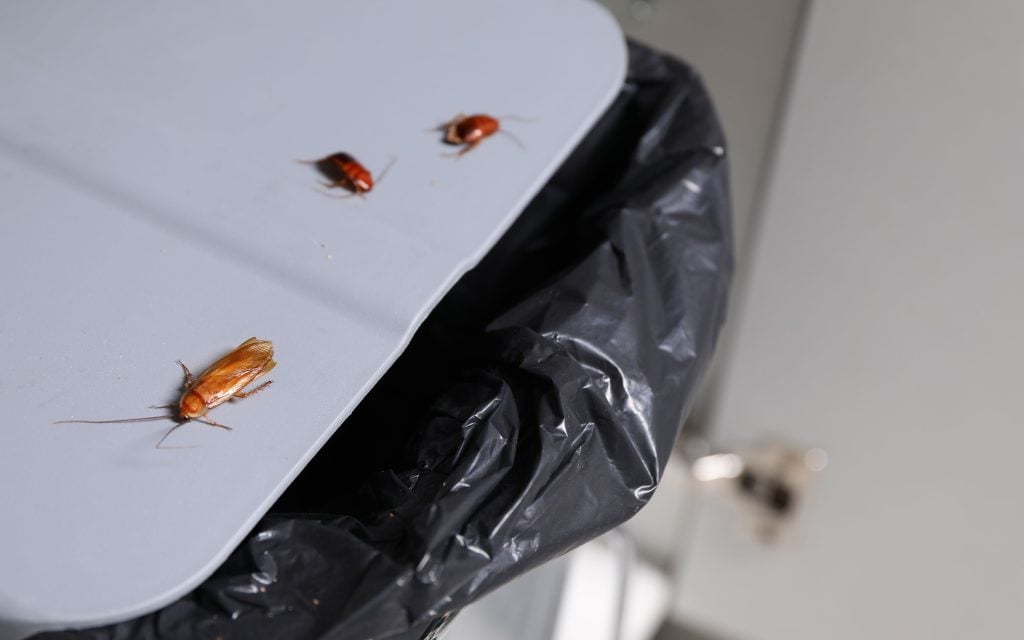
Think you might have cockroaches?
Keep an eye out for these telltale signs. You may notice small, pepper-like droppings in cabinet corners or find oval-shaped egg cases behind appliances. Dark streaks or stains, particularly near water sources, are another common indicator. Also, look for shed skins, which appear as thin, papery exoskeletons. The most obvious sign, of course, is seeing live cockroaches, which are most active at night when the house is quiet.

What You Can Do This Week (So We Can Do Even More)
We handle the heavy lift; you help starve and simplify the site. Together, we’ll beat the lifecycle of a cockroach faster.Do these five things before or during service:
- Clear the food film. Wipe stove sides and the floor gap between stove and cabinet.
- Fix drips. Tighten loose traps or valves under sinks.
- Contain food. Use snap-tight bins for snacks and pet food.
- Thin the cardboard. Recycle extra boxes and bag stacks.
- Make space. Pull small appliances forward so bait can go where roaches live.
Because our routes run across Douglas and El Paso counties daily, scheduling is usually quick; if you’re nearby, you can confirm we cover your neighborhood mid-sentence on our Service Area page while you’re here.
Why OMNIS? Local Homes - Local Bugs
We live here. We treat here. And we keep learning—because Colorado homes have quirks. Dry air but warm motors. Cold winters but snug crawlspaces. Seasonal patterns change how the lifecycle of a cockroach shows up in Castle Rock versus Colorado Springs. Our year-round plans adjust with those patterns, which you can skim mid-sentence on our Quarterly Pest Control page.
Small note: if roaches brought friends (spiders, voles, or wasps), the same team can handle those, too. We keep a deep library, including pages like Spider Removal and Wasp Removal that you can open mid-paragraph as you plan your visit schedule.