
 Pantry Pests
 Pill Bugs
 Ants
Ants Spiders
 Bees
Bees Crickets
 Miller Moths
 Millipedes
 Wasps
Wasps Hornets
 Mice
Mice Voles
Voles Rats
Rats Bats
Bats Birds
Birds Gophers
 Mosquitos*
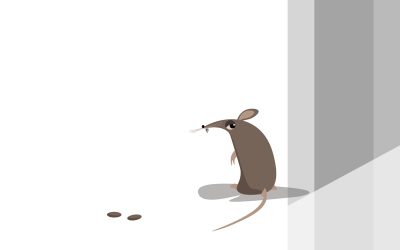 How to Identify Rodent Droppings
 Keep Pests Out of Your Kitchen
 Keep Ants Away
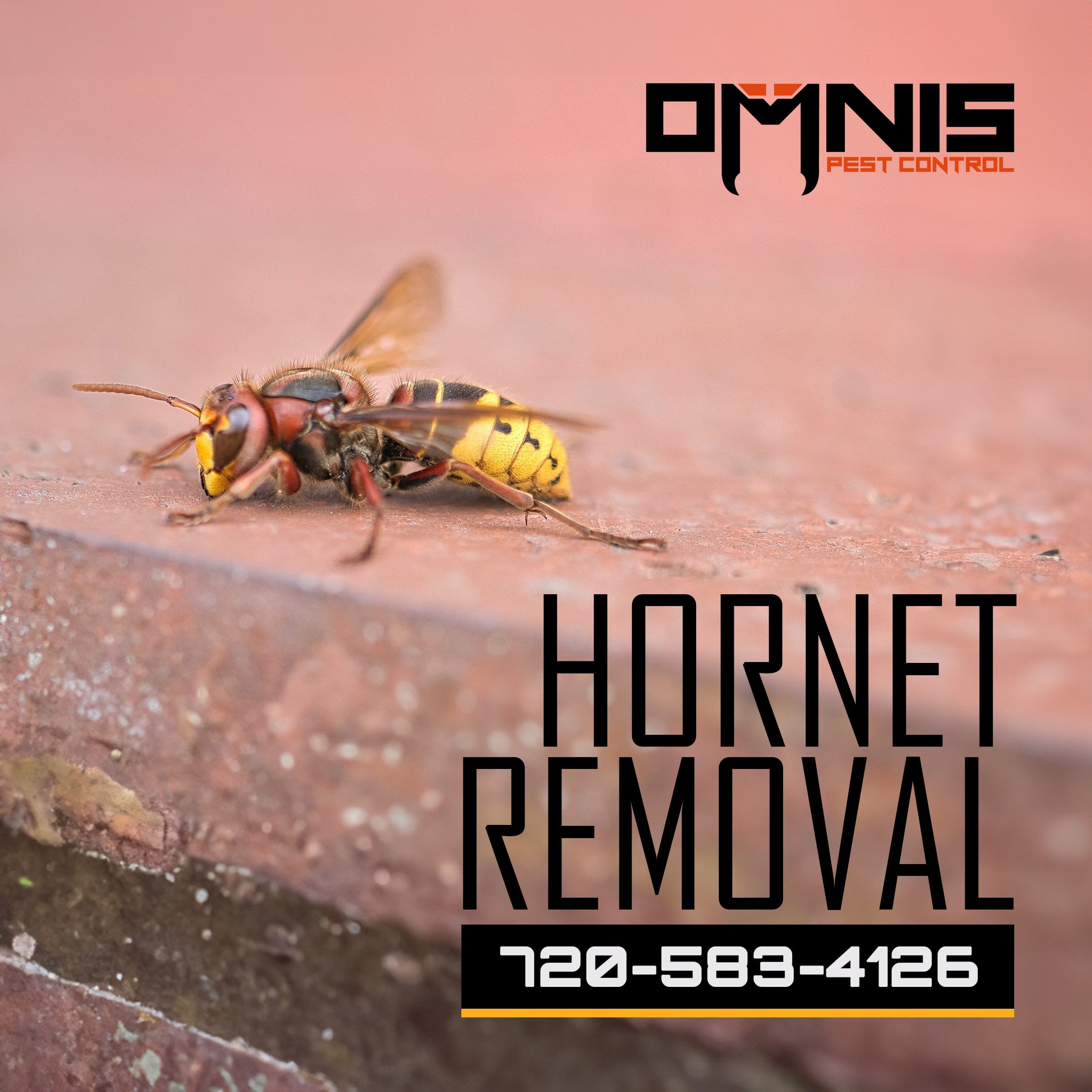
About Hornets: Identification, Biology & Behavior Guide
Hornets are the largest social wasps, feared for their size, painful stings, and aggressive nest defense. Colorado is home to two species commonly called hornets: the European hornet—the only true hornet in North America—and the baldfaced hornet, which is technically a yellowjacket but behaves and looks like a hornet.
This guide covers everything you need to know about hornets in the Front Range: how to identify them, their life cycle, nesting behavior, and when their presence requires professional intervention.
Understanding Hornets: The Basics
Hornets belong to the genus Vespa (true hornets) or Dolichovespula (aerial yellowjackets commonly called hornets). They're part of the family Vespidae, which includes all wasps, yellowjackets, and hornets.
What sets hornets apart from other wasps is their size—hornets are the largest eusocial wasps, with queens reaching up to 1.5 inches in length. They're also distinguished by their colony behavior, nest architecture, and the particularly painful nature of their stings.
Like other social wasps, hornets live in organized colonies with a queen, workers, and males. Colonies are annual—they die each winter, with only newly mated queens surviving to start new colonies the following spring.
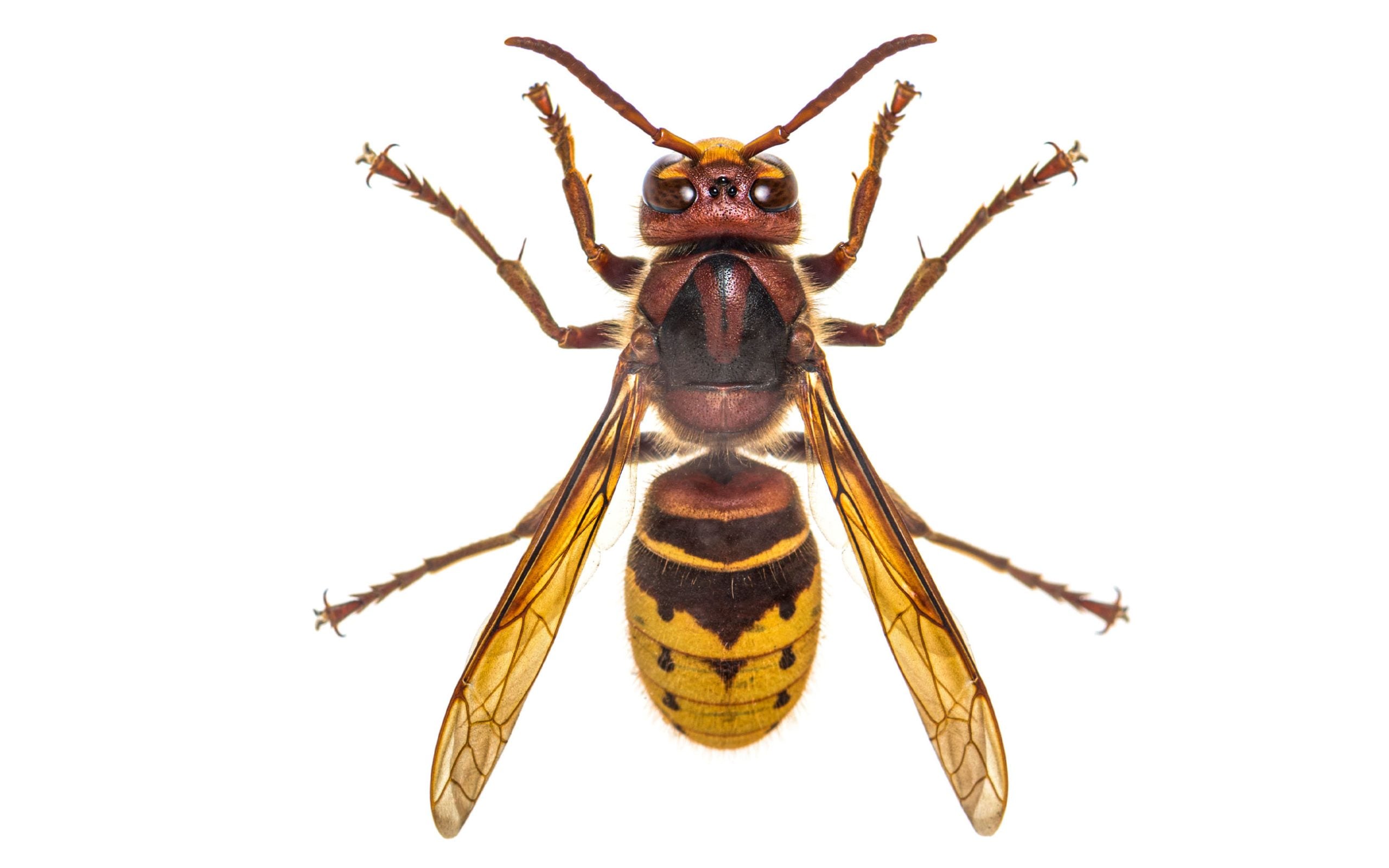
Larger Than Other Wasps
Hornets are significantly larger than yellowjackets and paper wasps. Workers measure 0.75-1.25 inches, while queens can exceed 1.5 inches. This size difference means more venom per sting.
Smooth Stingers
Like all wasps, hornets have smooth, barbless stingers that don't detach after stinging. A single hornet can sting multiple times, making them more dangerous than honeybees in aggressive encounters.
Beneficial Predators
Hornets are voracious hunters that consume large numbers of pest insects including flies, caterpillars, and other wasps. A single colony may eliminate thousands of garden pests over a season.
Annual Colonies
Hornet colonies die each winter. Only newly mated queens survive by hibernating in protected locations. Each spring, surviving queens start entirely new colonies from scratch.
Baldfaced Hornet
Dolichovespula maculata
The baldfaced hornet is the most commonly encountered "hornet" in Colorado. Despite its name, it's technically an aerial yellowjacket—but its large size, distinctive coloring, and aggressive behavior make "hornet" an appropriate common name.
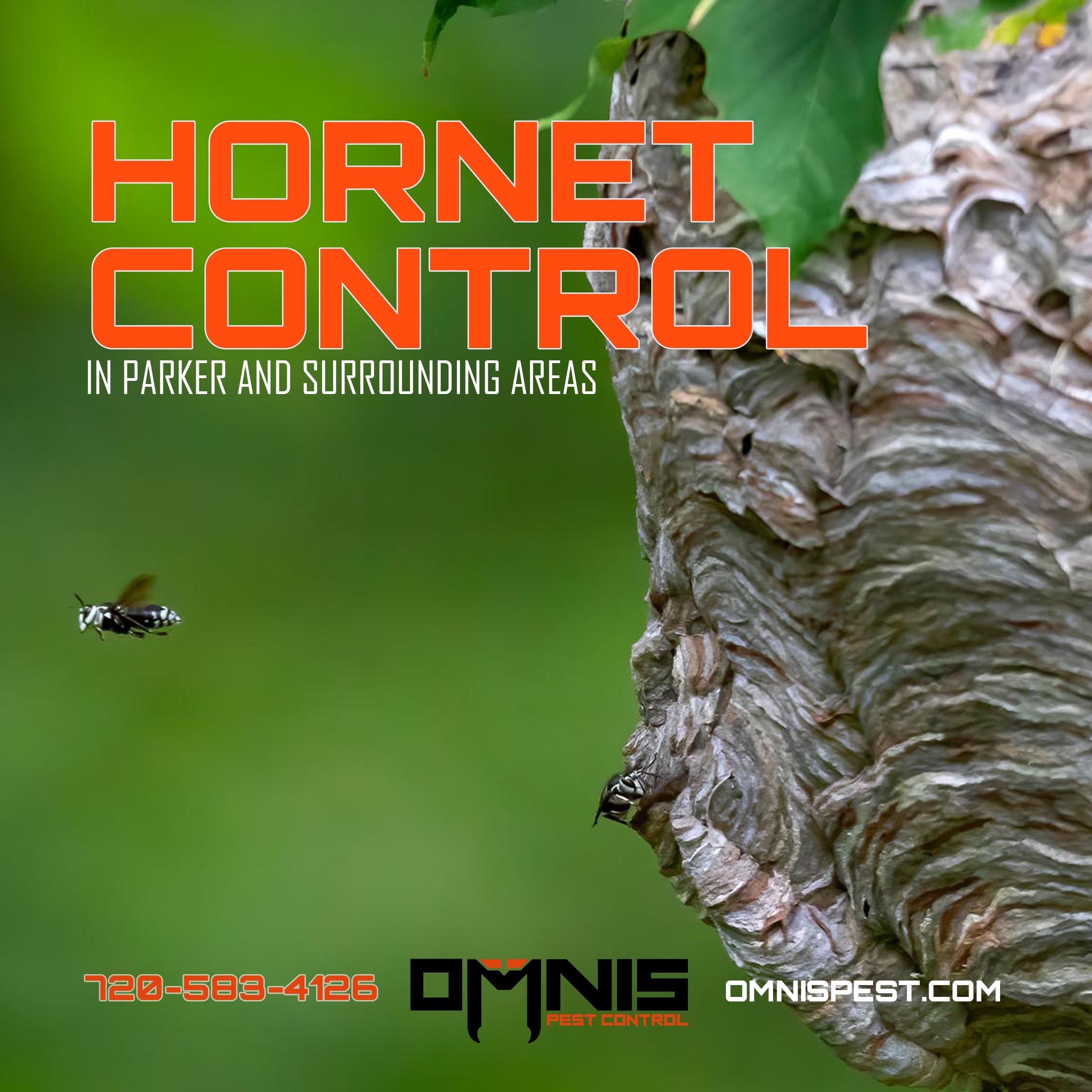


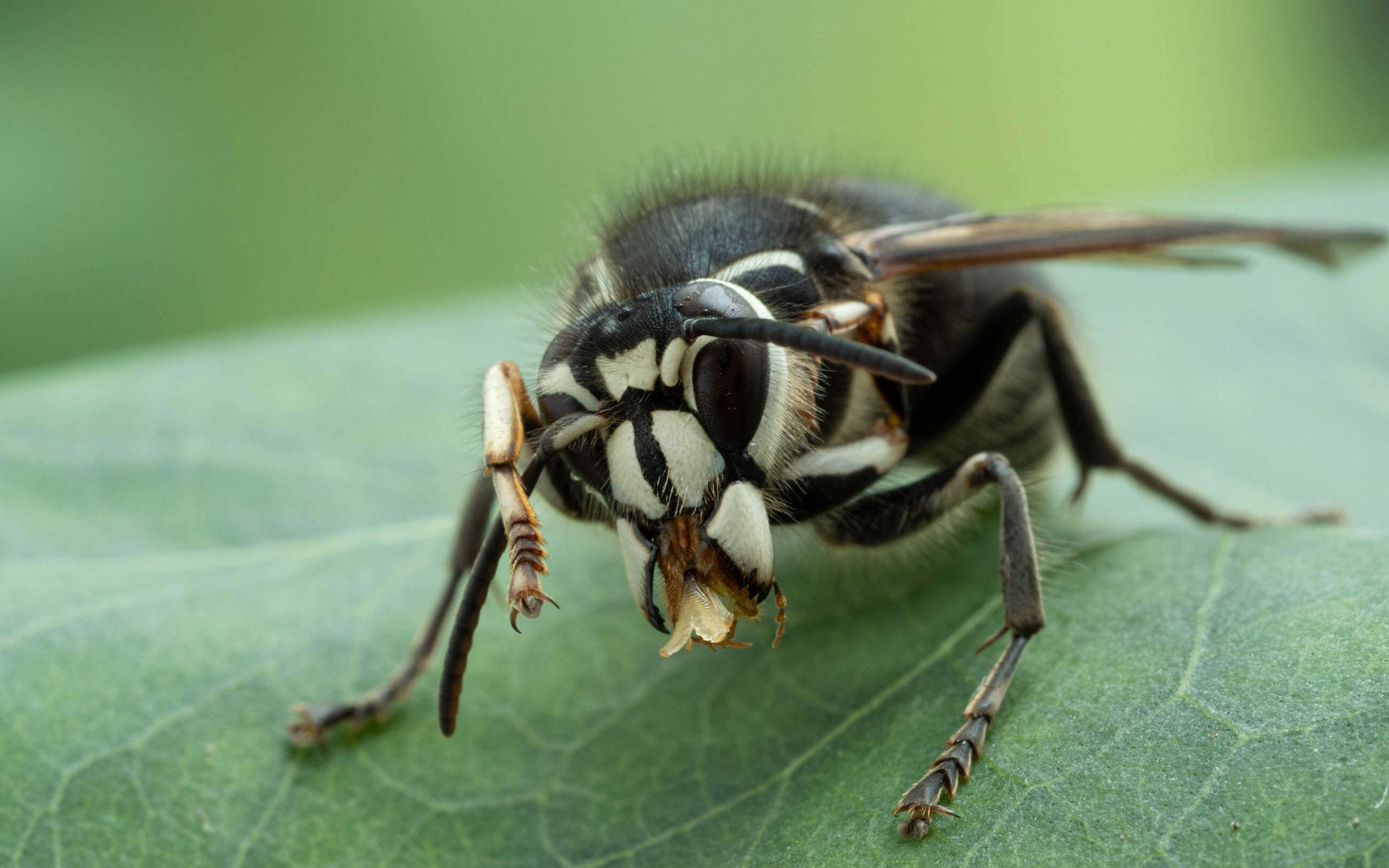
Identification
- Size: Workers 0.5-0.75 inches; queens up to 0.875 inches
- Color: Primarily black with distinctive ivory or white markings on face, thorax, and abdomen
- Face: White or ivory "bald face" pattern (hence the name)
- Body: Robust build, similar shape to yellowjackets but larger
- Distinguishing feature: Black and white coloring (no yellow)
The lack of yellow coloring easily distinguishes baldfaced hornets from yellowjackets and European hornets.
Warning: Baldfaced hornets are extremely aggressive near their nests. They will attack in swarms if they perceive a threat, pursuing intruders for significant distances. Never approach a baldfaced hornet nest without professional protection.
Habitat & Nesting
Baldfaced hornets build the iconic large, enclosed paper nests most people picture when they think of "hornet nests." These nests are:
- Football or teardrop-shaped
- Gray, papery material (chewed wood fibers)
- Single entrance hole at the bottom
- Can reach basketball size or larger
- Typically suspended from tree branches, shrubs, or building eaves
Unlike European hornets, baldfaced hornets rarely nest inside structures—their nests are almost always aerial and exposed.
Behavior
Baldfaced hornets are active during the day, hunting insects to feed their larvae. They're beneficial predators, consuming flies, yellowjackets, and other pest insects. Away from their nest, they're relatively non-aggressive. Near their nest, however, they're among the most aggressive stinging insects in North America.
European Hornet
Vespa crabro
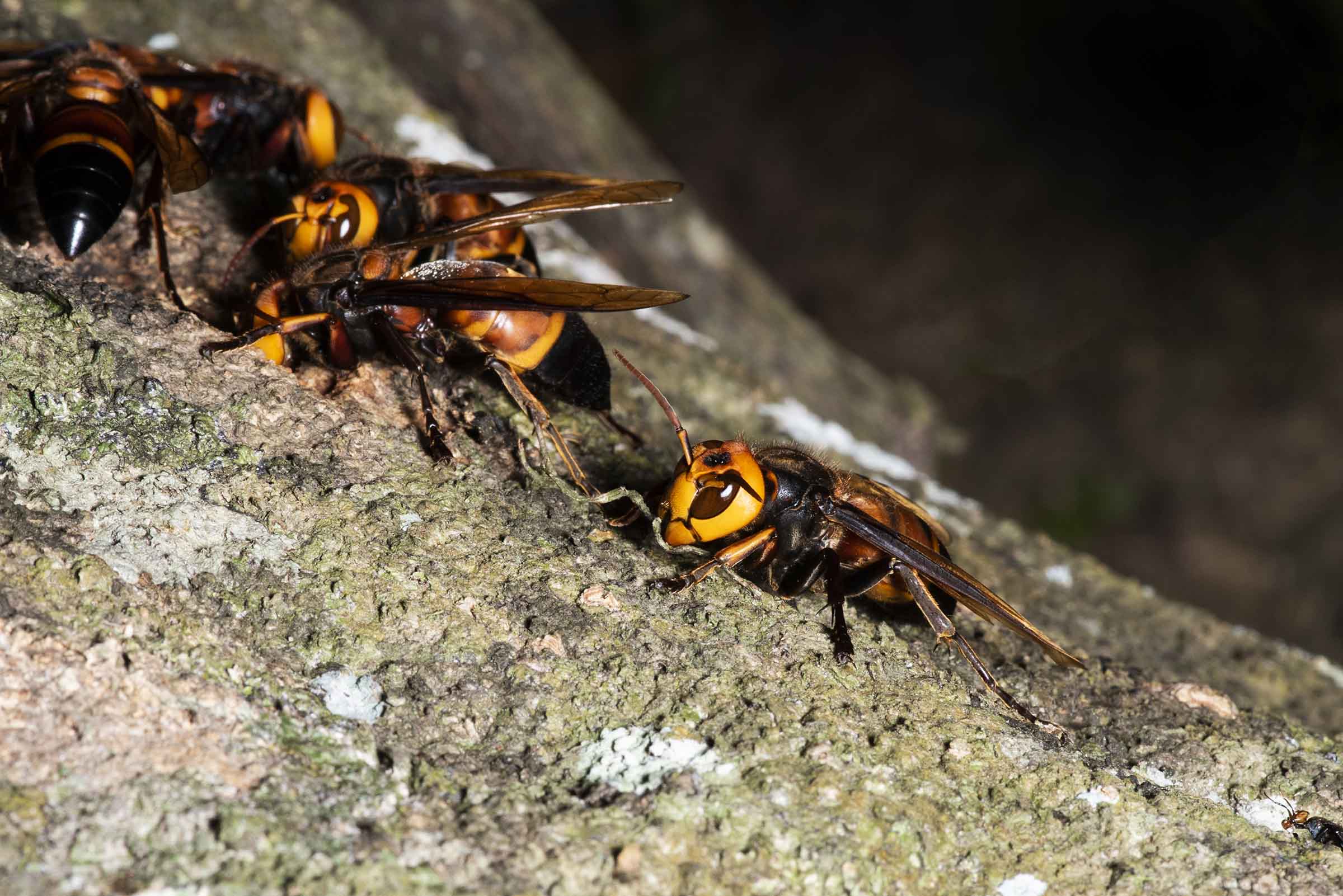
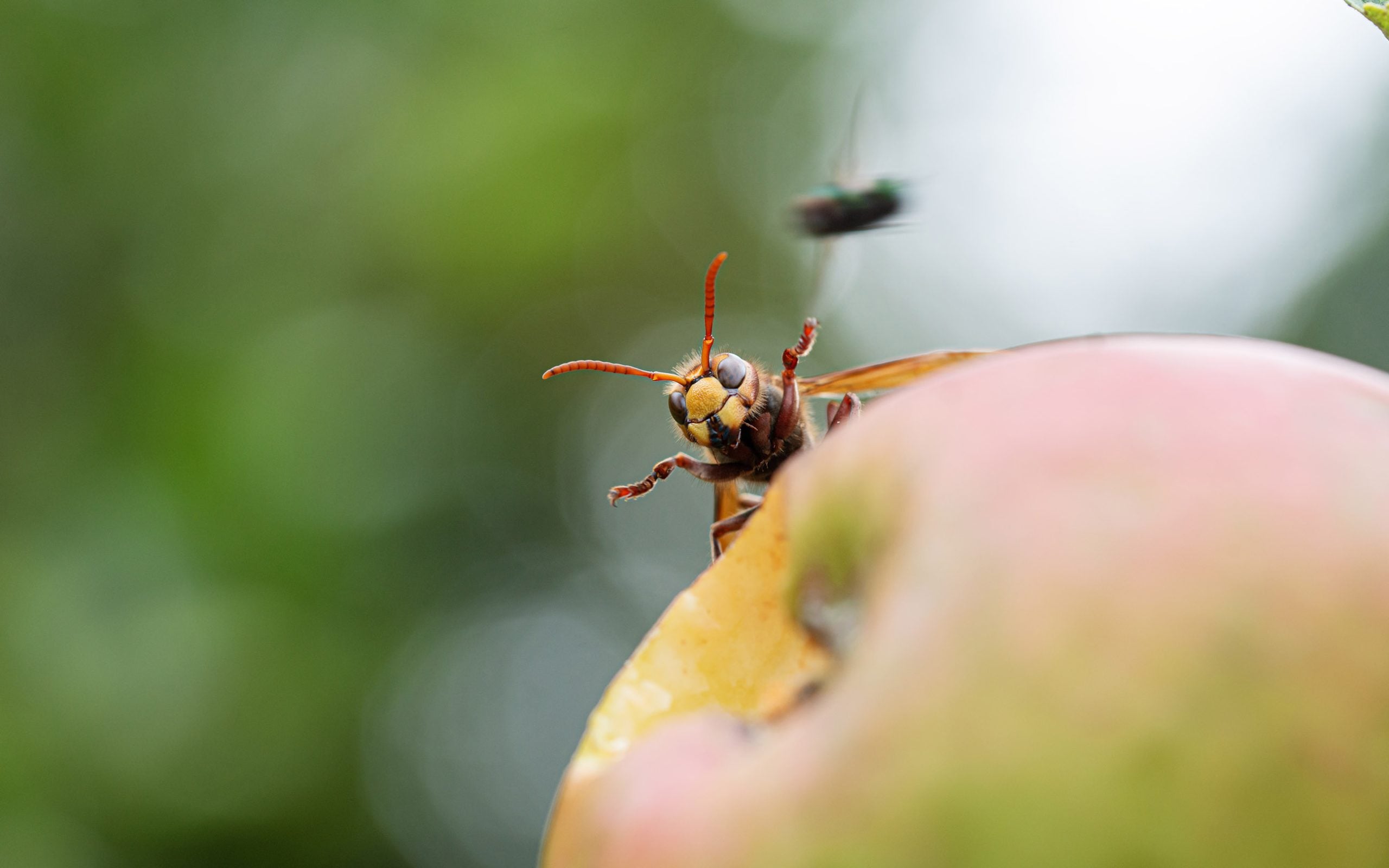
The European hornet is the only true hornet species established in North America. Introduced from Europe in the 1800s, it has spread throughout the eastern United States and into Colorado. It's also the only wasp in North America that is active at night.
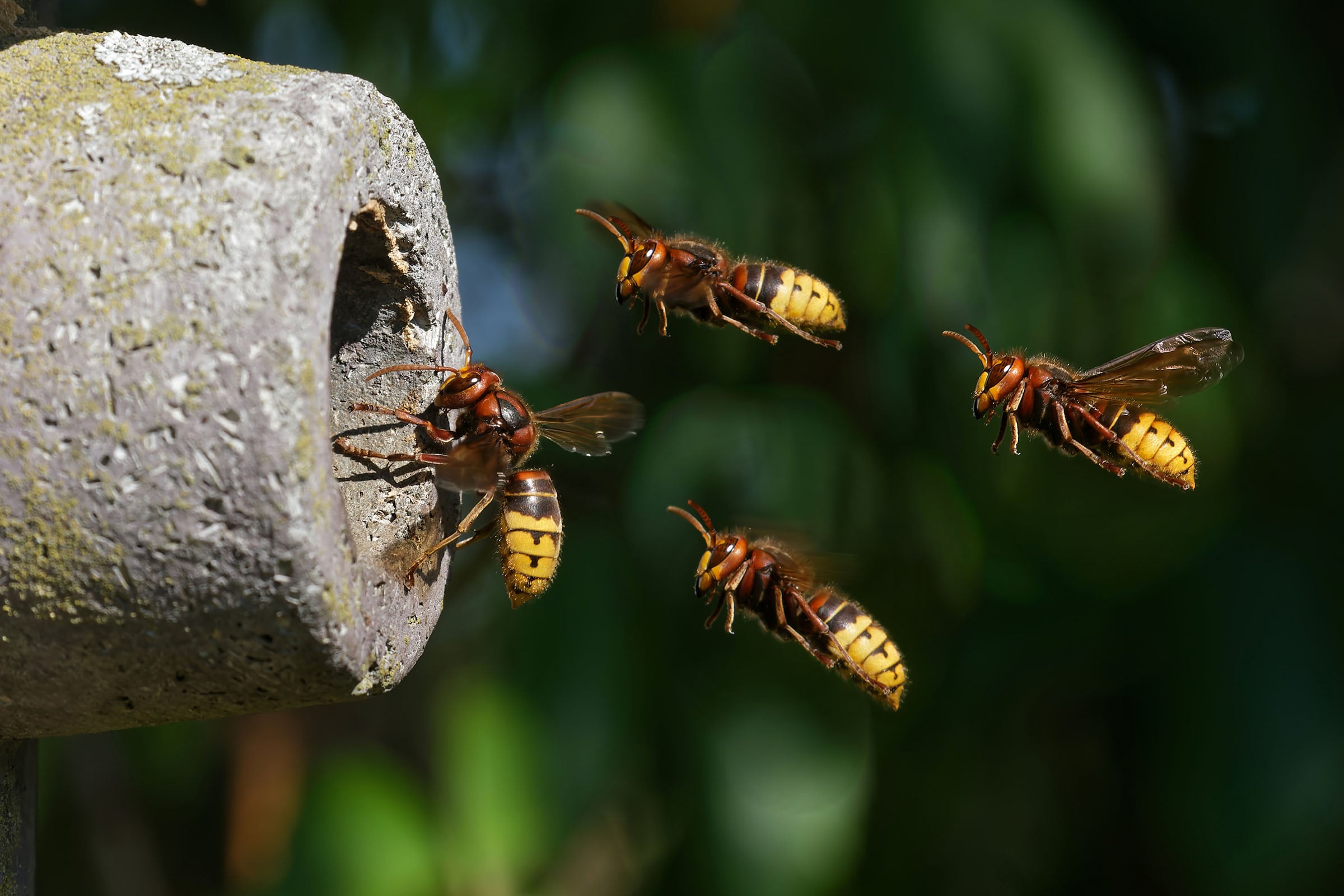
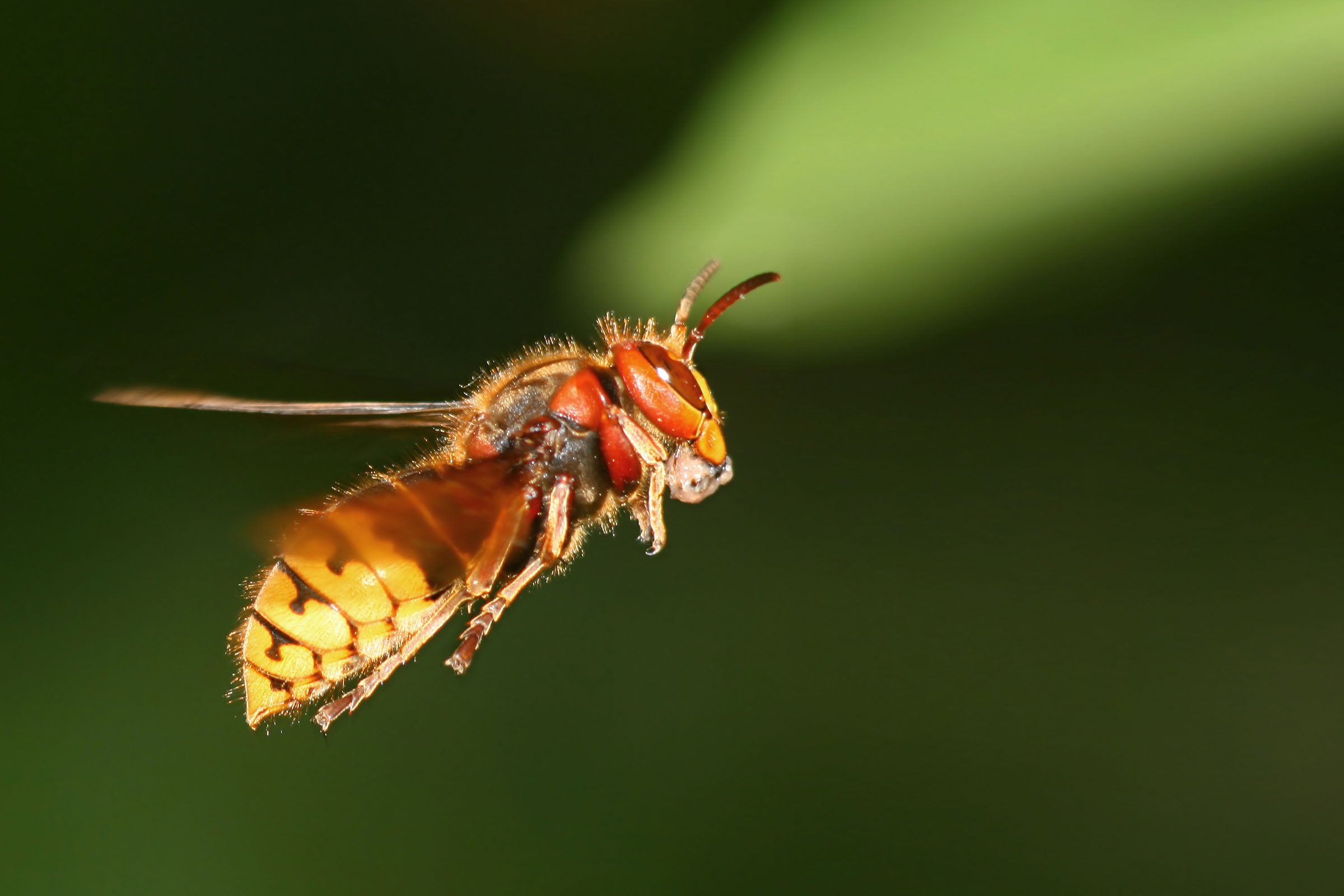
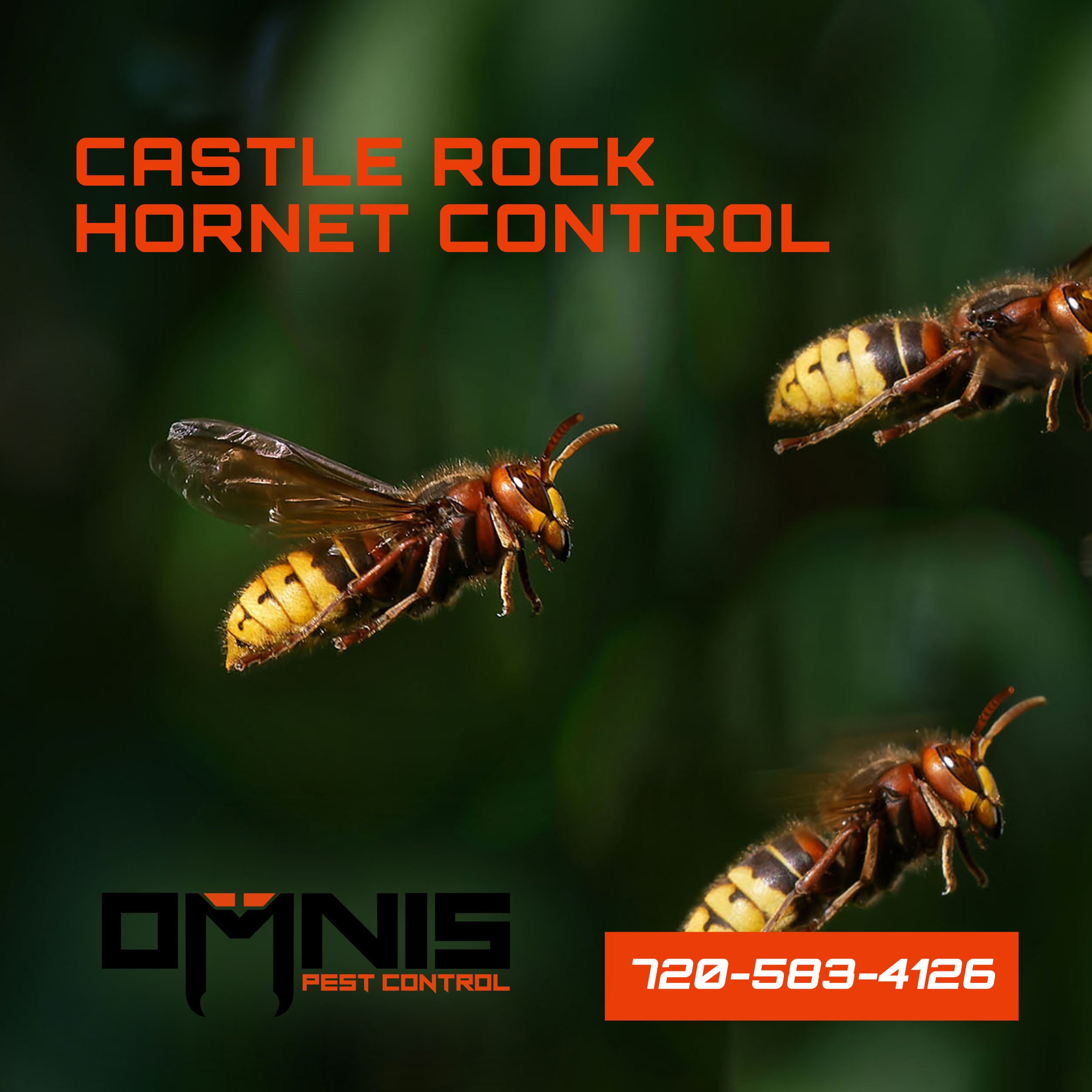
European Hornet Identification
- Size: Workers 0.75-1 inch; queens up to 1.5 inches (largest wasp in North America)
- Color: Reddish-brown head and thorax with yellow and brown-banded abdomen
- Body: Robust, hairy appearance compared to sleeker yellowjackets
- Eyes: Deeply notched, C-shaped eyes
- Wings: Reddish-orange tinted
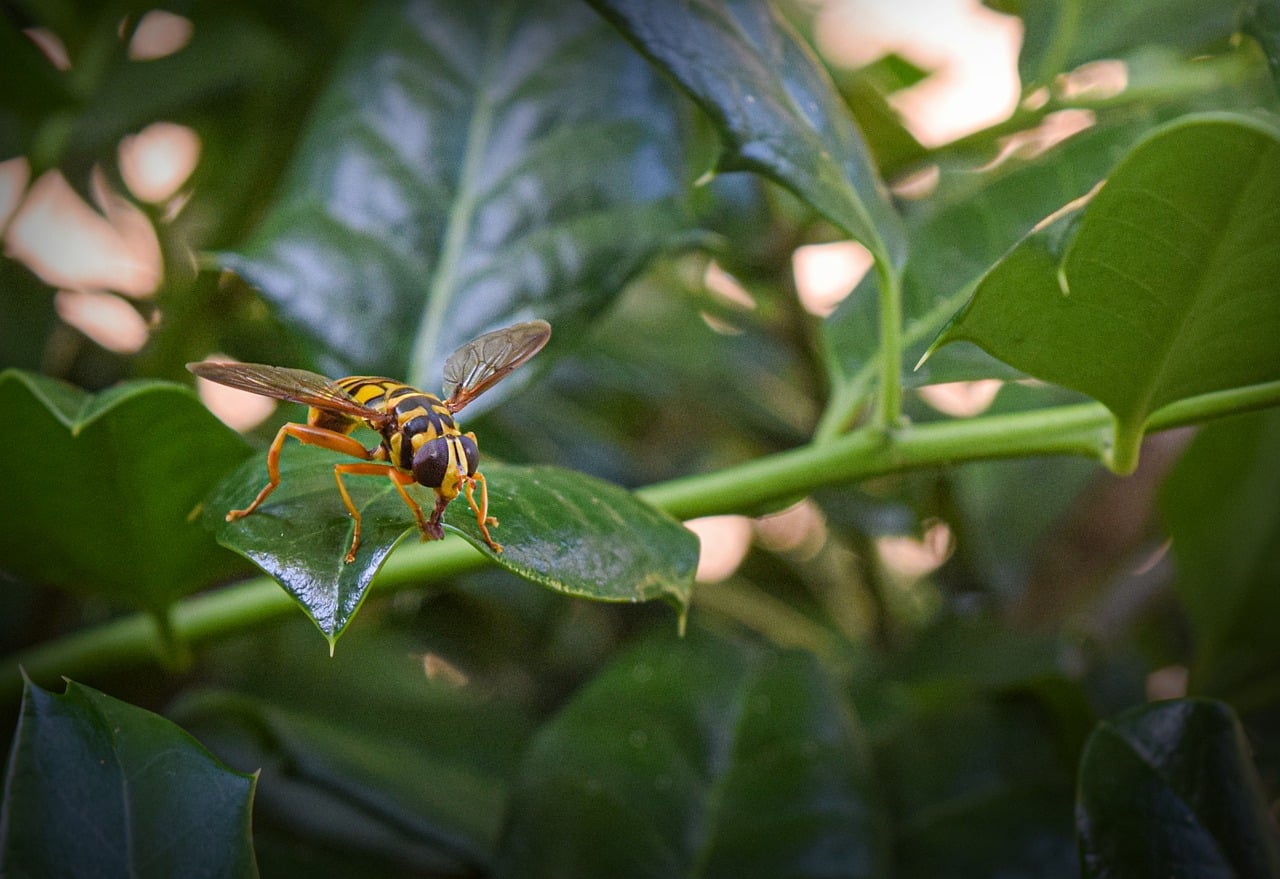
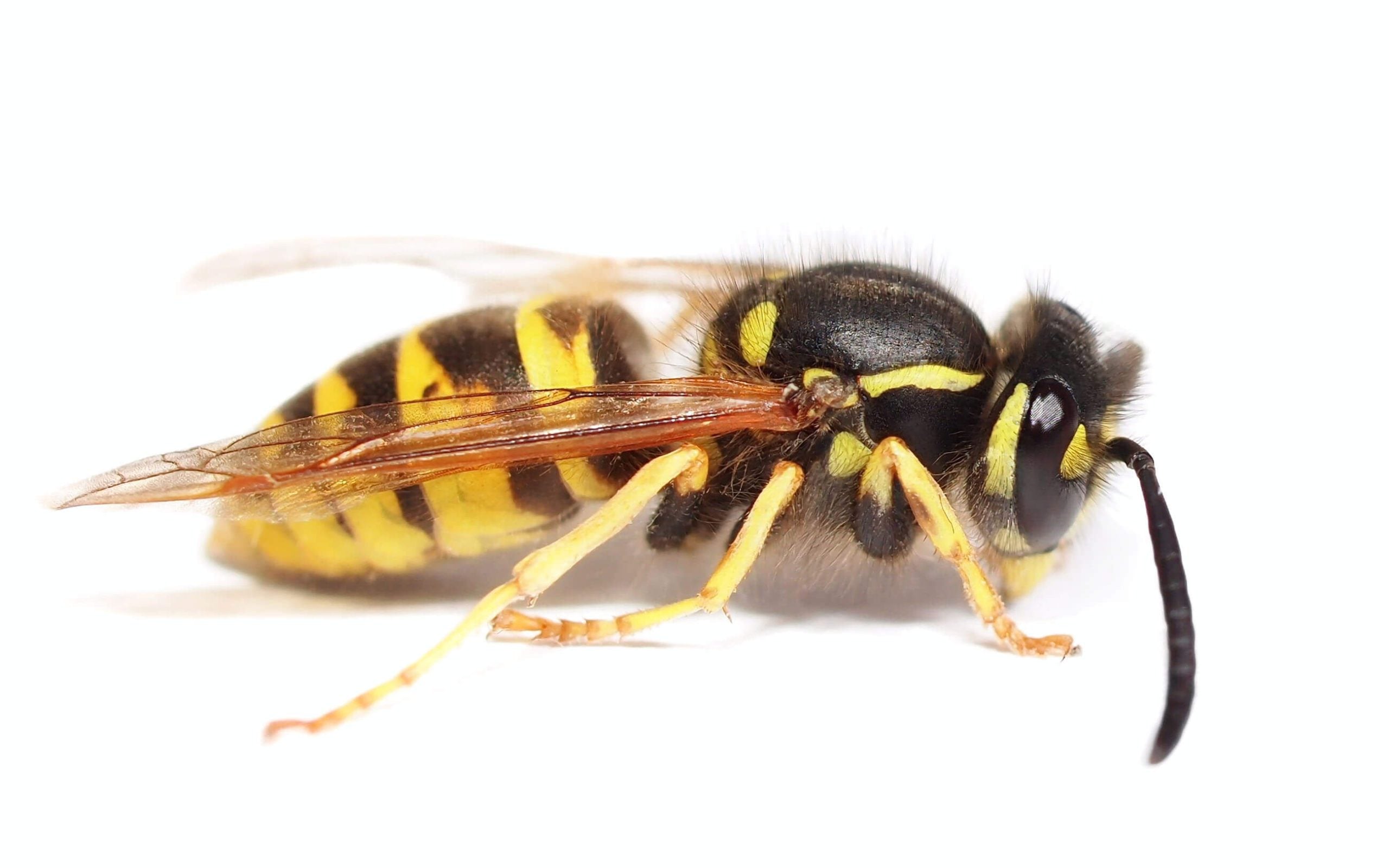
European hornets are sometimes mistaken for yellowjackets but are significantly larger with more brown/red coloring rather than bright yellow.
Unique Danger: European hornets are the only North American wasps that fly at night. They're strongly attracted to lights and may enter homes through open windows after dark. Finding a large wasp in your home at night almost certainly means European hornets.
Habitat & Nesting
Unlike baldfaced hornets, European hornets prefer cavity nests rather than exposed aerial structures. Common nesting locations include:
- Tree hollows and cavities
- Wall voids (accessed through gaps in siding)
- Attics and soffits
- Abandoned bee hives
- Barns and outbuildings
Their nests are built inside these cavities using the same papery material as other hornets, but you typically won't see the nest itself—just hornets entering and exiting the cavity entrance.
Behavior
European hornets hunt other insects, including large prey like grasshoppers, dragonflies, and other wasps. They'll also strip bark from trees (which can damage ornamental plants) and are attracted to tree sap, ripe fruit, and honeydew.
They're generally less aggressive than baldfaced hornets when foraging but will vigorously defend their nest. Their stings are particularly painful due to the volume of venom delivered by their larger size.
Hornets vs. Wasps vs. Bees
People often confuse hornets with other stinging insects. Understanding the differences between bees and wasps helps you identify what you're dealing with. See also our guide to types of bees and wasps in Colorado.
Quick Comparison
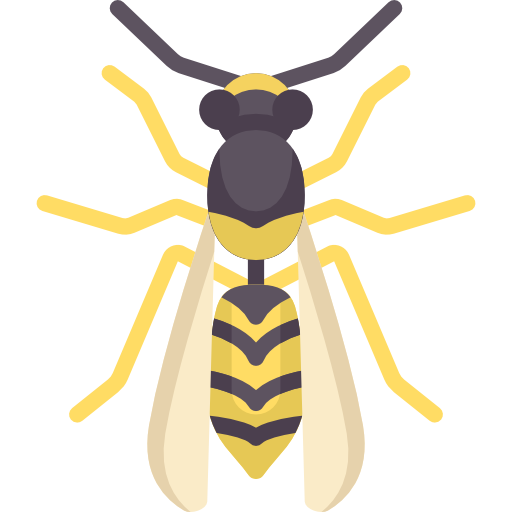
Hornets
Largest social wasps (0.75-1.5"). Robust body, smooth stinger. Build large enclosed nests or nest in cavities. Less aggressive when foraging, very aggressive near nest.
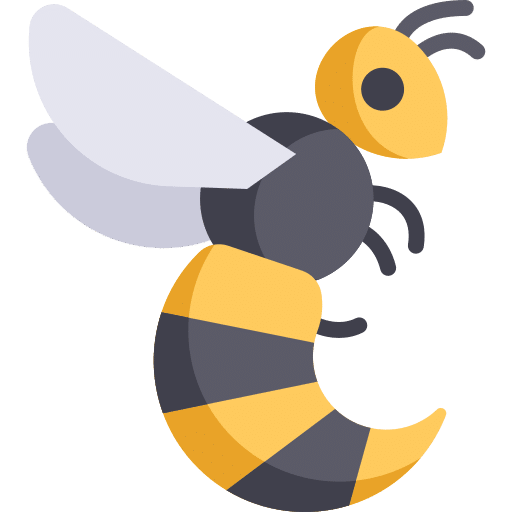
Yellowjackets
Medium-sized (0.5"). Bright yellow and black. Usually nest underground. Highly aggressive, especially in late summer. Attracted to human food.
Wasps
Slender body with thin waist. Open umbrella-shaped nests under eaves. Generally docile unless nest is directly threatened.
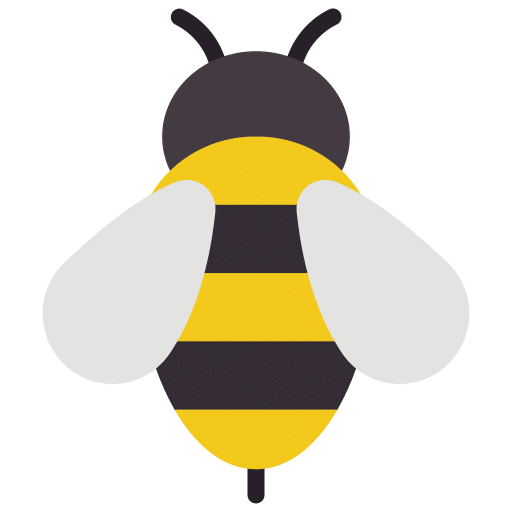
Bees
Bees are typically rounder and hairier than wasps and hornets, making them great pollinators. Unlike wasps and hornets, which can be aggressive and sting multiple times, most bees are docile and can only sting once.
For more on what makes bees and wasps different, see Are Bees and Wasps Related?
Hornet Life Cycle & Colony Development
Understanding the hornet life cycle explains why nests grow increasingly dangerous as summer progresses and why early intervention is easier than late-season removal.
Spring: Queen Emergence (April-May)
Overwintered queens emerge from hibernation in protected locations (under bark, in leaf litter, inside buildings). Each queen is the sole survivor of last year's colony and must start a new colony alone.
The queen selects a nest site, builds the initial paper cells, lays her first eggs, and raises the first generation of workers without help. She hunts insects, feeds larvae, and defends the small nest by herself.
Early Summer: Colony Establishment (June-July)
Once the first workers emerge, they take over foraging, nest construction, and colony defense. The queen becomes an egg-laying specialist. The colony grows steadily as more workers hatch and begin contributing.
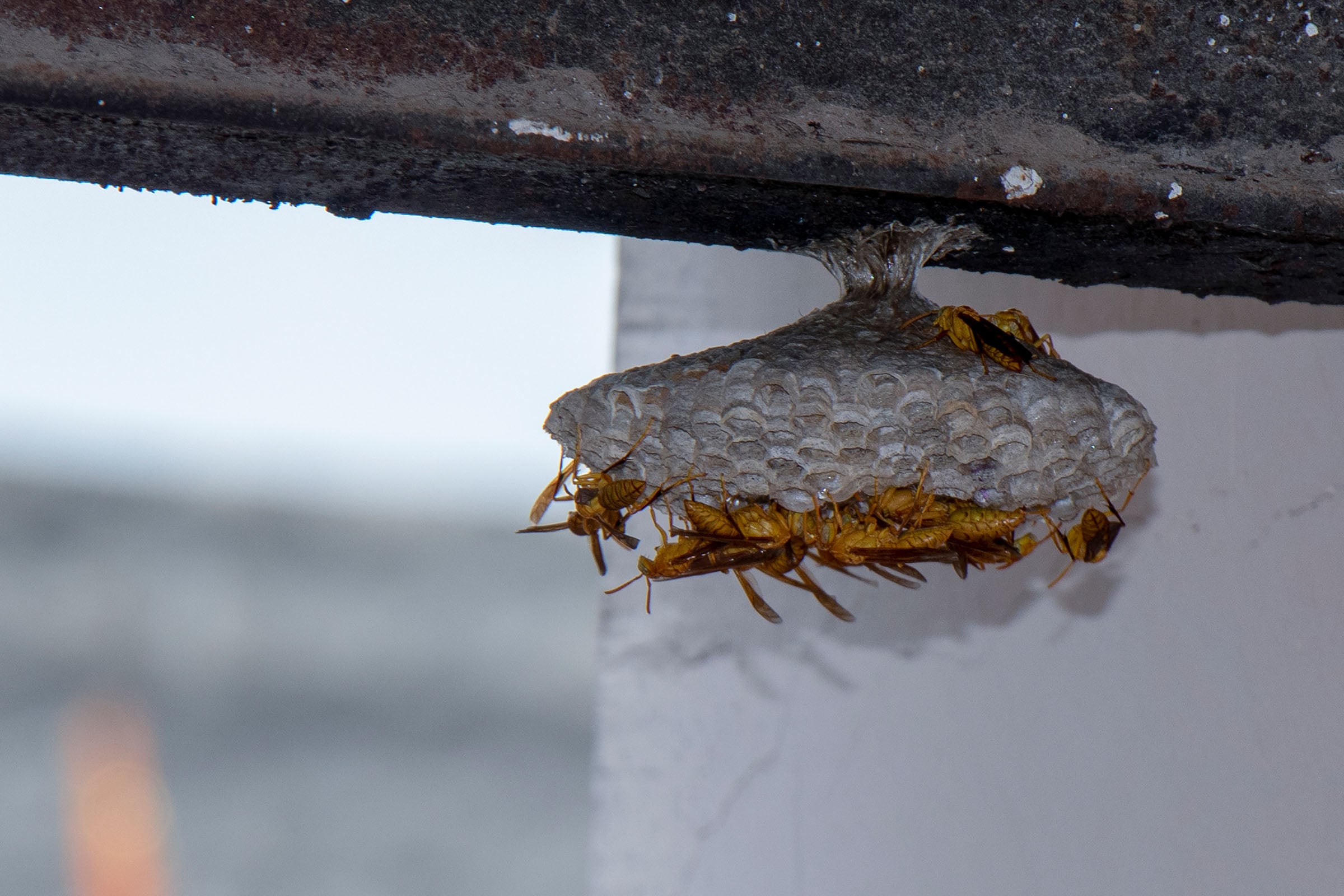
Late Summer: Peak Population (August-September)
Colonies reach maximum size—400-700 workers for most species. The queen produces new queens and males for mating. Nest defense intensifies as the colony protects its reproductive investment. This is the most dangerous time to encounter a hornet nest.
Fall: Mating & Colony Death (October-November)
New queens and males leave the nest to mate. Mated queens seek hibernation sites for winter. The old queen, all workers, and males die with the first hard frost. The nest is never reused.
Early Detection Matters: A small nest found in June contains few workers and is relatively easy to treat. The same nest in September may house hundreds of aggressive defenders. If you notice hornet activity in spring or early summer, address it immediately.
Hornet Nesting Behavior
Hornets build two distinct types of nests depending on species. Understanding nest types helps you identify what you're dealing with and informs the removal approach. For comparisons, see different types of wasp nests.
Aerial Nests (Baldfaced Hornets)
Baldfaced hornets construct large, enclosed paper nests suspended in open air. These are the distinctive "hornet nests" most people recognize:
- Shape: Football or teardrop-shaped
- Material: Gray, papery layers (chewed wood fibers mixed with saliva)
- Structure: Multiple internal combs surrounded by protective outer envelope
- Entrance: Single hole at the bottom
- Size: Basketball-sized or larger by late summer
Common locations: Tree branches, shrubs, under eaves, porch ceilings, deck railings, playground equipment
Cavity Nests (European Hornets)
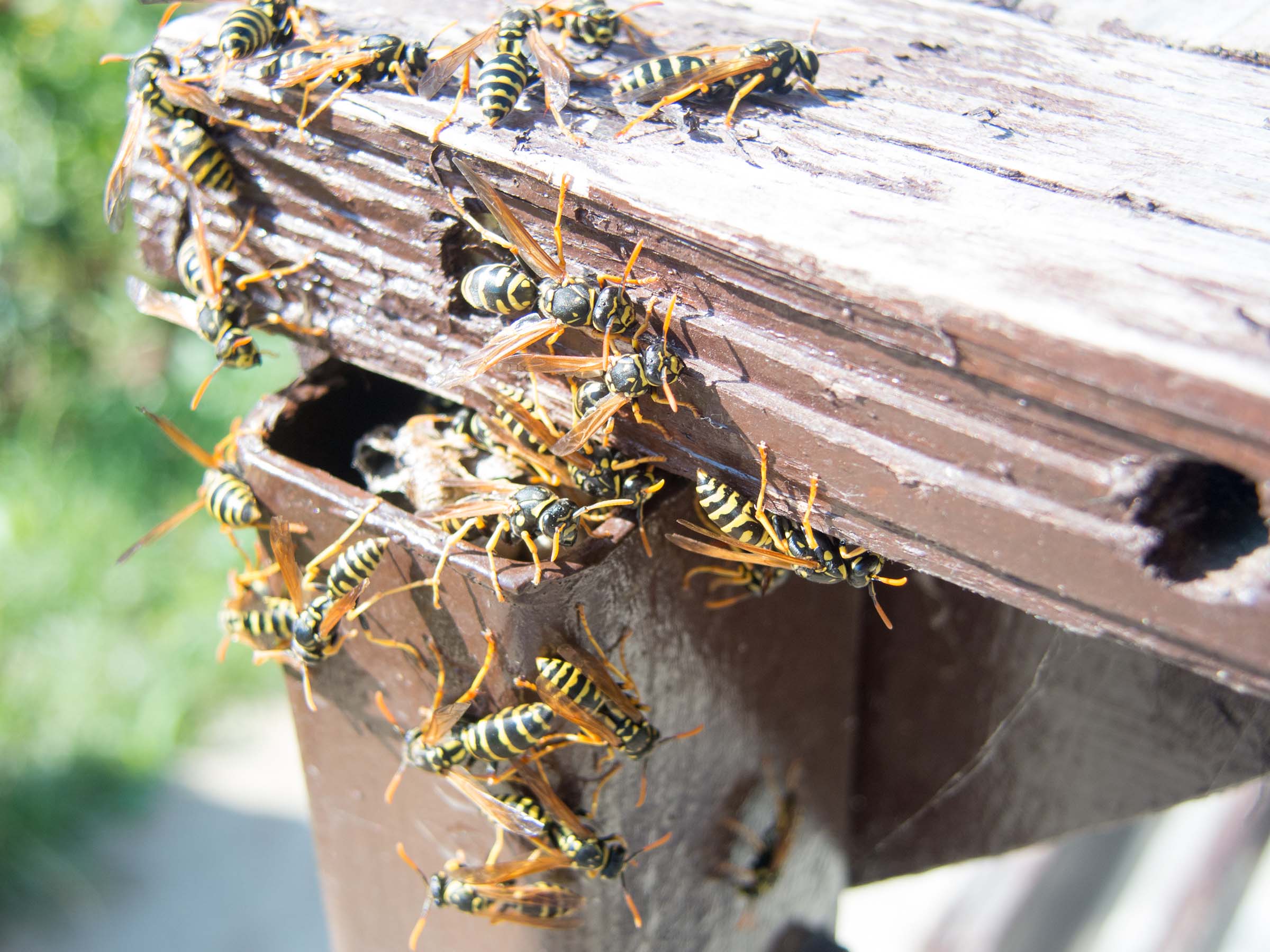
European hornets prefer enclosed cavities rather than building exposed nests. Their nests are hidden inside:
- Tree hollows
- Wall voids (behind siding)
- Attics and soffits
- Barns and sheds
- Abandoned bee hives
- Underground cavities (occasionally)
You typically won't see a European hornet nest—just hornets entering and exiting a hole or gap. This makes them harder to detect but also means the nest is protected from weather, allowing larger colony development.
Hornet Diet & Hunting Behavior
Hornets are predatory wasps that play important roles in controlling pest insect populations. Their diet varies between adults and larvae.
Adult Hornet Diet
Adult hornets primarily consume carbohydrates for energy:
- Flower nectar
- Tree sap
- Ripe and fermenting fruit
- Honeydew (secreted by aphids)
European hornets are particularly attracted to tree sap and may girdle branches while feeding, causing damage to ornamental trees. Both species are attracted to outdoor food and drinks, though less aggressively than yellowjackets.
Larval Diet & Predatory Hunting
Hornet larvae require protein for development. Workers hunt live prey, killing and processing insects to feed developing young. Common prey includes:
- Flies and mosquitoes
- Caterpillars and moth larvae
- Grasshoppers and crickets
- Other wasps and yellowjackets
- Dragonflies (European hornets)
- Honeybees (European hornets—problematic for beekeepers)
A single colony may consume thousands of pest insects over a season, making hornets ecologically valuable—when they're not too close to human activity.
For more on hornets' role in gardens, see The Impact of Bees and Wasps on Your Garden.
Hornet
Pest Threat Level
7/10
Hornet Stings & Health Risks
Hornet stings are notably more painful than bee or yellowjacket stings due to the larger volume of venom delivered. The venom composition is similar to other wasp venoms but is injected in greater quantity.
Venom Effects
Hornet venom contains:
- Acetylcholine: Causes intense immediate pain (hornet venom has more than bee venom)
- Histamine: Triggers inflammatory response
- Phospholipases: Damage cell membranes
- Wasp kinin: Causes pain and blood vessel dilation
The combination creates immediate burning pain followed by significant swelling that may persist for several days.
Normal Reactions
Most healthy adults experience localized reactions: intense burning pain, swelling around the sting site (may spread several inches), redness and heat, and itching lasting 3-7 days.
Severe Allergic Reactions
Some individuals develop systemic allergic reactions (anaphylaxis) requiring emergency medical care. Warning signs include:
- Swelling of face, lips, tongue, or throat
- Difficulty breathing or swallowing
- Hives spreading beyond the sting site
- Dizziness, confusion, or fainting
- Rapid heartbeat, drop in blood pressure
- Nausea, vomiting, or abdominal cramps
Call 911 immediately if these symptoms occur. Allergies can develop suddenly—even if previous stings caused no problems.
Multiple Sting Danger
Because hornets attack in swarms when their nest is threatened, multiple stings are common. Even without allergy, receiving many stings (10+) can cause systemic toxicity from the cumulative venom load. Seek medical attention for multiple stings.
Learn prevention strategies: How to Protect Against Bee and Wasp Stings.
When to Call a Professional
While individual foraging hornets can often be avoided, established nests near human activity require professional intervention. DIY removal is dangerous and frequently unsuccessful.
Call OMNIS Pest Control When:
- You've found a hornet nest on your property
- Hornets are entering your home (especially at night)
- A nest is near play areas, patios, or walkways
- Someone in your household has a sting allergy
- The nest is large or in a difficult location
- You've been stung near your property
Professional hornet removal eliminates the entire colony safely and prevents the dangerous partial-treatment scenarios that can make colonies more aggressive. Our technicians use specialized equipment and protective gear designed for hornet work.
With 13+ years serving Castle Rock, Parker, and Douglas County, we've safely removed countless hornet nests from homes throughout the Front Range.
Reducing Hornet Encounters
While you can't completely prevent hornets from visiting your property, you can reduce the likelihood of nest establishment and minimize dangerous encounters. Learn more: Why Are Bees and Wasps Attracted to My House?
Remove Food Attractants
Pick up fallen fruit, keep garbage sealed, cover food at outdoor events, and clean up sweet spills immediately. European hornets are attracted to lights at night—consider yellow "bug lights" near entries.
Seal Entry Points
European hornets nest in cavities. Seal gaps in siding, soffits, and rooflines. Cover attic vents with fine mesh. Fill tree hollows near your home if feasible.
Monitor in Spring
Watch for queen hornets in April-May. Early detection and removal of small nests is far easier and safer than late-summer removal of established colonies.
Give Nests Wide Berth
If you discover a nest, don't approach it. Maintain at least 10 feet distance and call a professional. Baldfaced hornets in particular attack with little provocation.
Stay Calm Around Foragers
Individual hornets away from nests are generally not aggressive. Don't swat at them—stay calm and move away slowly. Swatting releases alarm pheromones that may attract others.
Schedule Quarterly Service
Regular pest control inspections catch developing nests early. Perimeter treatments deter nest establishment near your home. Prevention costs less than emergency removal.
The Ecological Value of Hornets
Despite their fearsome reputation, hornets play important roles in Colorado ecosystems. Understanding their benefits helps explain why targeted control near human activity—rather than broad eradication—is the appropriate approach.
Pest Control
Hornets are voracious predators that consume thousands of pest insects per colony per season. They hunt flies, caterpillars, grasshoppers, and even other wasps. For gardens and agriculture away from human activity, hornets provide valuable pest control services.
Pollination
While not as effective as bees, adult hornets visit flowers for nectar and transfer some pollen in the process. They're secondary pollinators that contribute to flower reproduction, particularly for late-summer and fall blooms.
Food Web
Hornets themselves are prey for birds, bears, badgers, and other predators. They're part of the broader food web, and their hunting pressure helps regulate insect populations in natural areas.
Expert Hornet Control in Castle Rock
Hornets can be aggressive, and their stings are painful and dangerous, especially for those with allergies. When you find a hornet nest on your property, it's crucial to handle it safely and effectively. For any hornet problem you're facing, OMNIS Pest Control is here to help.
We've served Castle Rock, Parker, and Douglas County for over 13 years, removing dangerous hornet nests from hundreds of homes. Our technicians can safely identify the species, locate the nest, and implement a targeted treatment plan to eliminate the colony and help prevent them from rebuilding.
Don't risk getting stung. Call 720-583-4126 or contact us online to schedule your hornet inspection.
More Pest Protection.
More Peace of Mind.
Other Bee & Wasp-Related Blogs
Bees Role in Our Ecosystem

Black Wasps in Colorado

Why Are Bees And Wasps Attracted To My House?
