
 Pantry Pests
 Pill Bugs
 Ants
Ants Spiders
 Bees
Bees Crickets
 Miller Moths
 Millipedes
 Wasps
Wasps Hornets
 Mice
Mice Voles
Voles Rats
Rats Bats
Bats Birds
Birds Gophers
 Mosquitos*
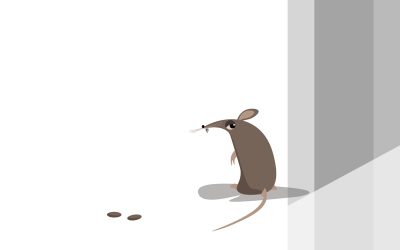 How to Identify Rodent Droppings
 Keep Pests Out of Your Kitchen
 Keep Ants Away
About Birds in Colorado
Colorado hosts nearly 500 bird species, from tiny hummingbirds to large raptors. While most are welcome additions to our backyards, several species regularly come into conflict with homeowners and businesses.
This guide covers the bird species most commonly encountered as pests in Castle Rock, Parker, and the Denver Front Range. Learn to identify problem birds, understand their behavior, and know when professional intervention is needed.
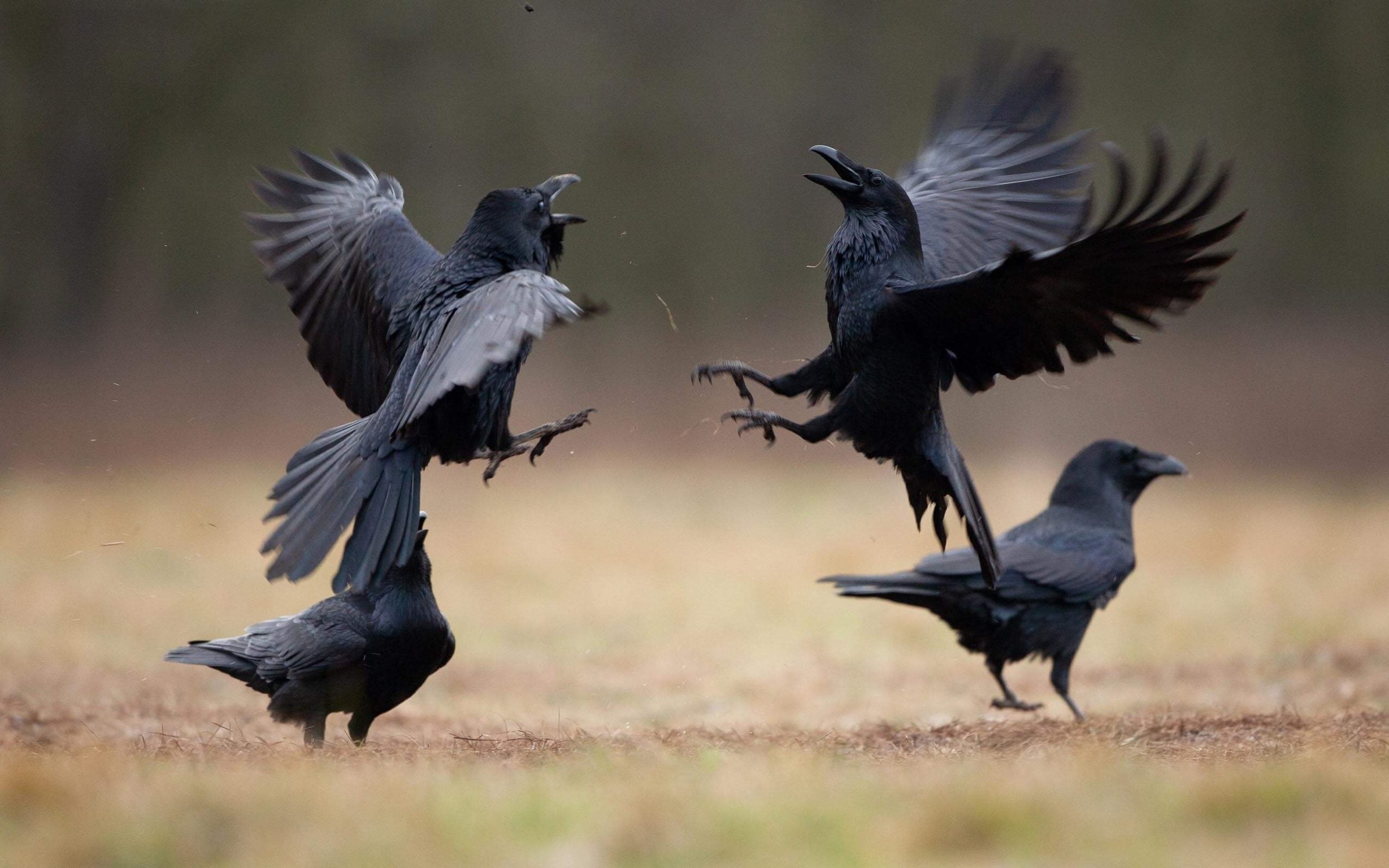
Common Nuisance Birds in Colorado
Understanding what you are dealing with is the first step toward solving bird problems. Below are the species most frequently causing issues for Colorado homeowners.
Woodpeckers
Pest Threat Level: 7/10
Why This Threat Level: Woodpeckers cause significant structural damage to homes, drilling holes in siding, fascia, and trim.
They are protected under federal law, making removal complicated. Northern Flickers are especially destructive to Colorado properties.
Identification
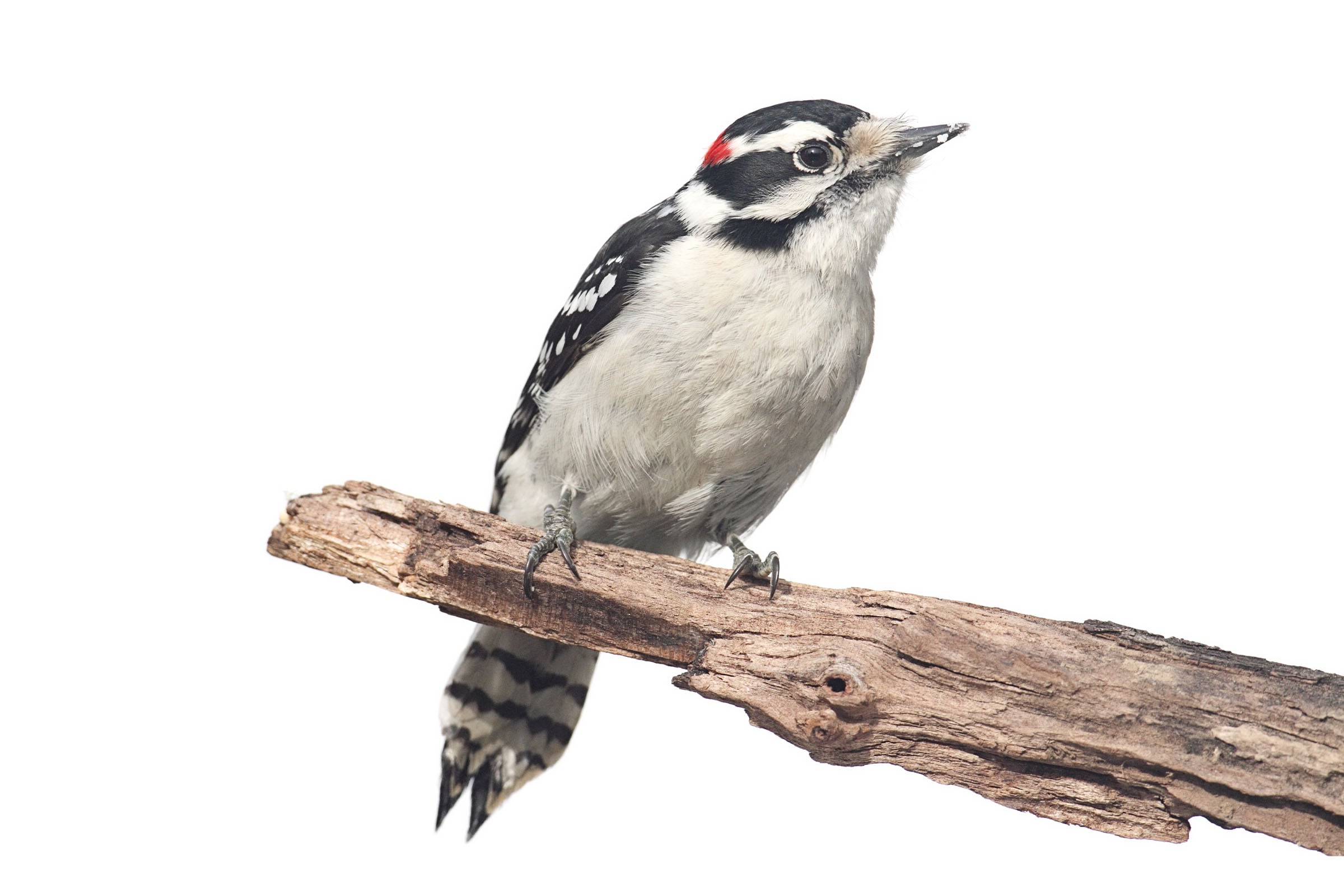
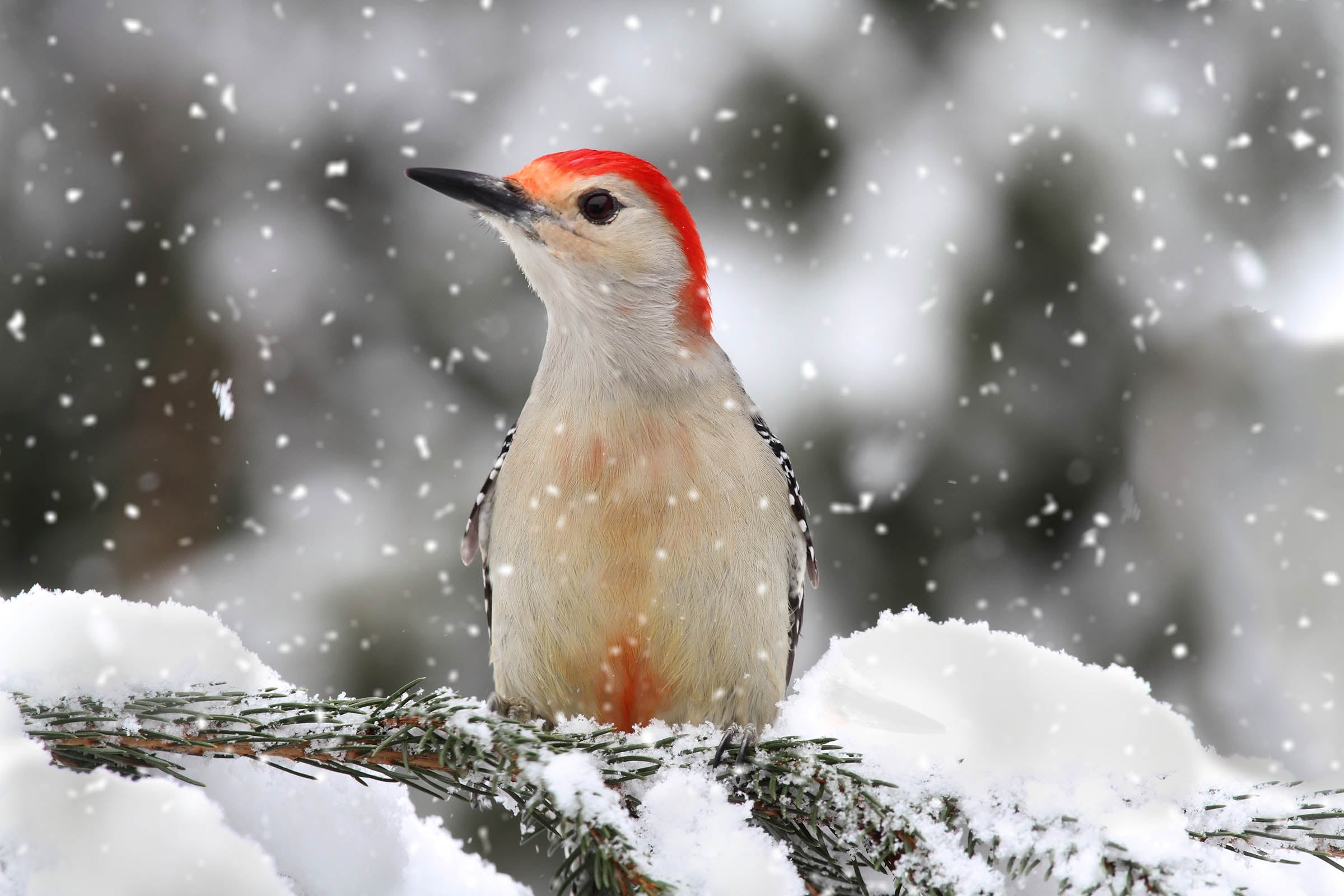
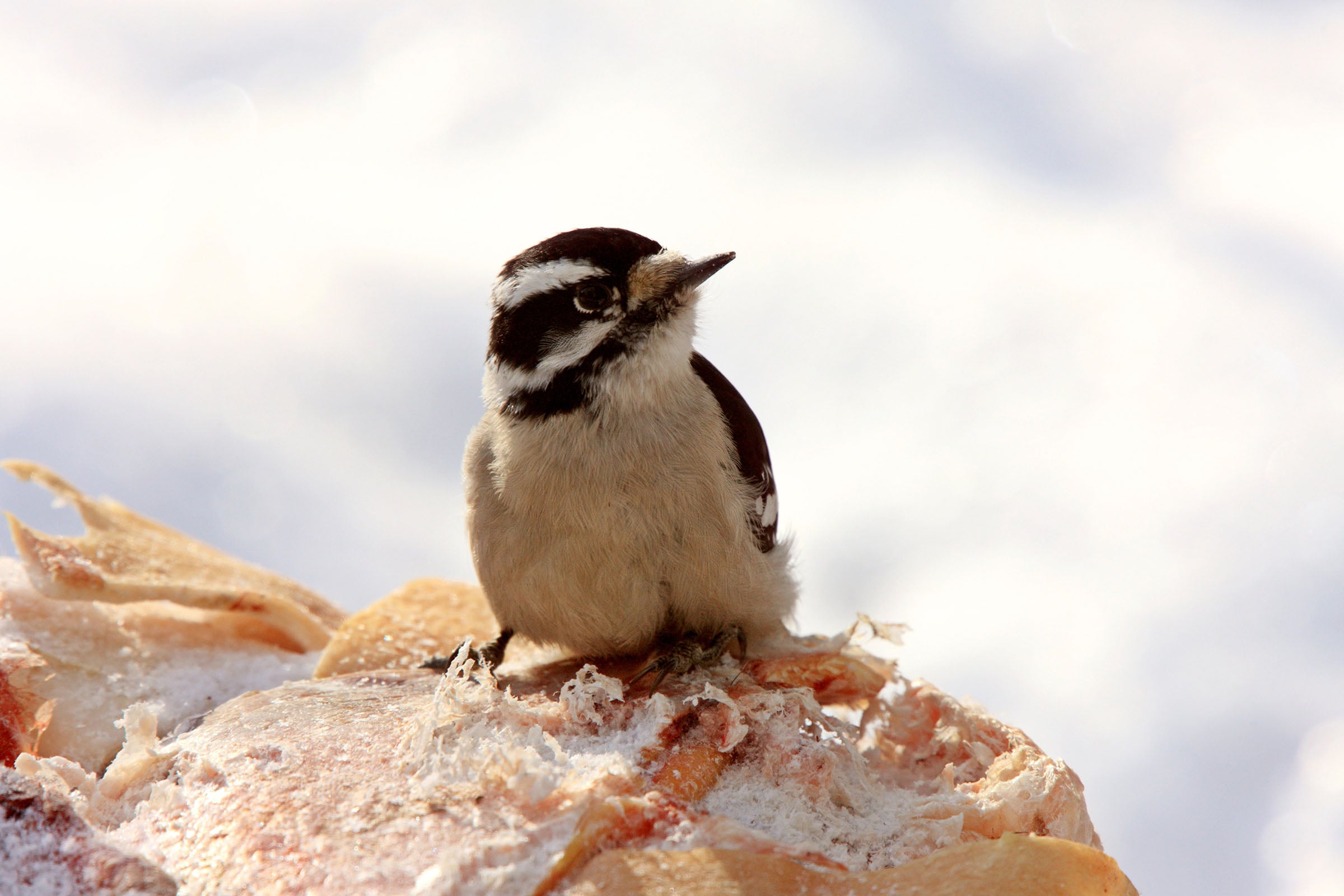
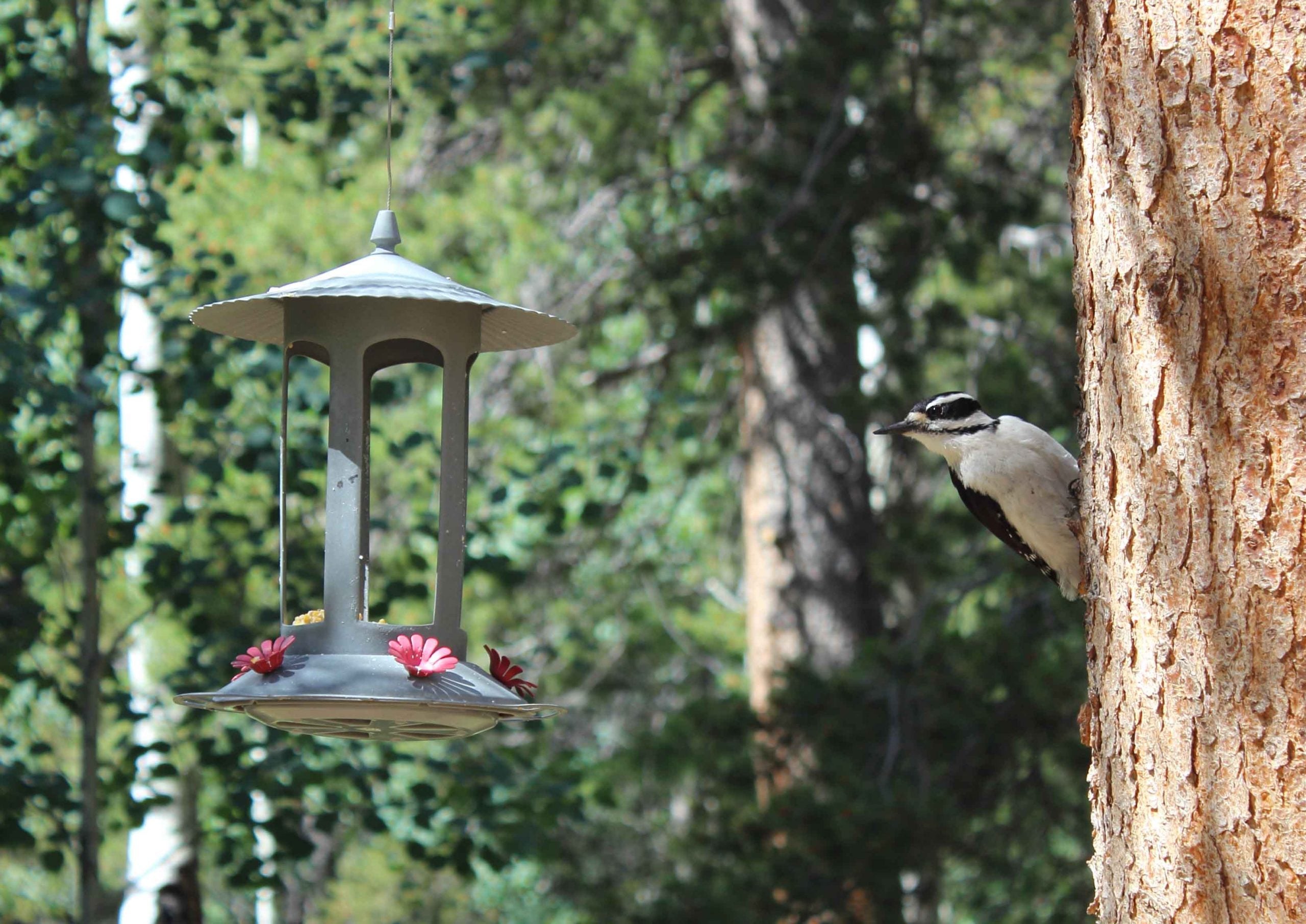
Seven woodpecker species are native to Colorado. They range from 6 to 15 inches depending on species, with strong chisel-like beaks, stiff tail feathers for bracing, and zygodactyl feet (two toes forward, two backward). Most display black and white plumage with red markings.
Downy Woodpecker: Smallest at 6 inches, checkered black-and-white with small red patch on males.
Northern Flicker: Larger at 12-14 inches, brown with black barring and distinctive black bib. Red or yellow wing undersides depending on subspecies.
Behavior
Woodpeckers peck for three reasons: foraging for insects, excavating nest cavities, and drumming to establish territory. They are most active at dawn and in spring mating season. Learn about sounds that deter woodpeckers.
Damage to Homes
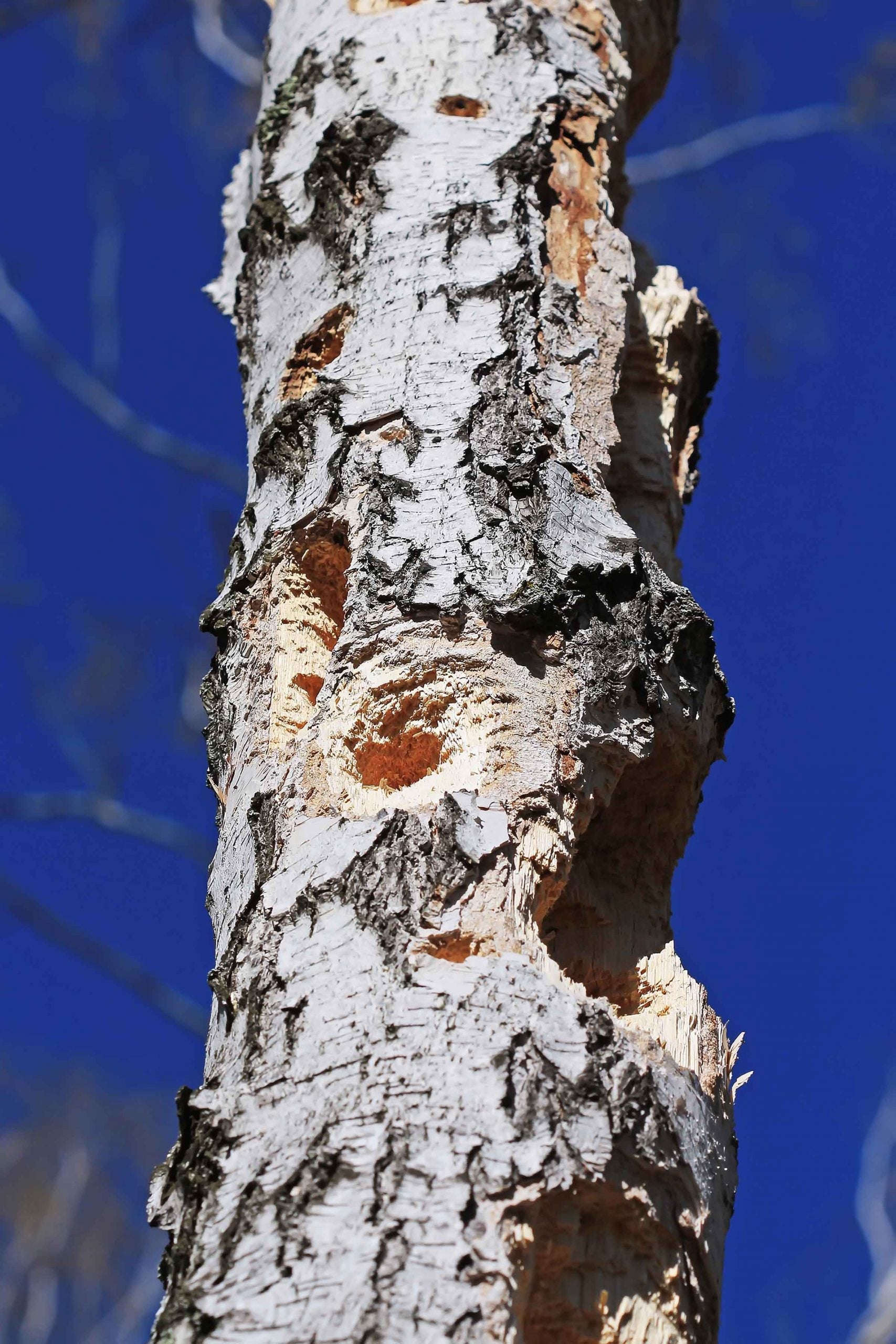
Woodpecker damage appears as round or rectangular holes in siding, fascia, and trim. They target homes with insect activity in the wood, surfaces with good resonance for drumming, or materials suitable for nesting cavities.
Northern Flickers are particularly destructive because they often target house siding rather than trees. Signs include fresh holes with sawdust below and repetitive tapping sounds at dawn.
Nesting and Feeding Habits
Woodpecker nesting habits vary among species, but they all prefer excavating cavities in trees as their primary nesting sites. These cavities serve as shelter and a place to raise their young. Woodpeckers use their strong beaks and powerful neck muscles to chip away at the wood, often choosing dead or decaying trees where softer wood makes excavation easier.
When it comes to feeding, woodpeckers are known for their distinctive drumming behavior, pecking on trees to search for food or establish territories. They have a varied diet including insects, larvae, ants, beetles, and other small invertebrates found within wood. They also consume tree sap and fruits seasonally.
Conservation in Colorado
Woodpecker conservation efforts in Colorado are crucial to maintaining healthy populations. Habitat preservation, particularly mature trees and deadwood, is essential since woodpeckers rely on these resources for nesting and foraging.
Signs of Woodpecker Activity
- Drumming: Repetitive tapping sounds on your home exterior, often at dawn
- Holes: Round or rectangular holes in siding, fascia boards, or wooden trim
- Wood chips: Debris accumulated below damaged areas
- Peck marks: Surface damage without full penetration
Prevention Methods
- Visual deterrents: Hang shiny objects like aluminum foil, old CDs, or reflective tape
- Predator decoys: Owl or hawk decoys near vulnerable areas (relocate periodically)
- Physical barriers: Bird netting or metal flashing over vulnerable areas
- Address insects: Treat underlying pest issues that attract woodpeckers
- Alternative food: Suet feeders placed away from the house
Pigeons
Pest Threat Level: 8/10
Why This Threat Level: Pigeons create severe sanitation problems, defecating 50+ times daily. Their acidic droppings corrode metal, stain surfaces, and carry diseases including histoplasmosis and cryptococcosis.
Unlike most birds, they are not federally protected.
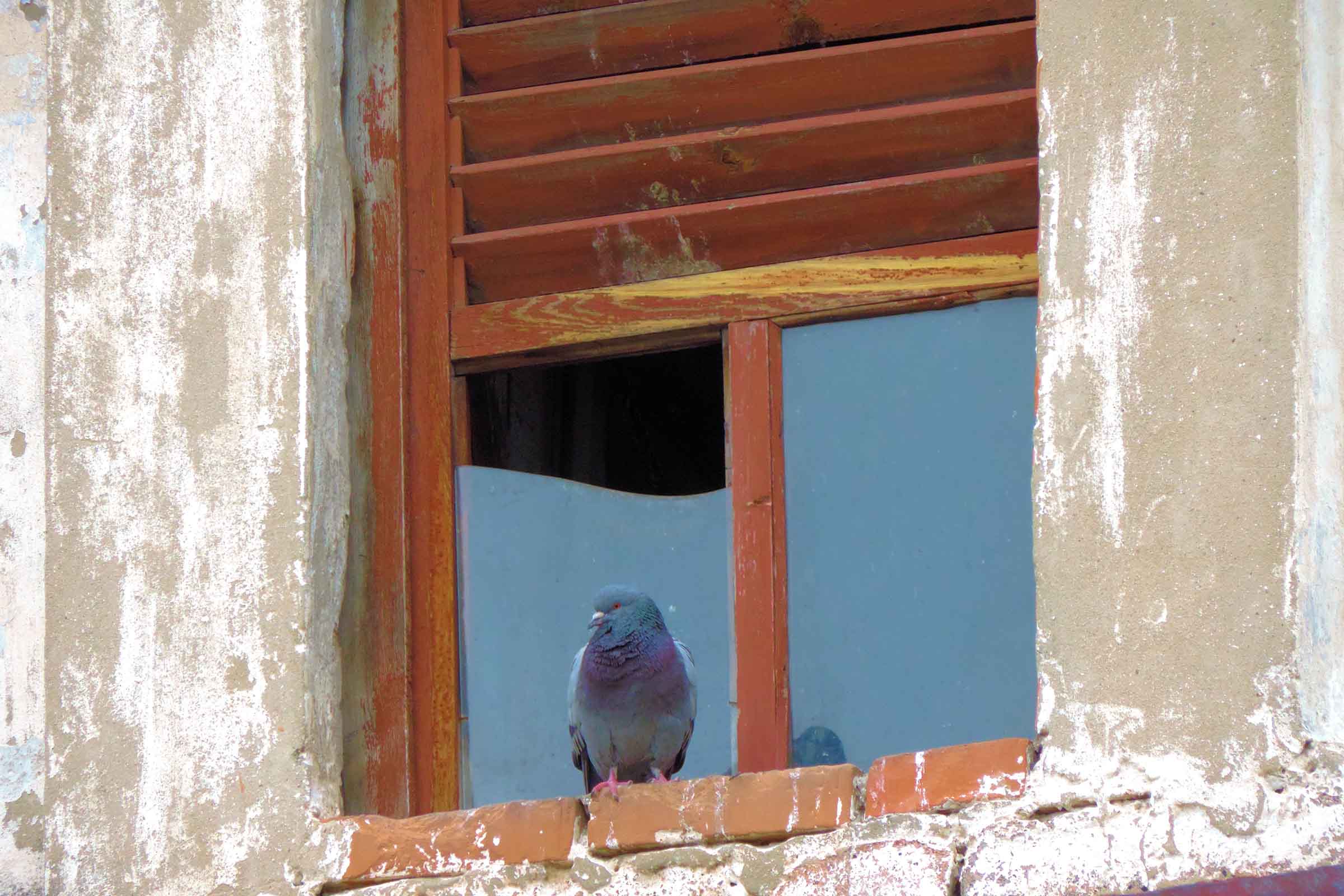
Identification
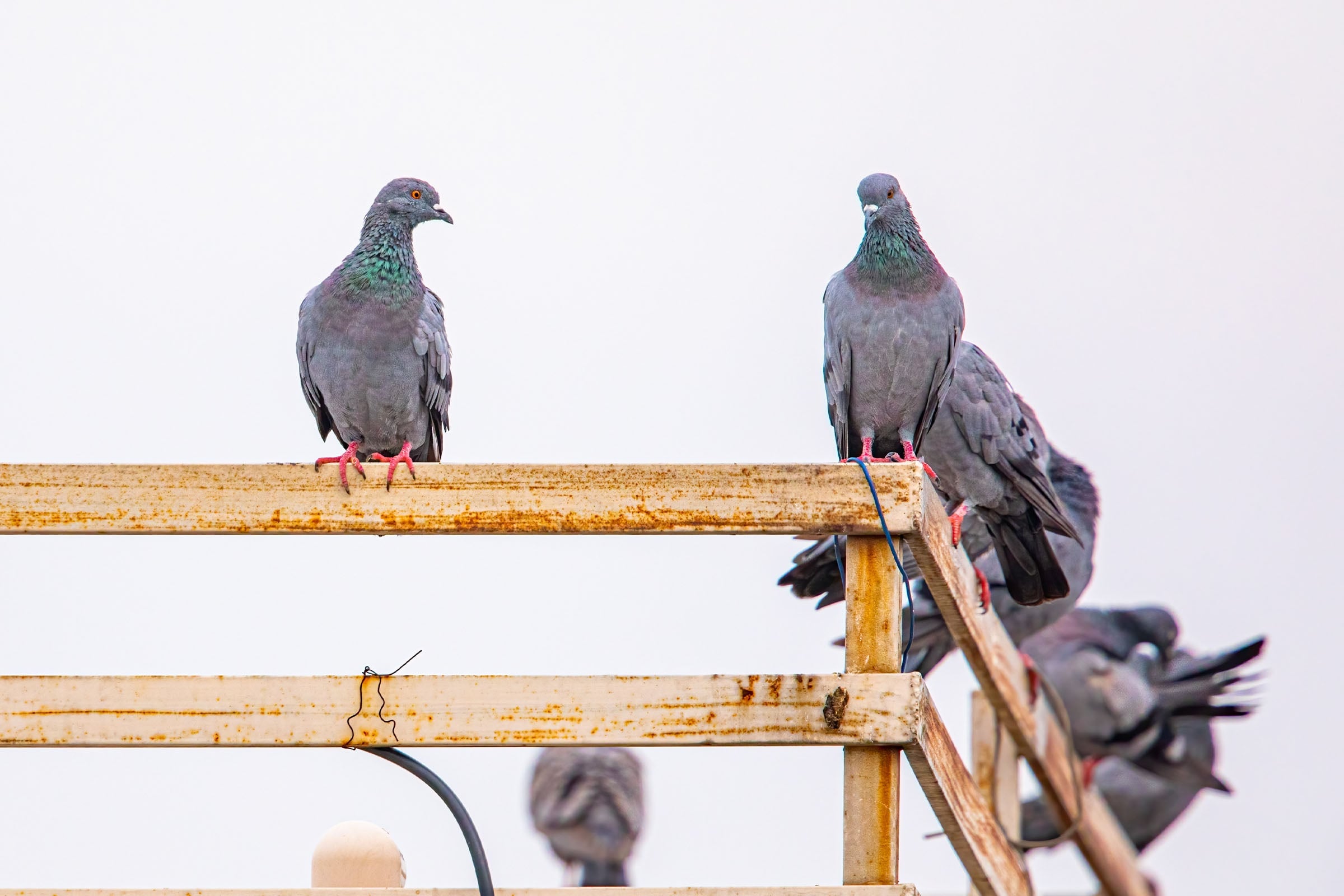
Pigeons (Rock Doves) are stocky birds about 11-14 inches long with small heads relative to their bodies. They display variable coloring but typically have gray bodies with iridescent neck feathers and two dark wing bars. Their cooing calls are distinctive.
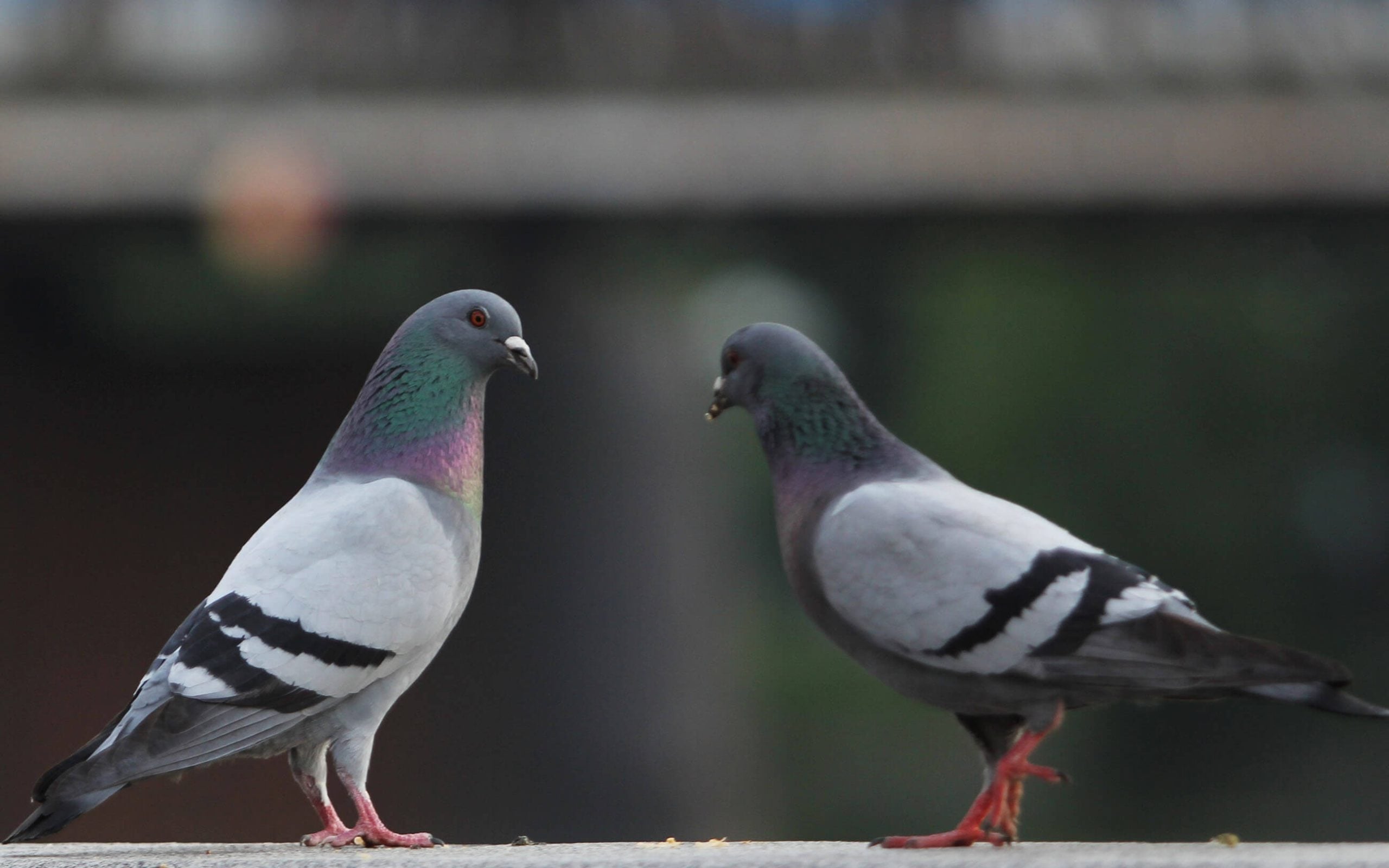
Behavior
Pigeons prefer perching on ledges, signs, and rooftops. They enter buildings through openings to nest in attics and mechanical spaces. Highly social, they gather in large flocks and return to established roosting sites year after year.
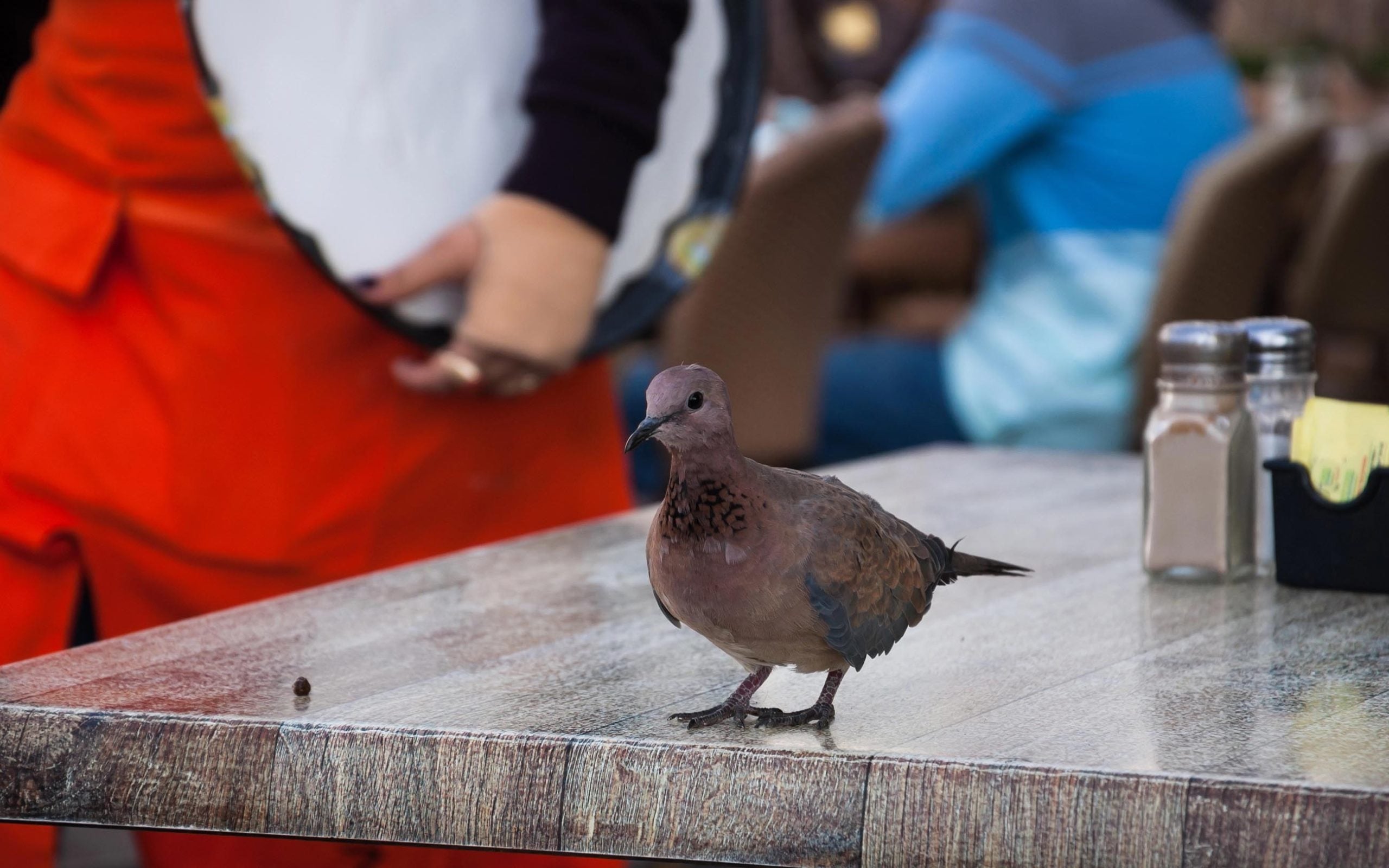
Health Hazards
Pigeons defecate 47-51 times daily, creating massive sanitation problems wherever they roost. Their droppings carry dozens of diseases. Walking through or disturbing dried droppings releases harmful spores. Read more about diseases spread by birds.
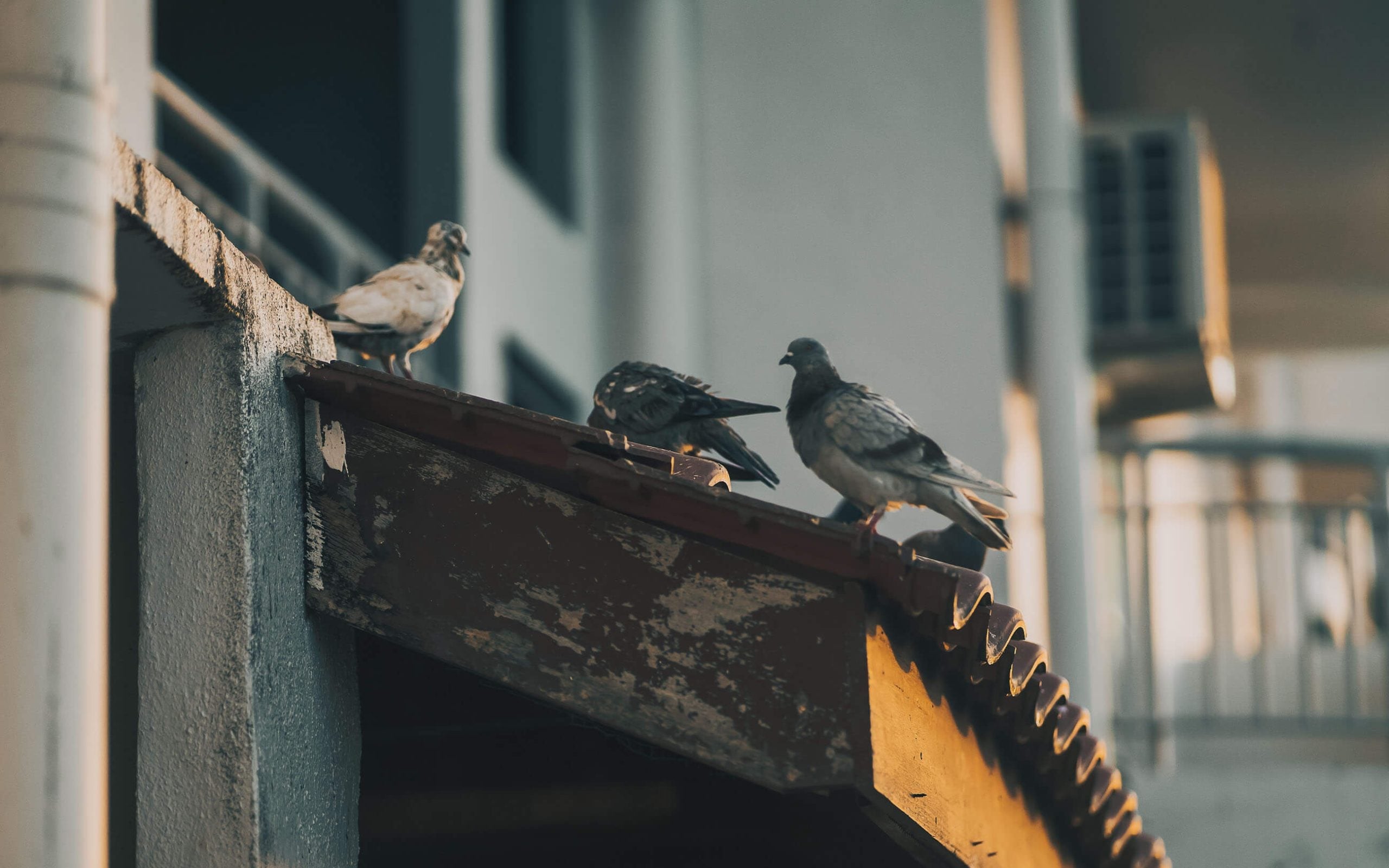
Control Methods
Effective pigeon control requires eliminating food sources, installing physical barriers like spikes and netting on roosting surfaces, and sealing entry points. Because pigeons are not federally protected, control can begin immediately.
Sparrows
Pest Threat Level: 6/10
Why This Threat Level: House Sparrows are aggressive invasive birds that breed prolifically and quickly overrun properties.
They nest in vents, gutters, and gaps, causing damage and attracting parasites. They bully native bird species.
Identification
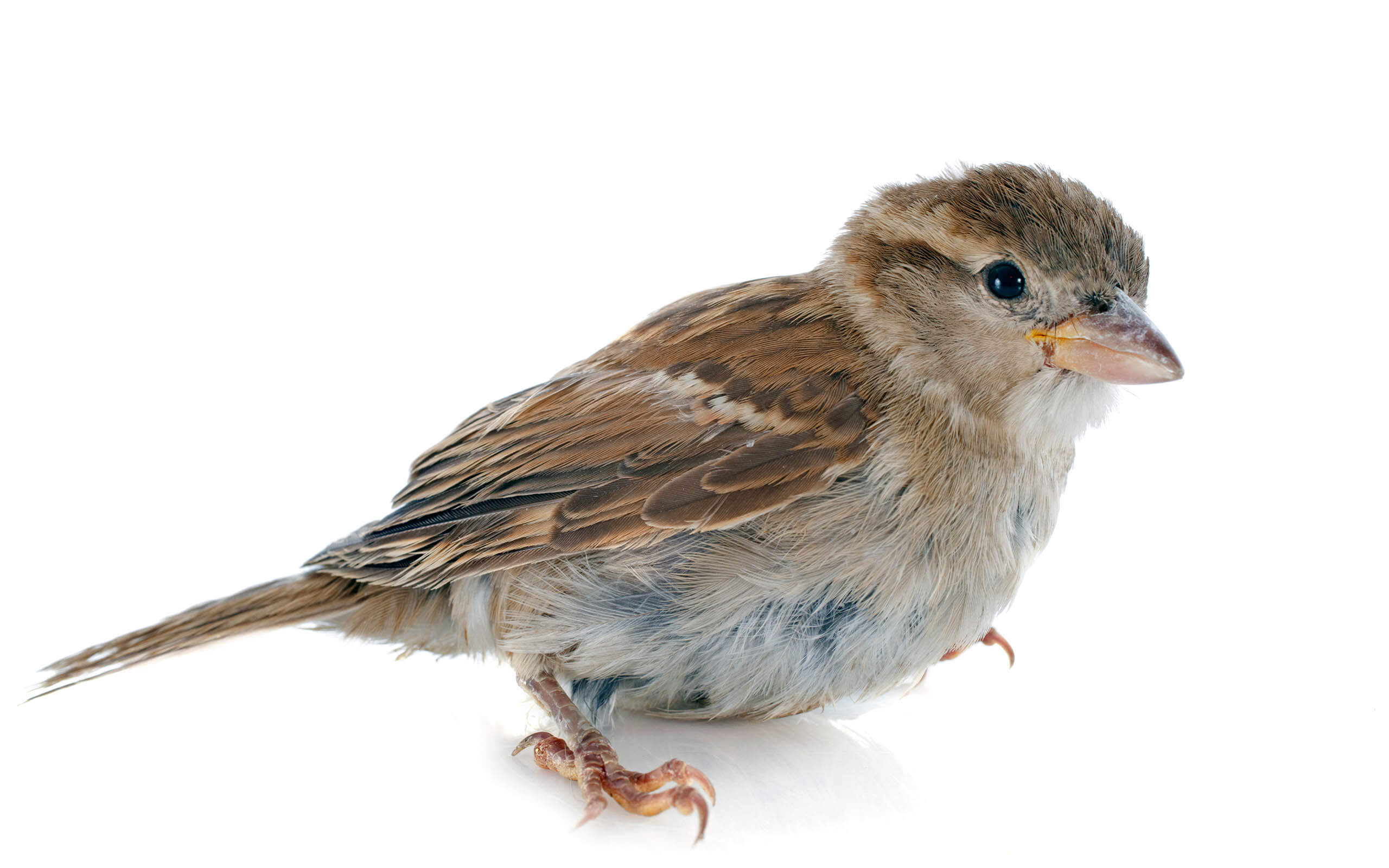
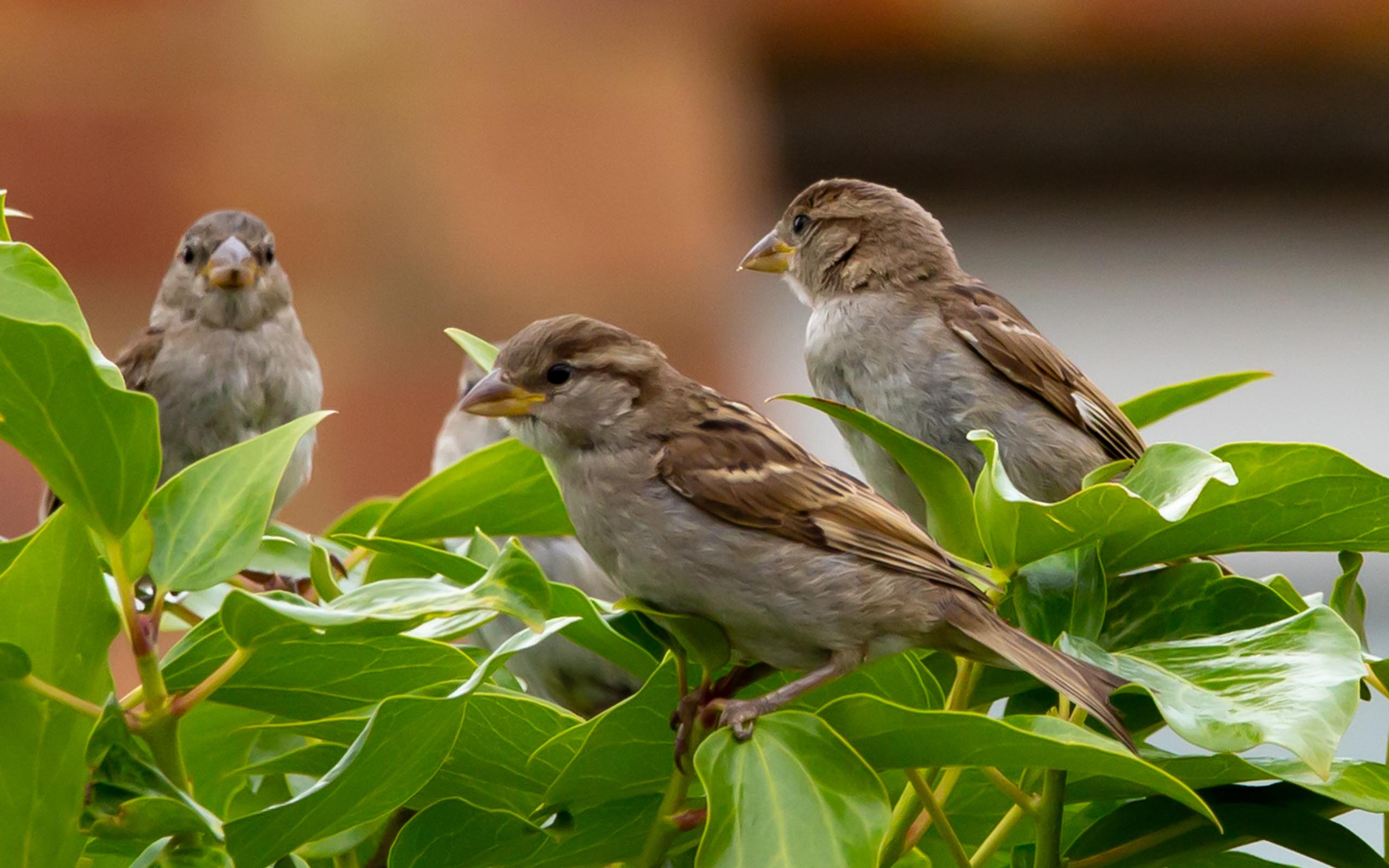
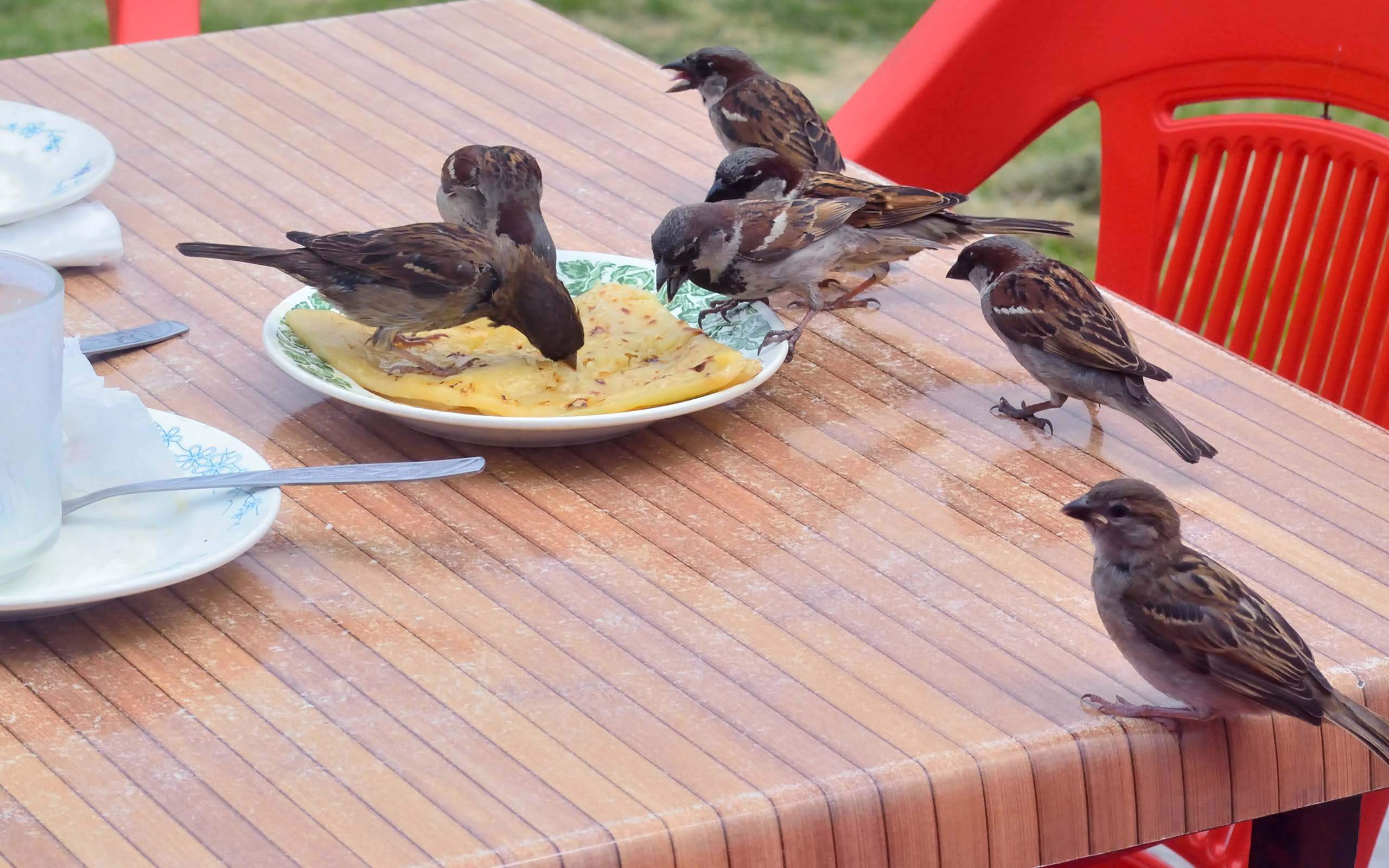
Sparrows are small birds (5-7 inches) with stout bodies and cone-shaped beaks for husking seeds. Colorado hosts 29 sparrow species, but the House Sparrow causes most problems.
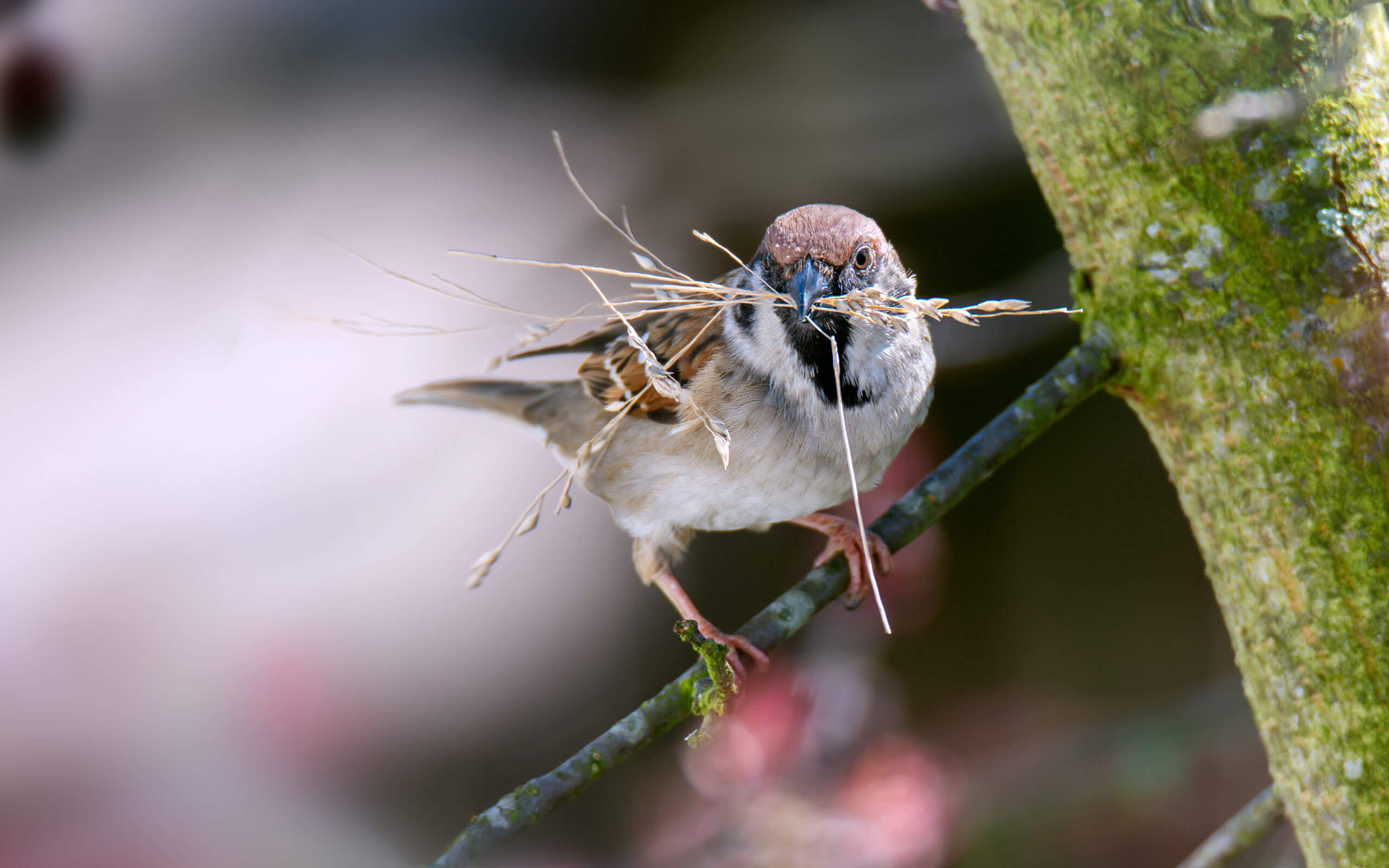
House Sparrow Males: Light bellies (often white), black bibs, rust-colored heads.
House Sparrow Females: Varying shades of brown and tan.
Behavior
House Sparrows are invasive, introduced to the U.S. in the 1800s. They aggressively take over birdhouses and feeders, bullying native species. They breed prolifically with multiple broods per season.
Problems They Cause
Sparrows build messy nests in gutters, vents, and any available crevice. Their nests block drainage and ventilation, damage shingles and siding, and attract parasites. Restaurants and outdoor dining areas are especially vulnerable. Explore DIY bird control methods for prevention.
Physical Characteristics
Sparrows are small birds in the 5 to 7-inch range with stout, round bodies and large rounded heads. Their short, cone-shaped beaks efficiently husk seeds. Sparrow colors are generally earth tones, most commonly browns and blacks, with similar coloring between species making them identifiable by subtle differences in patterns.
The Invasive House Sparrow
House Sparrows were introduced to the U.S. in the 1800s and quickly spread throughout the country. They are considered an invasive species that commonly bullies other birds out of nests and away from feeders. Female House Sparrows have feathers of varying shades of brown and tan. Males have lighter bellies (often appearing white), black bibs and eyes, with rust-colored heads.
Damage and Health Risks
For seemingly innocent birds, sparrows threaten your home and health. Because they are prolific breeders, they will quickly overrun your yard. Damage includes blocked gutters, torn shingles and siding, and surface staining from droppings. Droppings can tarnish metal and concrete surfaces and occasionally spread Salmonellosis.
Keeping Sparrows Off Feeders
If you want to attract songbirds but not sparrows:
- Swap birdhouses with large entrances for smaller wren or chickadee boxes
- Feed suet without seeds in upside-down feeders
- Replace regular seeds with thistle feeders (sparrow beaks are too large)
- Avoid ground feeding, which attracts sparrows quickly

Crows and Ravens
Pest Threat Level: 5/10
Why This Threat Level: Corvids are highly intelligent scavengers that raid garbage, damage gardens, and gather in large noisy flocks.
They carry diseases including salmonella and West Nile virus but cause less structural damage than other birds.
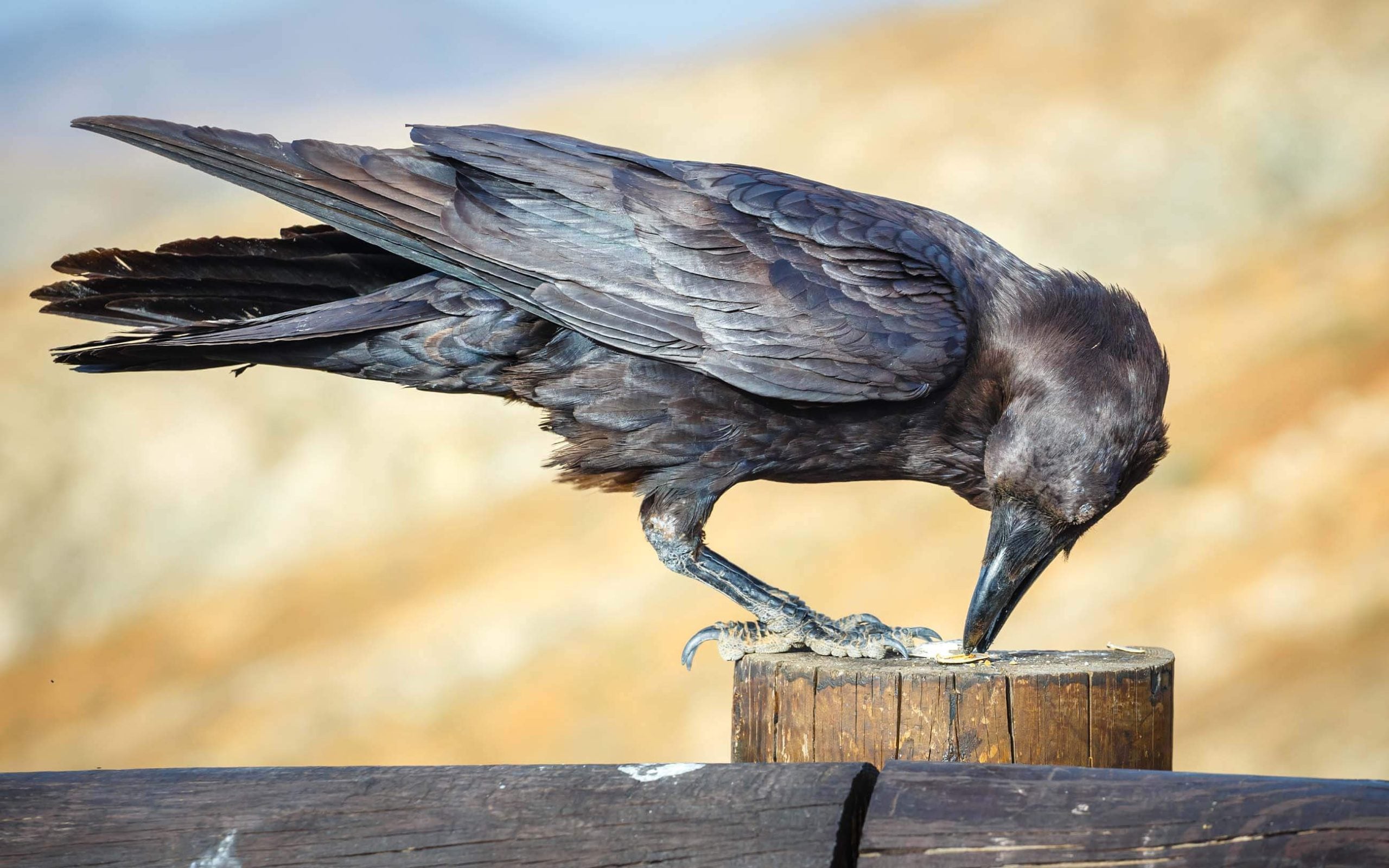
Common Raven
22-27 inches, wedge-shaped tail, shaggy throat feathers. Known for using tools to obtain food.
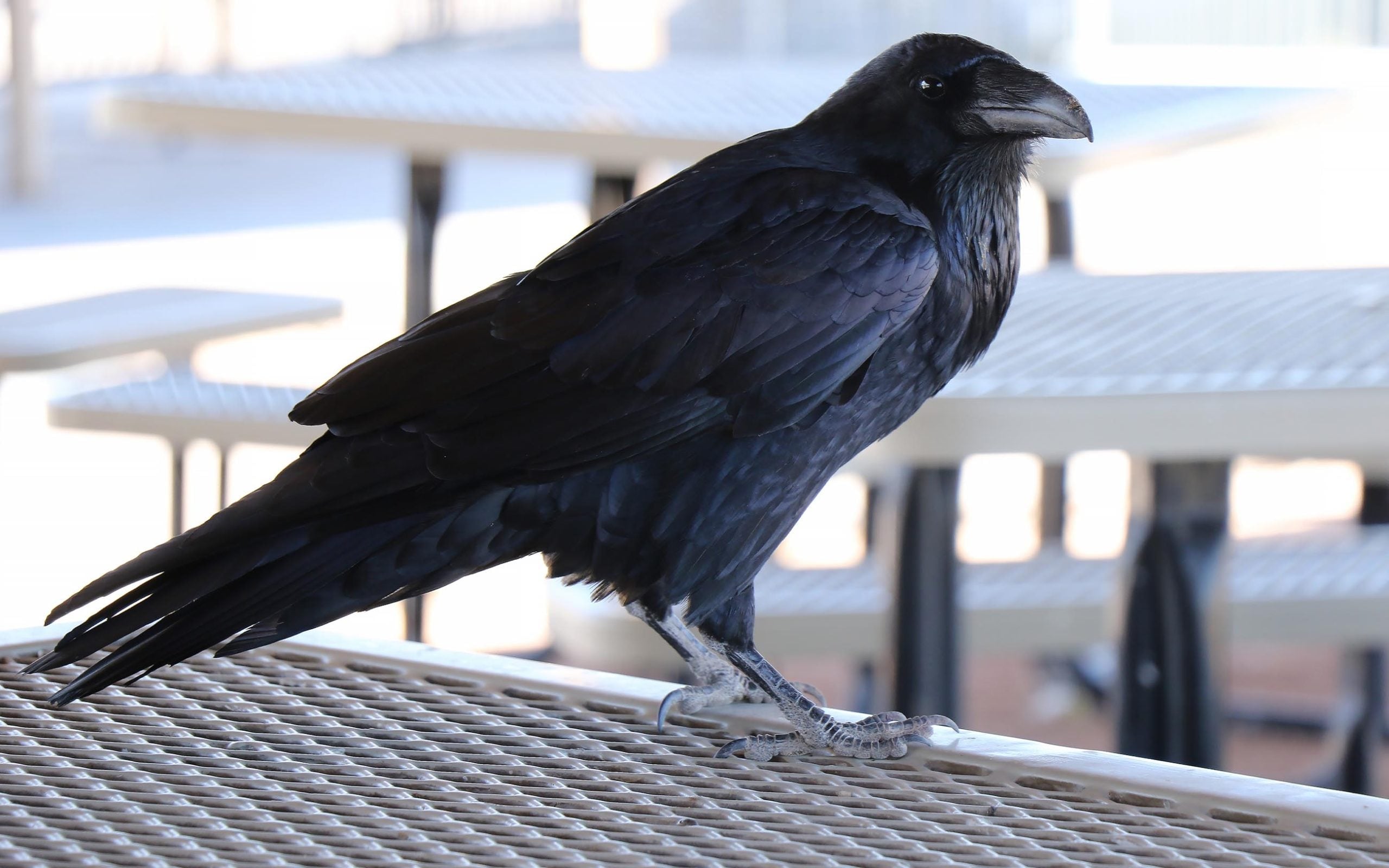
Black-billed Magpie
Striking black and white with iridescent blue-green wings. Long tail. Known for collecting shiny objects.
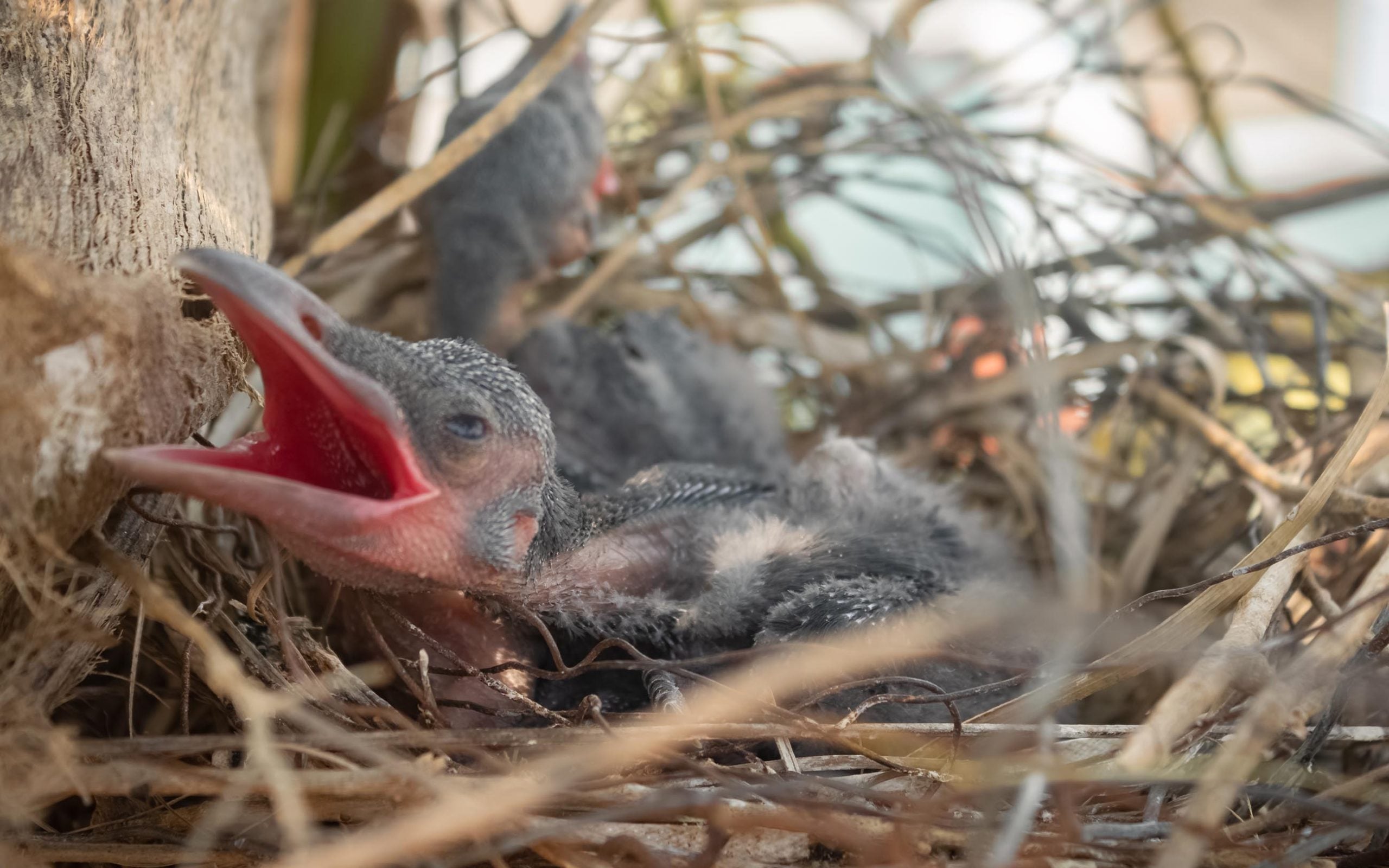
American Crow
17-21 inches, glossy black, fan-shaped tail. Highly adaptable and social. Loud cawing calls.
Behavior
Corvids are omnivorous scavengers that feed on insects, fruits, seeds, carrion, garbage, and small animals. They are highly territorial and form large family groups called "murders." Their complex communication system includes dozens of distinct calls.
Control Challenges
Because of their intelligence, crows quickly learn to ignore simple deterrents like plastic owls. Effective crow control requires a multi-faceted approach combining habitat modification, exclusion, and professional deterrent methods. They are protected under the Migratory Bird Treaty Act.
Fish Crow
Another corvid species, the Fish Crow is a more southern species that has been expanding its range northward. These crows have a distinctive nasal call and tend to congregate near bodies of water. Their diet consists mainly of small marine animals, fish, and crabs.
Habits and Behaviors
Crows are omnivorous and feed on a wide variety of foods, including insects, fruits, seeds, carrion, and even small mammals. They are opportunistic scavengers known for raiding garbage cans and compost piles. Due to their scavenging behavior, crows are known carriers of diseases such as salmonella and West Nile virus.
Crows are highly territorial birds that form large, tight-knit family groups called "murders." They communicate using a complex system of calls and body language.
Breeding and Nesting
During the breeding season (March-June), crows build elaborate nests using branches, twigs, and other materials. They are monogamous and mate for life. Crows are protective parents who vigorously defend their young from predators.
Control Methods
- Scare tactics: Decoys, shiny objects, and loud noises
- Netting: Physical barriers to protect crops and structures
- Habitat modification: Keep areas clean and free of food scraps
- Professional services: Crows quickly learn to ignore simple deterrents
Remember that crows are protected under the Migratory Bird Treaty Act.
Robins
Pest Threat Level: 4/10
Why This Threat Level: Robins are mostly harmless but become nuisances when they nest near high-traffic areas.
They dive-bomb perceived threats, produce messy droppings around nests, and can have three broods per season creating extended disturbance.
Identification
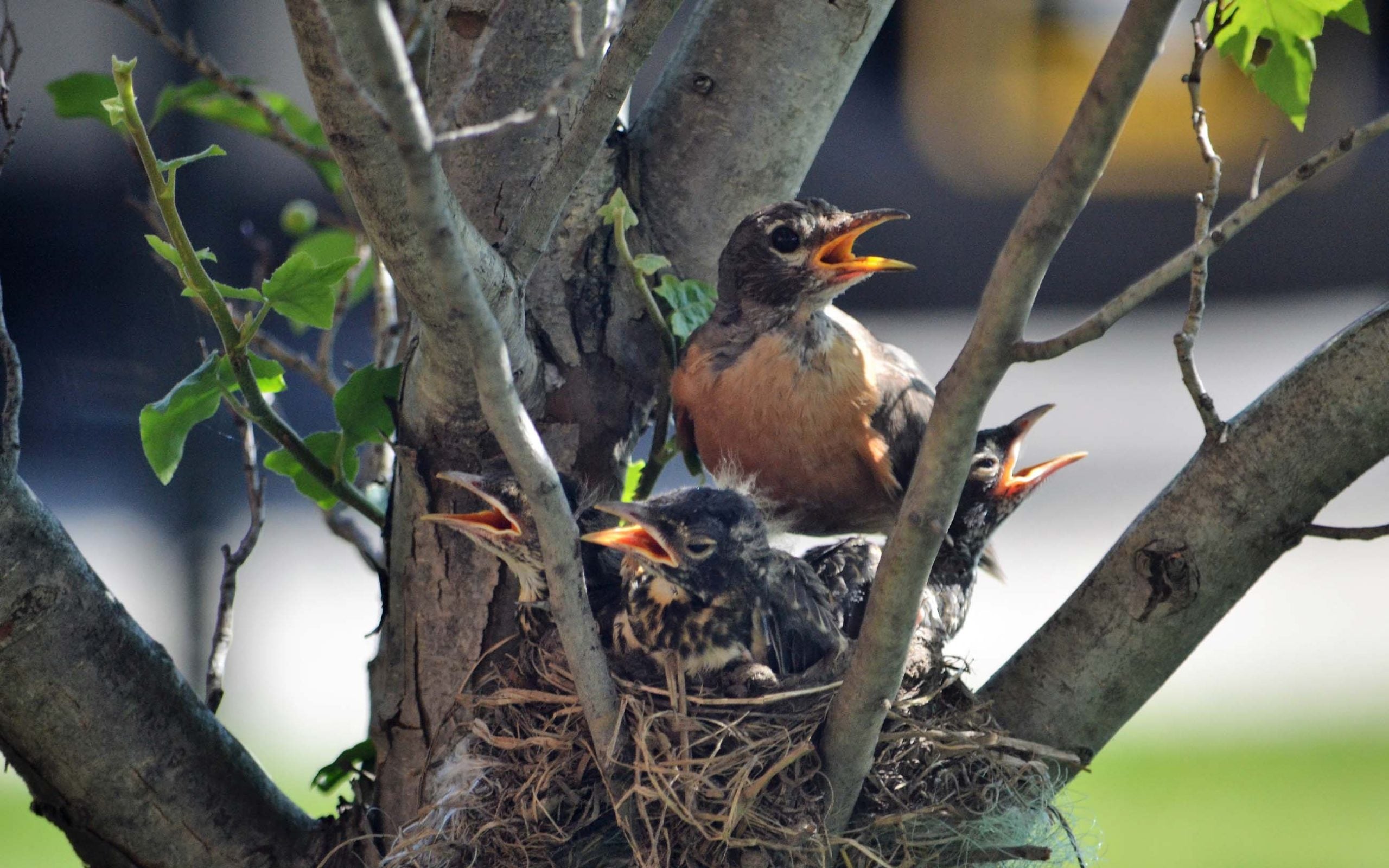
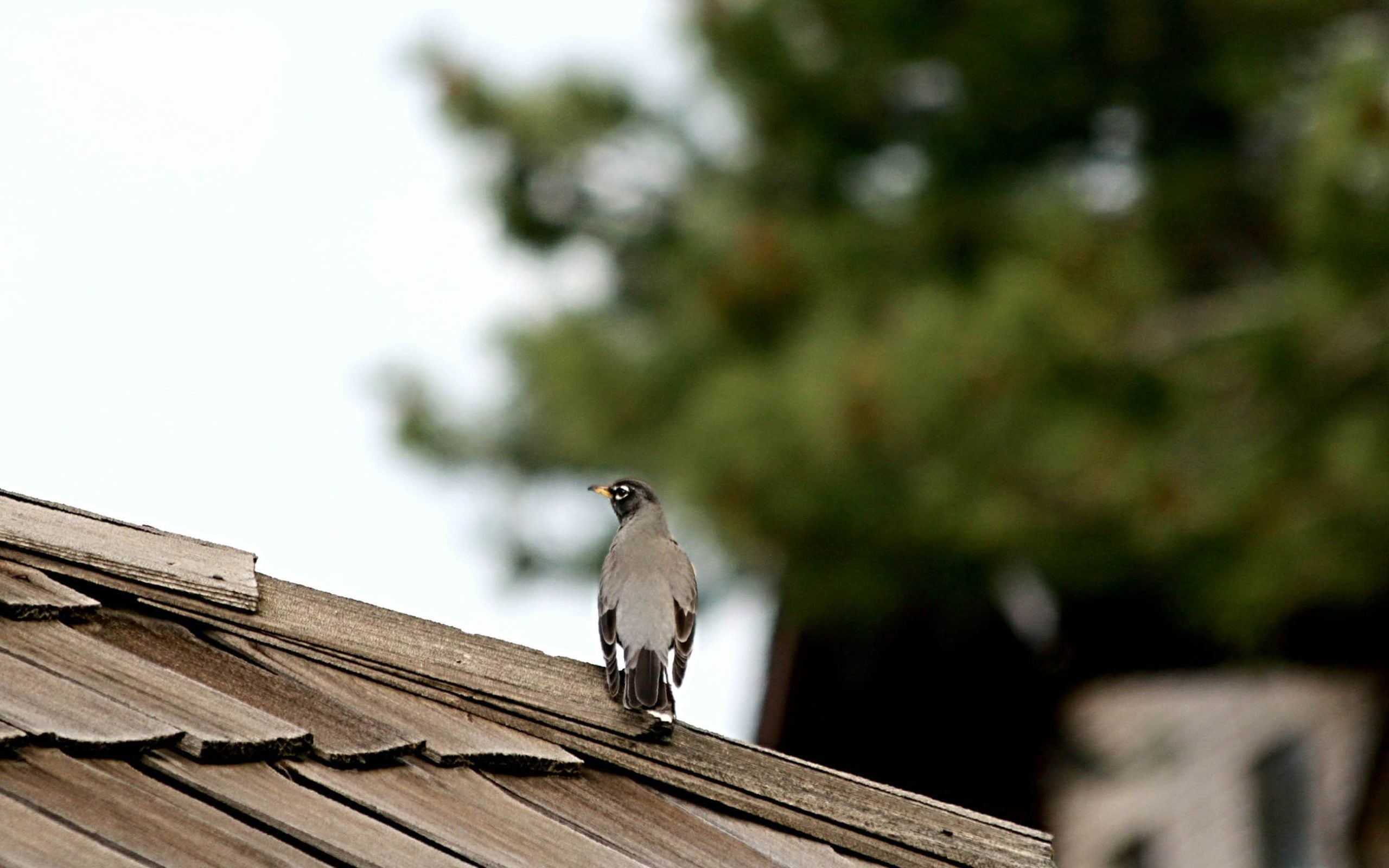
Robins are members of the Thrush family, 9-11 inches long, easily identified by their distinctive copper-red breast against a grey body. Both males and females display this coloring, though females have more muted tones. They have long legs for hopping on lawns while foraging.
Seasonal Behavior
Robins typically migrate south in winter and return in late March or early April, making them a traditional sign of spring. They produce up to three broods per season with both parents caring for young.
Nesting Problems
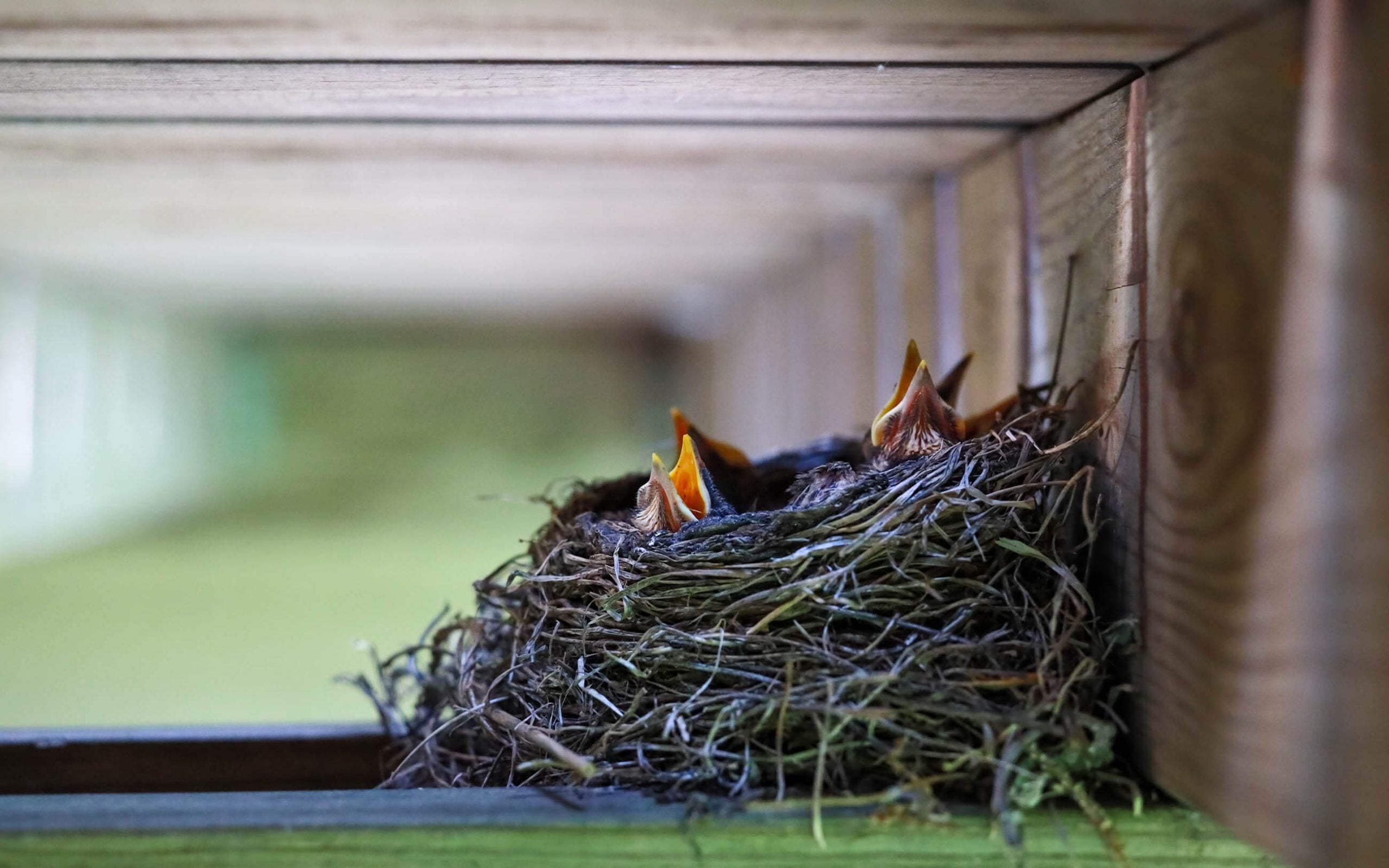
Robins build nests in inconvenient locations including light fixtures near doors, hanging planters, windowsills, and open garages. When nests are near high-traffic areas, parent birds squawk alarm calls and may dive-bomb people.
Baby robins defecate over the side of the nest to keep it clean, littering the areas below. The accumulated fecal matter creates unsanitary conditions and stains surfaces. Learn about protecting against aggressive birds.
The American Robin
Robins are members of the Thrush family, easy to spot with their trademarked copper breast against a grey body. Both males and females share this color pattern, though females present more muted tones. Robins typically migrate in winter and return in late March or early April, making them among the first birds to appear at the end of winter.
The robin's territory is widespread, covering most of North America. They tolerate cold weather well and are often seen perched on trees, power lines, and fences.
Health Risks and Property Damage
Bird droppings present a danger regardless of species. With their larger size and multiple broods, droppings around robin nests build up fast. Dried fecal matter releases particles into the air, irritating airways. Contaminated droppings can spread histoplasmosis, cryptococcosis, and psittacosis.
Property damage includes stained surfaces, clogged gutters, holes in siding, and torn shingles around nesting sites.
Prevention Tips
- Remove food sources: Routine pest control reduces insects that attract robins
- Reduce nesting sites: Keep gutters clean, repair siding and eaves
- Consistent disruption: Remove early nest construction before robins become established

Larks and Meadowlarks
Pest Threat Level: 3/10
Why This Threat Level: Larks cause minor property issues but rarely significant damage. Large migrating flocks can temporarily overrun properties.
Colorado is home to the Horned Lark, Lark Bunting (state bird), and Western Meadowlark.

Horned Lark
5-8 inches, earthy brown body. Males have black masks and distinctive black "horn" feathers on head.
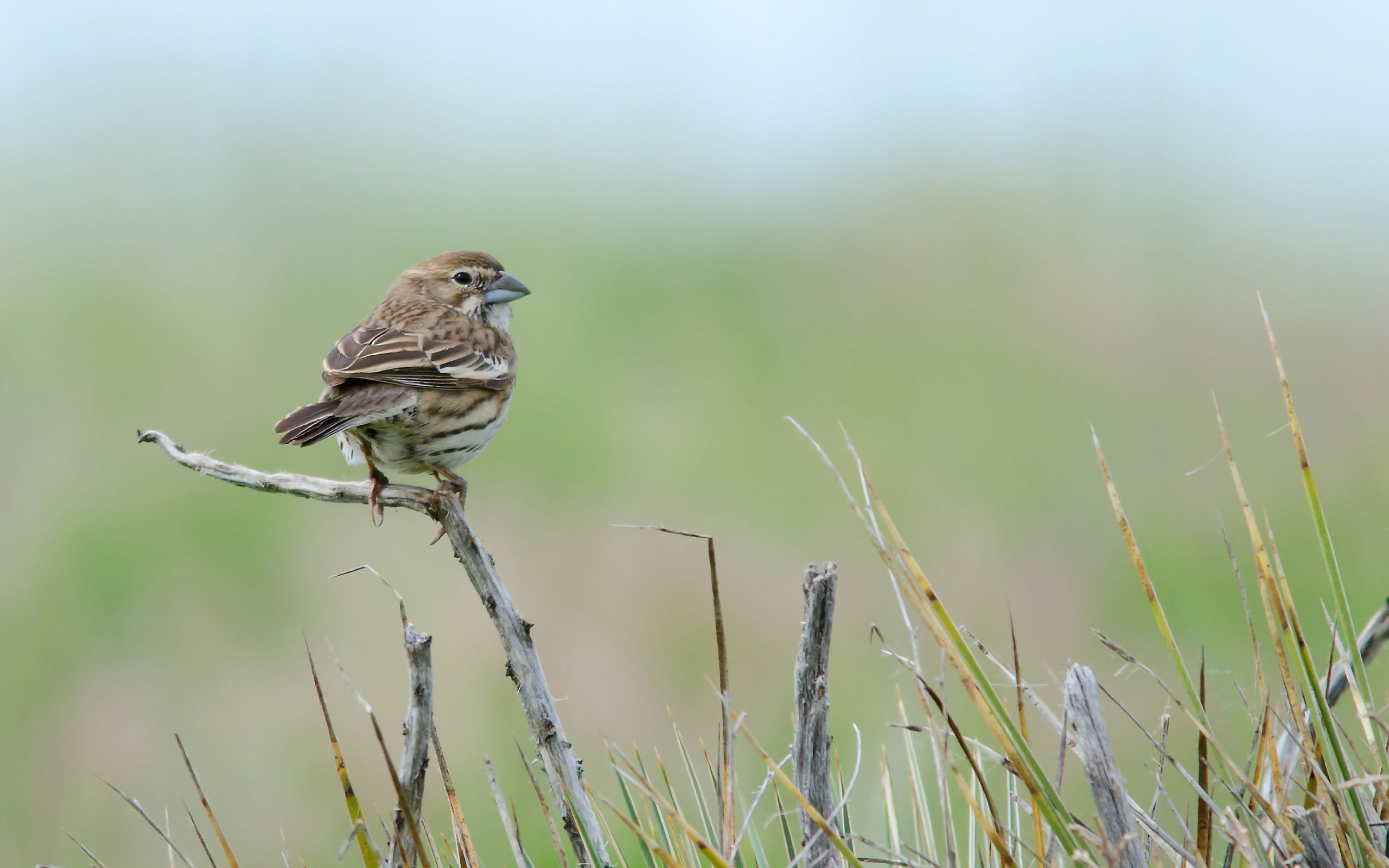
Lark Bunting
Colorado's state bird. Males are solid black with white wing stripes during breeding season. Travel in large flocks.
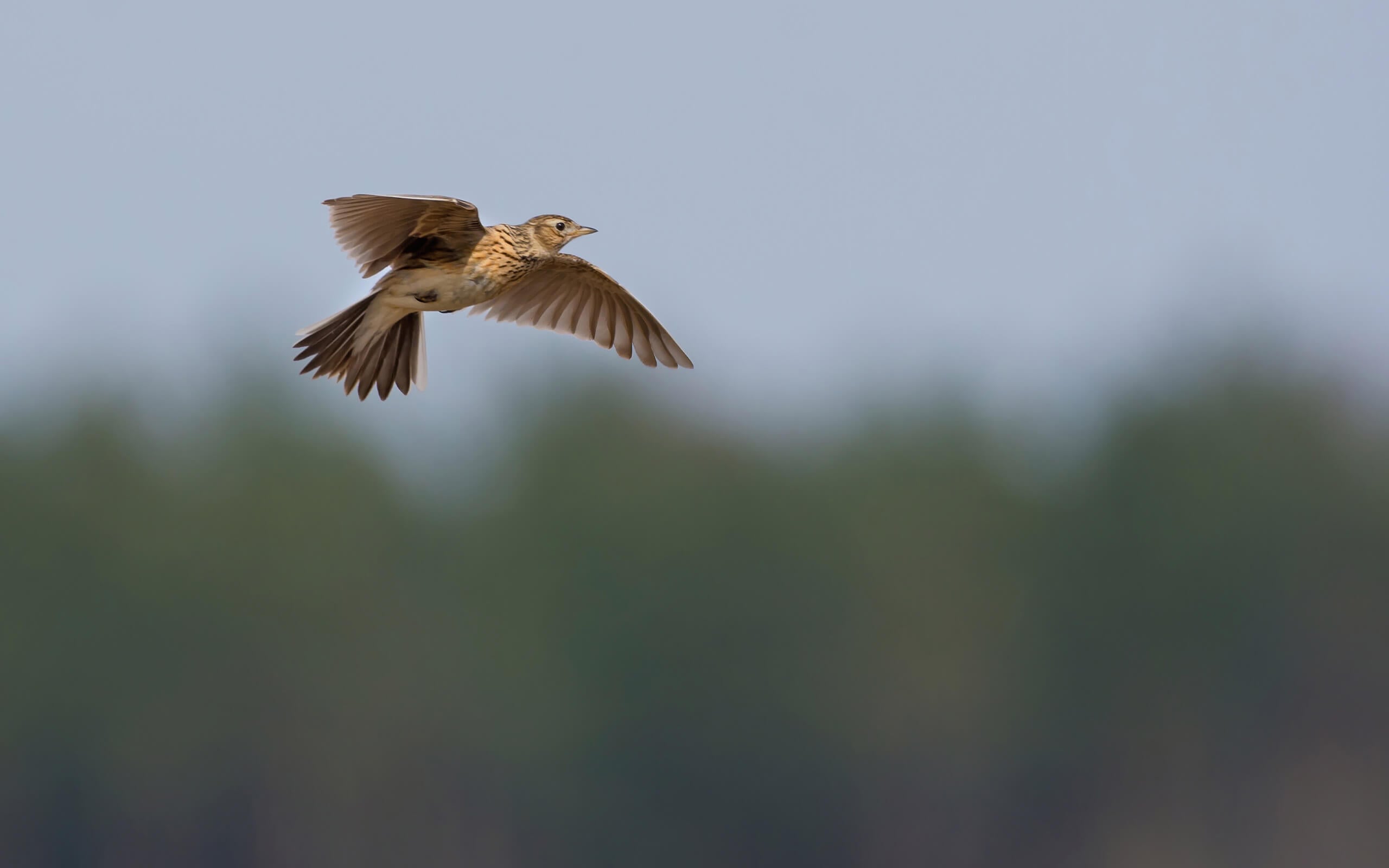
Western Meadowlark
Robin-sized with yellow underbelly and black V on chest. Beautiful warbling call. Long slender bill.
Like other ground-foraging birds, larks can damage landscaping, leave droppings throughout the yard, and nest in inconvenient locations. The same bird control methods that work for other species apply to larks.
Detailed Species Information
Horned Larks are members of the Alaudidae family, ranging from 5 to 8 inches. While their bodies are earthy brown or tan, males have bold head markings including black masks and chest bands with white or yellow cheeks. Males also have distinctive black feathers that can rise and lower on the sides of their heads, resembling horns. They spend much time on the ground, foraging for seeds and insects.
Lark Buntings are members of the sparrow family with sizeable cone-shaped beaks. They travel in large flocks. During breeding season, males are solid black with bold white stripes on each wing. In winter, they change to resemble the earthy tones of females.
Property Damage
Larks pose threats to homes similar to other bird species. Typical damage includes broken siding, clogged gutters, and surface damage from droppings.
Control Methods
- Bright lights and shiny objects: Hanging CDs, tinfoil, or metallic ornaments creates flashes that discourage larks
- Predator sounds: Recorded hawk, owl, or bird distress calls
- Ultrasonic devices: High-frequency sounds birds find unpleasant
- Physical barriers: Bird netting for gardens; bird spikes for roosting surfaces
- Remove attractants: Eliminate bird feeders and water sources; manage insect populations
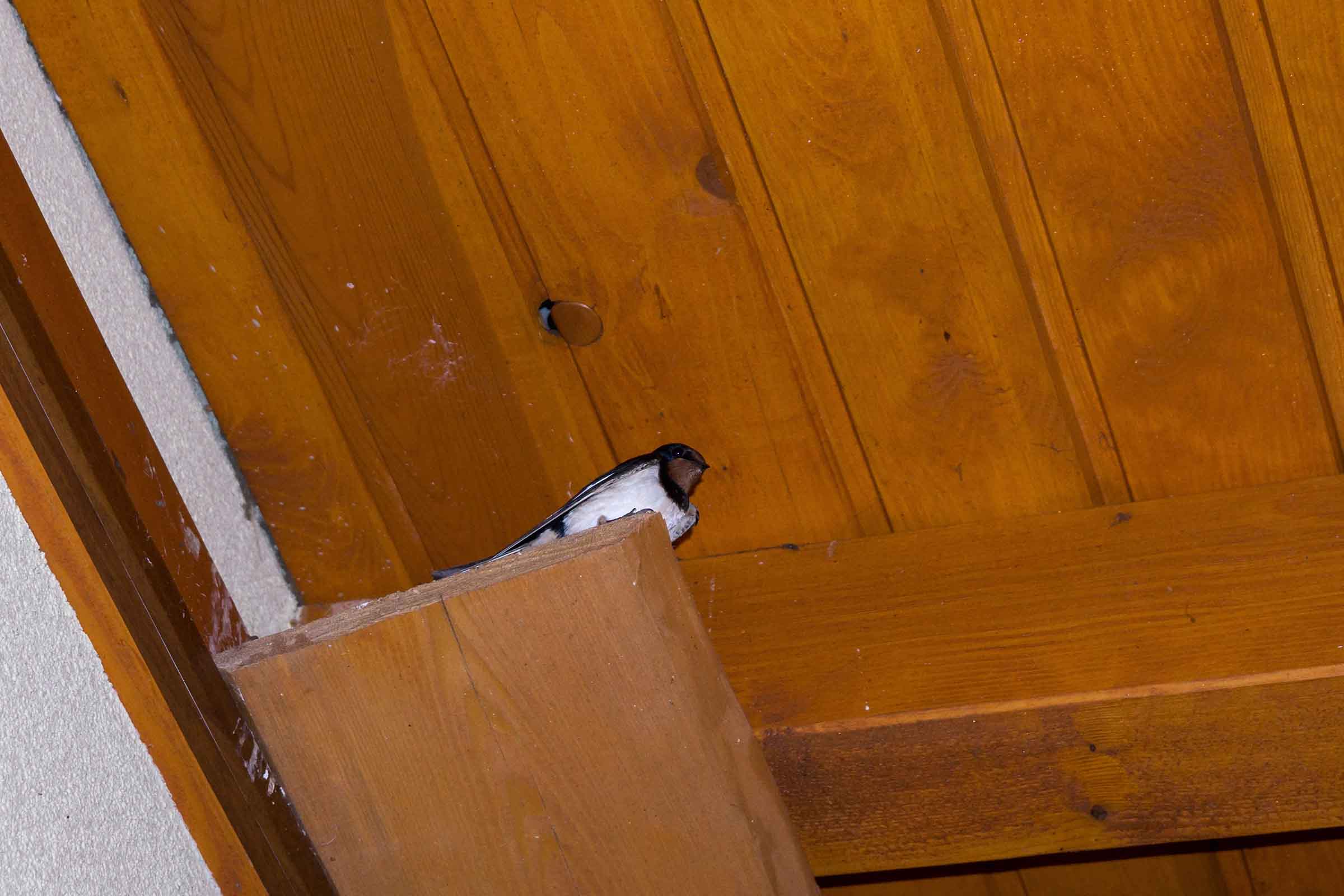
Swallows
Pest Threat Level: 6/10
Why This Threat Level: Swallows build messy mud nests under eaves that stain surfaces and attract parasites including swallow bugs. They are federally protected under the Migratory Bird Treaty Act, making removal legally complicated and timing-dependent.
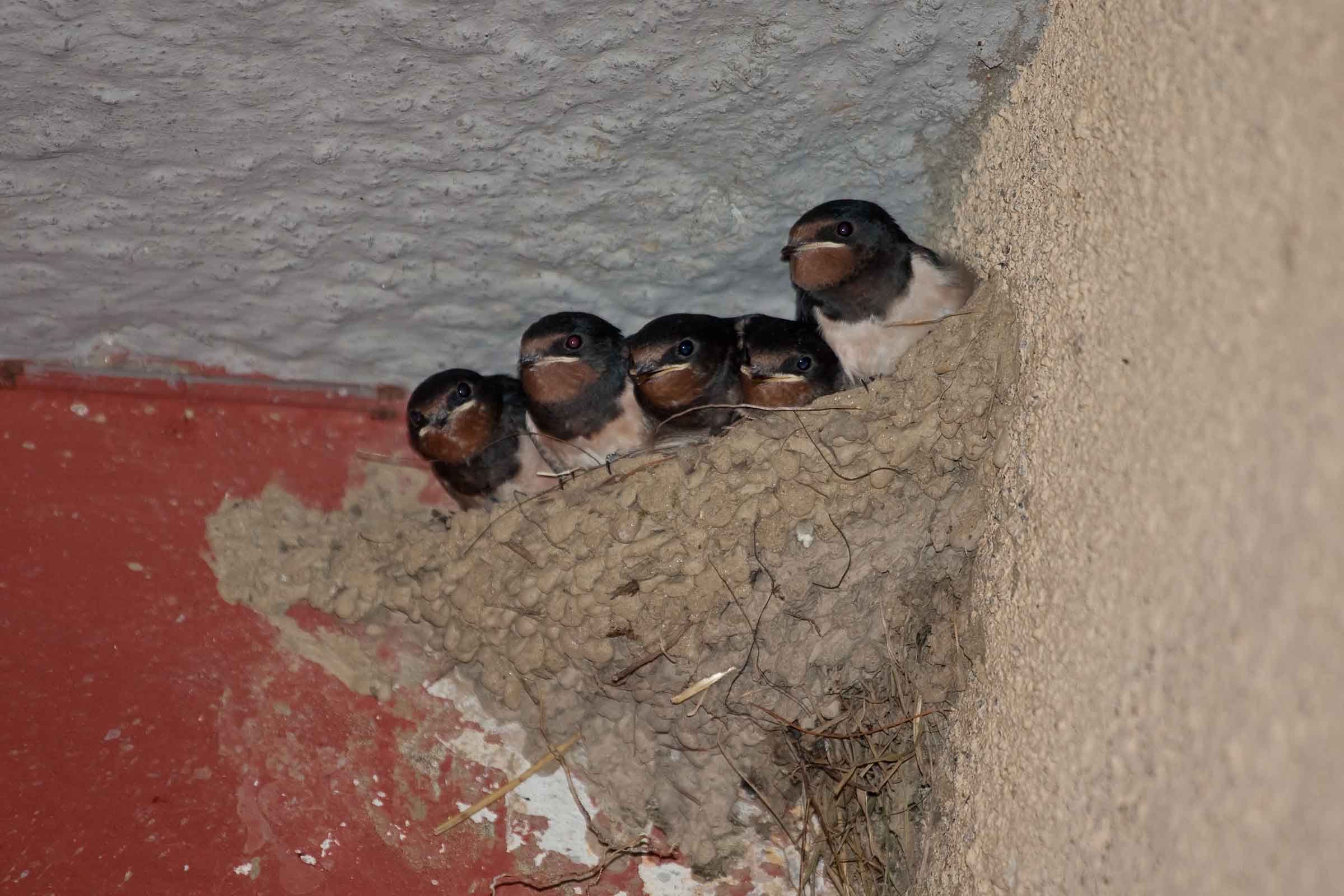
Nesting Problems
Barn swallows (also called mud swallows) build large gourd-shaped nests out of mud pellets, typically under eaves, in garages, barns, and on porches. These nests are extremely messy, leaving permanent mud stains on surfaces below. They also attract insects and parasites including swallow bugs, which can bite humans.
Legal Considerations
Because swallows are federally protected, active nests cannot legally be removed. Control efforts must focus on prevention before nesting begins or removal after birds have left for the season. Professional timing is essential to stay within legal boundaries.
Health Risks Associated with Birds
Histoplasmosis
A fungal infection caused by Histoplasma capsulatum that grows in bird droppings. Inhaling spores from dried droppings causes flu-like respiratory symptoms that can become severe in immunocompromised individuals.

Cryptococcosis
Another fungal infection found in aged pigeon droppings. Can cause pneumonia-like illness and, in serious cases, can spread to the central nervous system causing meningitis.

Psittacosis
A bacterial infection transmitted through dried bird droppings and respiratory secretions. Causes fever, headache, and pneumonia. Also known as "parrot fever" but transmitted by many bird species.
Beyond disease, bird nests harbor parasites including mites, ticks, and bird bugs that can infest homes after birds leave. Accumulated droppings also attract secondary pests like carpet beetles and flies. For these reasons, prompt professional cleanup of heavy bird infestations is recommended. Read more about diseases spread by birds.
Need Professional Bird Control?
Understanding bird biology and behavior is the first step toward solving bird problems. But when birds have established themselves on your property, professional intervention is usually necessary for lasting results.
OMNIS Pest Control has 13 years of experience humanely removing nuisance birds from Castle Rock homes and businesses. We understand the legal protections, species-specific behaviors, and proven exclusion methods that deliver permanent solutions.
More Pest Protection.
More Peace of Mind.
Other Bird-Related Resources

Eliminating Perches: Reduce Bird Activity on Your Property

Common Diseases Spread By Birds

Signs of a Bird Infestation
