
 Pantry Pests
 Pill Bugs
 Ants
Ants Spiders
 Bees
Bees Crickets
 Miller Moths
 Millipedes
 Wasps
Wasps Hornets
 Mice
Mice Voles
Voles Rats
Rats Bats
Bats Birds
Birds Gophers
 Mosquitos*
 How to Identify Rodent Droppings
 Keep Pests Out of Your Kitchen
 Keep Ants Away
About Yellow Jackets: Identification & Behavior Guide
Yellow jackets are the most aggressive stinging insects you'll encounter in Colorado. While often mistaken for bees, these social wasps have distinct behaviors, nesting habits, and risks that every homeowner should understand. Knowing how to identify yellow jackets—and what attracts them—helps you protect your family and property.
This guide covers yellow jacket biology, seasonal behavior, colony structure, and why they become increasingly dangerous as summer progresses.
Understanding Yellow Jackets: The Basics
Yellow jackets belong to the genus Vespula and Dolichovespula, part of the wasp family Vespidae. They're found throughout North America, with several species common in Colorado including the Western yellow jacket (Vespula pensylvanica) and the common yellow jacket (Vespula vulgaris).
Unlike solitary wasps that live alone, yellow jackets are highly social insects living in organized colonies with distinct castes: queens, workers, and males. This social structure makes them both ecologically important and potentially dangerous when their colony is threatened.
They Can Sting Repeatedly
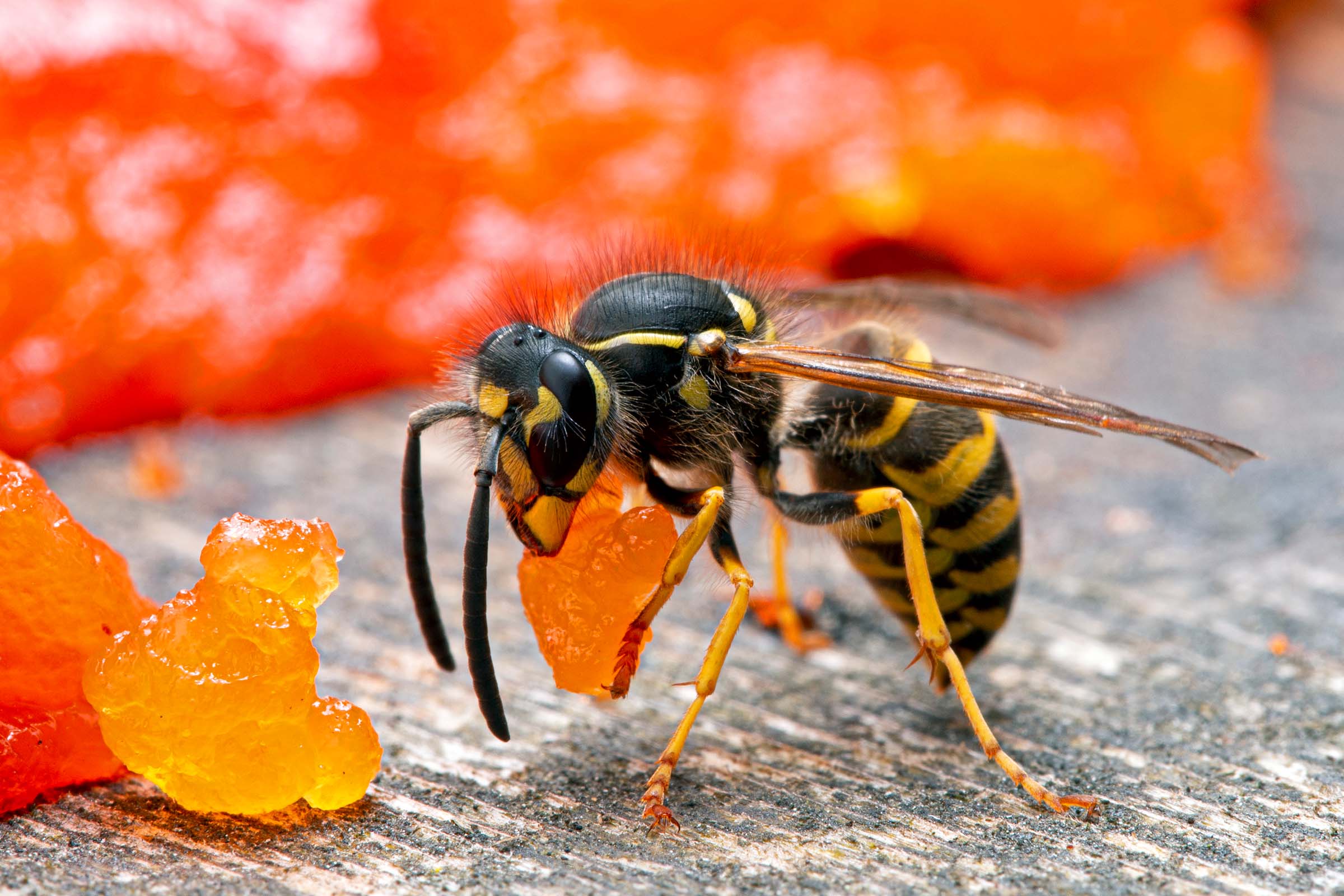
Unlike honeybees with barbed stingers, yellow jacket stingers are smooth. They can sting multiple times without dying, making a single yellow jacket far more dangerous than a single bee.
They're Omnivores
Yellow jackets eat both protein and sugar. Adults feed on nectar and fruit while hunting insects and scavenging meat to feed their larvae. This varied diet brings them into frequent contact with humans.
Colonies Die Each Winter
Unlike honeybee colonies that overwinter, yellow jacket colonies die each fall. Only newly mated queens survive to start new colonies the following spring.
They Nest Underground
Most yellow jacket species prefer underground nests in abandoned rodent burrows. Some nest inside wall voids, attics, or other protected cavities—anywhere with enclosed space.
Yellow Jackets vs. Bees: Key Differences
Yellow jackets are frequently mistaken for honeybees or bumblebees. Understanding the differences between bees and wasps helps you know what you're dealing with and how concerned you should be. Here's how to tell them apart:
Quick Identification

Yellow Jackets
Smooth, shiny body. Defined "waist." Bright yellow and black bands. Fast, side-to-side flight pattern. Attracted to meat and soda.
Honeybees
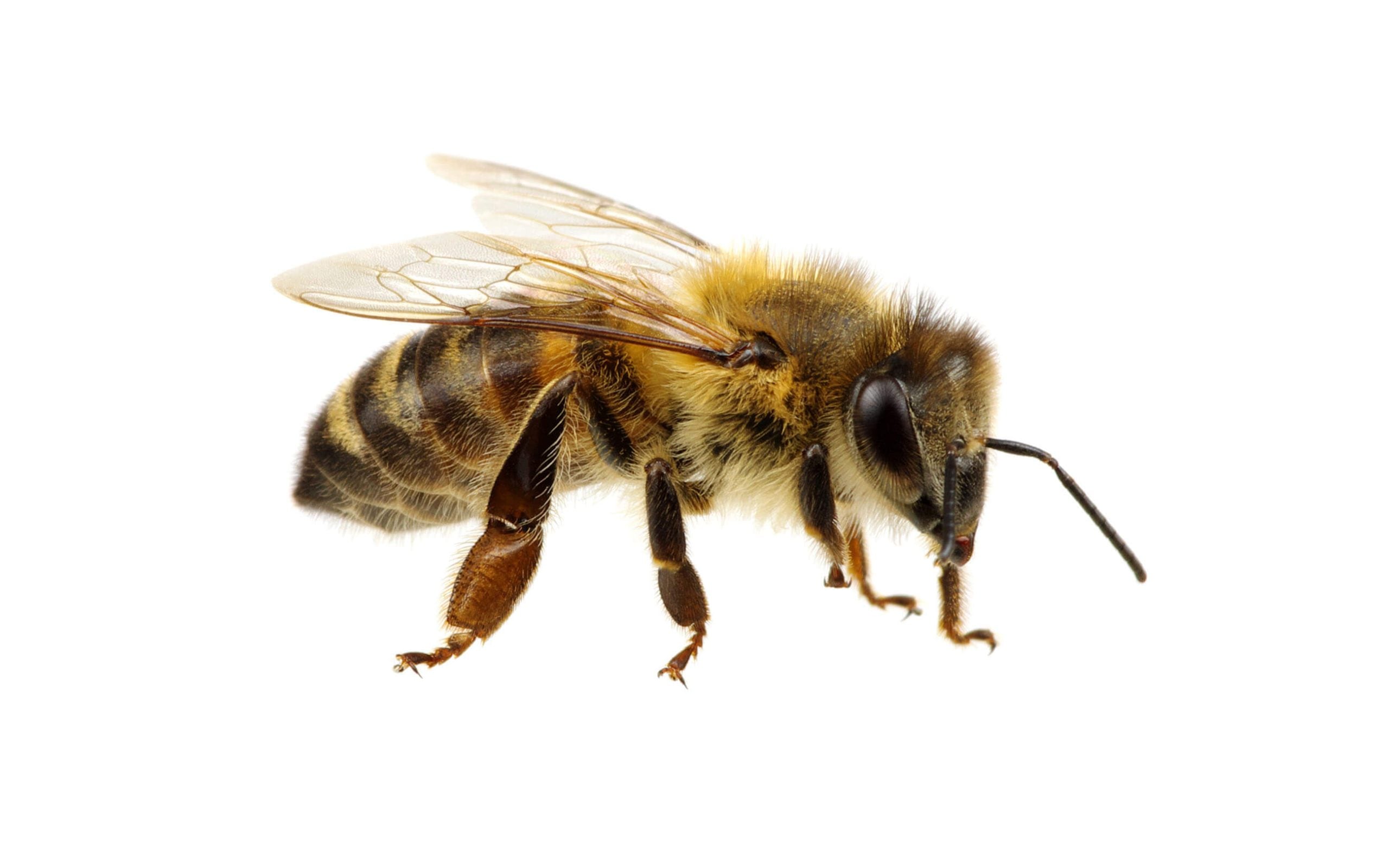
Fuzzy, hairy body. Rounded shape. Amber and brown coloring. Slow, direct flight to flowers. Only interested in nectar and pollen.
For more on the relationship between these insects, see Are Bees and Wasps Related? and our overview of Types of Bees and Wasps in Colorado.
Yellow Jacket Life Cycle & Colony Structure
Understanding the yellow jacket life cycle explains why these wasps become increasingly aggressive as summer progresses—and why timing matters for control.
Spring: Queen Emergence
In early spring (April-May in Colorado), overwintered queens emerge from hibernation. Each queen is the sole survivor of last year's colony. She searches for a suitable nest site—typically an abandoned rodent burrow, wall void, or protected cavity.
The queen builds the initial nest cells from paper (chewed wood fibers mixed with saliva), lays her first eggs, and raises the first generation of workers entirely on her own. She hunts insects to feed her larvae while continuing to expand the nest.
Early Summer: Colony Growth
Once the first workers emerge (late May-June), the queen stops foraging and focuses exclusively on egg-laying. Workers take over hunting, nest construction, and colony defense. The colony grows rapidly—a healthy nest adds thousands of workers by mid-summer.
Late Summer: Peak Population & Aggression
By August and September, colonies reach peak size—2,000 to 5,000 or more workers. The queen produces new queens and males for mating. As the colony's focus shifts from growth to reproduction, several factors increase aggression:
- Natural food sources (insects, flower nectar) decline
- Workers must range farther to find food
- Larger colony means more defenders
- Instinct to protect future queens intensifies
This is why yellow jacket encounters spike at late-summer barbecues and outdoor events—desperate workers swarm around human food.
Fall: Colony Death & Mating
New queens and males leave the nest to mate. Mated queens seek sheltered spots to overwinter—under bark, in leaf litter, or inside buildings. The old queen, all workers, and males die with the first hard frost. The nest is never reused.
Timing Tip: Early-season control (spring and early summer) is far easier than late-summer removal. Small colonies have fewer defenders and less developed nests. If you notice yellow jacket activity in spring, address it immediately.
Yellow Jacket Nesting Behavior
Yellow jackets prefer concealed nesting sites, making their colonies difficult to detect until they're well established. Understanding different types of wasp nests helps you identify what you're dealing with.
Underground Nests
Most Colorado yellow jacket species nest underground. Queens select abandoned rodent burrows, gaps under rocks, or cavities around tree roots. Over the season, workers excavate and expand the cavity, building multiple layers of paper comb inside.
Signs of underground nests:
- Wasps entering/exiting a hole in the ground
- Multiple wasps hovering over one spot
- Worn grass or mulch around an entrance
- Increased wasp activity in one area of your yard
Underground nests are especially dangerous because people often discover them accidentally—while mowing, gardening, or letting children play.
Wall Void & Structural Nests
Some yellow jacket species nest inside buildings—wall voids, attics, soffits, or spaces behind siding. These colonies can grow very large because they're protected from weather and predators.
Signs of structural nests:
- Wasps entering gaps in siding or soffits
- Yellow jackets appearing inside your home
- Buzzing or scratching sounds within walls
- Stains or soft spots on drywall (from moisture in the nest)
Wall-void nests are particularly problematic. If the exterior entrance is sealed, wasps may chew through drywall to escape—emerging inside living spaces. These nests require professional removal.
Nest Construction
Yellow jackets build paper nests from chewed wood fibers mixed with saliva. The nest consists of horizontal combs (like honeybee hives) surrounded by a paper envelope with multiple layers. A mature nest can be basketball-sized or larger, containing thousands of cells for brood development.
Yellow Jacket Diet & Feeding Behavior
Yellow jackets are opportunistic omnivores—one reason they're so commonly encountered around human activity. Their diet varies by life stage and season.
Adult Diet
Adult yellow jackets primarily consume sugars and carbohydrates: flower nectar, fruit juices, honeydew from aphids, and—unfortunately—human food and drinks. This is why they're so persistent around picnics, barbecues, and outdoor dining.
They're particularly attracted to:
- Soda and fruit juices
- Ripe or fermenting fruit
- Desserts and sweet snacks
- Beer and wine
Adults don't eat protein themselves, but they hunt it aggressively to feed larvae.
Larval Diet
Yellow jacket larvae require protein for development. Workers hunt insects, spiders, and other arthropods, chewing them into a paste to feed developing larvae. They also scavenge meat from dead animals, garbage, and—yes—your hamburgers and hot dogs.
This protein-hunting behavior actually benefits gardens and ecosystems. Yellow jackets consume significant numbers of pest insects, making them valuable predators despite their aggressive nature.
Seasonal Shifts
In late summer and fall, natural protein sources decline. Fewer insects and no new larvae to feed means workers become desperate scavengers. Combined with declining nectar sources, this explains the late-season surge in yellow jacket encounters around human food.
For more on what draws these insects, see Why Are Bees and Wasps Attracted to My House?
Yellow Jacket Aggression & Defense
Yellow jackets are the most aggressive stinging insects in Colorado. Understanding what triggers their defensive behavior helps you avoid dangerous encounters.
Yellow Jacket
Pest Threat Level
9/10
Defense Triggers
Yellow jackets attack when they perceive threats to their colony. Triggers include:
- Vibration: Lawn mowers, string trimmers, and footsteps near underground nests
- Sound: Loud noises, especially low-frequency sounds
- Movement: Rapid gestures near the nest entrance
- Physical disturbance: Accidentally stepping on or digging near a nest
- Dark colors: They may perceive dark clothing as a predator threat
Attack Behavior
When a yellow jacket stings, it releases alarm pheromones that recruit other colony members to attack. This chemical signal explains why disturbing a nest often results in multiple stings from multiple wasps—the entire colony may respond defensively.
Yellow jackets can pursue perceived threats for significant distances. If you disturb a nest, run in a straight line away from it. Don't swat at wasps (this increases alarm pheromone release) and don't jump in water (they'll wait for you to surface).
Foraging Wasps vs. Defending Wasps
Individual yellow jackets foraging away from their nest are generally not aggressive unless threatened directly. The wasp circling your picnic is looking for food, not looking for a fight. However, swatting at foragers can provoke stings—and their alarm pheromones may attract others.
Learn to protect yourself in our guide: How to Protect Against Bee and Wasp Stings.
Yellow Jacket Stings & Health Risks
Yellow jacket venom is potent, and their ability to sting repeatedly makes encounters with even a single wasp more dangerous than bee encounters.
Venom Composition
Yellow jacket venom contains a complex mixture of compounds including:
- Phospholipases: Enzymes that damage cell membranes, causing pain
- Hyaluronidase: Allows venom to spread through tissue
- Histamine: Triggers inflammatory response
- Acetylcholine: Increases pain sensation
This cocktail produces immediate, intense pain—one of the more painful common insect stings.
Normal Reactions
Most people experience localized reactions: immediate sharp pain, redness and swelling around the sting site, itching developing as swelling subsides, symptoms lasting 1-7 days.
Allergic Reactions
Yellow jacket stings are a leading cause of anaphylaxis—a severe, potentially fatal allergic reaction. Warning signs include:
- Swelling beyond the sting site (face, lips, throat)
- Difficulty breathing or swallowing
- Hives spreading across the body
- Dizziness, confusion, loss of consciousness
- Rapid heartbeat, drop in blood pressure
Seek emergency medical care immediately if these symptoms occur. People can develop allergies suddenly—even if previous stings caused no problems.
When to Call a Professional
While individual foraging yellow jackets can be avoided, established colonies near human activity require professional intervention. DIY removal attempts frequently result in multiple stings and rarely eliminate the colony.
Call OMNIS Pest Control When:
- You've found a yellow jacket nest on your property
- Yellow jackets are entering your home
- Activity is near play areas, patios, or high-traffic zones
- Someone in your household has a sting allergy
- DIY treatment has failed or made the problem worse
- The nest is underground or inside a wall
Professional treatment eliminates the entire colony—including the queen—and prevents the dangerous partial-treatment scenarios that make colonies more aggressive. Our technicians use specialized equipment and protective gear to handle yellow jacket colonies safely.
With 13+ years serving Castle Rock, Parker, and Douglas County, we've removed thousands of yellow jacket colonies from homes throughout the Front Range.
Reducing Yellow Jacket Encounters
While professional control addresses established colonies, you can reduce yellow jacket activity around your home with these strategies. For comprehensive prevention tips, see How Do I Control Wasps Around My Home?
Manage Food Sources
Keep garbage sealed, clean up spills immediately, cover food at outdoor events, and pick up fallen fruit. Avoid leaving pet food outside.
Eliminate Nest Sites
Fill abandoned rodent burrows, seal gaps in siding and soffits, cover vents with fine mesh, and remove debris piles and old stumps.
Stay Alert
Watch for yellow jacket activity in early summer before colonies grow large. Walk your property regularly, especially areas with ground cover or debris.
Avoid Swatting
Swatting releases alarm pheromones that attract more wasps and provokes stings. Stay calm and move away slowly from foraging yellow jackets.
Use Traps Strategically
Commercial yellow jacket traps can reduce foraging populations. Place traps away from gathering areas—you want to draw wasps away, not toward people.
Schedule Prevention
Spring inspections catch new queens before colonies establish. Quarterly perimeter treatments create barriers that discourage nest building near your home.
Yellow Jackets in the Colorado Ecosystem
Despite their aggressive reputation, yellow jackets play important ecological roles. Understanding their benefits helps explain why complete eradication isn't always the goal—targeted control near human activity is more appropriate.
Beneficial Predators
Yellow jackets are voracious predators of pest insects. A single colony may consume thousands of flies, caterpillars, aphids, and other garden pests over a season. This makes them valuable allies for farmers and gardeners—when they're not too close to human activity.
For gardens, see The Impact of Bees and Wasps on Your Garden.
Pollinators
While not as effective as bees, adult yellow jackets do visit flowers for nectar and transfer some pollen in the process. They're secondary pollinators that contribute to flower reproduction, particularly for late-summer blooms.
Ecosystem Cleaners
By scavenging dead animals and other organic matter, yellow jackets help break down waste and recycle nutrients back into the ecosystem.
Expert Yellow Jacket Control
Understanding Colorado's yellow jackets helps you know which ones pose real concerns and which are simply uninvited guests. When you encounter aggressive yellow jackets or simply more than you're comfortable with, OMNIS Pest Control is here to help.
We've served Castle Rock, Parker, and Douglas County for over 13 years, solving yellow jacket problems in hundreds of homes. Our technicians identify the species, locate nests, and provide targeted treatment that eliminates existing yellow jackets and prevents their return.
Call 720-583-4126 or contact us online to schedule your yellow jacket inspection.
More Pest Protection.
More Peace of Mind.