
 Pantry Pests
 Pill Bugs
 Ants
Ants Spiders
 Bees
Bees Crickets
 Miller Moths
 Millipedes
 Wasps
Wasps Hornets
 Mice
Mice Voles
Voles Rats
Rats Bats
Bats Birds
Birds Gophers
 Mosquitos*
 How to Identify Rodent Droppings
 Keep Pests Out of Your Kitchen
 Keep Ants Away
About Bats: Colorado's Only Flying Mammals
Bats are among nature's most fascinating and misunderstood creatures. While popular culture portrays them as symbols of darkness and evil, these remarkable mammals play a vital role in Colorado's ecosystem. Understanding bat biology, behavior, and the species native to our region helps homeowners make informed decisions about coexisting with—or safely excluding—these protected animals.
What Makes Bats Unique?
While many animals—including flying squirrels, sugar gliders, and colugos—can glide through the air, bats are the only mammals capable of true sustained flight. Their wings are actually modified hands, with elongated fingers connected by a thin membrane of skin called the patagium.
This remarkable adaptation has made bats extraordinarily successful. According to the National Wildlife Federation's Night Friends: American Bats, bats comprise approximately 25% of all mammal species worldwide—second only to rodents in diversity. There are roughly 1,400 bat species found across every continent except Antarctica, ranging from tiny bumblebee bats weighing just 2 grams to giant flying foxes with 6-foot wingspans.
Bat Quick Facts
18 Species
Of the 40 bat species in North America, 18 call Colorado home.
1.5 to 6 Inches
Colorado bats range from tiny microbats to medium-sized species.
Up to 20 Years
Despite their small size, many bat species live remarkably long lives.
1,000+ Insects/Night
A single bat can consume over 1,000 mosquitoes in one night.
Colorado's Three Most Common Bat Species
While 18 bat species inhabit Colorado, homeowners along the Front Range most frequently encounter three species. Each has distinct characteristics, behaviors, and roosting preferences that affect how they interact with human structures.

Little Brown Bat (Myotis lucifugus)
Threat Level: 5/10 | Most common house-dwelling species
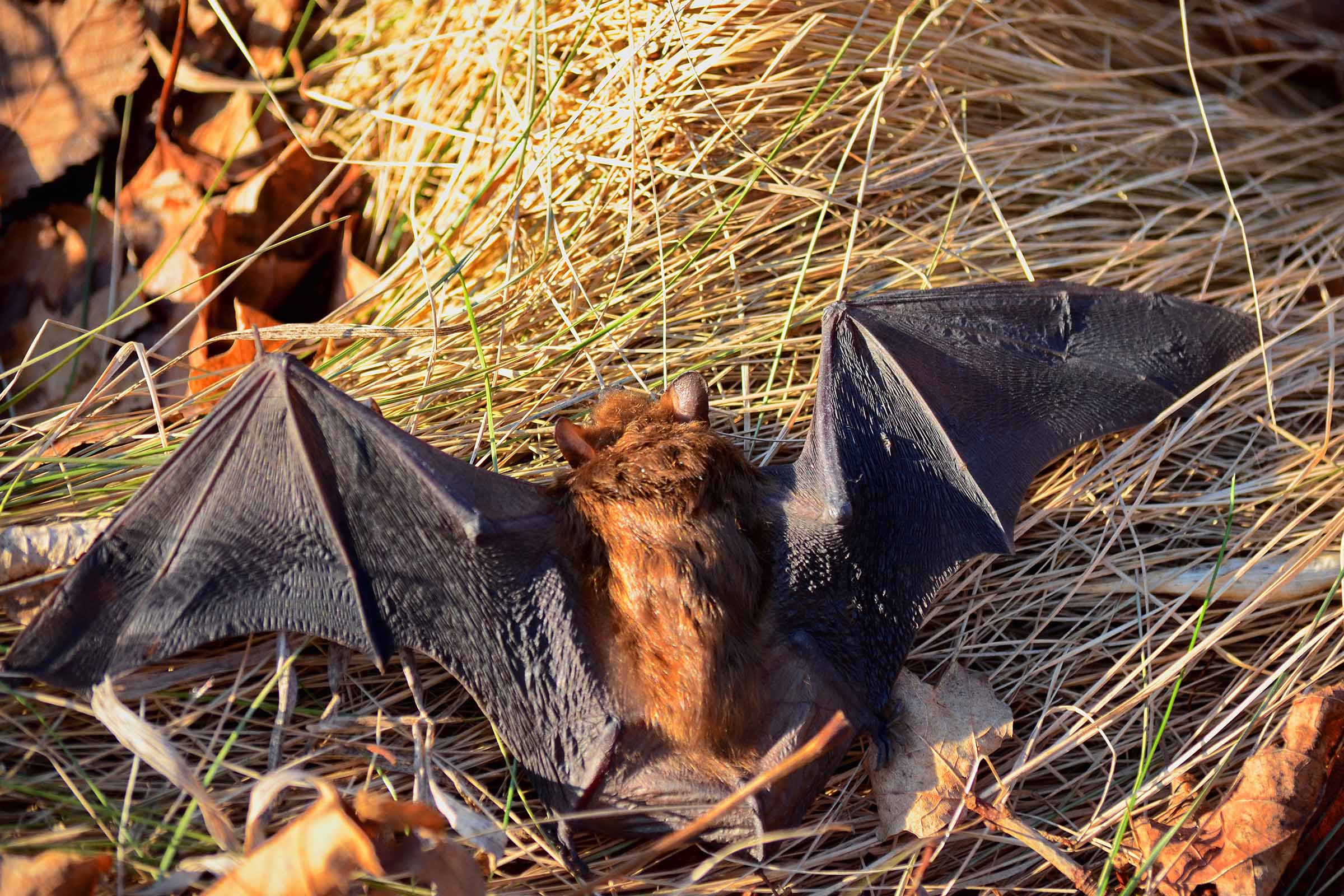
The little brown bat is Colorado's most frequently encountered species in residential settings. As its name suggests, this small bat (3-4 inches body length, 9-11 inch wingspan) features glossy brown fur that's slightly lighter on the belly.
Identification:
- Glossy brown fur with lighter undersides
- Small, rounded ears
- Weight: 1/4 to 1/2 ounce
- Wingspan: 9-11 inches
Behavior:
- Highly colonial—roosts in groups of dozens to hundreds
- Favors attics, wall voids, and barn lofts
- Returns to same roost sites year after year
- Hibernates in caves during winter (some migrate)
Why they're problematic: Their colonial nature means one bat usually indicates many more. Guano accumulates quickly in large colonies.
Big Brown Bat (Eptesicus fuscus)
Threat Level: 5/10 | Most cold-tolerant species
The big brown bat is noticeably larger than its "little" cousin, with a body length of 4-5 inches and wingspans reaching 13-16 inches. Its fur is uniformly brown with a distinctive oily sheen.
Identification:
- Dark brown, oily-looking fur
- Broad, rounded snout
- Weight: 1/2 to 3/4 ounce
- Wingspan: 13-16 inches
Behavior:
- More solitary than little browns—roosts in smaller groups
- Extremely cold-tolerant—often hibernates in buildings rather than caves
- Common in garages, barns, and covered porches
- One of the last species to enter hibernation
Why they're problematic: Their ability to hibernate in structures means they may remain in your home year-round, not just during active seasons.
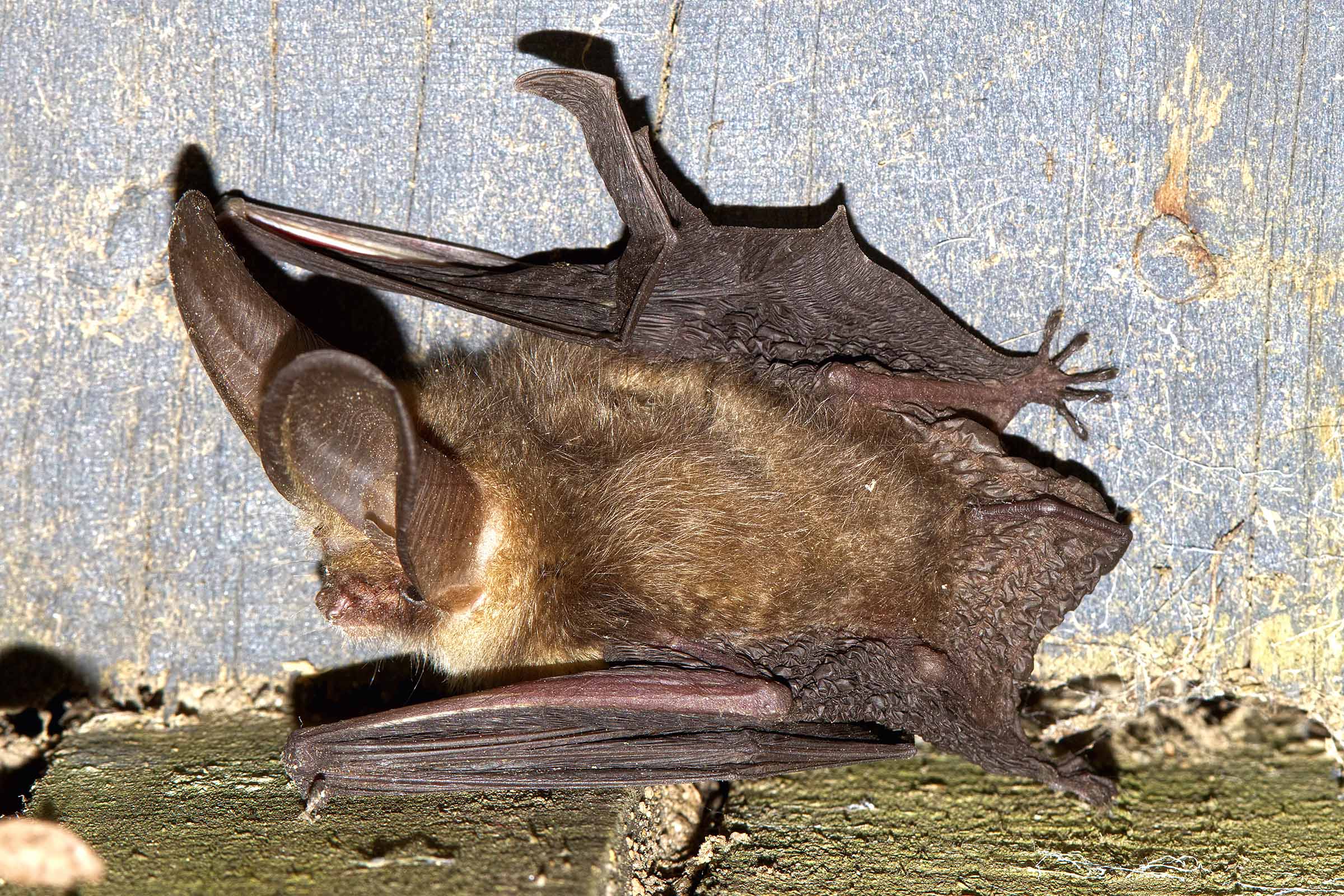
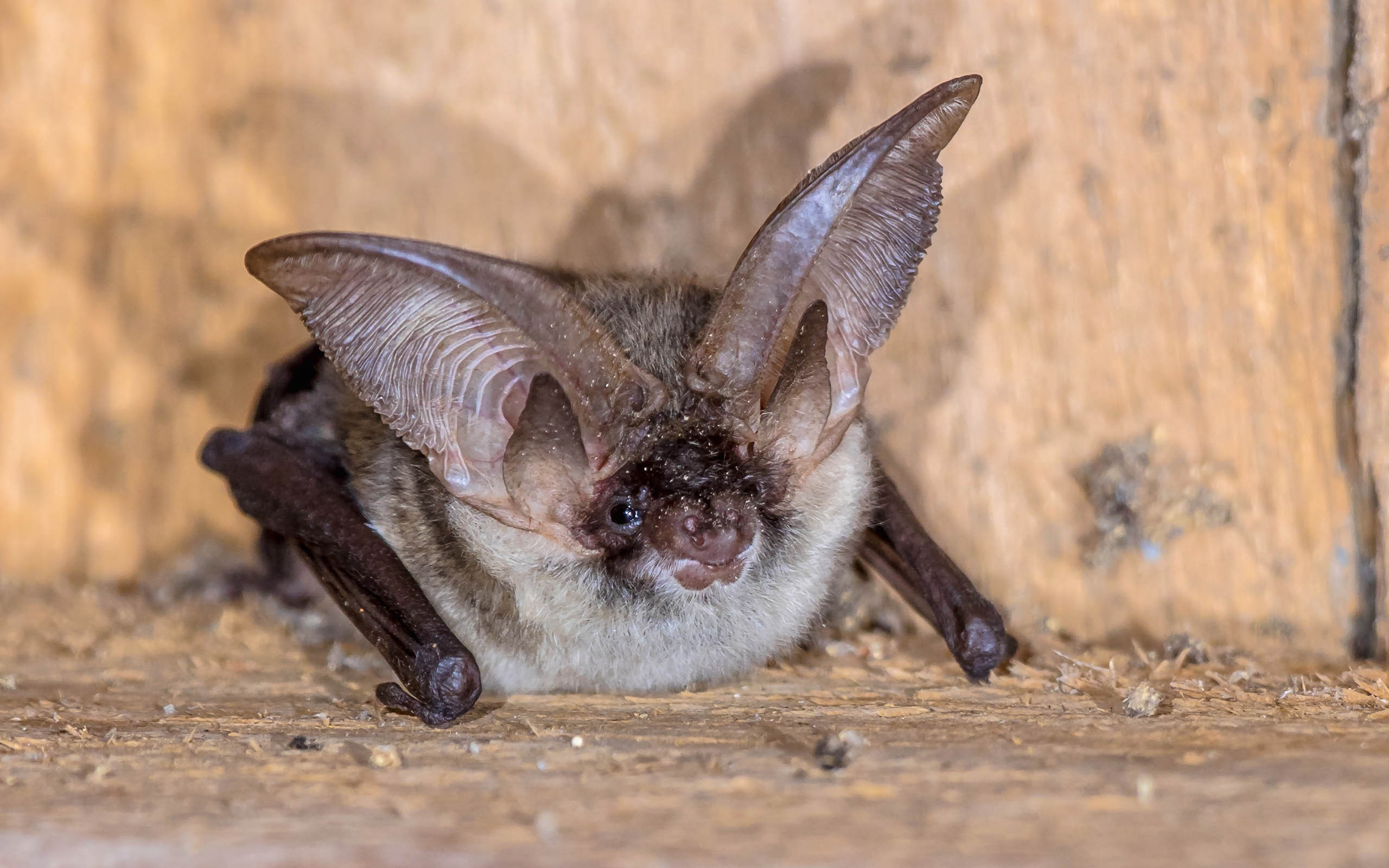
Long-Eared Bat (Myotis evotis)
Threat Level: 4/10 | Less common, distinctive appearance
The long-eared bat is immediately recognizable by its exceptionally large ears, which extend well beyond the nose when laid forward. This medium-sized bat (3-4 inches) has pale brown to yellowish fur.
Identification:
- Distinctively large ears (often over 3/4 inch)
- Pale brown to yellowish fur
- Ears extend past nose when pressed forward
- Wingspan: 10-12 inches
Behavior:
- Prefers covered porches, eaves, and barn overhangs
- Less colonial than other species—often found individually or in small groups
- Gleans insects from surfaces rather than catching them mid-flight
- More common in mountain communities
Why they're problematic: While less likely to form large colonies, they're persistent in returning to favored roost sites and can still accumulate guano over time.
Having trouble identifying a bat on your property?
Our technicians can identify the species, assess the situation, and recommend the safest solution.
Echolocation: How Bats "See" in the Dark
Most bats in the United States, including all Colorado species, have poor eyesight. Instead, they navigate and hunt using echolocation—a biological sonar system that's remarkably sophisticated.
Here's how it works:
- The bat emits a series of high-pitched clicks and squeaks (usually above human hearing range)
- These sound waves bounce off objects—trees, buildings, insects, even tiny moths
- The bat's specialized ears detect the returning echoes
- Its brain processes this information into a detailed "sound picture" of its surroundings
This system is so precise that bats can detect a human hair from several feet away and catch mosquitoes on the wing in complete darkness. Little brown bats can emit up to 200 calls per second when zeroing in on prey.
Bat Diet: Nature's Pest Controllers
Colorado's bats are exclusively insectivores—they eat insects and nothing else. Their favorite prey includes:
- Mosquitoes – A single bat can consume 1,000+ mosquitoes per night
- Moths – Including agricultural pest species
- Mayflies – Abundant near Colorado's streams and reservoirs
- Flying ants – Including carpenter ant swarms
- Beetles – Both flying adults and larvae
- Midges and gnats – Tiny flies that plague outdoor activities
Bats typically hunt in open fields, near water sources, and around streetlights where insects congregate. This is why bat populations often increase in suburban areas during summer—your neighborhood is a buffet.
Important: No bats found within the United States feed on blood. The famous vampire bats are native to Central and South America and feed on livestock blood, not humans.
Natural Habitats vs. Your Home
Bats naturally roost in dark, secluded spaces that protect them from predators and weather. In the wild, they favor:
- Caves and abandoned mines – Classic bat habitat, especially for hibernation
- Rock crevices and cliff faces – Common in Colorado's foothills
- Tree hollows and loose bark – Particularly in older cottonwoods
- Under bridges – Concrete creates cave-like conditions
Why Bats Choose Your House
To a bat, your home offers many advantages over natural roosts:
- Stable temperatures – Attics stay warmer in winter, cooler in summer
- Protection from predators – Owls and hawks can't access interior spaces
- Proximity to food – Suburban insect populations are abundant
- Multiple entry points – Gaps as small as 3/8 inch allow entry
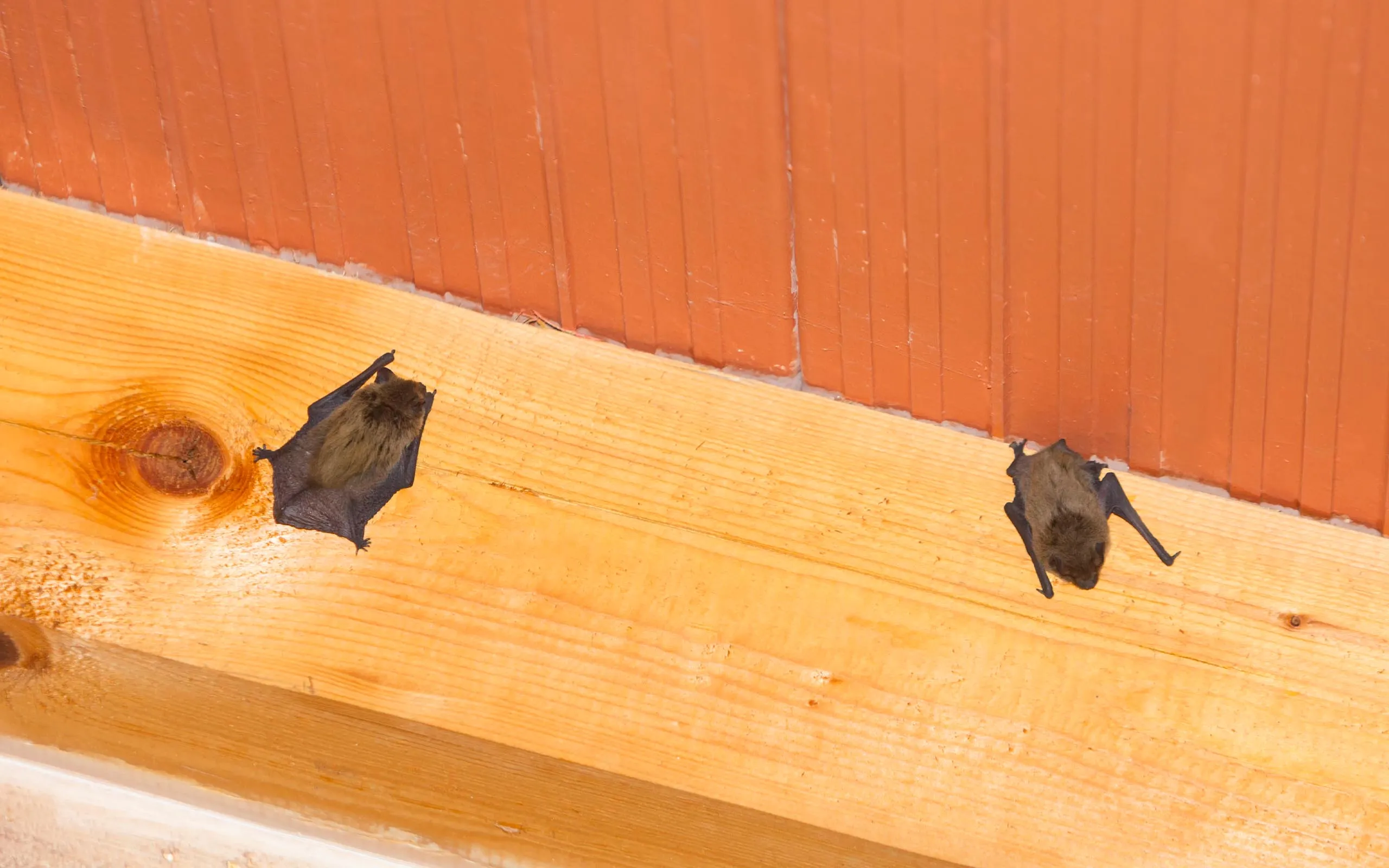
Bats typically enter through gaps in soffits, vents without screens, loose flashing, chimneys without caps, and spaces where utilities enter the building. Once inside, they roost during the day and venture out at dusk to feed.
The Ecological Importance of Bats
Before considering bats purely as pests, it's worth understanding why Colorado law protects them as beneficial wildlife.
Pest Control
Bats consume vast quantities of agricultural pests and disease-carrying mosquitoes. A single colony can eat millions of insects annually, reducing the need for pesticides.
Pollination
While Colorado's bats are insectivores, bat species globally pollinate over 500 plant species, including agave (the source of tequila) and many tropical fruits.
Seed Dispersal
Fruit-eating bats (in warmer climates) spread seeds through their guano, helping forests regenerate. Even insectivorous bats fertilize soil with their nitrogen-rich droppings.
This ecological value is why bats are protected by Colorado law. It's illegal to kill bats—they must be excluded humanely. This isn't just ethical; it's required. Professional pest control companies like OMNIS use exclusion methods that allow bats to leave safely while preventing their return.
Health Concerns: Separating Fact from Fiction
Bats have a reputation for spreading disease, but the reality is more nuanced. Understanding actual risks helps homeowners respond appropriately—neither panicking nor being dangerously dismissive.
Rabies: The Real Risk
Bats are the leading cause of rabies transmission to humans in the United States—but context matters:
- Less than 1% of wild bats carry rabies
- Bat rabies causes only about 1-2 human deaths per year in the U.S.
- Most Colorado bats are completely healthy
- Risk comes primarily from handling bats
The danger arises when people attempt to handle bats without protection, or when bats with rabies exhibit unusual behavior (like being active during daylight or allowing humans to approach).
Histoplasmosis: The Hidden Threat
The more common health concern from bat infestations isn't rabies—it's histoplasmosis, a respiratory illness caused by the fungus Histoplasma capsulatum that grows in bat guano.
- Fungal spores become airborne when droppings are disturbed
- Symptoms resemble flu: fever, cough, fatigue, chest pain
- Usually mild but can be severe in immunocompromised individuals
- This is why proper guano cleanup is essential after bat removal
Never sweep, vacuum, or disturb accumulated bat droppings without proper protective equipment and containment procedures.
Signs a Bat May Have Rabies
If you encounter a bat showing these symptoms, do not approach or touch it. Call OMNIS Pest Control immediately for safe capture and testing:
Fearless
Unafraid when humans approach
Active by Day
Frenzied movement during daylight
Poor Coordination
Unable to fly or walks in circles
Not Eating
No interest in food or water
Paralysis
Foaming mouth, unable to move
Not sure what kind of bat you're dealing with? Check out our guide: What Kind of Bat is Hanging Outside My Door?
Bat Lifecycle and Seasonal Activity
Spring
March-May
Bats emerge from hibernation hungry and begin establishing maternity colonies. Females seek warm, protected spaces—often attics—to give birth.
Exclusion caution: Don't seal entry points in late spring when flightless pups may be inside.
Summer
June-August
Peak activity season. Pups are born (usually 1-2 per female), grow rapidly, and begin flying by late summer. Bats feed heavily on abundant insects.
Best time for exclusion: Late August when pups can fly but before hibernation.
Fall
September-November
Bats feed intensively to build fat reserves for winter. Some species migrate south; others seek hibernation sites (including your attic).
Also good for exclusion before bats settle into winter roosts.
Winter
December-February
Most bats hibernate in caves. However, big brown bats often hibernate in buildings. Torpid bats may briefly awaken during warm spells.
Don't disturb hibernating bats—wait until spring for exclusion.
Need Professional Bat Control?
Whether you've spotted bats roosting on your porch, heard scratching in your attic, or discovered guano accumulation, OMNIS Pest Control provides humane, legal bat removal throughout the Colorado Front Range.
We identify the species, locate all entry points, install exclusion devices that let bats leave safely, seal your home permanently, and clean up the mess they leave behind.
Or call us directly: (720) 583-4126
More Pest Protection.
More Peace of Mind.
More Bat Resources from OMNIS
Explore our complete library of bat control tips and information:
- What Kind of Bat is Hanging Outside My Door? – Identify the species on your property
- Bats Sleeping on Porch – What to do when bats roost in visible areas
- Bat Problems in Colorado – Regional considerations for Colorado homeowners
- 5 Helpful Tactics for Getting Rid of Bats – Effective removal strategies
- 7 Bat Control Devices – Tools for exclusion and deterrence
- What Repels Bats? – Separating myth from reality