
 Pantry Pests
 Pill Bugs
 Ants
Ants Spiders
 Bees
Bees Crickets
 Miller Moths
 Millipedes
 Wasps
Wasps Hornets
 Mice
Mice Voles
Voles Rats
Rats Bats
Bats Birds
Birds Gophers
 Mosquitos*
 How to Identify Rodent Droppings
 Keep Pests Out of Your Kitchen
 Keep Ants Away
What Kind of Bat is Hanging Outside My Door
Bats are often portrayed as spooky creatures associated with the supernatural and Halloween. However, these flying mammals have an important and fascinating role in our ecosystem. Bats hanging outside your door are a problem that many people in Colorado face, especially during the warmer months.
So why are they hanging outside your door? Bats often roost (rest or sleep) in dark, secluded places during the day. This can include caves, trees, and even buildings like houses or barns. Unfortunately for us humans, this sometimes means they may choose to roost in the eaves or crevices of our homes. This is because these areas provide shelter and protection from predators.
In Colorado, there are over 18 species of bats that call this state home. These include the little brown bat, big brown bat, hoary bat, and silver-haired bat, among others. Most of these bats are insectivores, meaning they mainly eat insects like mosquitoes and moths. This makes them valuable allies in controlling pest populations.
What is a Bat?
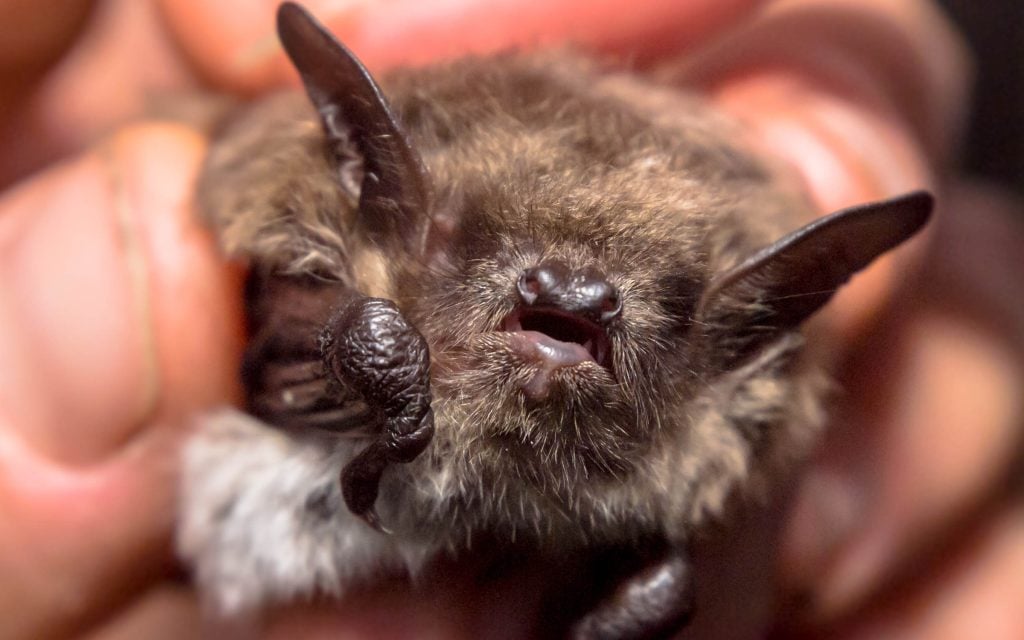
First of all, what is a bat? Bats are the second largest group of mammals, with over 1,400 species worldwide. They are the only mammal capable of true flight, thanks to their specialized wing structure made up of thin skin stretched over elongated finger bones. Here in Colorado, we have 18 different species of bats that call our state home.
Bats play an important role in controlling insect populations. In fact, one little brown bat can eat up to 1,000 insects in just one hour! This makes them valuable allies for farmers and gardeners who want to reduce the use of pesticides.
But despite their helpful nature, bats often get a bad rap. Many people associate them with spooky, Halloween imagery or think they are pests that spread diseases. However, most bats do not pose any threat to humans. In fact, less than 1% of bats actually carry rabies and will only bite if provoked.
Contrary to popular belief, bats are not blind. They have small eyes and rely on echolocation to navigate and hunt for food in the dark. Echolocation is a process where they emit high-frequency sounds that bounce off objects and return as echoes, allowing them to create a mental map of their surroundings.
Bats: Masters of Adaptation and Ecosystem Balance
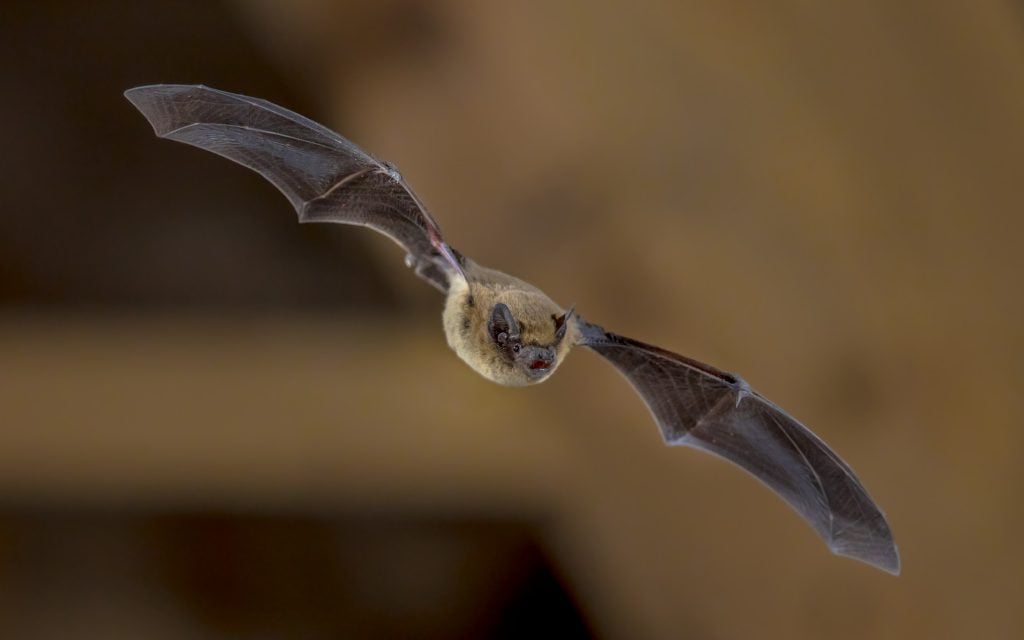
Bats also have unique adaptations that make them well-suited for their environment. For example, their wings are thin membranes stretched over elongated finger bones. It is allowing them to fly with precision and maneuverability.
Bats are often associated with Halloween during this time of year due to their mysterious appearance and nocturnal behavior. But let's remember that these creatures are an important part of our ecosystem year-round.
So next time you see a bat flying around at night, remember that they're not spooky or scary - just another fascinating creature coexisting with us on this planet. And if you're lucky enough to catch a glimpse, take a moment to appreciate their unique abilities and their essential role in our world.
Different Types of Bats in Colorado
Living in Colorado, it's not uncommon to see bats flying around at night. In fact, Colorado is home to 18 different species of bats!
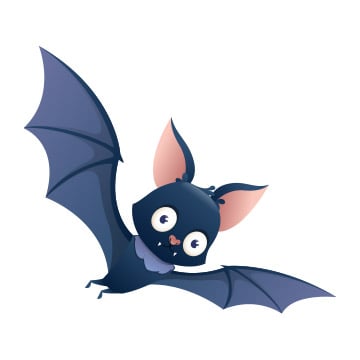
1. Big brown bat are the most common in Colorado and can be found roosting in buildings or trees. They are about 3-4 inches long and have a wingspan of 12-16 inches.
2. Silver-haired bat is a rare sight in Colorado but can be found near water sources. It is about 4-5 inches long and has a wingspan of 10-12 inches.
3. Hoary bats are also a rare sight in Colorado and can be found roosting in trees. It is about 5-6 inches long and has a wingspan of 16-17 inches.
4. The little brown bat is the smallest in Colorado, only measuring about 2-3 inches long with a wingspan of 7-9 inches. They are most commonly found roosting in buildings.
5. Long-legged myotis are another common species in Colorado and can be found roosting in caves or crevices. They are about 3 inches long with a wingspan of 8-10 inches.
6. California myotis is a migratory species in Colorado that roosts in trees. It is about 3-4 inches long and has a wingspan of 9-11 inches.
7. Western small-footed myotis are rare in Colorado. It roosts in cliffs or rocky areas. It is about 3-4 inches long and has a wingspan of 8-10 inches.
8. The long-eared myotis is a common species in Colorado and can be found roosting in trees or buildings. It is about 4-5 inches long and has a wingspan of 9-11 inches.
9. The fringed myotis is a rare sight in Colorado and can be found roosting in caves or underground mines. They are about 3-4 inches long with a wingspan of 8-10 inches.
10. The Yuma myotis is a migratory species in Colorado and can be found roosting in trees or under bridges. They are about 3-4 inches long with a wingspan of 8-9 inches.
11. Townsend's big-eared is a threatened species in Colorado and can be found roosting in caves or abandoned buildings. It is about 4-5 inches long and has a wingspan of 12-13 inches.
12. The long-legged bat is a common species in Colorado and can be found roosting in trees or buildings. They are about 4-5 inches long with a wingspan of 10-12 inches.
13. Brazilian free-tailed bats are a migratory species in Colorado and can be found roosting in caves or buildings. They are about 3-4 inches long with a wingspan of 11-12 inches.
14. The Eastern red bat is a solitary species in Colorado and can be found roosting in trees or shrubs. They are about 4-5 inches long with a wingspan of 11-12 inches.
15. Spotted bats are a rare species in Colorado and can be found roosting in cliffs or rock crevices. They are about 4-5 inches long with a wingspan of 14-15 inches.
16. Rafinesque's big-eared bat is a rare species in Colorado that roosts in caves or abandoned mines. They are about 3-4 inches long with a wingspan of 9-10 inches.
17. The Western pipistrelle is a common species in Colorado and are roosting in caves, buildings, or trees. They are about 2-3 inches long with a wingspan of 8-9 inches.
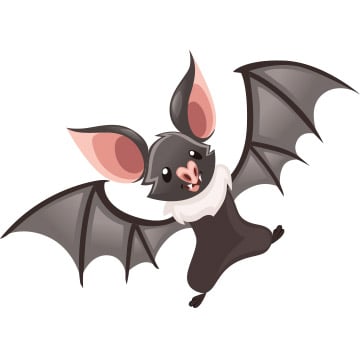
18. Pallid bats are a common species in Colorado and roost in caves, buildings, or trees. They are about 4-5 inches long with a wingspan of 15-16 inches.
These winged animals play a crucial role in controlling insect populations and pollinating plants. Contrary to popular belief, most bats are harmless to humans and prefer to avoid us.
Contact OMNIS Pest Control For Bat Help
OMNIS Pest Control offers expert bat control treatments on-going on a monthly basis. Our team is dedicated to providing safe and humane bat removal services to protect your property. Contact us today for further information on how we can assist you in effectively managing bat infestations.
Other Bat-Related Blogs

What Kind of Bat is Hanging Outside My Door

Bats Sleeping on Porch

Bat Problems in Colorado