
 Pantry Pests
 Pill Bugs
 Ants
Ants Spiders
 Bees
Bees Crickets
 Miller Moths
 Millipedes
 Wasps
Wasps Hornets
 Mice
Mice Voles
Voles Rats
Rats Bats
Bats Birds
Birds Gophers
 Mosquitos*
 How to Identify Rodent Droppings
 Keep Pests Out of Your Kitchen
 Keep Ants Away
How Many Types Of Mosquitos Are There?
There are approximately 3,500 different species of mosquitoes around the world. These species can be found in almost every region and climate on Earth, with the exception of Antarctica.
Some mosquito species are more common and widespread, while others are limited to specific regions or habitats. Some species only feed on certain types of animals, while others are known for their ability to transmit diseases such as malaria, dengue fever, Zika virus, and West Nile virus.
How Many Types of Mosquitoes Exist?
Globally, scientists have identified over 3,500 mosquito species, but not all of them bite or spread diseases. Mosquitoes belong to the family Culicidae and are divided into three primary types based on their feeding habits and habitats.
Anopheles mosquitoes: Known as the primary carriers of malaria.
Aedes mosquitoes: Famous vectors of diseases like dengue, Zika, and chikungunya.
Culex mosquitoes: Commonly associated with West Nile Virus and other encephalitis-causing illnesses.
A Few Noteworthy Species
Anopheles gambiae: Commonly called the African malaria mosquito, this species is infamous for its role in spreading malaria across sub-Saharan Africa.
Aedes aegypti: Also known as the yellow fever mosquito, it thrives in urban areas and is a prolific disease carrier worldwide.
Culex pipiens: Nicknamed the common house mosquito, it prefers cooler climates and often thrives near stagnant water sources.

Where Do Mosquitoes Live?
Mosquitoes adapt to a wide range of habitats, from tropical rainforests to dry savannas and even urban environments. However, they all share one requirement—standing water for breeding. This explains why people with backyard ponds, swimming pools, or lush gardens are more prone to mosquito problems.
Mosquitoes in Colorado: What You Should Know
Colorado may not have the tropical climate that mosquitoes love, but it’s home to several species that can still spell trouble for homeowners. Roughly 50 mosquito species have been identified in the state, but only a few are of concern to humans and pets.
Culex species (Culex pipiens and Culex tarsalis):
Appearance: Medium-sized and brown, with white bands on their legs.
Why They Matter: Culex mosquitoes are the primary carriers of West Nile Virus in Colorado. These mosquitoes are most active at dusk and dawn and are commonly found near water sources such as ponds and marshes.
Aedes vexans (Floodwater mosquito):
Appearance: Brown with white markings on their abdomen.
Why These Types of Mosquitoes Matter: This species doesn't transmit major diseases in Colorado but is a relentless nuisance due to its painful bite.
Habitat: Often found near flooded areas, making them more prevalent after heavy rains or nearby water runoff.
Anopheles freeborni:
Appearance: Dark brown, resembling the Anopheles mosquitoes associated with malaria but less dangerous in Colorado.
Why These Types of Mosquitoes Matter: While uncommon in urban areas, these mosquitoes may spread diseases to livestock.
When Are Mosquitoes Most Active in Colorado?
Mosquito activity in Colorado peaks during the warmer months—typically from late spring through early fall. Their breeding season begins as soon as temperatures rise above 50°F, which means homeowners need to start mosquito control early in the season to prevent outbreaks as temperatures climb.
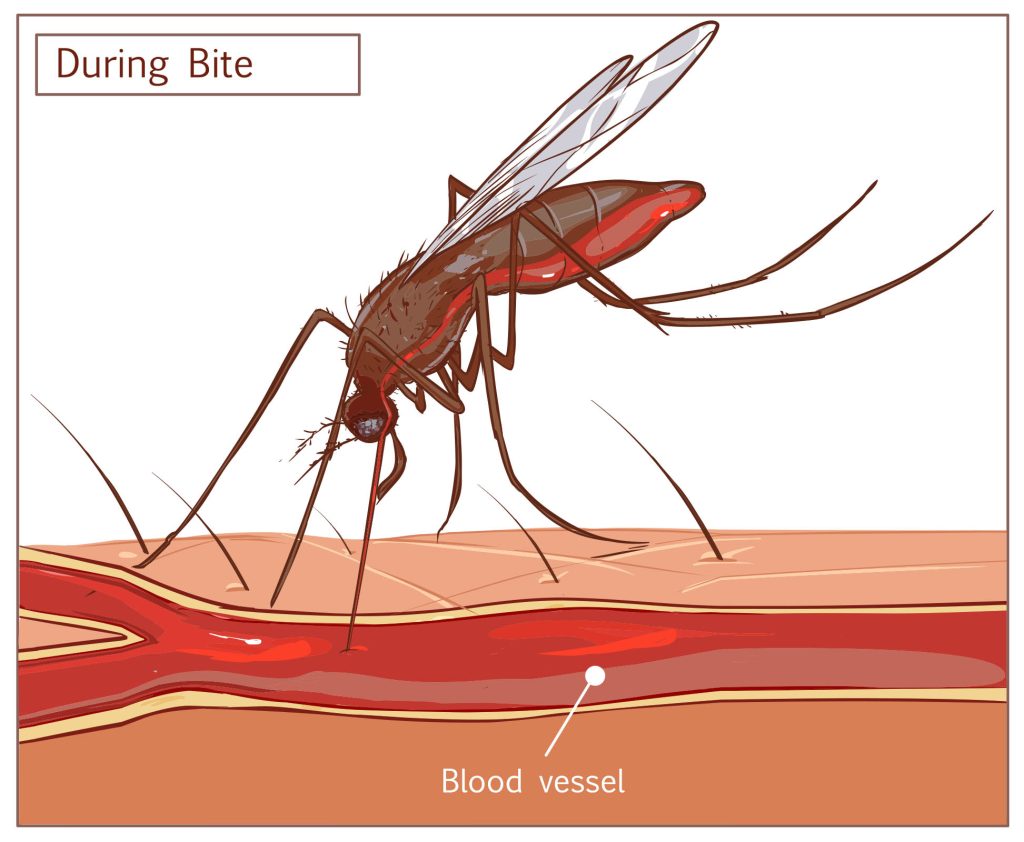
Why Are Mosquitoes Dangerous?
Mosquitoes can do more than cause itchy bites—they are notorious carriers of some of the most alarming diseases:
West Nile Virus: Regularly detected in mosquito populations around the western United States, including Colorado, West Nile Virus can lead to severe neurological symptoms in rare cases.
Zika Virus: While not currently a concern in Colorado, Aedes mosquitoes in warmer climates can carry this virus, known for its impacts on pregnancy.
Heartworm in Pets: Mosquitoes are direct hosts for heartworm larvae, a dangerous disease affecting dogs and cats.
Understanding these risks emphasizes the importance of taking mosquito control seriously, especially for homeowners with large outdoor spaces or those near water sources.
Effective Mosquito Control Solutions for Homeowners
If you’ve been battling a mosquito problem, don’t worry—there are effective ways to take action. From DIY maintenance to professional solutions, keeping your yard mosquito-free is achievable. Here’s how:
1. Eliminate Standing Water
- The most critical step is to disrupt all types of mosquito breeding:
- Regularly empty buckets, planters, and any items collecting rainwater.
- Maintain your pool with proper chlorination and filtration.
- Aerate ponds to keep the water moving.
2. Use Mosquito Repellents
For immediate relief during outdoor activities, use EPA-approved repellents containing DEET, picaridin, or oil of lemon eucalyptus.
3. Install Outdoor Barriers
Screen enclosures, mosquito nets, and citronella candles can help create barriers around your backyard entertaining spaces.
4. Opt for Natural Predators
Introduce mosquito-eating fish, such as guppies or goldfish, to your pond or garden water features. Dragonflies are also excellent natural mosquito predators.
5. Professional Mosquito Treatments with OMNIS Pest Control
While DIY natural repellent solutions can help, professional mosquito treatments are the most reliable way to enjoy a mosquito-free yard. At OMNIS Pest Control, we utilize the IN2Care mosquito treatment system—a cutting-edge, eco-friendly approach to managing mosquitoes.

What Is IN2Care?
IN2Care is a revolutionary mosquito control system specifically designed to target mosquito breeding. Using a combination of slow-release larvicides and fungal spores, it effectively disrupts mosquito breeding cycles while being safe for non-target species. The IN2Care system is ideal for homeowners who want powerful protection without harming the environment.
Enjoy Your Backyard All Season Long
Mosquitoes may be tiny, but the problems they bring are anything but small. Whether you’re concerned about protecting your family from disease, keeping heartworms out of your pets’ lives, or simply experiencing a bite-free summer, it’s clear that effective pest control is essential.
Don’t wait until mosquito season is in full swing—start early to reap the benefits all year long. OMNIS Pest Control and our IN2Care mosquito treatments can help you keep your backyard safe, comfortable, and pest-free. Contact us today for a free consultation and learn how to make mosquitoes a thing of the past.
Other Mosquito-Related Blogs

Mosquito-Proof Your Yard

Why Do Mosquito Bites Itch For Days?

Best Mosquito Traps